



Historical Maritime Wall Artwork
Historical maritime wall artwork captures centuries of naval power and seafaring life across oil paintings, watercolours, and engravings.
Historical Maritime Wall Artwork
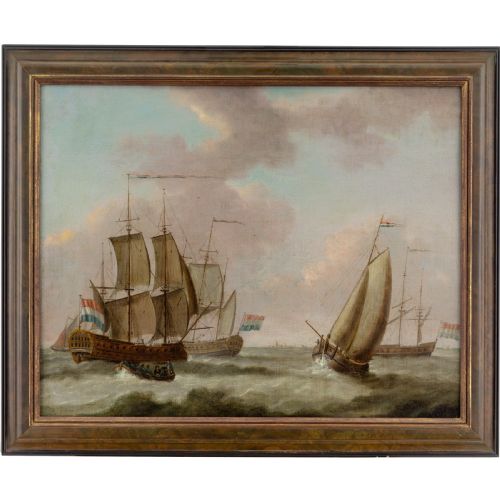
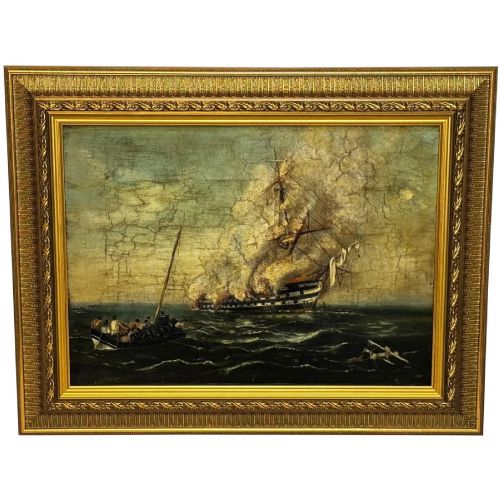
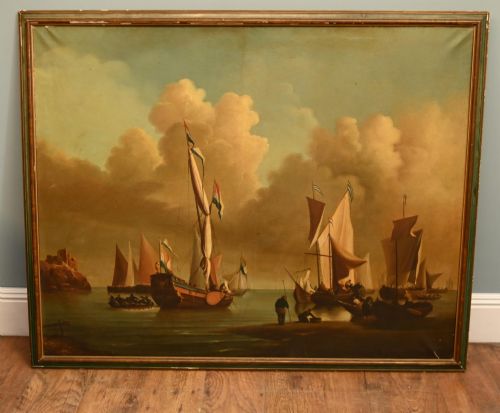
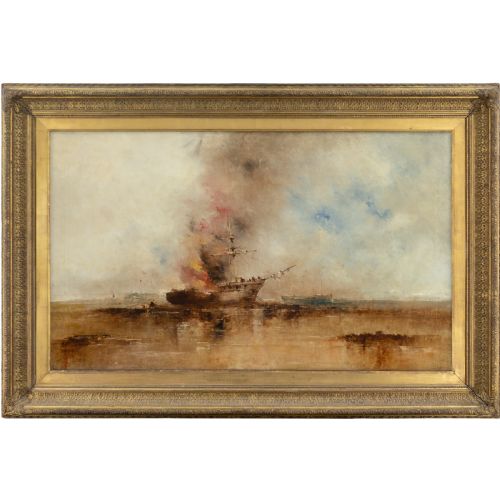
Historical maritime wall artwork comprises paintings, watercolours, etchings, and engravings depicting naval engagements, merchant shipping, and coastal harbours. These pieces document maritime history from the seventeenth century through to the early twentieth century.
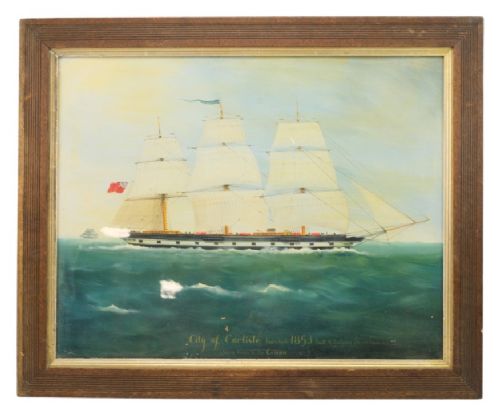
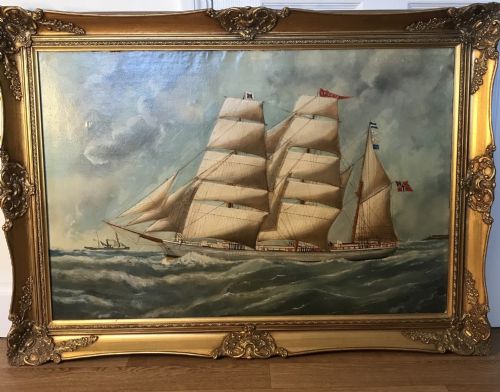
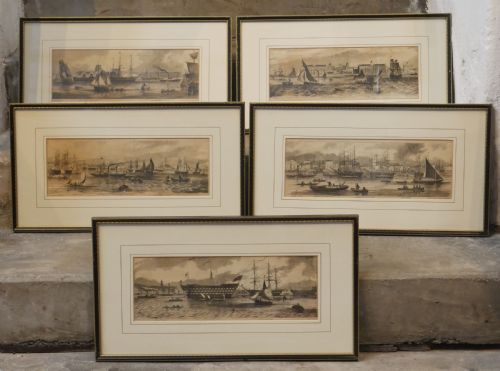
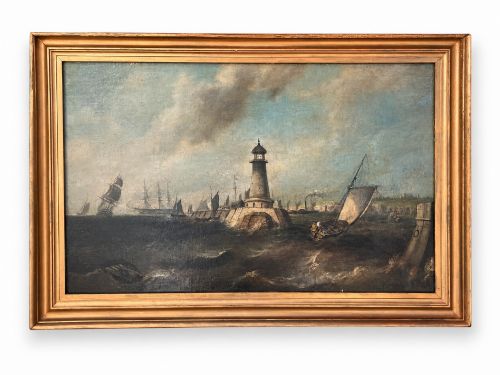
Buyers will most frequently encounter nineteenth-century oil paintings on canvas and framed paper prints on this page. Subjects range from detailed portraits of named vessels to dramatic scenes of warships in action.
Works span Georgian, Victorian, and Edwardian periods, reflecting the changing aesthetic of marine art over three centuries. Coastal views, ship portraits, and dock scenes dominate the available forms.
Materials and execution
Artists painted primarily with oil paint on canvas or applied watercolour to paper, often mounting these works within wooden frames. Many prints and engravings utilise paper substrates to record detailed naval scenes and portraits.
Pigments were worked with brush and sometimes pen to delineate rigging, coastal topography, and turbulent water. Gold leaf appears on select frames that complement the finished picture surface.
Historical Maritime Wall Artwork Retail Price Guide 2026
Typical asking prices for historical maritime wall artwork among the pieces listed under this phrase on Sellingantiques today, from the lower quarter to the upper quarter. They describe what is for sale here now, not the wider market.
Listings feature works in oil, watercolour, etching, and engraving across the Georgian, Victorian, and Edwardian periods.
Quality factors
Quality rests upon the artist's command of maritime architecture, rigging accuracy, and the natural movement of water and light. Works by named painters or attributed followers demonstrate superior handling of perspective and atmosphere compared to standard school pieces.
The integration of the artwork with its period frame contributes to the overall integrity of the piece. Crispness in line engraving and stability of the canvas ground distinguish finer examples.
William McAlpine·Francis Hayman·Nicholas Condy·Charles Napier Hemy·Samuel Owen·William Wyld·Richard Brydges Beechey·Walter Duncan·Frank Wood·Paul Jean Clays·Richard Ball Spencer·Hubert Thornley·Bertram Priestman·James Hardy·Jacob Knyff·Richard Hall
The Historical Maritime Wall Artwork Glossary
- Barque
- A sailing vessel with three or more masts having square sails on the fore and mainmasts and fore-and-aft sails on the mizzenmast. This rig was common for nineteenth-century merchant trading.
- Galleon
- A large sailing ship used for war and commerce from the sixteenth to the eighteenth centuries. These vessels are identifiable by their raised structures at the bow and stern.
- Engraving
- A printmaking process where an artist cuts lines into a metal plate to hold ink. Multiple impressions are then transferred onto paper.
- Wash
- A thin, semi-transparent layer of diluted watercolour paint applied to paper. It creates smooth skies and water in maritime scenes.
Historical Maritime Wall Artwork: Frequently Asked Questions
What periods do these artworks cover?
The listings span from the seventeenth century through the Georgian and Victorian eras up to the Edwardian period and the 1920s. Works are dated from specific years or attributed to broad centuries.
Nineteenth-century pieces form the largest group, encompassing Victorian marine art and Edwardian depictions of steamships and coastal harbours.
What subjects appear in these maritime works?
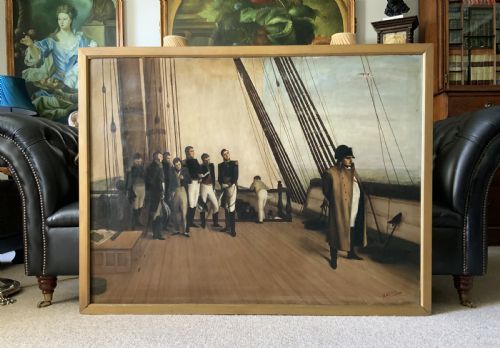
Subjects include naval engagements, ship portraits, dock scenes, and coastal shipping. Named vessels, historic sea battles, and polar expeditions are recorded alongside tranquil river views.
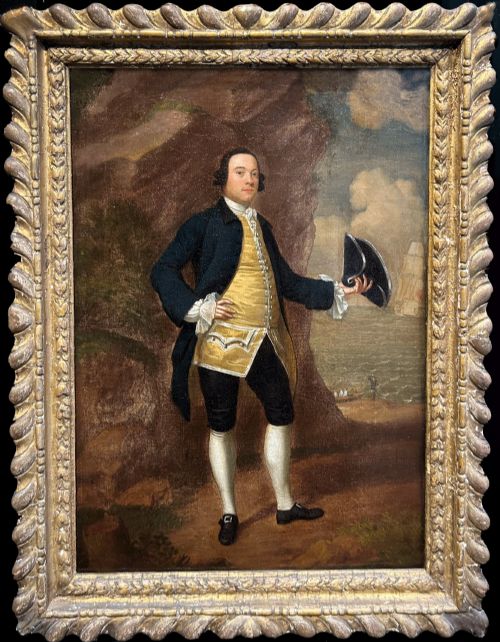
Artists also documented naval officers, privateers, and royal events such as reviews of the fleet at Spithead.
How do I care for antique marine paintings?
Protect oil paintings and works on paper from direct sunlight and high humidity to prevent canvas sagging and paper degradation. Keep pieces away from direct heat sources.
Dust wooden frames gently with a dry cloth and avoid using liquid cleaners on painted canvas or exposed paper prints.
How are watercolours and oil paintings different?
Oil paintings utilise pigment bound in drying oil applied to canvas or wood panels, yielding rich textures and deep tones. Watercolours use water-soluble pigments on paper, creating lighter and more translucent effects.
Oils are generally displayed without glass protection, whereas watercolours require framing under glass to protect the paper.