



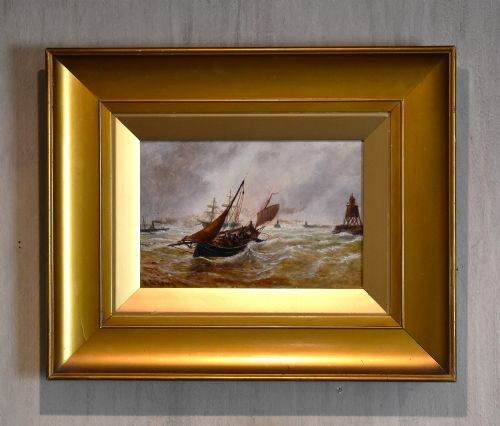
Original Marine Oil Artwork
Original marine oil artwork captures the movement and atmosphere of the sea through traditional painting techniques spanning multiple decades.
Original Marine Oil Artwork
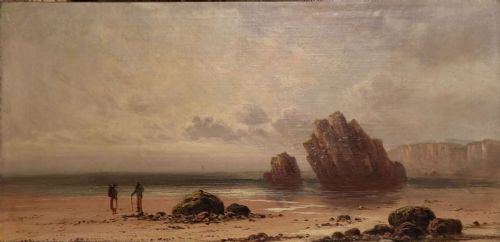
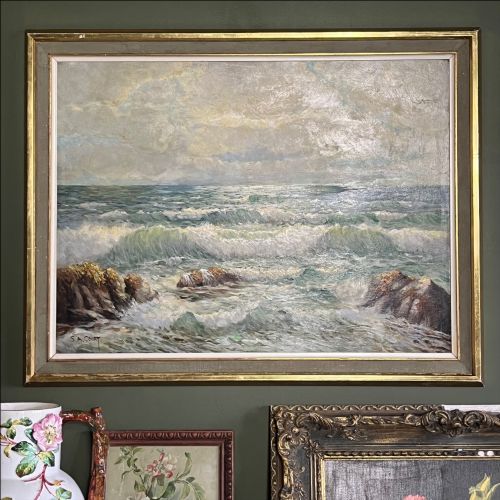
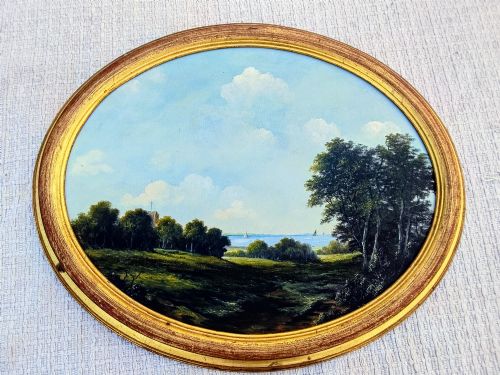
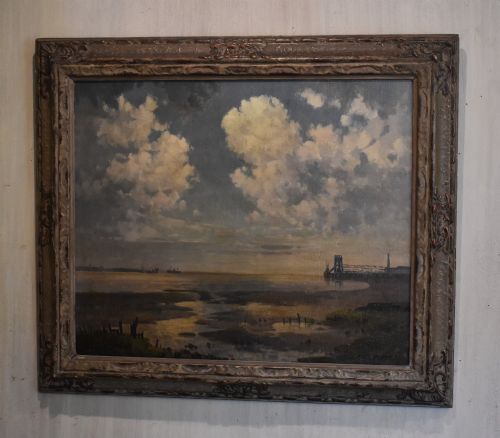
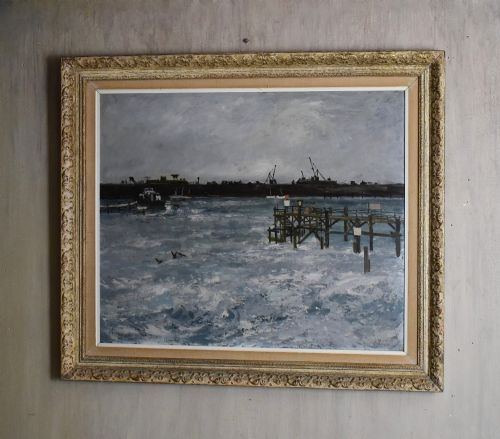
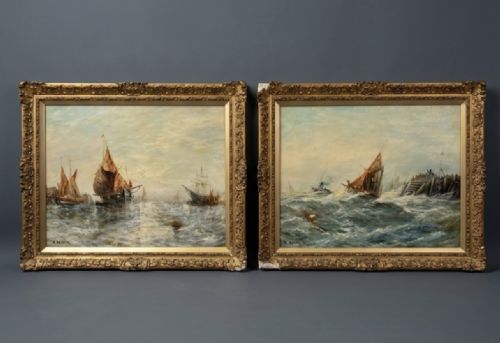
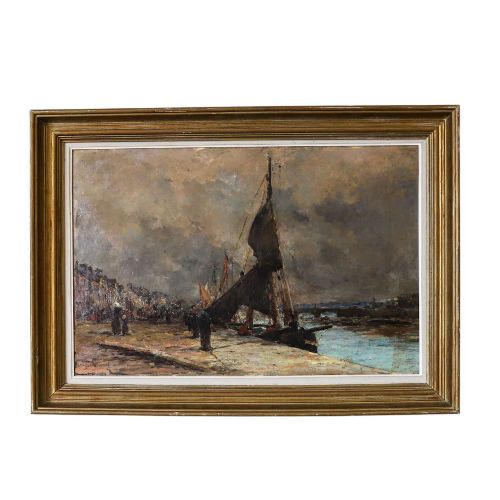
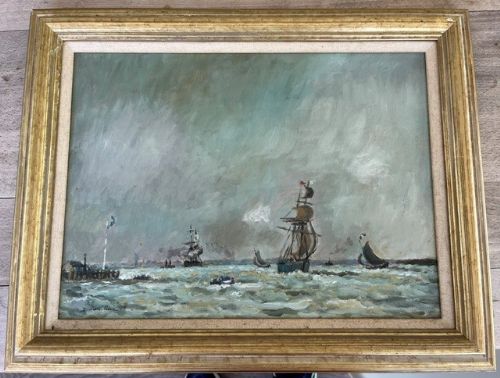
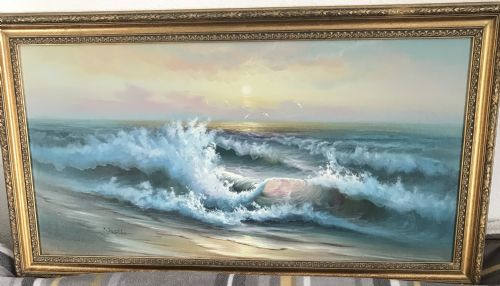
Original marine oil artwork depicts coastal scenes, harbours, and open water executed by artists using oil paint. These pieces range from detailed 19th-century depictions of sailing ships and dramatic coastlines to mid-20th-century impressionistic interpretations of the sea.
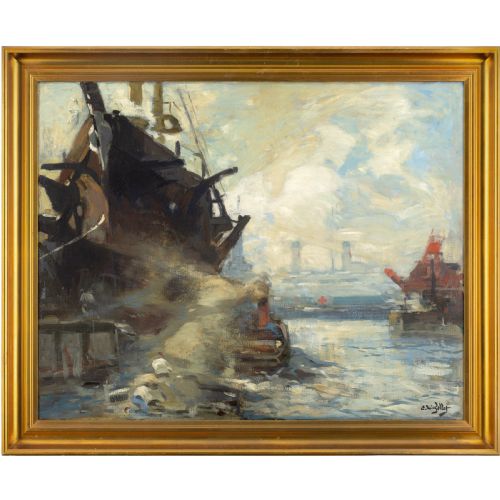
Buyers frequently encounter works created on canvas or board, often housed in period gilt wood frames. The subjects extend from quiet estuaries and fishing boats to stormy seas and bustling ports across Britain and France.
Materials and Construction
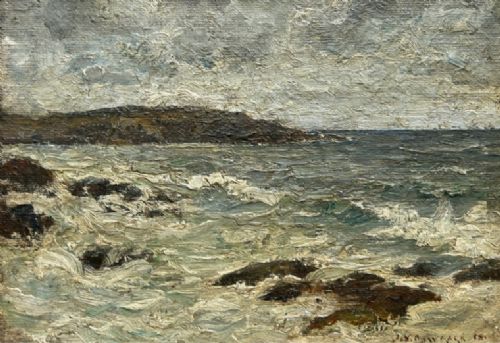
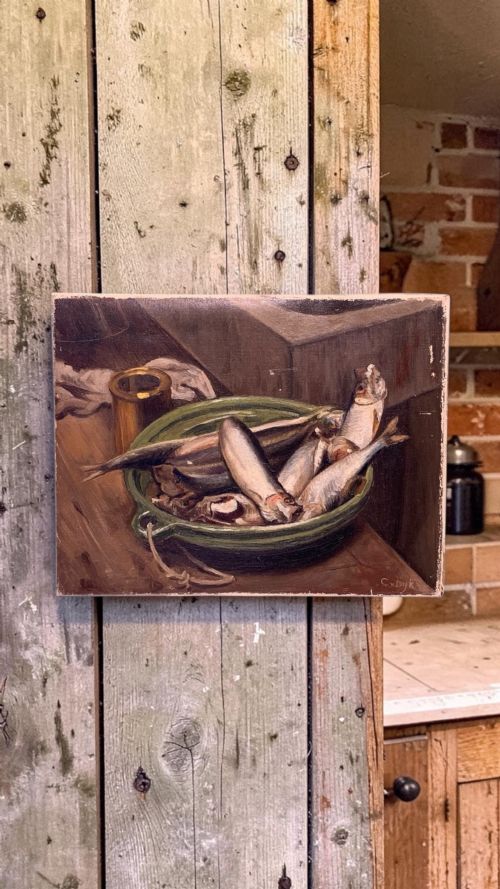
Artists painted these works primarily with oil paint applied to stretched canvas, wooden panels, or cardboard supports. The medium allows for rich texture, blending, and impasto brushwork that conveys the weight of water and the changing light of the coast.
Framing forms an integral part of these pieces, with many surviving in period gilt wood frames that complement the maritime subject matter. Support materials vary from traditional woven canvas to rigid boards utilised in en plein air painting.
Several artists braved choppy coastal gales with portable easels just to capture salt spray directly onto wet oil paint.
Assessing Quality and Execution
Quality in original marine oil artwork rests upon the artist's command of light, proportion, and atmospheric perspective. Superior pieces capture the dynamic movement of water and weather conditions with confident brushwork rather than rigid adherence to detail.
The preservation of the paint surface and the integrity of the original support material also influence the standard of a piece. Works that retain their vibrant pigment without excessive restoration or darkening demonstrate better preservation.
Kenneth Cozens·Clifford Hanney·Eugène-Louis Gillot·Sidney A. Court·Clive Browne·Peter Brannan·Bernard Benedict Hemy·Walter Goodin·Abraham Hulk I·Charles Napier Hemy·Louis Suire·Gustave Vidal·James Fry·Norman Lloyd·Gustave De Bréanski·James Kyd·Adrian Van Porten·Edward Henry Eugene Fletcher·William Greaves·Charles Malfroy·Edward Seago·John Bell
The Original Marine Oil Artwork Glossary
- Impasto
- A technique where paint is laid onto a surface in thick layers, standing out from the canvas. This method adds tactile dimension to the representation of crashing waves and turbulent skies.
- En plein air
- The practice of painting outdoors to capture direct natural light and atmospheric conditions. Marine artists often worked directly on the coast to record immediate visual impressions.
- Gilt wood
- Wood carved and covered with a thin layer of gold leaf or metallic gilt finish. Many traditional marine paintings are housed in these ornate period frames.
- Seascape
- A work of art that depicts the sea, coastal views, or marine scenes. These compositions focus primarily on water, ships, and shorelines.
Original Marine Oil Artwork: Frequently Asked Questions
What subjects appear in marine oil paintings?
These works depict coastal landscapes, busy harbours, fishing vessels, and open ocean views. Artists recorded both tranquil coastal scenes and dramatic storms at sea.
The subject matter often reflects the maritime heritage of Britain and France, capturing local working boats, warships, and rugged shorelines during the nineteenth and twentieth centuries.
How do I care for an oil painting on canvas?
Keep the artwork out of direct sunlight and away from extreme temperature fluctuations. Environmental stability protects both the canvas and the oil pigments from cracking.
Dust the surface gently with a soft, dry brush and avoid using liquid cleaners. Professional conservators should handle any deeper cleaning or repair.
Are original frames important for these artworks?
Period frames, particularly gilt wood examples, complement the aesthetic of nineteenth and twentieth-century paintings. They provide historical context and enhance the overall presentation.
While framing styles varied across decades, matching an appropriate period frame to the canvas maintains the character of the piece.
How can I tell the age of a marine painting?
Clues to dating include the style of the brushwork, the stretcher construction of the canvas, and any signatures or inscriptions on the reverse. Victorian works differ noticeably in palette and detail from mid-century impressionist pieces.
Examining the materials, such as the type of board or canvas backing, helps narrow down the production period alongside artist records.