

Mahogany Tea Stand
These mahogany tea stand examples bring together centuries of skilled cabinet making, offering practical surfaces designed for social traditions.
Mahogany Tea Stand
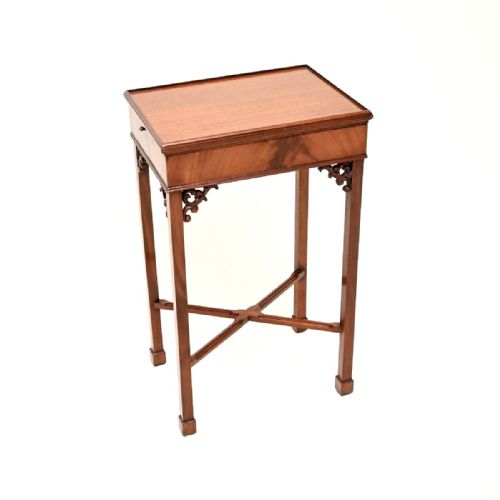
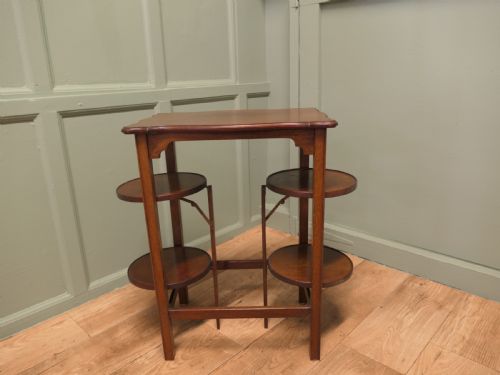
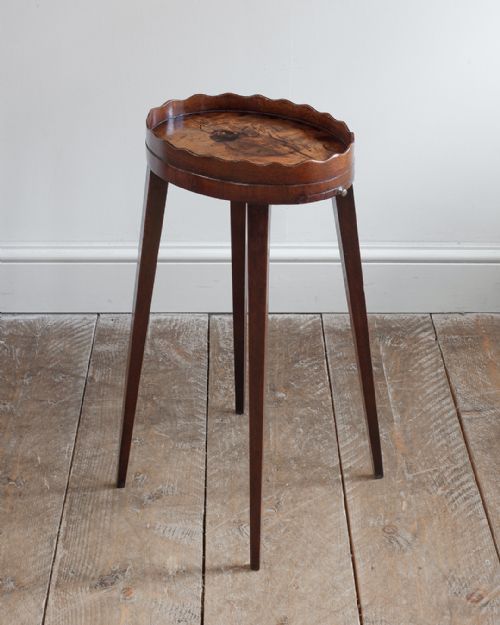
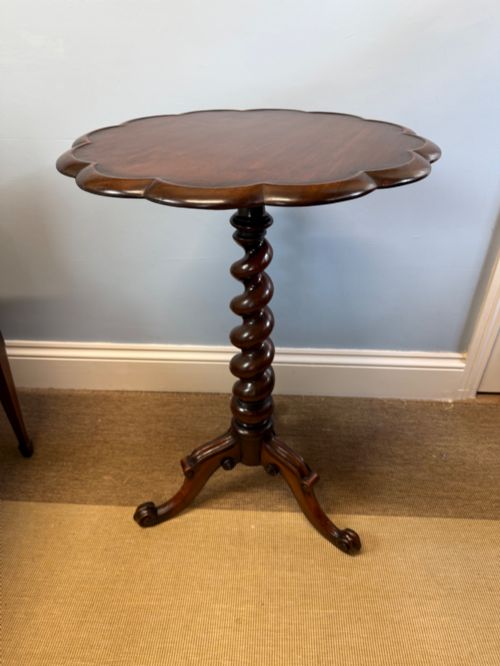
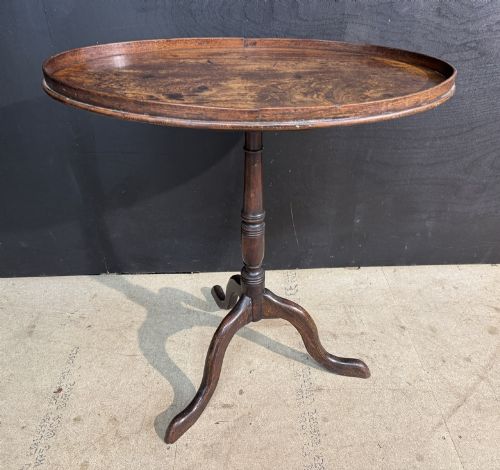
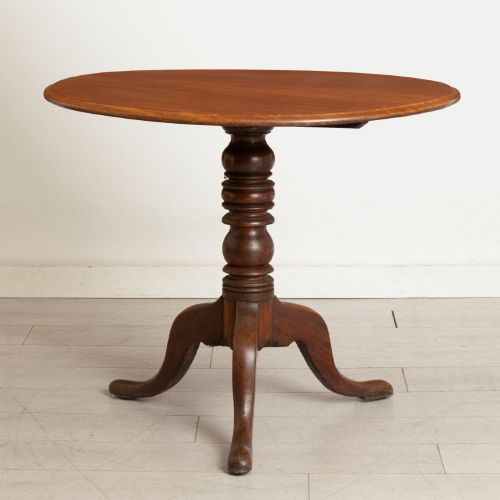
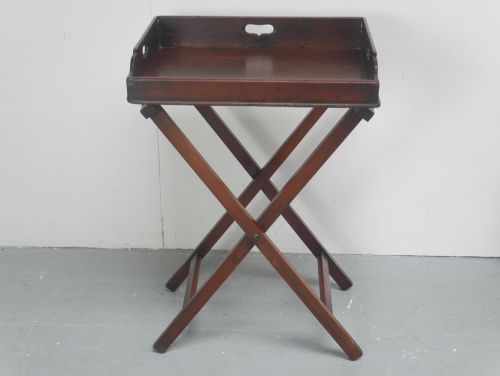
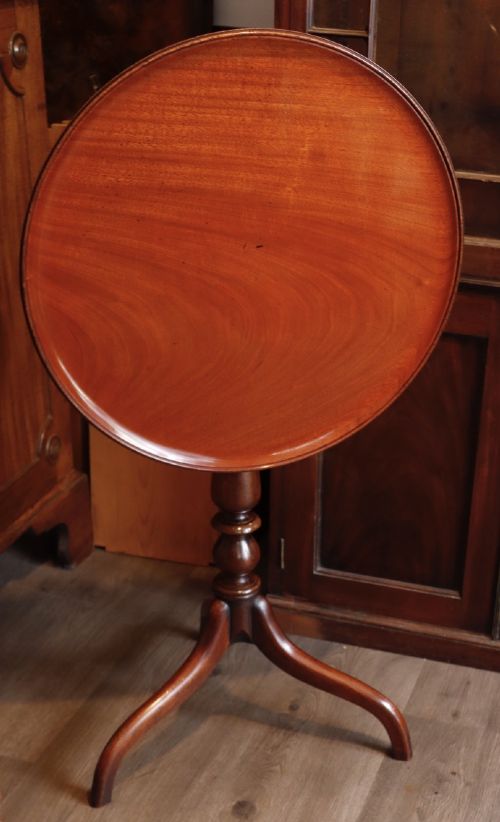
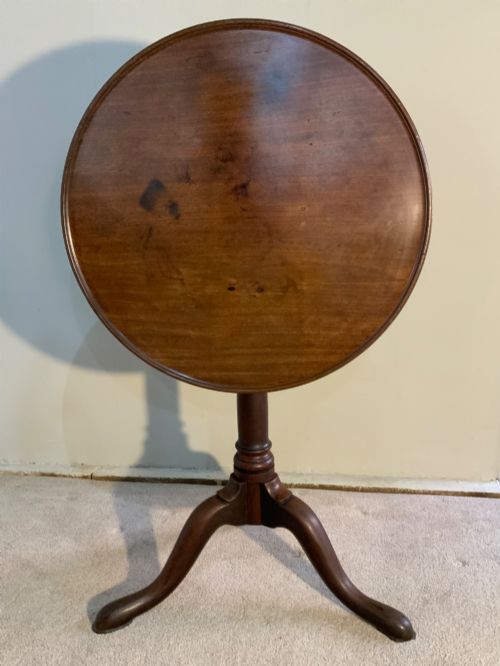
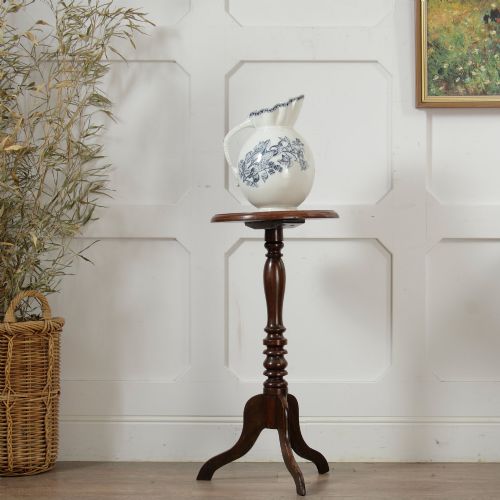
A mahogany tea stand encompasses a diverse group of tables and trays designed to serve tea, ranging from tilt-top tripod tables and kettlestands to tray tops on stands and multi-tiered cake stands.
The pieces spanning this selection trace periods from the 18th century and Georgian era through the Regency, Victorian, and Edwardian periods up to the 1930s.
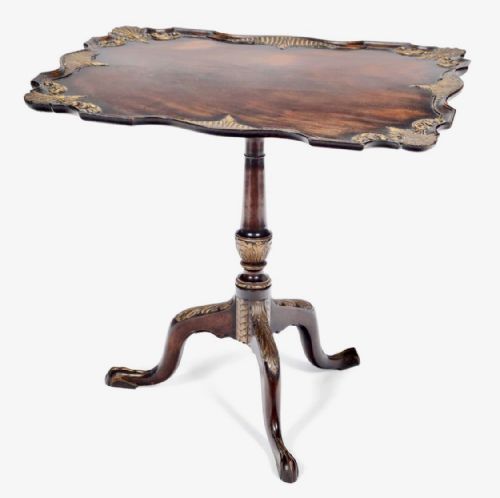
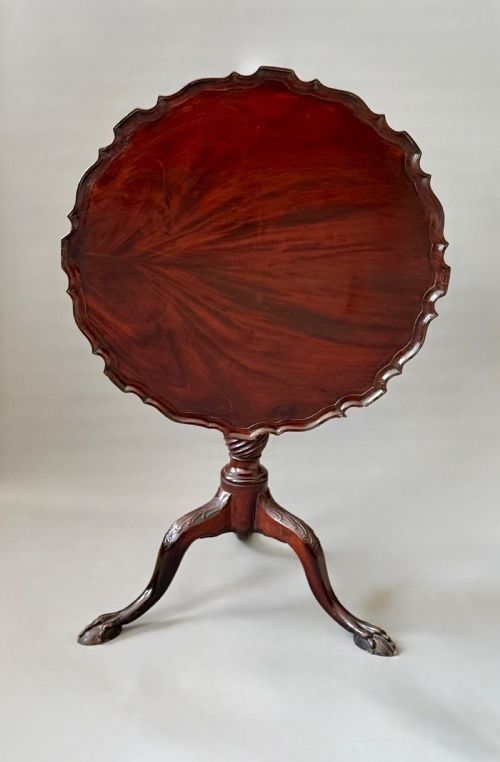
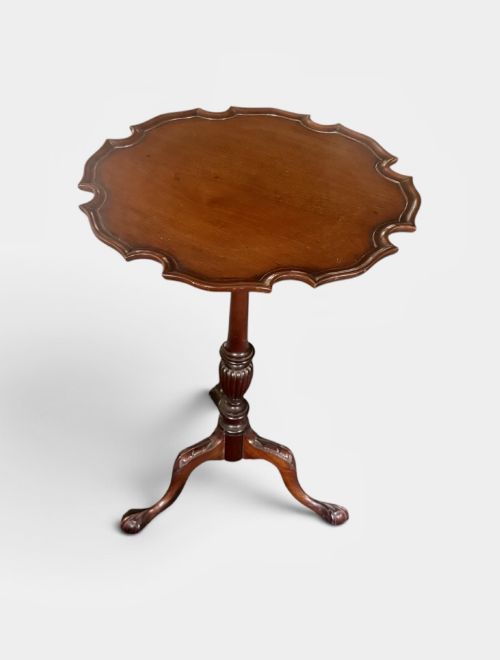
Buyers frequently encounter tripod forms with tilting mechanisms, rectangular or pie crust tops, alongside Edwardian cake stands and tray tables.
How They Were Made
Craftsmen built these pieces primarily from solid mahogany and mahogany veneers, frequently incorporating supportive structural elements of brass.
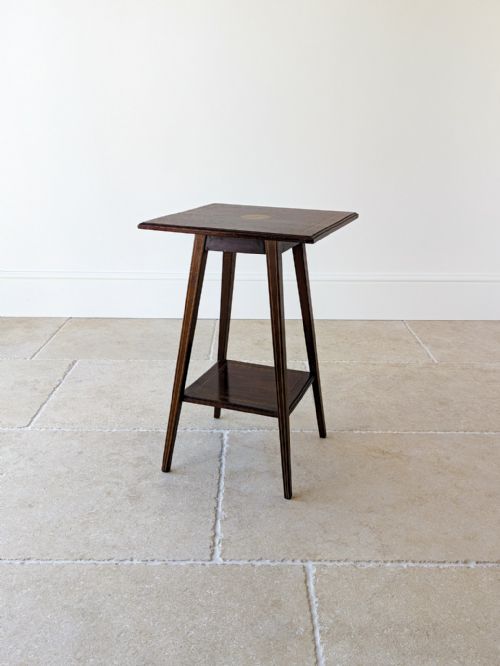
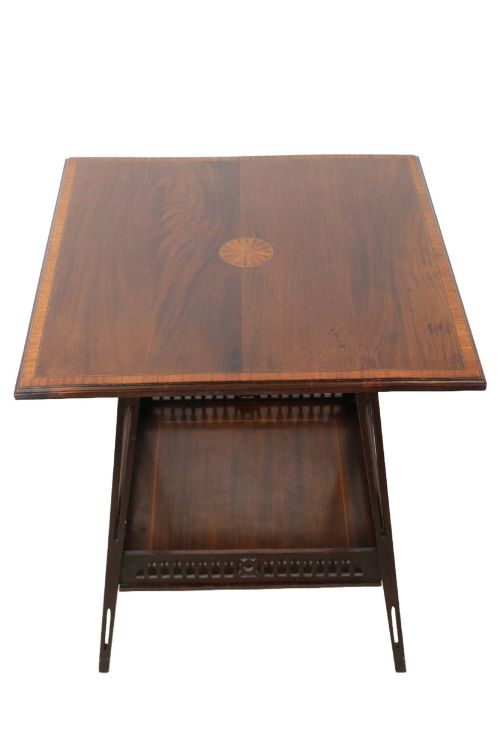
Decorative detailing relied on precision techniques such as wood inlay utilising satinwood and boxwood, alongside parcel gilt highlights and carved wooden surfaces.
The listings combine solid mahogany, rich veneer work, and contrasting satinwood inlay across Georgian, Victorian, and Edwardian periods.
What Varies in Quality
The standard of a piece depends on the depth and crispness of carved details, such as pie crust rims and tripod legs, alongside the natural figure of the mahogany timber.
Construction methods determine distinction, where sophisticated mechanisms like birdcage actions and original brass bound decorations separate standard examples from finer works.
Trevor Page And Co·Shapland And Petter
The Mahogany Tea Stand Glossary
- Tilt-top table
- A table designed with a hinged mechanism allowing the surface to fold vertical when not in use. This clever space-saving device was common on Georgian tripod tables.
- Tripod table
- A small freestanding table supported by a central pillar above three spreading legs. These provide stability on uneven historic floorboards.
- Pie crust table
- A table featuring a raised, carved edge shaped in undulating curves resembling pastry work. This decorative moulding appeared frequently on 18th-century tripod tables.
- Birdcage
- A revolving wooden framework positioned beneath a tabletop that allows the surface to both rotate and tilt. It represents a mark of superior joinery on period stands.
- Teapoy
- A small box or chest mounted on a stand, originally intended for storing loose tea leaves. Examples often feature compartmentalised interiors for precious goods.
- Inlay
- A decorative technique where contrasting timbers like satinwood and boxwood are fitted flush into the mahogany surface. This method creates geometric or floral patterns.
Mahogany Tea Stand: Frequently Asked Questions
What is a tilt-top mechanism?
A tilt-top mechanism uses a hinged block or catch beneath the surface to let the table top fold flat against the central pillar. This allowed the furniture to stand neatly against a wall when the room was cleared.
Craftsmen engineered these pivots to operate smoothly without excessive play in the joint. Finding an original working action adds considerable interest for collectors.
How do I use a cake stand?
A multi-tiered cake stand provides graduated circular shelves originally intended for serving afternoon tea pastries and small cakes. Today they function well as display surfaces for plants or decorative objects.
Their lightweight frames allow them to move easily between rooms as living spaces require. Folding versions offer convenient storage when floor space is needed.
What is a birdcage action?
A birdcage action is a rotating wooden box frame fitted between the top of the pillar and the underside of the table. It lets the surface spin horizontally as well as tilt vertically.
This complex joinery appeared on finer 18th-century stands to improve everyday utility. The name derives from the resemblance the small wooden spindles bear to a birdcage.
How do I date a mahogany stand?
Dating relies on observing construction methods, timber choice, and decorative styles aligned with periods like Georgian or Edwardian. Earlier pieces often feature solid mahogany with hand-carved tripod bases.
Later Edwardian examples frequently incorporate machine-cut veneers and delicate boxwood stringing. Comparing edge profiles and turning details helps clarify the era of manufacture.