
Dark Wood Stand
A dark wood stand provides a solid platform for display and storage, bringing rich grain and functional presence into a room.
Dark Wood Stand
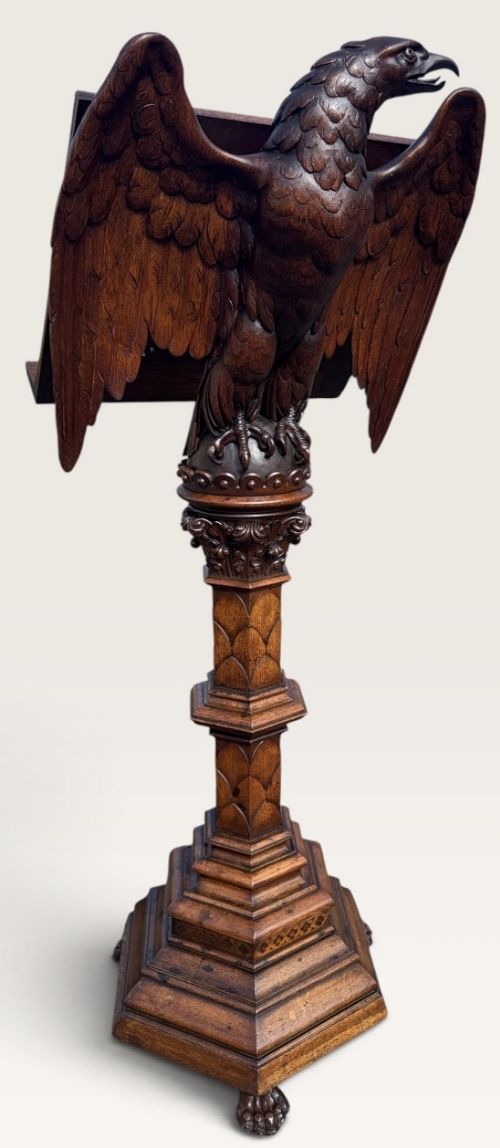
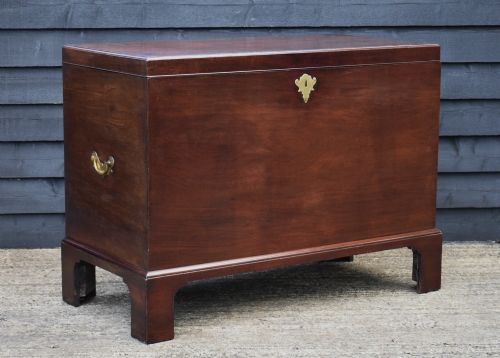
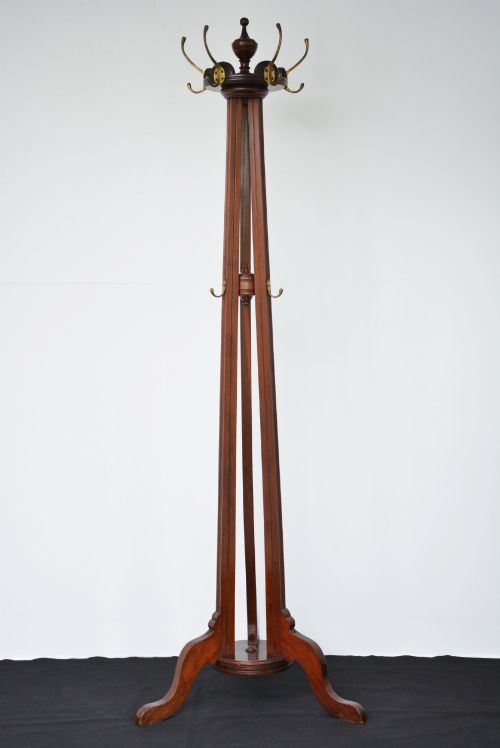
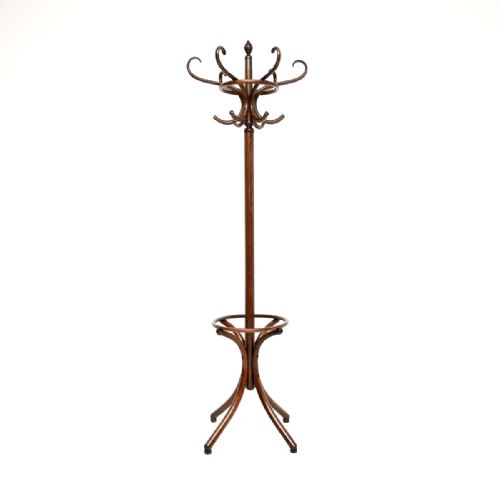
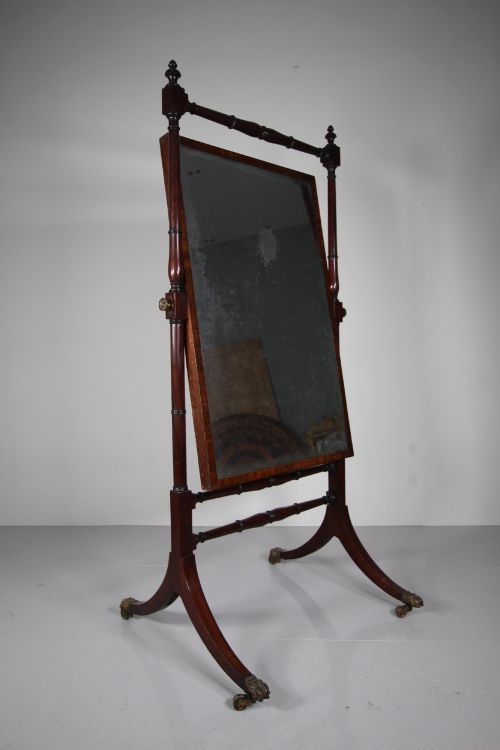
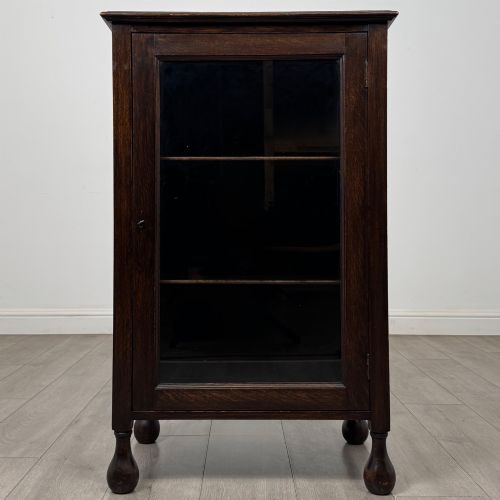
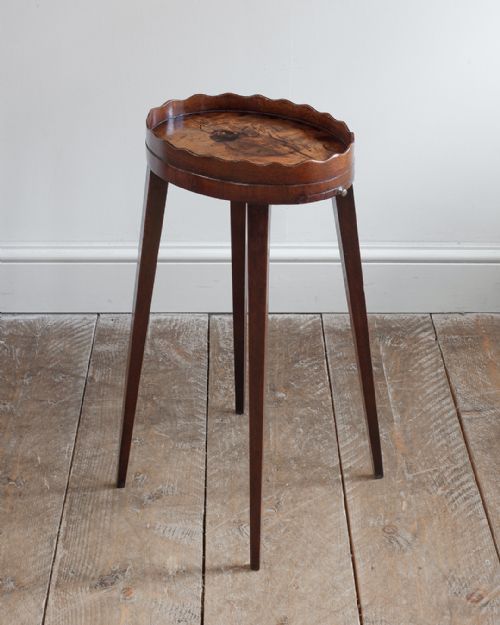
When you search for a dark wood stand, you encounter a varied selection of functional furniture designed to hold objects, books, and garments. These items span periods from the eighteenth century through to the early twentieth century, encompassing Georgian, Victorian, and Edwardian eras. The most common forms you meet on this page include bookcases, occasional tables, display cabinets, side tables, towel rails, cheval mirrors, and music cabinets.
The materials utilised in these stands reflect traditional cabinet-making choices, with mahogany, oak, rosewood, and walnut appearing frequently. Styles range from plain utility pieces to detailed designs influenced by Regency, Arts and Crafts, and Queen Anne aesthetics. Whether you require a corner whatnot, a revolving bookcase, or a luggage rack, these pieces serve practical domestic purposes with established historical character.
How they were made
The construction of these stands relies heavily on dense hardwoods such as mahogany, oak, and rosewood, selected for structural stability and rich natural grain. Cabinet-makers combined these timbers with secondary woods, utilising traditional jointing methods to ensure durability across decades of daily use.
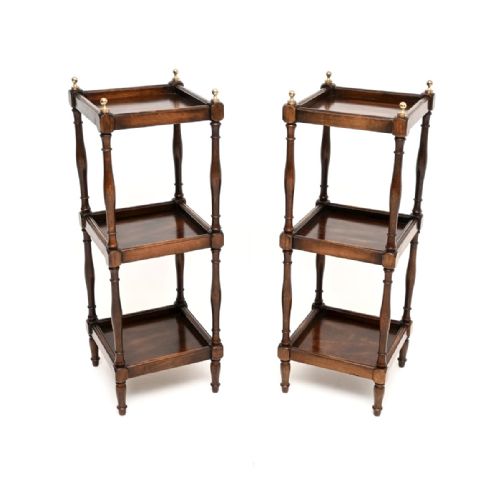
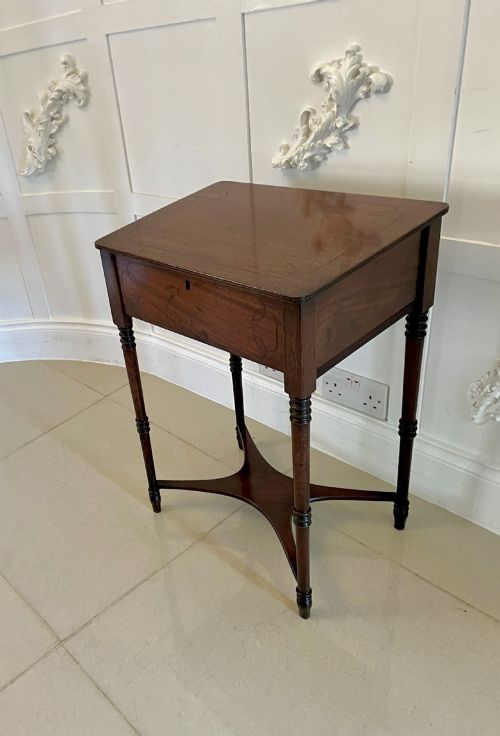
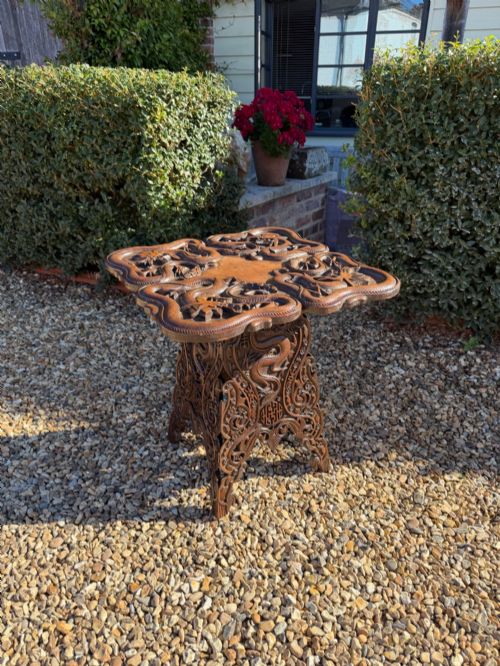
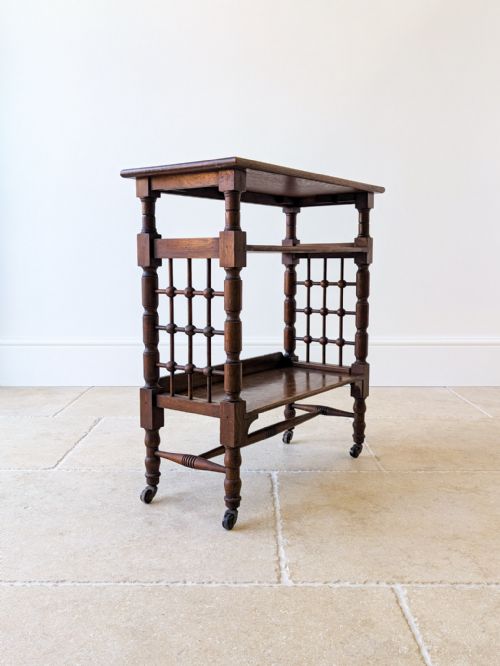
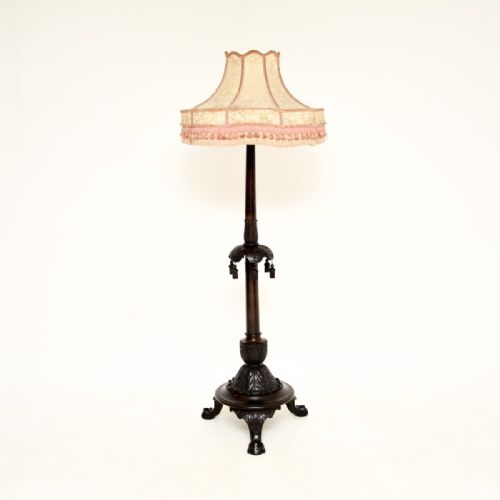
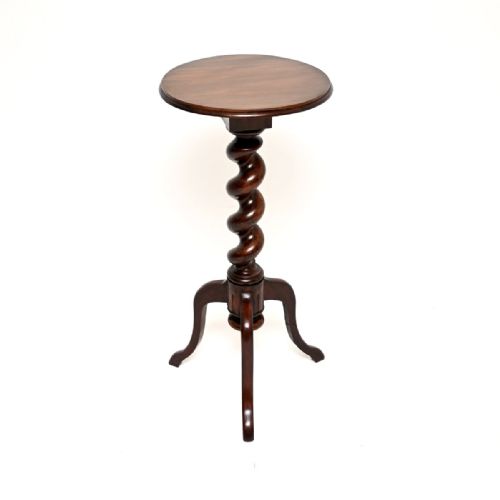
Metal elements, including brass handles, glass panels, and gilded brass mounts, were integrated to enhance both utility and visual appeal. Surfaces often display polished finishes that highlight the depth of the dark wood, sometimes accompanied by carved details, inlay work, or turned components like barley twist supports.
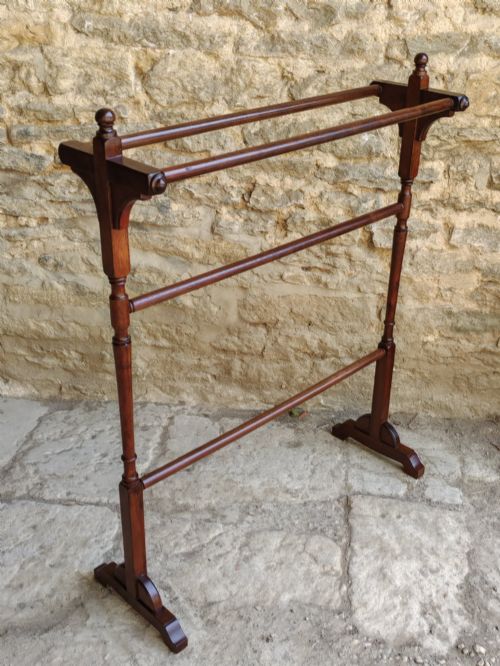
Object forms include bookcases, display cabinets, music cabinets, towel rails, and occasional tables.
What varies in quality
Quality in these pieces rests upon the selection of timber and the precision of the joinery rather than ornamentation alone. Superior examples display carefully matched wood grains and tight, well-executed structural joints that endure without excessive movement or repair.
Gordon of Aberdeen·GM Elwood for JS Henry·Gabriel Viardot·Drevounia
The Dark Wood Stand Glossary
- Cellarette
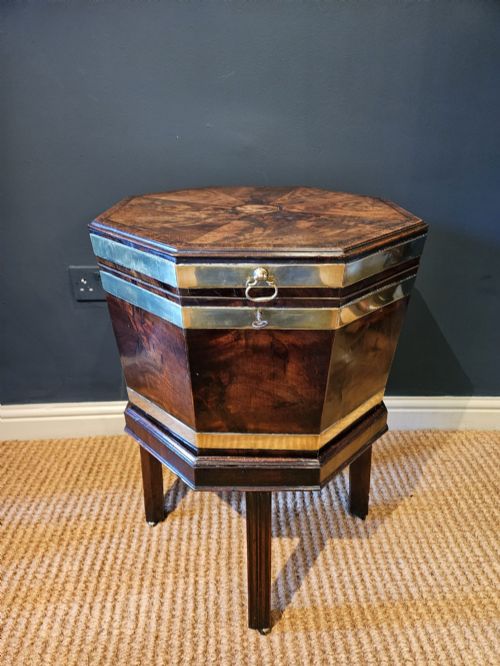
- A lockable container used for storing wine bottles, often fitted with a dedicated stand or frame. These items were placed in dining rooms during the Georgian and Victorian periods.
- Canterbury
- A low, compartmentalised stand used for holding sheet music, books, or newspapers. They often feature slatted sides and low legs, sometimes mounted on castors.
- Astral glazing
- A method of framing glass in cabinet doors using slender wooden bars arranged in geometric patterns. This technique is frequently seen on Georgian and Victorian display pieces.
- Tripod table
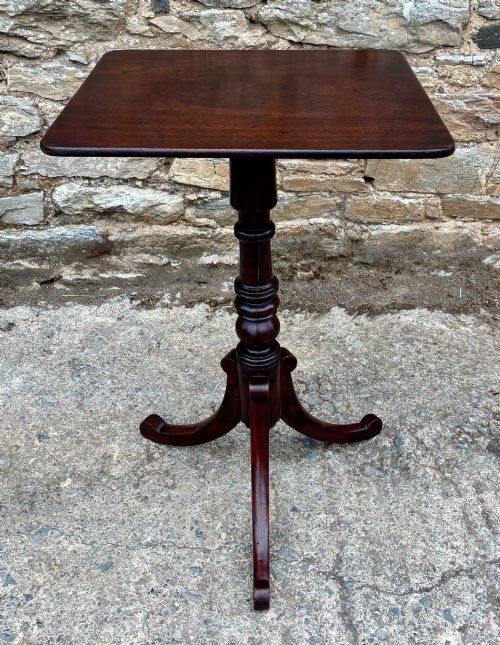
- A small occasional table supported by a pillar above three spreading feet. These versatile stands became popular during the eighteenth century for tea service and general display.
Dark Wood Stand: Frequently Asked Questions
What is a dark wood stand used for?
These pieces function as practical furniture items designed to support books, display collections, or hold domestic accessories like umbrellas and towels. Different forms suit different rooms, from hallway umbrella racks to library bookcases and parlour display cabinets.
Their sturdy construction allows them to bear weight reliably while introducing dark timber tones and period character to an interior space.
How can I tell a Victorian stand from an Edwardian one?
Victorian pieces tend to feature heavier proportions, darker finishes, and more elaborate ornamentation such as deep carvings or barley twist turnings. They reflect a period of confident manufacturing and diverse revival styles.
Edwardian stands often present lighter forms, simpler lines, and sometimes simpler inlays or satinwood banding, reflecting a shift towards airier domestic interiors at the start of the twentieth century.
Are these stands suitable for modern homes?
Their compact footprints and functional designs make them well-suited for contemporary living spaces where display surface and storage are needed. Pieces like revolving bookcases and small side tables integrate easily into modern room layouts.
Mixing antique dark wood with contemporary interiors adds textural contrast and practical utility without overwhelming the room.
What woods were commonly used for these stands?
Cabinet-makers relied primarily on durable hardwoods such as mahogany, oak, rosewood, and walnut for their strength and rich natural appearance. These timbers were chosen for their ability to take a high polish and withstand decades of use.
Secondary woods like pine or beech occasionally appear in concealed areas, while decorative accents might incorporate boxwood inlay or brass fittings.