


Antique Tiered Display Stand
An antique tiered display stand brings vertical elegance to a room, offering multiple levels to exhibit small treasures while saving valuable floor space.
What an antique tiered display stand is
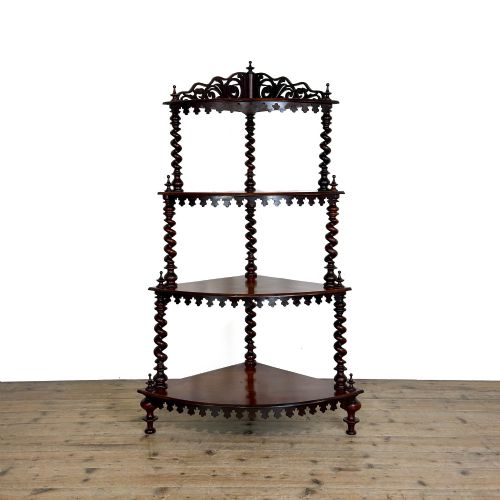
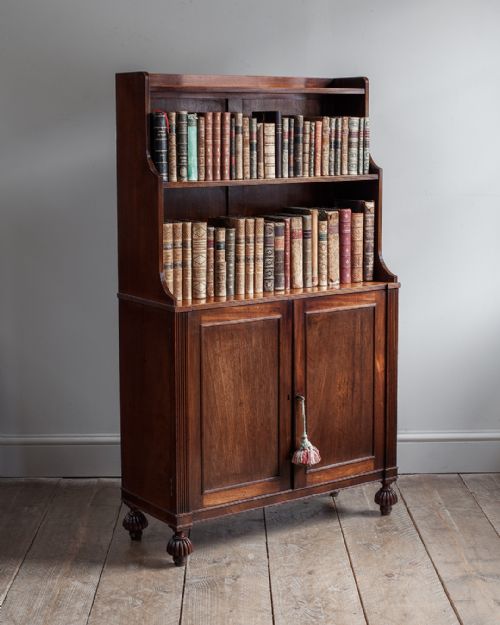
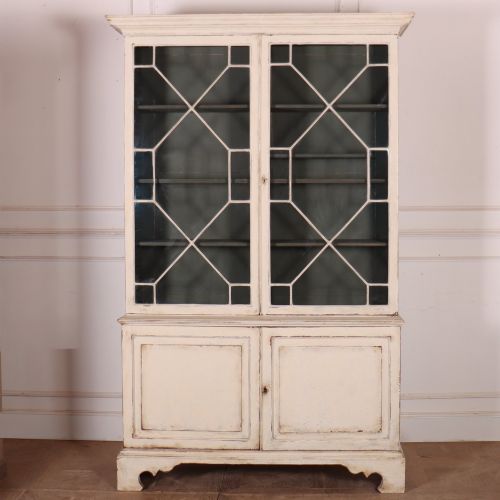
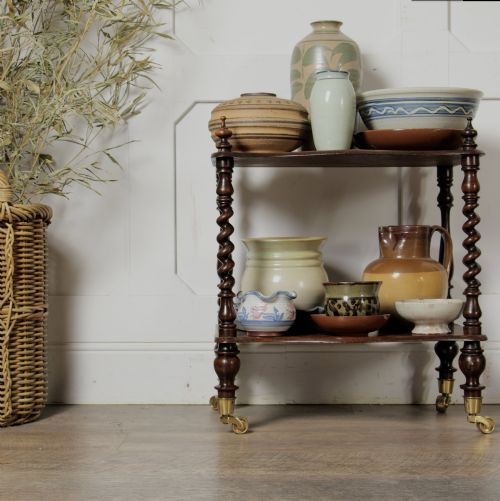
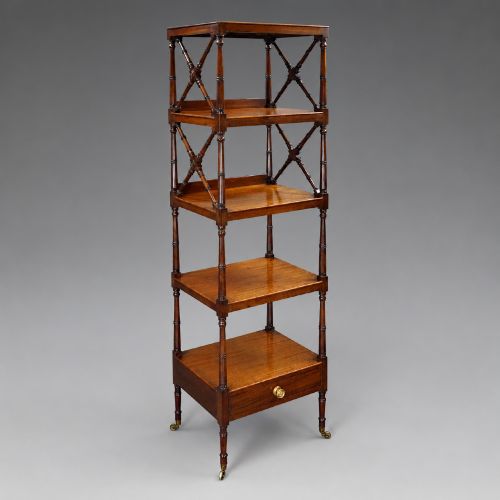
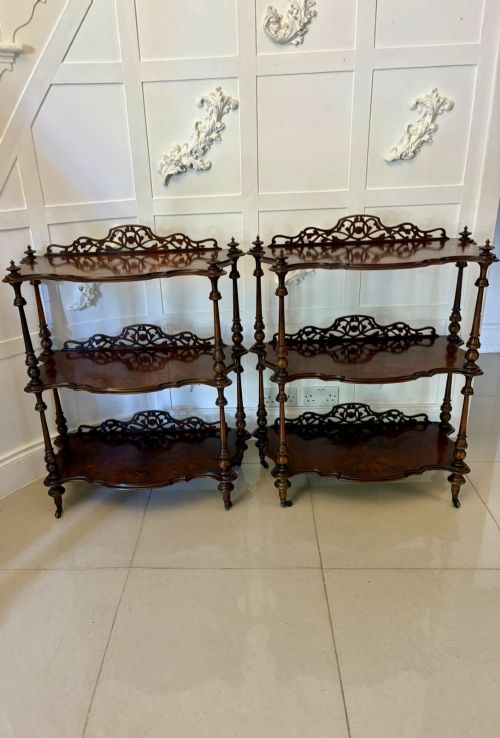
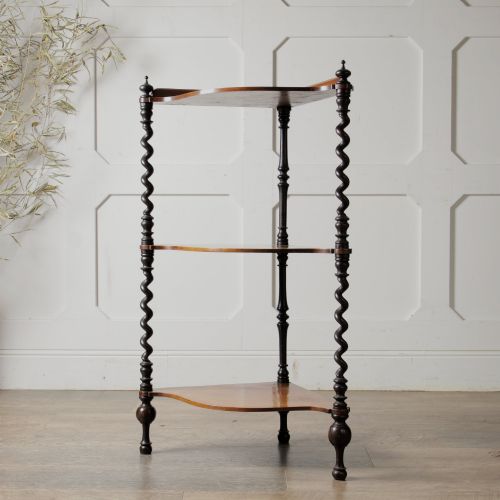
An antique tiered display stand encompasses multi-level furniture pieces such as whatnots, etageres, and occasional tables designed to present objects across stacked surfaces. Buyers searching this phrase encounter examples originating from the Georgian, Regency, and Victorian periods.
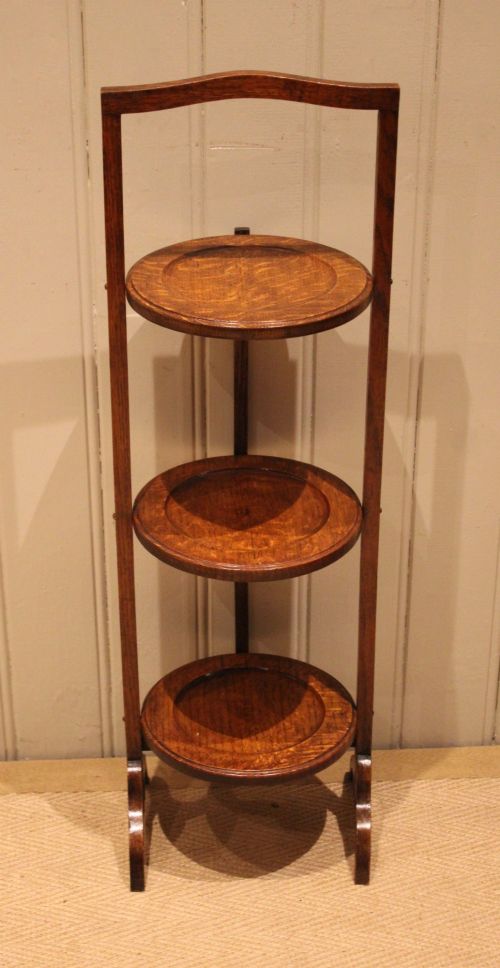
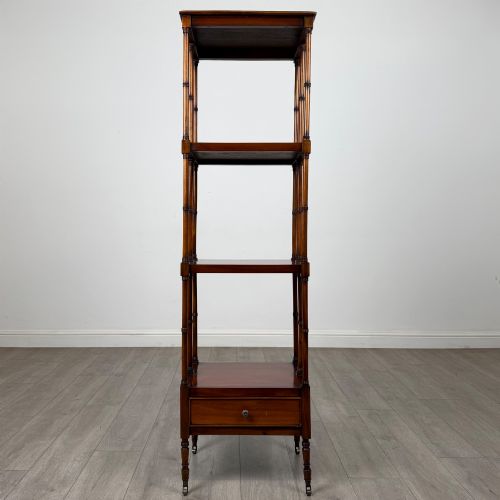
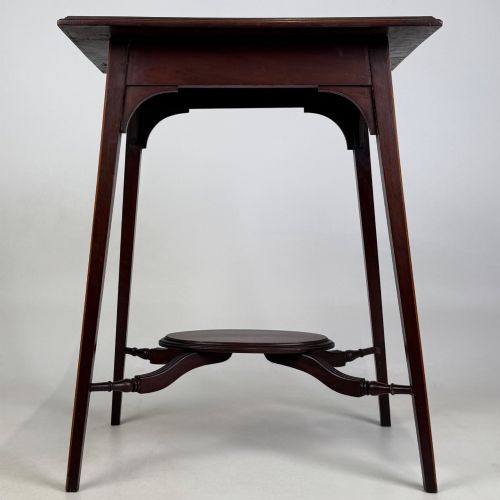
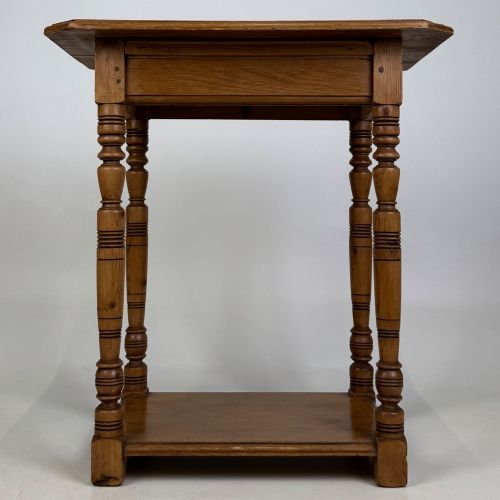
The pieces listed on this page appear predominantly in forms like the classic whatnot and etagere, alongside metamorphic three-tier tables and occasional tables. These structural variants span the nineteenth century, including specific dates from 1860, 1870, and 1890.
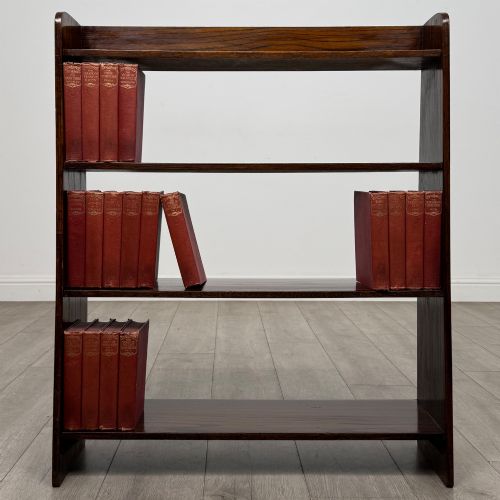
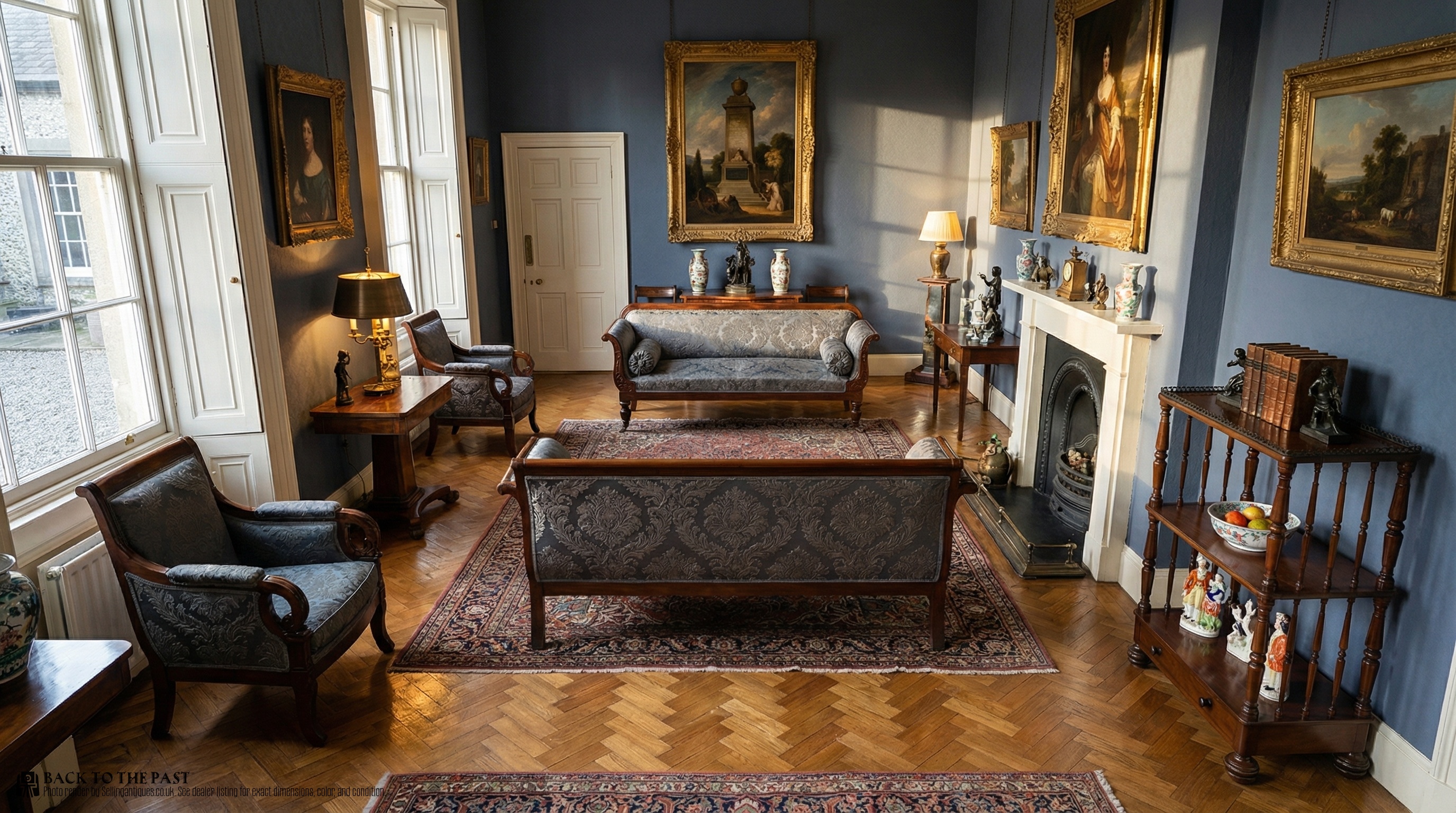
Most items rely on tiered architecture to elevate ornaments, books, or cabinet items within domestic interiors. The forms bridge utility and display, functioning as focal points in period settings.
Materials and construction
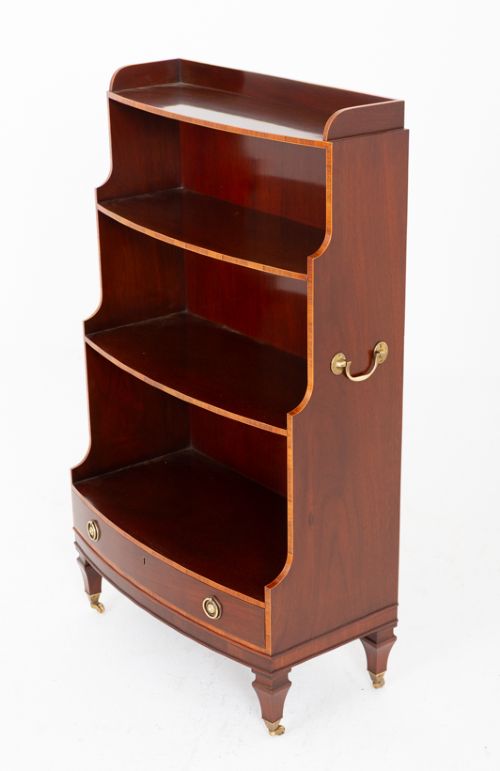
Cabinetmakers utilised a variety of dense hardwoods including mahogany, walnut, burr walnut, rosewood, and satinwood to build these multi-level structures. Brass hardware, ormolu mounts, and glass components supplement the timber frames across various examples.
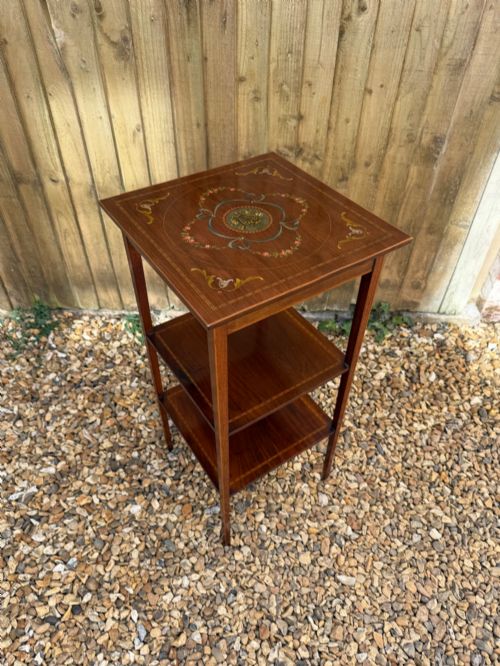
Surface decoration involved marquetry and intricate inlay work, adding visual complexity to the timber grain of walnut and mahogany structures. Certain pieces integrate functional elements such as a single drawer within the timber framework.
Retail Price Guide 2026
Typical UK retail prices for tiered display stand, calculated from the Sellingantiques database of over a million retail prices indexed since 2003. This retail price guide relies exclusively on Sellingantiques data; no external sources or auction records are used, so the figures do not describe the wider market.
Current listings feature Victorian, Georgian, and Regency periods utilising mahogany, walnut, rosewood, and brass.
What separates the fine examples
The choice of timber grain dictates the visual impact of an individual piece, with highly figured burr walnut and richly toned rosewood elevating the status of a stand. Finely executed marquetry and precise inlay work separate standard utility items from more ambitious cabinetmaking.
The Antique Tiered Display Stand Glossary
- Whatnot
- A piece of furniture with shelves for small objects or books. These pieces gained popularity during the nineteenth century for display purposes.
- Marquetry
- Decorative veneer applied to furniture in geometrical patterns or pictures. Craftsmen cut contrasting woods to create detailed surface designs.
- Ormolu
- Gilded bronze used for decorative mounts on furniture. This material provides metallic highlights against dark cabinet timbers.
- Metamorphic
- Furniture designed to change form or function through a mechanical action. These clever pieces transform between tables and tiered stands.
Frequently Asked Questions
What is an antique tiered display stand?
These pieces are multi-level furniture items built to display ornaments and objects across stacked surfaces.
They appear in forms such as whatnots, etageres, and occasional tables from Georgian and Victorian eras.
How were these stands used originally?
Original owners placed them in parlours and drawing rooms to hold decorative ceramics, silver, and small books.
The vertical design allowed maximum display capability without taking up excessive floor area.
Which woods appear most frequently?
Cabinetmakers relied heavily on mahogany, walnut, and rosewood for their strength and rich colour.
More decorative examples incorporate burr walnut, satinwood veneers, and marquetry inlay.
How do I date a tiered stand?
Dating relies on identifying stylistic markers from periods like George III, Regency, and Victorian.
Construction methods and timber choices further clarify whether a piece originates from the early nineteenth century or later decades.