


Burr Walnut Display Stand
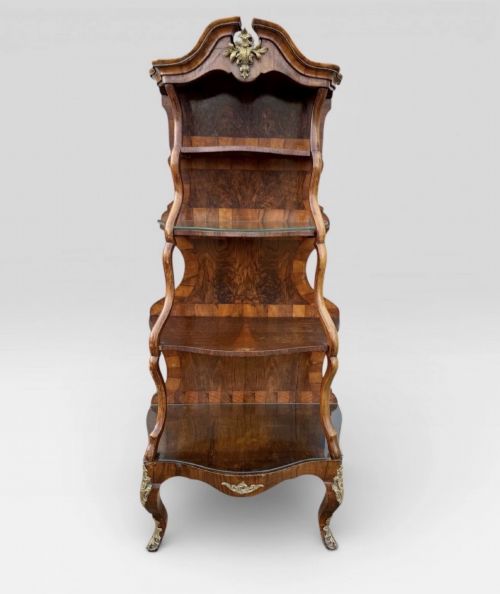
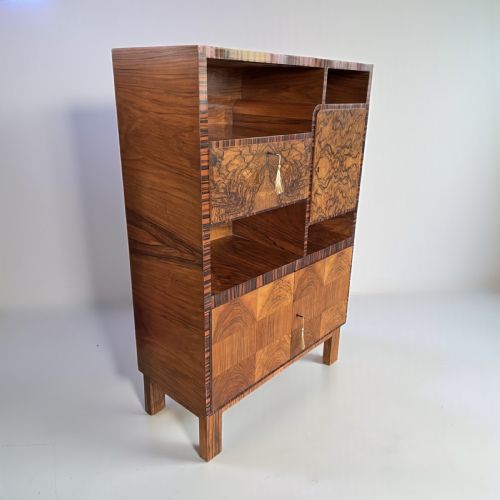
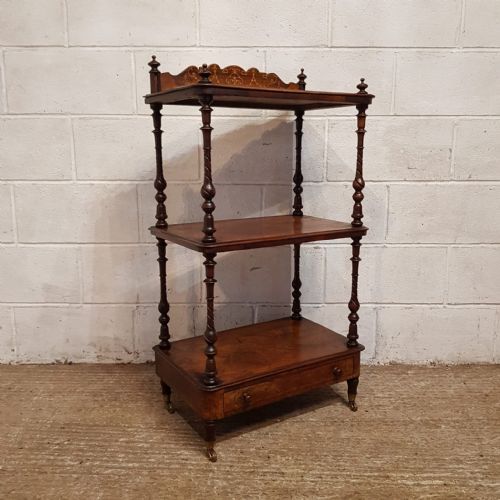
These burr walnut display stand pieces bring figured grain and tiers to a room, offering elevated display space.
Burr Walnut Display Stand
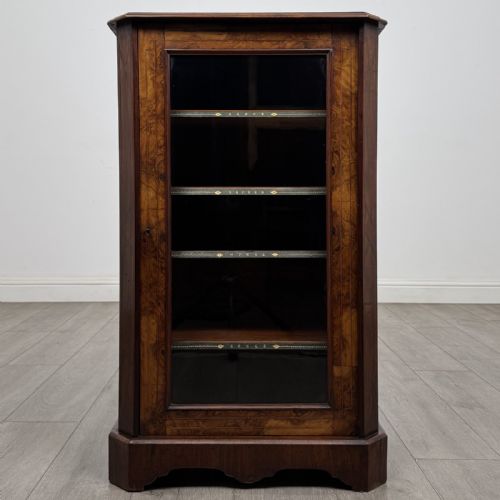
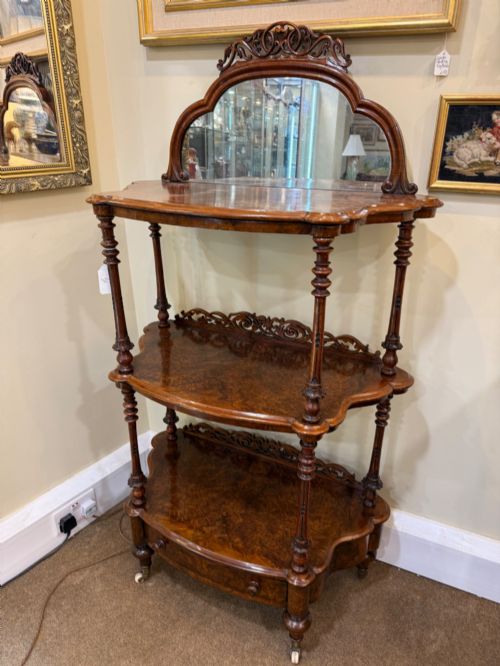
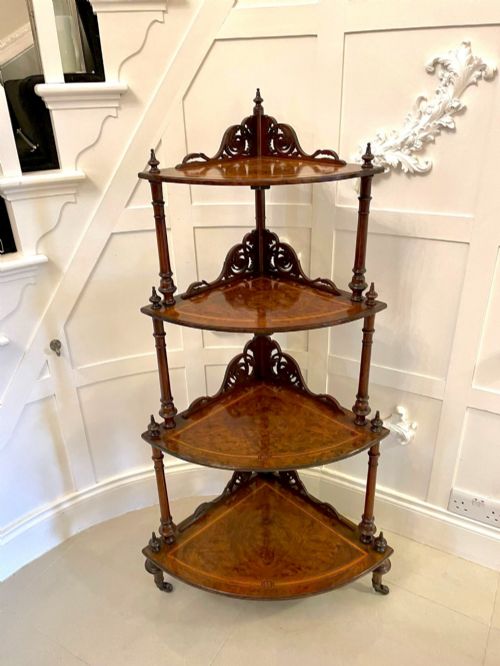
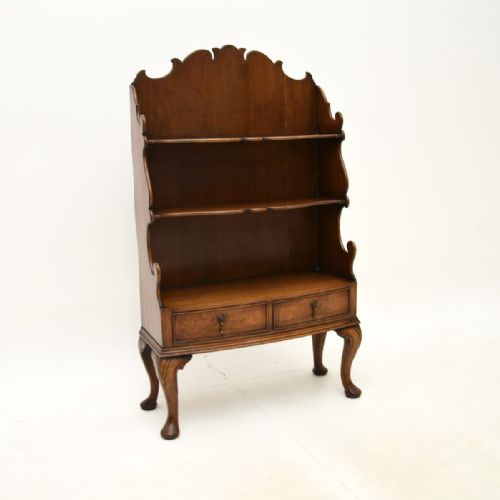
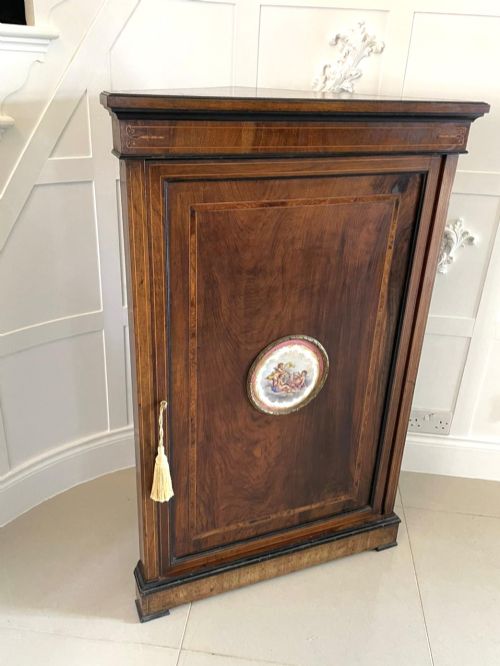
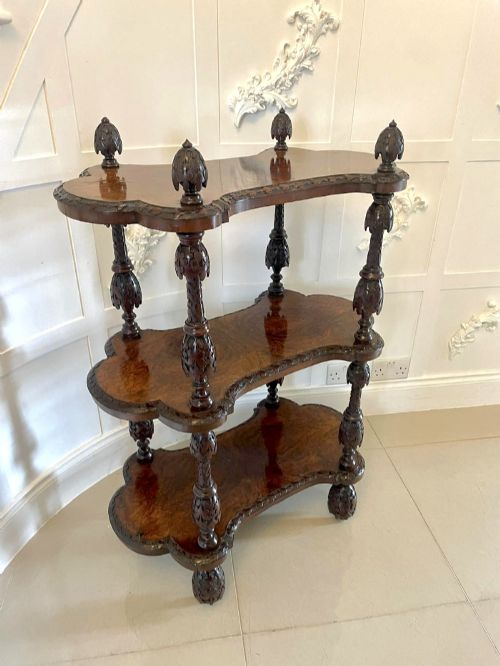
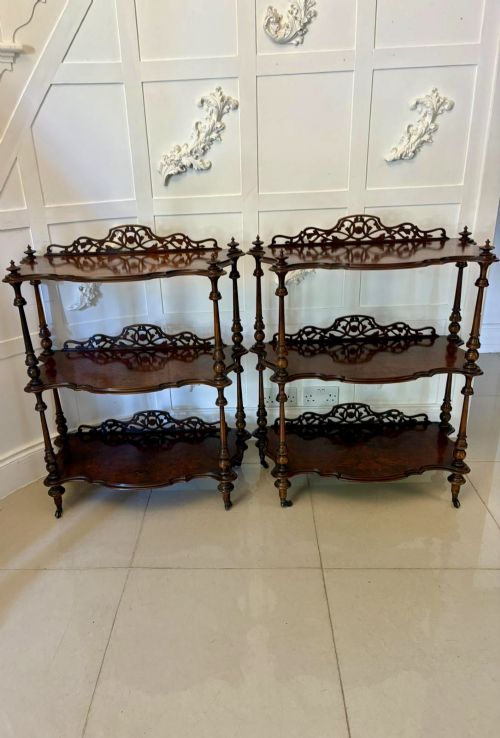
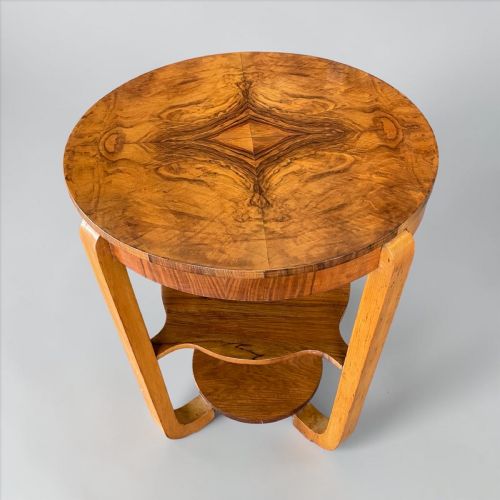
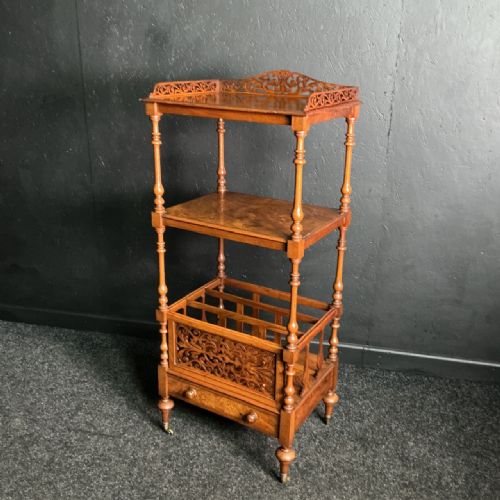
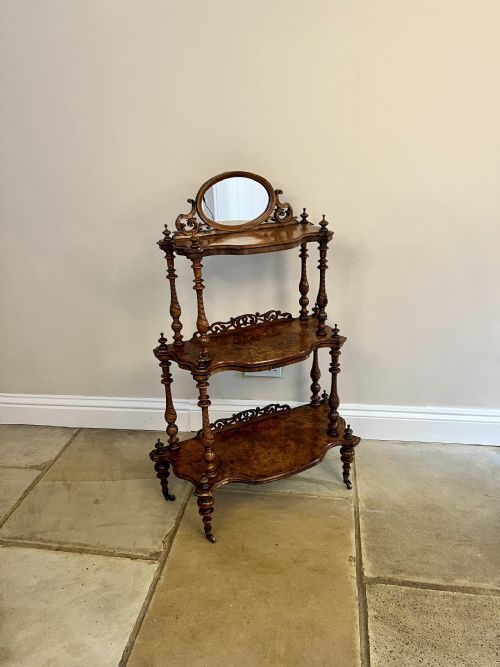
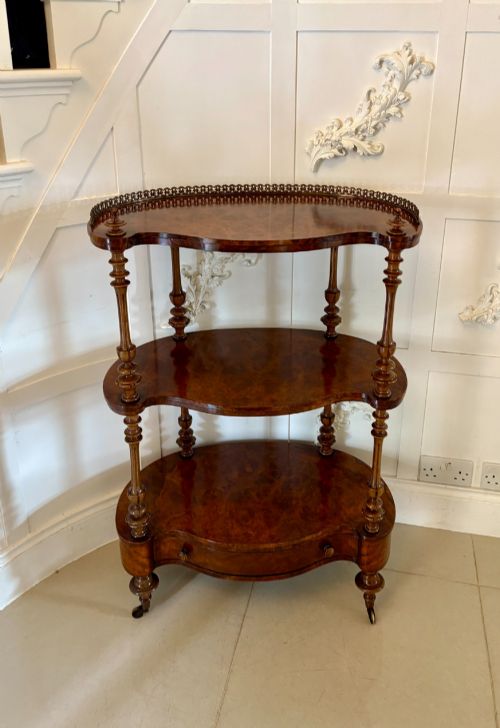
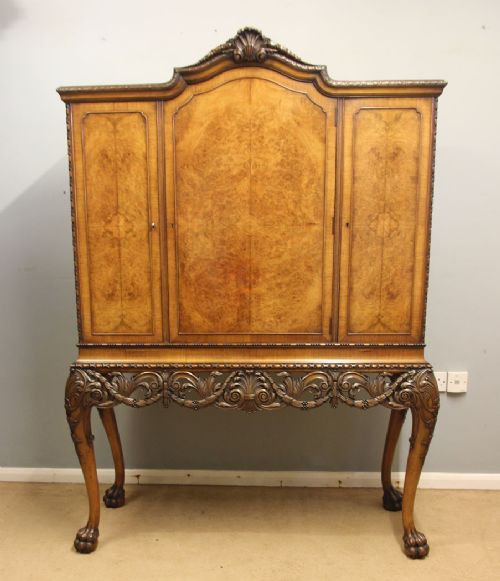
A burr walnut display stand or whatnot provides tiered shelving and display surfaces for decorative objects and books. The forms seen across listings and archives include whatnots, etageres, side tables, and display cabinets on stands, mostly originating from the Victorian period.
Buyers are most likely to encounter tiered whatnots and etageres dating from the mid to late nineteenth century. These multi-tiered items utilise the decorative figured grain of walnut to create striking vertical furniture for period interiors.
How they were made
Cabinet makers utilised burr walnut veneers over solid timber carcases to achieve rich patterning across the shelves and panels. Additional decorative elements such as brass mounts, ormolu, marquetry inlay, and glazed doors appear on finer examples from the period.
Construction methods rely on traditional joinery to support multiple tiers, columns, and glazed enclosures. Timber selection focused on highly figured burr sections of the walnut tree, arranged symmetrically to enhance the visual impact of the display surfaces.
Burr Walnut Display Stand Retail Price Guide 2026
Typical asking prices for burr walnut display stand among the pieces listed under this phrase on Sellingantiques today, from the lower quarter to the upper quarter. They describe what is for sale here now, not the wider market.
Some nineteenth-century whatnots were grand enough to command workshops to sign them, leaving makers proud of their tiered creations.
What varies in quality
Quality differences rest primarily in the choice and symmetry of the burr walnut veneer, alongside the complexity of the form. Elaborate marquetry inlay, ormolu mounts, and multiple tiers elevate an ordinary stand into a piece of finer craftsmanship.
The architectural detailing of the supports, whether turned columns or delicate corner posts, distinguishes standard items from exceptional ones. Attribution to known makers further defines the upper tier of surviving examples.
Holland and Sons
The Burr Walnut Display Stand Glossary
- Burr walnut
- A veneer sliced from the knotty, distorted growths on walnut trees, prized for its swirling grain patterns. It creates a highly decorative surface on Victorian furniture.
- Whatnot
- A piece of furniture featuring multiple open shelves designed for displaying ornaments or books. These tiered stands date predominantly from the nineteenth century.
- Etagere
- A piece of furniture consisting of a set of open shelves for displaying small objects. The term is often used interchangeably with whatnot in nineteenth-century contexts.
- Marquetry
- The art of applying decorative pieces of veneer to a structure to form intricate patterns. This technique appears on the surfaces of finer Victorian display pieces.
- Ormolu
- Gilded bronze mounts applied as decorative ornaments on furniture. It adorns the most elaborate nineteenth-century display cabinets and bookcases.
Burr Walnut Display Stand: Frequently Asked Questions
What is a burr walnut display stand?
A burr walnut display stand is a piece of tiered furniture, such as a whatnot or etagere, used for showing decorative objects. They make use of highly figured walnut veneer.
These pieces date mostly from the nineteenth century and provide functional vertical display space in a room.
How do I date a Victorian display stand?
Dating relies on examining construction methods, timber choice, and stylistic markers typical of the nineteenth century. Pieces often feature turned supports and distinct Victorian proportions.
Comparing the specific tiered configuration and decorative inlay with known examples helps narrow down the decade of manufacture.
Where should I place a whatnot?
Whatnots fit well in reception rooms, libraries, or hallways where their multiple tiers can hold decorative items. Their compact footprints suit corners or wall spaces.
Ensure the stand is placed away from direct sunlight to protect the delicate burr walnut veneer from fading.
What is the difference between a whatnot and an etagere?
Both terms describe tiered shelving furniture designed for display, though etagere often leans toward French-influenced designs. In nineteenth-century British furniture, they share very similar functions.
Listings often group these terms together based on the number of open tiers and the presence of display surfaces.