

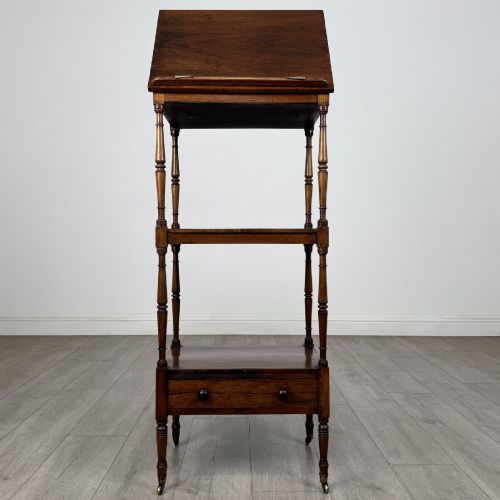

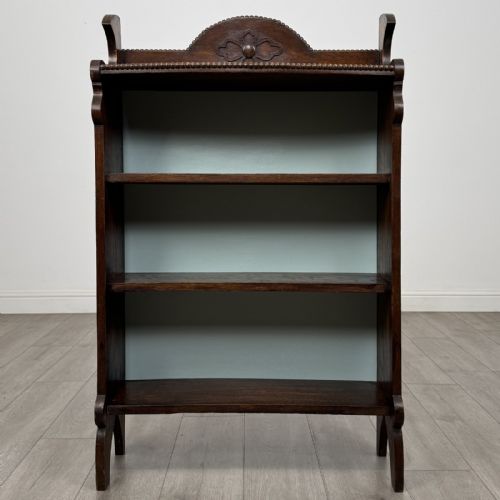


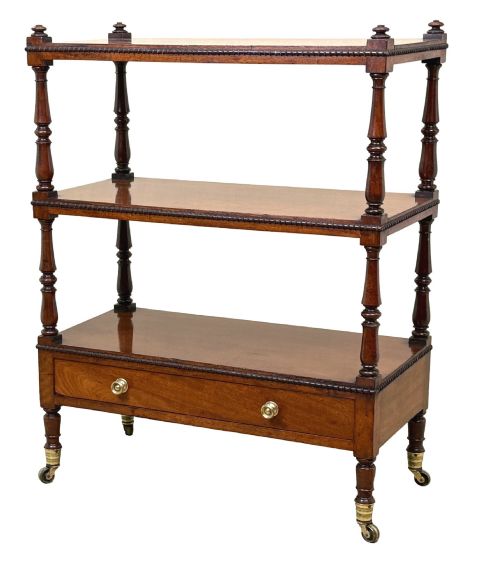
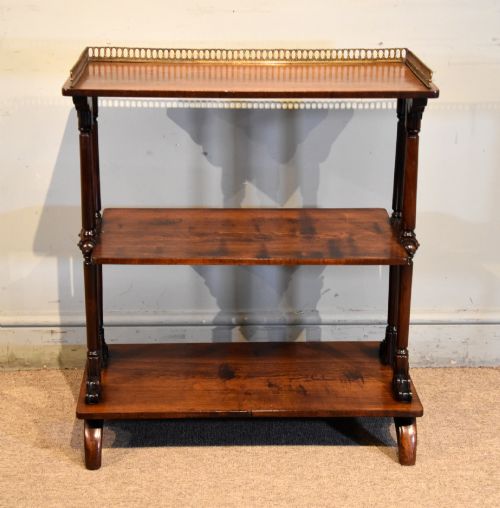

Three Tier Shelf Unit
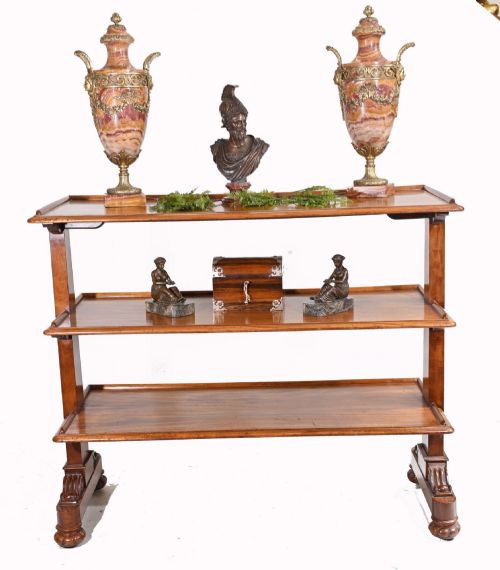
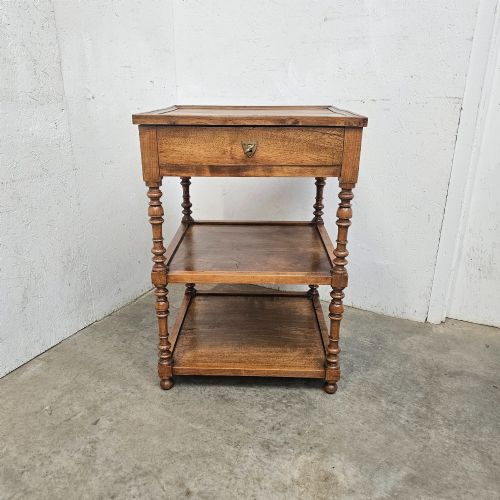
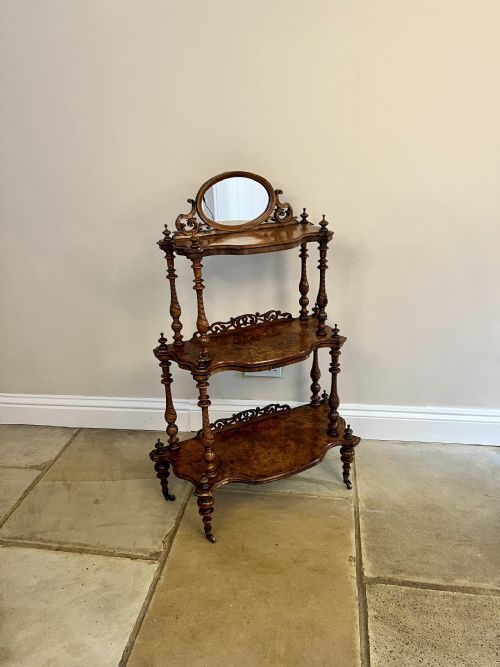
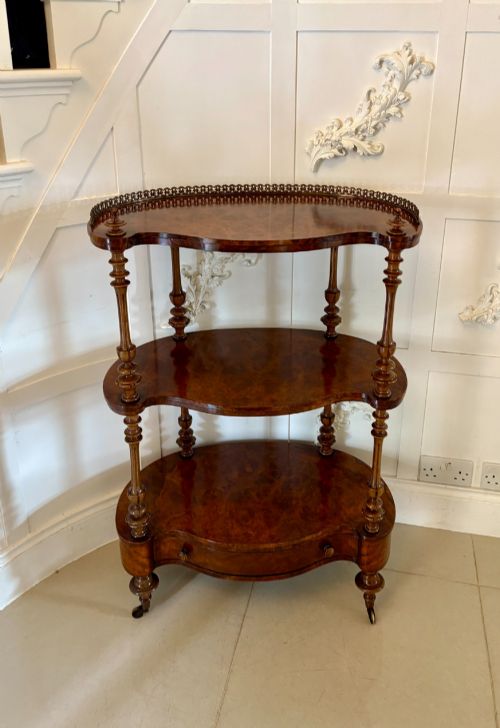
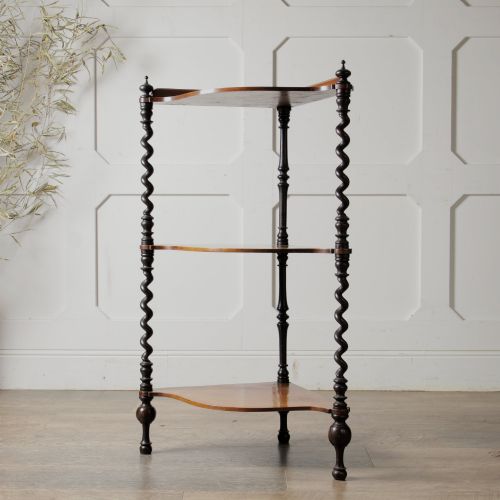
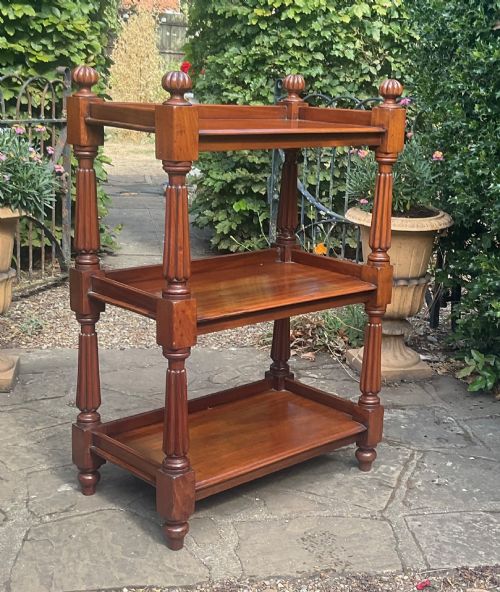
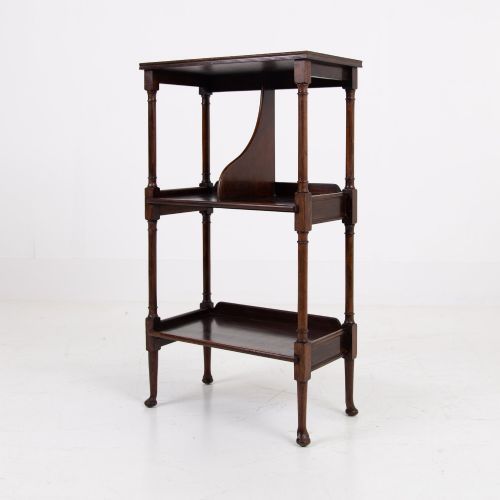
A three tier shelf unit provides adaptable open display space, bringing tiered timber tiers and turned uprights to period interiors.
Three Tier Shelf Unit
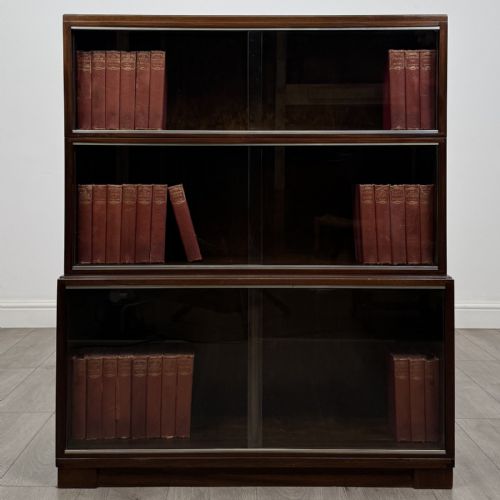
A three tier shelf unit comprises stacked open tiers designed for displaying ceramics, books or decorative objects across domestic spaces. When you search for a three tier shelf unit, you encounter multiple iterations spanning distinct centuries and regional workshops.
The selections span traditional whatnots, etageres, buffets and wall hanging shelves produced in walnut, mahogany, oak and rosewood. Victorian and Regency examples dominate the material record, frequently incorporating turned supports and castor wheels.
Makers utilised timber varieties suited to domestic display, ranging from figured burr walnut to dense rosewood and lighter pine. These forms serve practical storage needs while functioning as decorative centrepieces in sitting rooms and libraries.
Materials and construction
Cabinet makers constructed these tier systems primarily from solid and veneered timbers including mahogany, walnut, rosewood and oak, complemented by brass mounts and castors. Timber selection dictated the structural weight and visual grain pattern of each tiered platform.
Joinery techniques involved precise turning for upright supports, substantial vertical pillars, and secure shelf pegging to bear the weight of stacked volumes and decorative ornaments. Certain items incorporate adjustable mechanisms and serpentine shaping to refine the silhouette.
Three Tier Shelf Unit Retail Price Guide 2026
Typical asking prices for three tier shelf unit among the pieces listed under this phrase on Sellingantiques today, from the lower quarter to the upper quarter. They describe what is for sale here now, not the wider market.
Certain Victorian wall shelves and corner whatnots were designed to keep precious knick-knacks safe from enthusiastic household dusting.
Determining quality
Superior examples distinguish themselves through the choice of figured timber veneers, such as burr walnut or rosewood, balanced against solid framing and robust joint construction. The crispness of carved details and the presence of original brass castors elevate a piece above standard utility items.
Proportion and execution define the hierarchy among these tiered stands, where refined serpentine shaping and well-proportioned turning reflect skilled cabinet work. Lesser specimens rely on plain pine or unfigured secondary woods with minimal decorative embellishment.
Heals
The Three Tier Shelf Unit Glossary
- Whatnot
- A movable set of open shelves used for displaying ornaments and small objects, developed in the eighteenth century and widely produced throughout the Victorian period.
- Etagere
- A piece of furniture consisting of a set of open shelves for displaying articles, typically originating in France during the nineteenth century.
- Buffet
- A tiered shelving unit or side table designed for serving or display, frequently constructed in mahogany or teak during the nineteenth century.
- Burr walnut
- A prized timber veneer showing intricate, swirling grain patterns formed from walnut tree growths, utilised on high-quality Victorian cabinet work.
- Castor
- A small wheel mounted on a swivel assembly attached to the base of furniture legs to permit rolling movement.
Three Tier Shelf Unit: Frequently Asked Questions
Where should I place a three tier shelf unit?
These units suit living rooms, studies or hallways where open access to displayed books or decorative objects is required. Their compact footprint allows them to fit against walls or function as freestanding centrepieces.
Ensure the timber is kept away from direct heat sources and strong sunlight to prevent the veneer from drying or fading over decades of domestic use.
How do I identify a Victorian three tier shelf unit?
Victorian iterations typically feature dense timbers like mahogany or burr walnut, often paired with turned upright supports and original brass castors. Many incorporate multiple tiers designed specifically for display.
Construction methods from this era include hand-cut joints and distinct timber grain patterns that differentiate them from later revival pieces.
What is the difference between an etagere and a whatnot?
While both terms describe multi-tiered shelving units, an etagere often has French origins with lighter proportions and decorative turned legs. A whatnot is traditionally an English form associated with Victorian and Regency sitting rooms.
Both serve the primary function of vertical display but reflect different regional cabinetry traditions of the nineteenth century.
Can these shelves support heavy books?
Most antique tiers are designed for lighter decorative objects, ceramics or modest collections of books rather than heavy architectural volumes. Freestanding walnut and mahogany versions provide stable platforms when placed on level flooring.
Examine the thickness of the timber shelves and the strength of the supporting uprights before loading them with substantial weight.