



Mahogany Sarcophagus Cooler
Mahogany sarcophagus cooler designs bring classical architectural gravitas to dining spaces while storing wine in period style.
Mahogany Sarcophagus Cooler
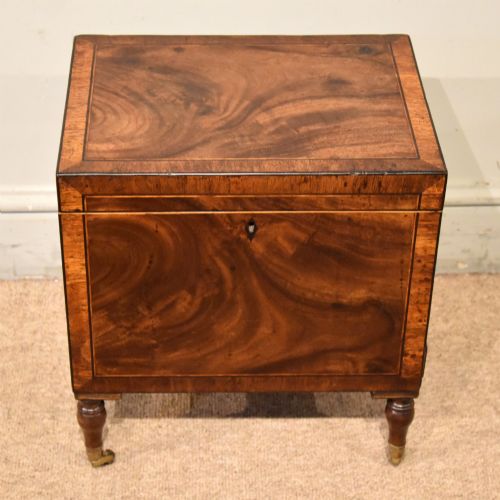
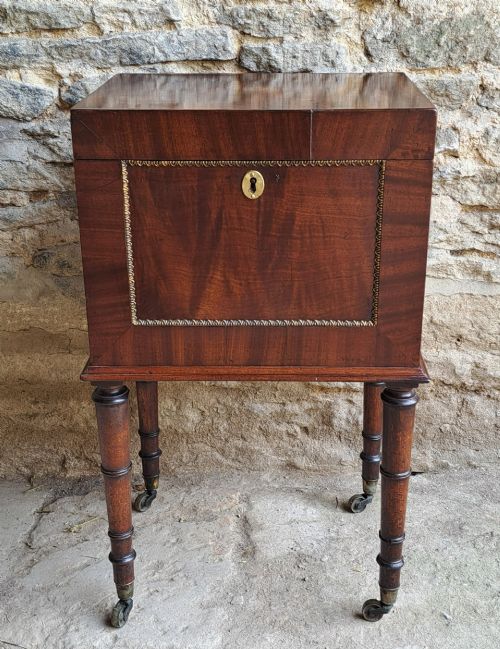
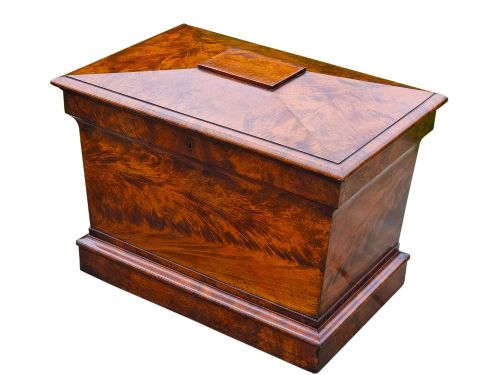
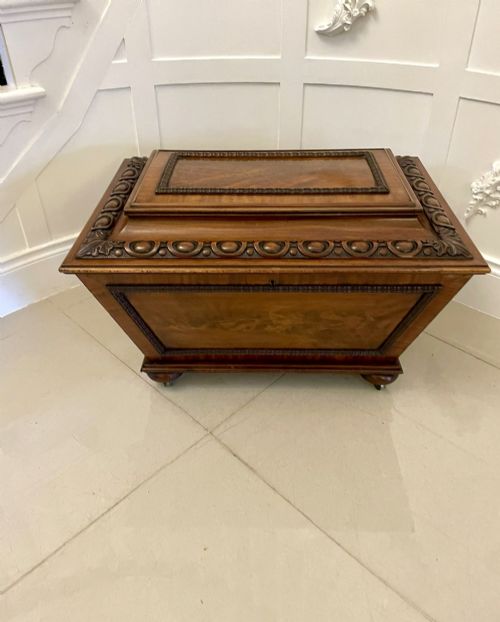
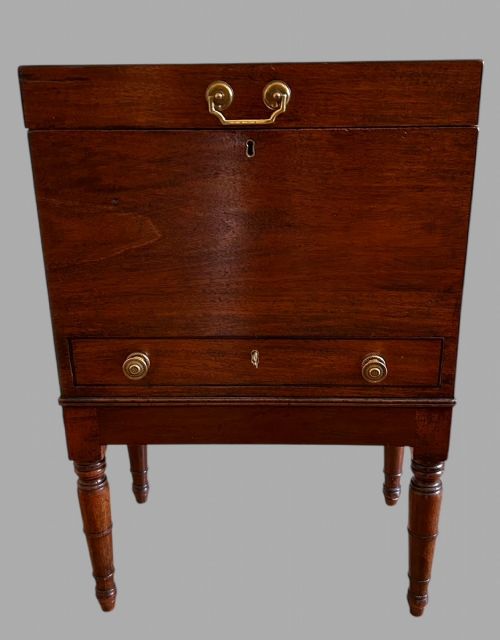
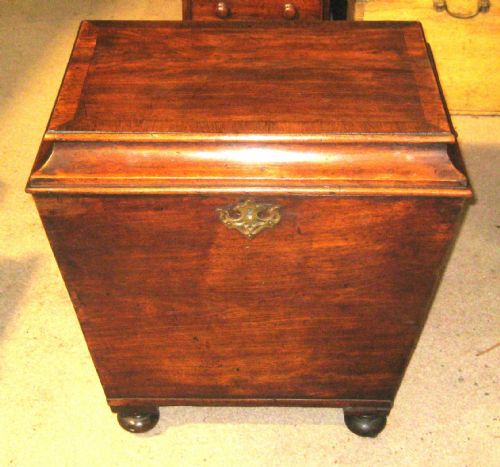
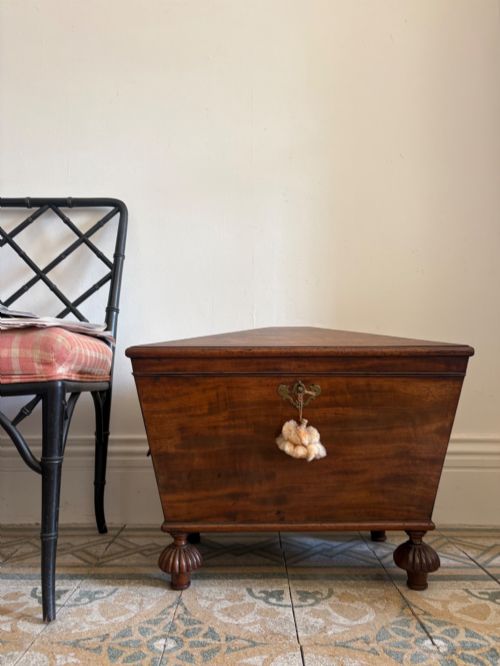
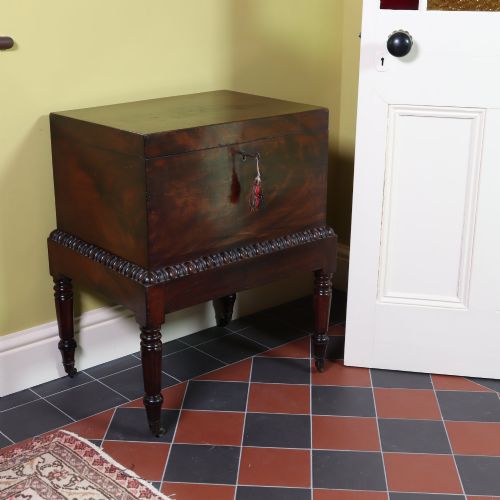
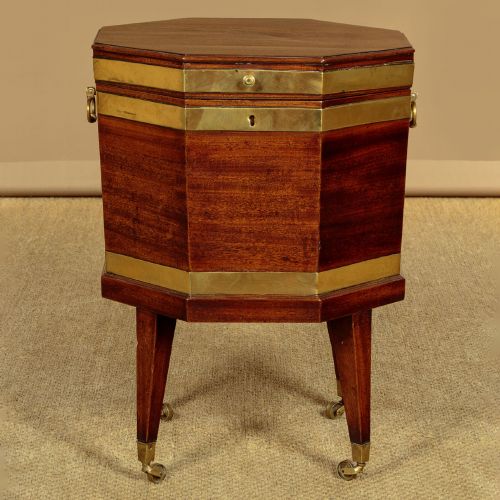
A mahogany sarcophagus cooler is a specialised container built to hold bottles and ice, taking its architectural shape from ancient burial monuments. These pieces emerge predominantly across the Georgian, Regency, and William IV periods, extending into Victorian and Edwardian iterations.
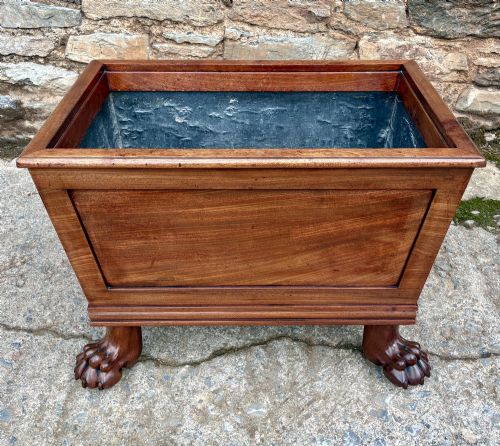
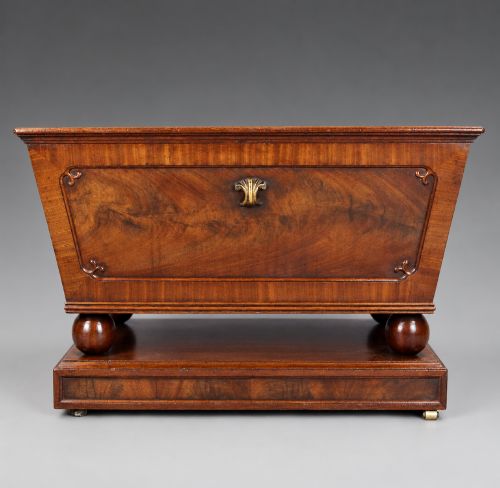
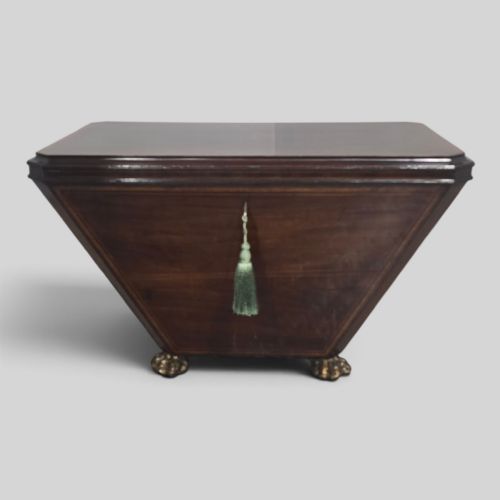
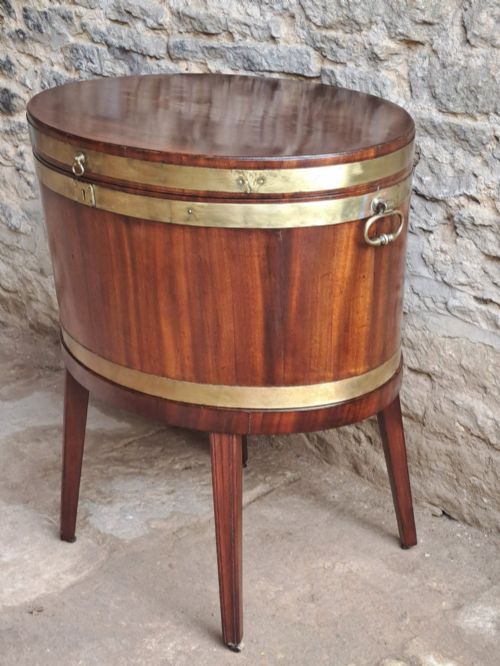
Makers construct these forms with a heavy body tapering towards a plinth or resting on substantial feet, often incorporating metal liners for cooling purposes. Buyers frequently encounter examples bearing the characteristic sarcophagus profile during the early nineteenth century.
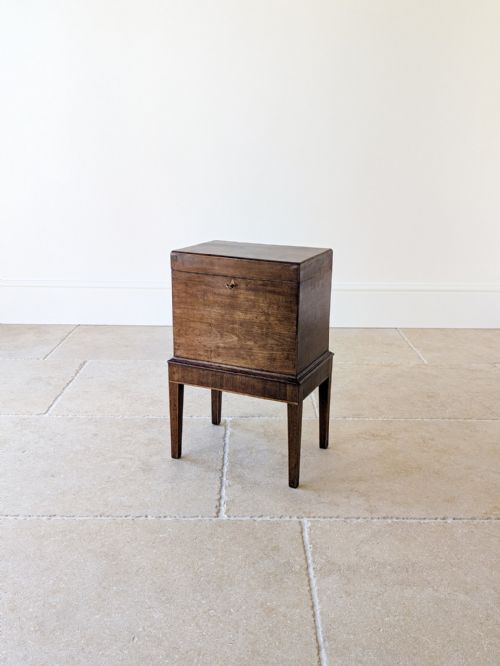
The category overlaps closely with cellarettes and wine coolers, sharing identical storage functions beneath hinged lids. Surviving items demonstrate a clear lineage from eighteenth-century origins through to revival interpretations.
Materials and construction methods
Cabinetmakers select dense timber such as standard and flame mahogany, occasionally utilising Cuban varieties, to build the substantial carcass. Surfaces often display meticulous figure grain alongside contrasting boxwood inlay or ebonised wood details.
Metal components play a structural and decorative role, featuring brass bands, cast ormolu mounts, and original lead liners intended to hold melting ice. Carved wooden elements, including paw feet and classical motifs, complete the assembly.
Mahogany Sarcophagus Cooler Retail Price Guide 2026
Typical asking prices for mahogany sarcophagus cooler among the pieces listed under this phrase on Sellingantiques today, from the lower quarter to the upper quarter. They describe what is for sale here now, not the wider market.
Some coolers retain internal lead divisions so guests could debate vintages while ice melted silently beneath the mahogany lid.
Distinguishing quality factors
The standard of a cooler rests upon the choice of timber figure and the precision of cabinet joinery, where finely figured flame mahogany and crisp carving separate exceptional pieces from simpler utilitarian boxes. Secondary woods, internal lead linings, and the integrity of brass mountings indicate the level of workshop attention.
Proportion and architectural balance dictate aesthetic success, as does the presence of documented maker attribution or well-executed classical details like ormolu mounts. Pieces retaining their original internal fittings command greater consideration among collectors.
Edwards and Roberts·Gillows·Wilkinson
The Mahogany Sarcophagus Cooler Glossary
- Cellarette
- A lockable container designed for holding bottles of wine and spirits beneath a secure lid. These receptacles sat beneath the dining table or beside the sideboard during formal meals.
- Flame mahogany
- A highly decorative veneer cut from timber where the grain diverges to create flickering flame-like patterns. Cabinetmakers reserve this prized material for primary exterior surfaces.
- Ormolu
- Gilded bronze mounts applied to furniture for decorative enrichment during the Regency and Georgian eras. This technique adds metallic contrast to the dark timber.
- Sarcophagus
- An architectural box form with a sloping lid, mimicking ancient stone coffins popularised during the classical revival. Makers adopted this monumental shape for domestic wine storage.
Mahogany Sarcophagus Cooler: Frequently Asked Questions
What is a mahogany sarcophagus cooler?
A mahogany sarcophagus cooler is a lidded container fashioned in the shape of a classical tomb, built to store and chill wine during the Georgian and Regency periods.
These pieces combine functional metal linings with sophisticated cabinetmaking, serving as decorative storage beneath the dining room sideboard.
How were these coolers used historically?
Staff filled the internal lead compartments with ice and water to chill wine bottles before or during formal dining services.
Once dining concluded, the lockable lids kept expensive spirits and vintages secure from household servants.
How do I date a mahogany cooler?
Dating relies on stylistic markers such as the presence of classical ormolu mounts, heavy brass banding, or carved paw feet typical of Regency and William IV design.
Earlier eighteenth-century examples tend towards simpler proportions, while Victorian iterations often revive these classical lines with heavier ornamentation.
Where should I place a cooler at home?
These pieces function well as freestanding statement items in a dining room, living space, or hallway, often serving as side tables.
The flat top surface allows lamps or decorative objects to rest above, while the interior provides concealed storage.