
Mahogany Pedestal Tea Table
A mahogany pedestal tea table brings a central column and folding or tilting top into a room, offering adaptable service with classic timber grain.

Mahogany Pedestal Tea Table
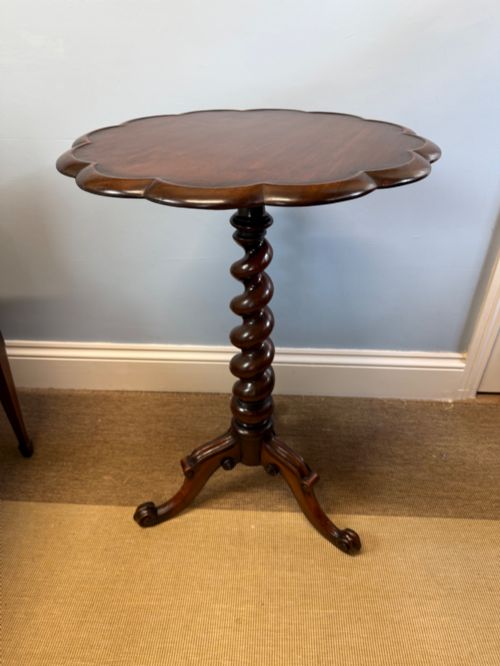
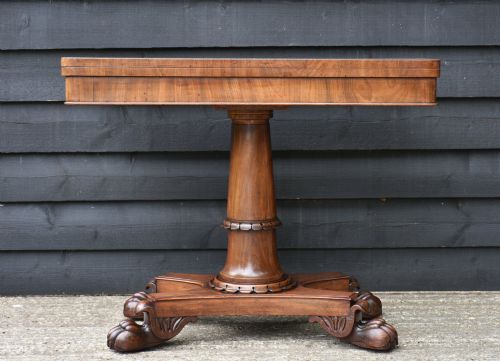
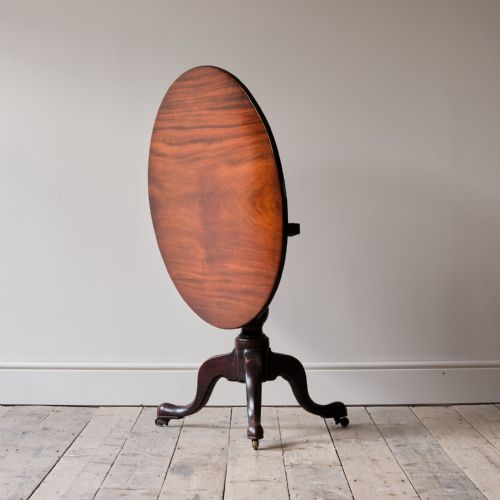
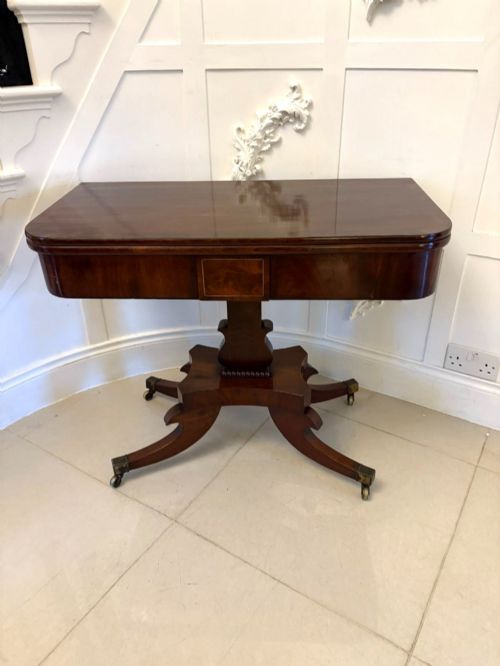
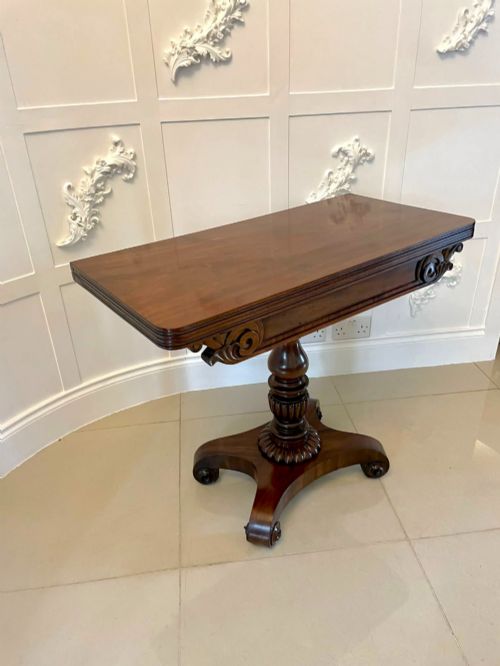
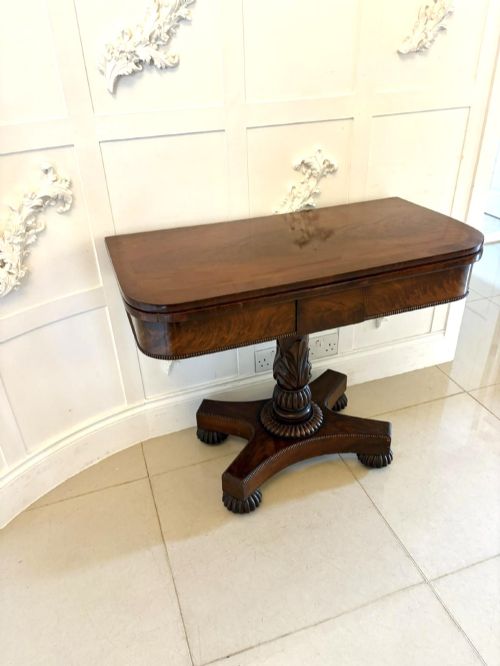
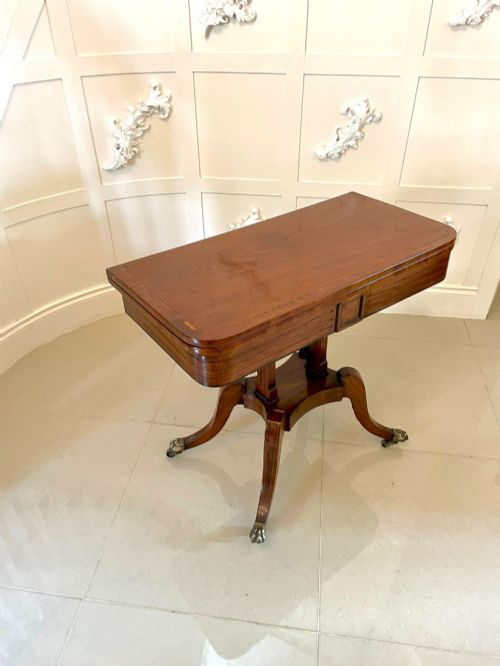
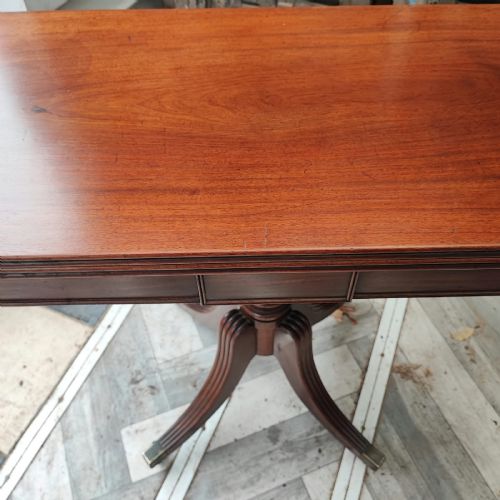
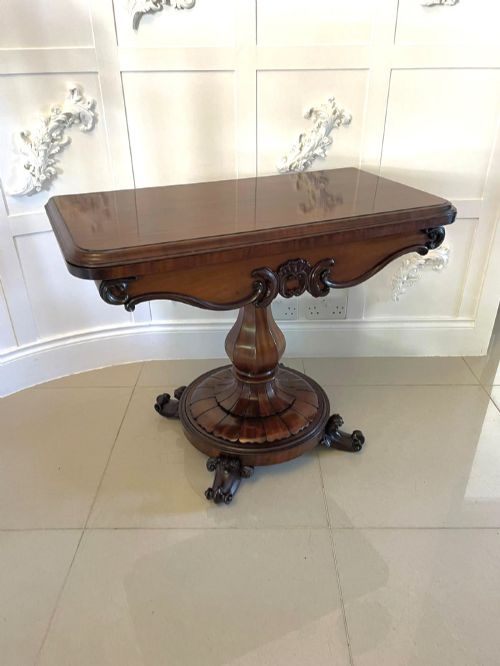
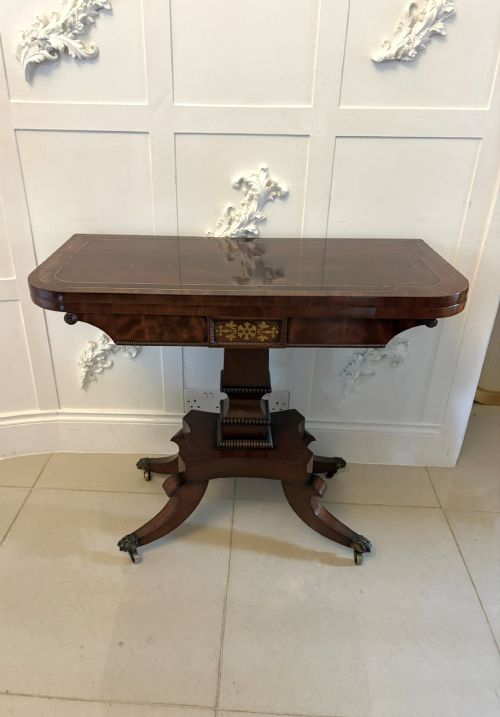
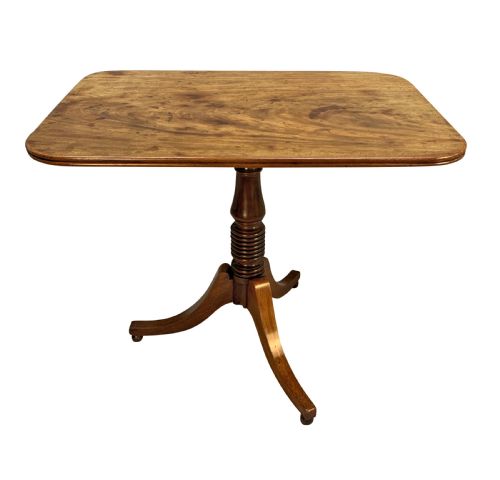
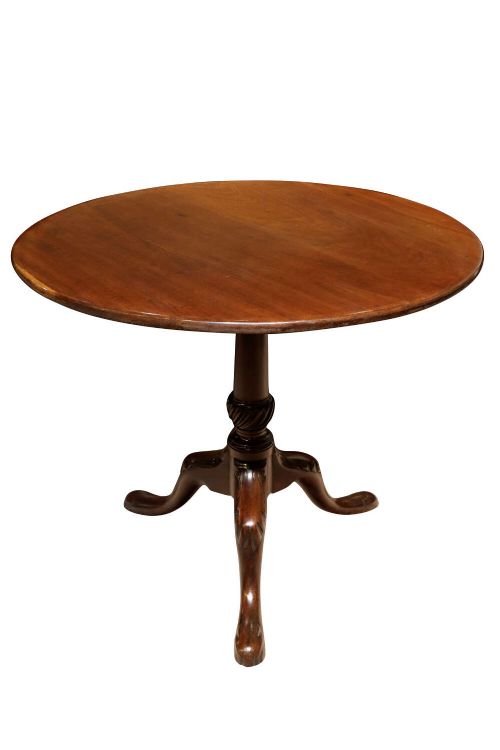
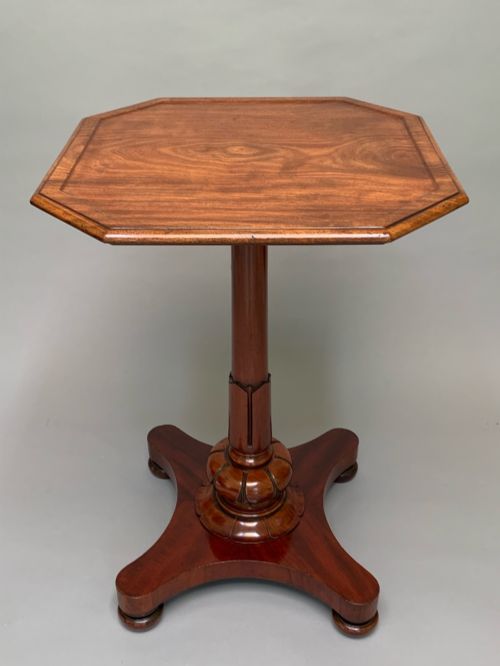
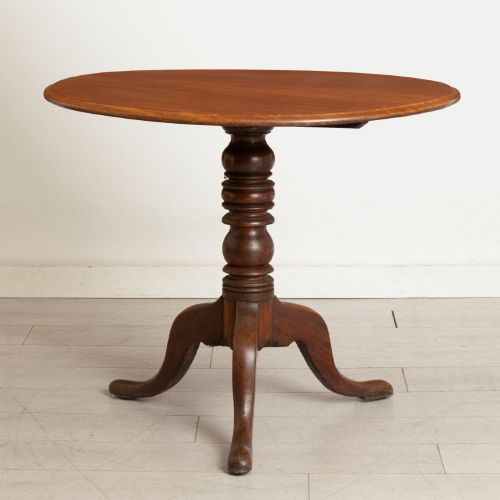
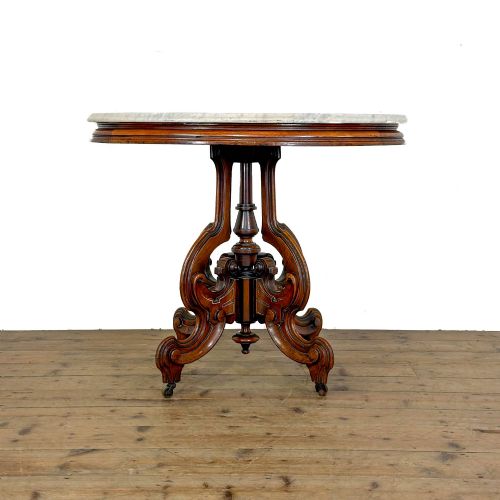
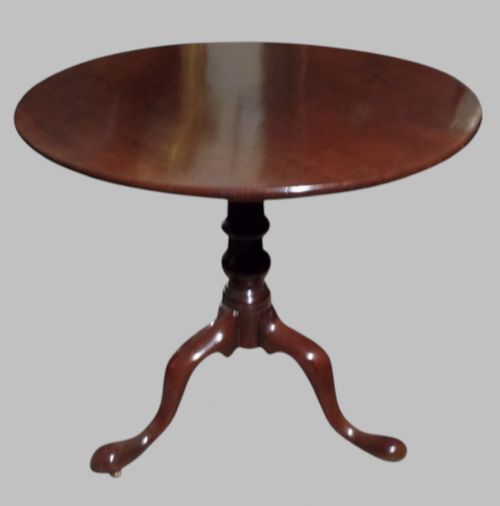
A mahogany pedestal tea table is a central pillar support piece designed for parlour service, appearing frequently across Georgian, Regency, and Victorian periods. You will encounter these tables in various configurations, including fold-over surfaces, tilt-top mechanisms, and fixed circular tops mounted on tripod or plinth bases.
The form spans centuries of British cabinet making, utilising Cuban mahogany, flame veneers, and solid timbers. These tables function equally well as occasional surfaces, side furniture, and conversational centerpieces within a traditional interior.
How they were made
Cabinet makers selected dense mahogany timbers, frequently applying figured veneers like flame mahogany to the surfaces for visual depth. Structural elements relied on solid turnings for the central pedestals, supported by tripod legs or heavier platform bases with brass castors.
Inlay work incorporated satinwood and brass details into the timber borders, while specialised joinery enabled tilting tops and fold-over mechanisms to function smoothly without losing stability.
Mahogany Pedestal Tea Table Retail Price Guide 2026
Typical asking prices for mahogany pedestal tea table among the pieces listed under this phrase on Sellingantiques today, from the lower quarter to the upper quarter. They describe what is for sale here now, not the wider market.
Some tables include hidden compartments beneath fold-over leaves, perfect for stashing secrets alongside your afternoon teaspoons.
What varies in quality
Quality rests upon the choice of timber and the figuration of the mahogany veneer, where rich grain patterns elevate the visual presence of the piece. The crispness of the pedestal carving and the integrity of the tilt or fold mechanism also define superior examples.
Proportion and stability distinguish finer workshop production from simpler utilitarian pieces, ensuring the central column and base support the top evenly without wobble.
The Mahogany Pedestal Tea Table Glossary
- Tilt top
- A table mechanism allowing the surface to swivel vertical when not in use. This clever hinge saves floor space in smaller rooms.
- Pedestal
- A central vertical column supporting the tabletop. It rests on tripod legs or a weighted platform base.
- Flame mahogany
- A veneer cut from the fork of the tree where branches join the trunk. It creates a distinctive flickering flame pattern across the timber.
- Pie crust edge
- A raised, carved moulding along the perimeter of the tabletop resembling pastry work. This decorative detail protects items from sliding off.
- Fold over
- A hinged top that doubles in surface area when opened out for tea or cards. It often conceals a storage well underneath.
Mahogany Pedestal Tea Table: Frequently Asked Questions
How were these tables used?
These tables served primarily for afternoon tea service, standing ready to hold porcelain cups and teapots in the drawing room. When not in use, the folding or tilting tops allowed the furniture to sit flat against a wall.
Over time, their versatile surfaces adapted to hold books, sewing baskets, or decorative objects. Their central pedestal design allowed people to sit comfortably around the perimeter without hitting table legs.
How do I tell Georgian from Victorian pieces?
Georgian examples often feature lighter proportions, elegant tripod legs, and restrained timber choices with subtle carving. They prioritize classical lines and structural balance.
Victorian pieces tend to be heavier, utilising robust plinth bases, bolder flame veneers, and more elaborate pedestal turnings. The weight of the timber and the scale of the base help distinguish the later period from the 18th-century origins.
What is a tilt-top action?
A tilt-top action uses a catch and pivot block beneath the surface to let the tabletop rotate from horizontal to vertical. This mechanism allowed tables to be stored out of the way against parlour walls.
Original brass catches and wooden birdcage joints indicate period craftsmanship. The mechanism should lock securely in both positions during daily use.
Where should I place one at home?
A pedestal table fits well beside a sofa or in an empty corner where a round surface softens linear room layouts. Their central pillar design makes them practical for tight spaces.
Tilt the top up against a wall to display the figured mahogany grain as a panel of art when the surface is not needed for drinks.