


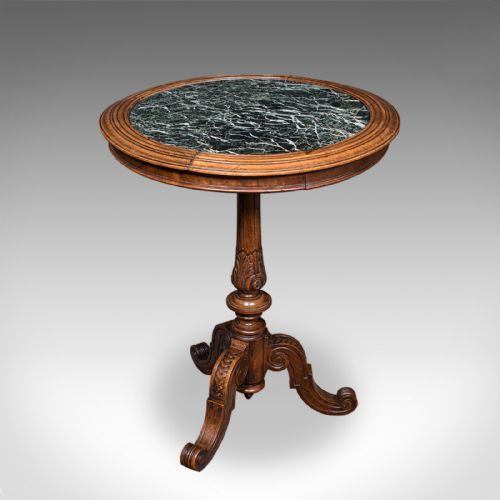
Antique English Wine Table
An antique English wine table brings compact utility and period character to a room, offering a stable surface designed to hold a glass or lamp beside a chair.
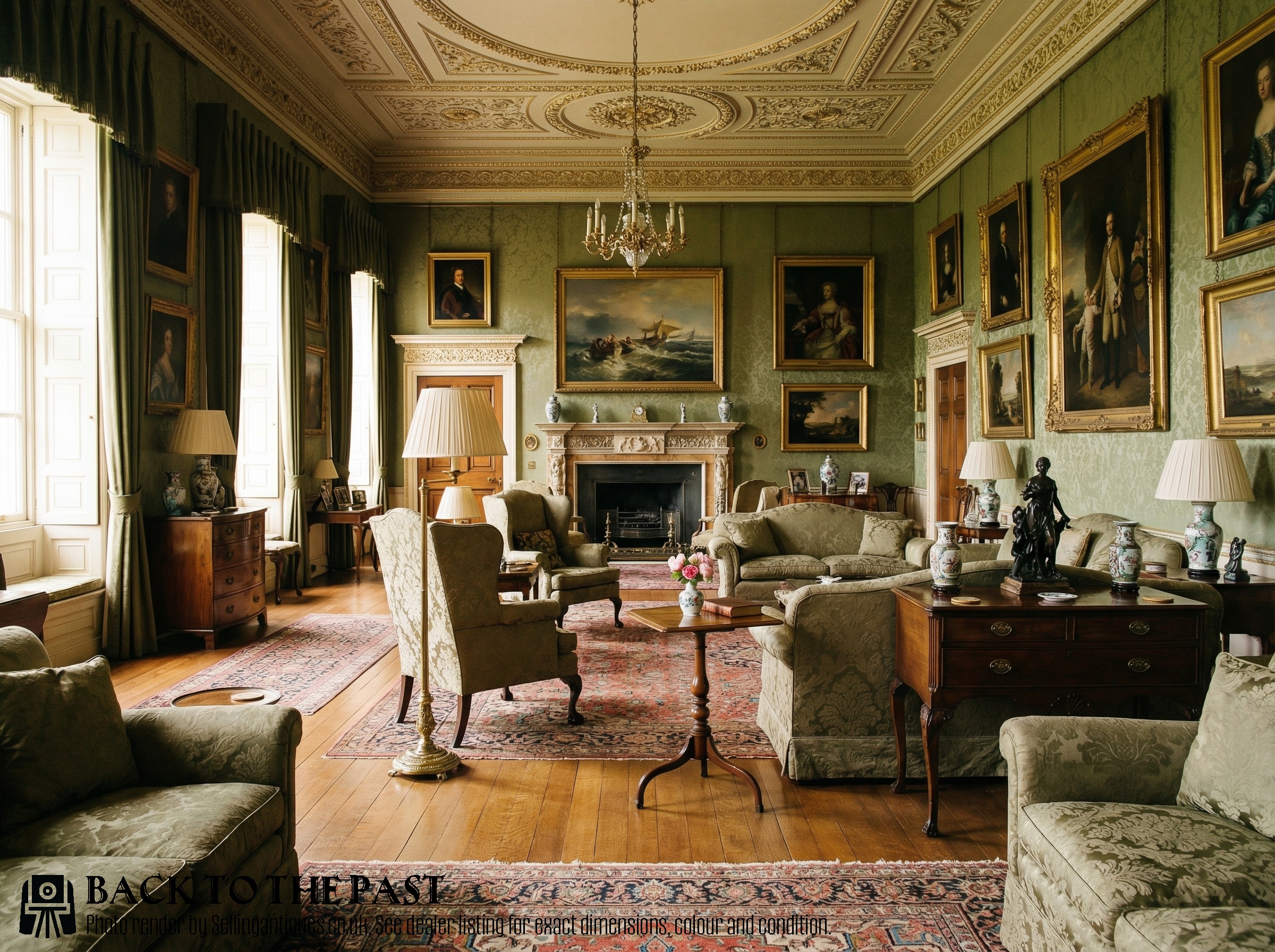
Antique English Wine Table
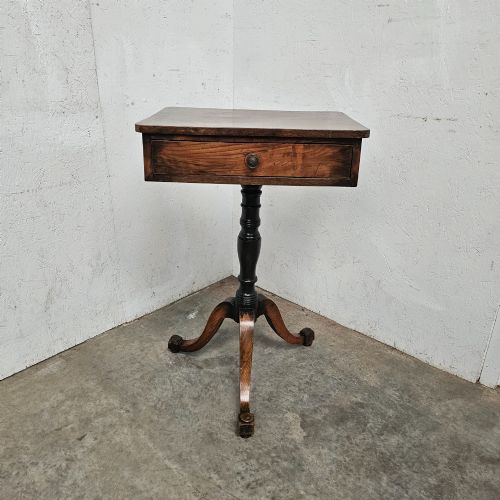
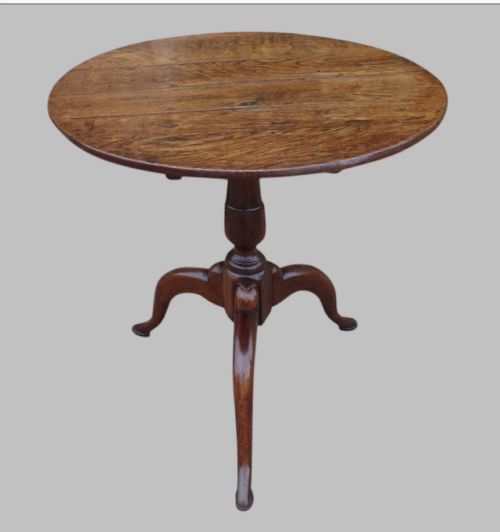
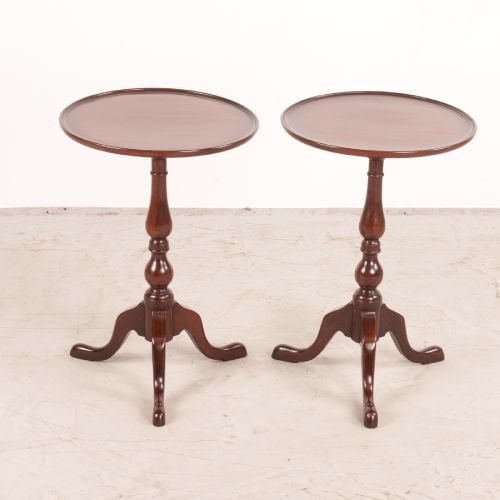
An antique English wine table is a small, portable stand intended for domestic use, featuring a circular or shaped top supported by a central pillar and tripod legs.
These pieces appear across several eras, with 18th-century George III examples and 19th-century Victorian and Regency versions appearing frequently among the listings.
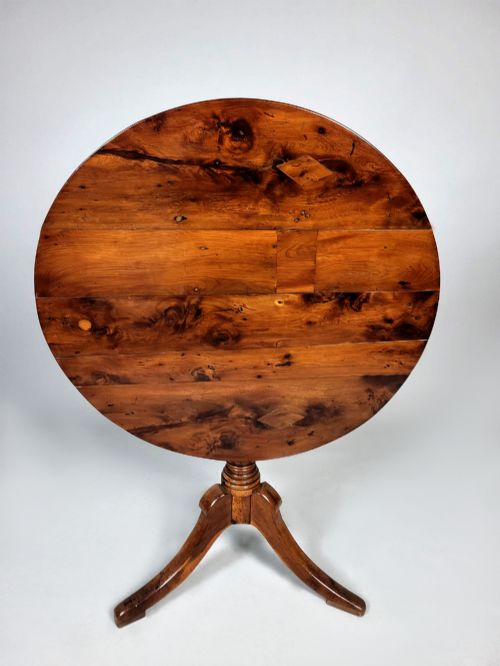
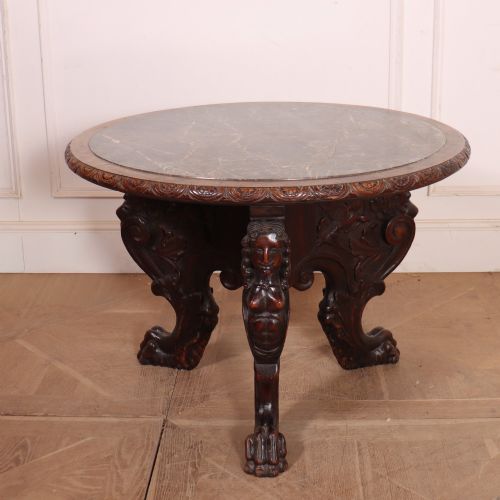
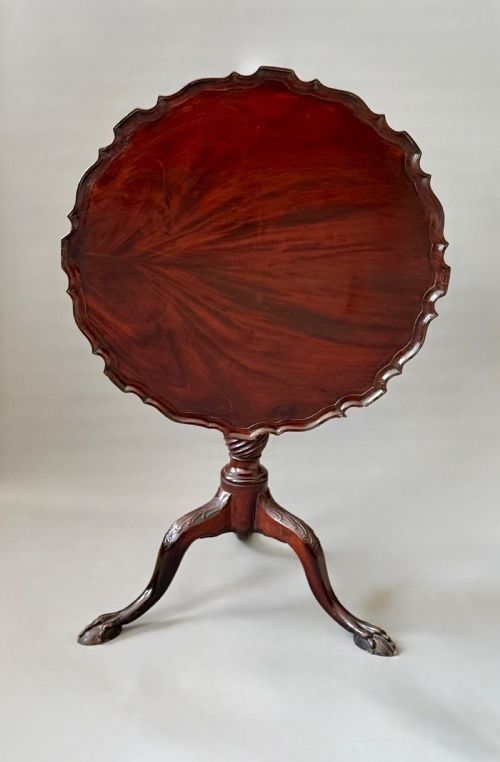
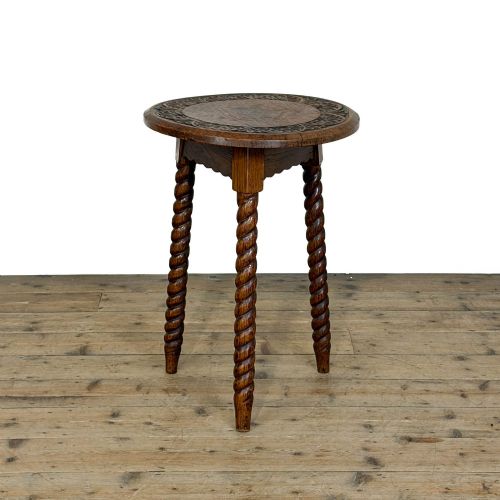
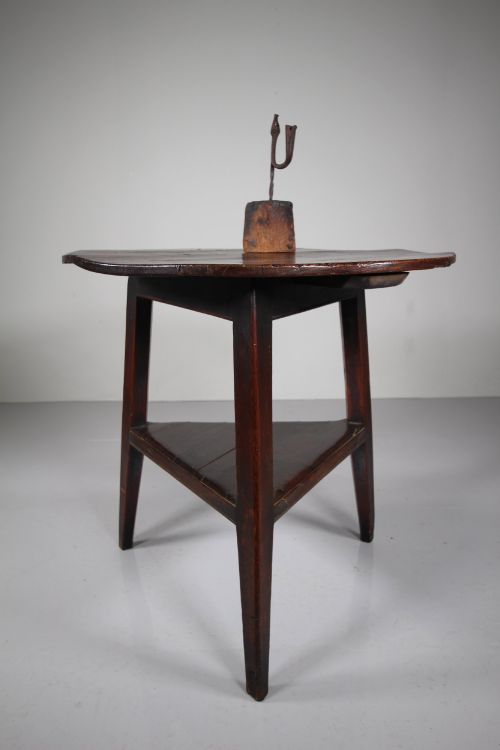
Forms range from simple country oak cricket tables and fruitwood tilt-top surfaces to finely carved mahogany pedestal tables with pie crust edges.
How They Were Made
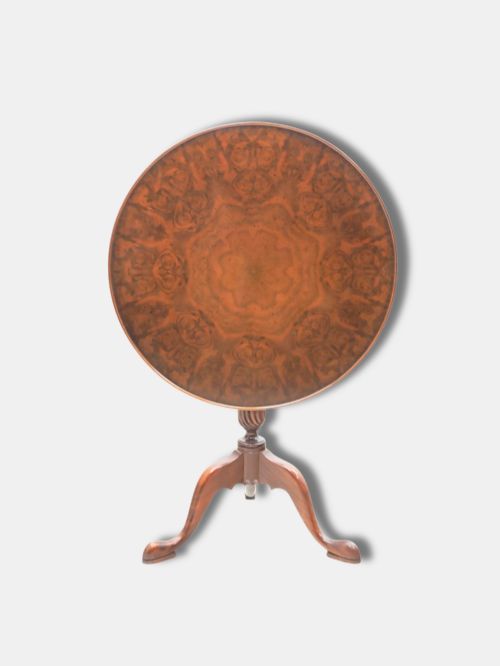
Cabinetmakers utilised dense timbers such as mahogany, oak, walnut, yew wood, and rosewood, often selecting flame or burr veneers for the circular tops.
Tripod bases were joined to slender turned columns using traditional pegged mortise and tenon or dovetail joints to ensure stability on uneven floors.
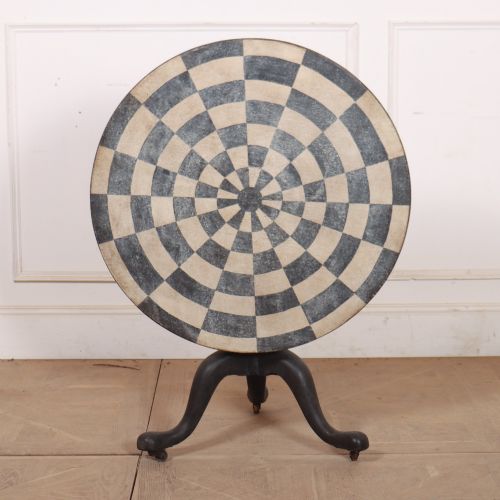
Many specimens incorporate a tilt-top mechanism with a brass catch, allowing the surface to fold vertical when not in use.
Listings feature woods including mahogany, oak, walnut, yew wood, rosewood, and marble across 18th-century, Regency, and Victorian periods.
What Varies in Quality
The sophistication of the timber figure and the crispness of the hand-carving on the pedestal and legs define the upper tier of production.
Construction details, such as the seamless integration of the birdcage mechanism or the thickness of the solid mahogany top rather than veneer, distinguish finer workshops.
Proportion and balance dictate worth, where a slender column meets a tripod base with harmonious weight distribution rather than clumsy thickness.
The Antique English Wine Table Glossary
- Tripod table
- A small standalone table supported by three legs radiating from a central pillar. These pieces gained widespread popularity during the Georgian period for domestic use.
- Tilt-top
- A hinged table mechanism allowing the top to pivot to a vertical position. This clever design enabled tables to be stored flat against a wall when not in service.
- Pie crust edge
- A raised, carved moulding along the perimeter of a circular tabletop shaped to resemble pastry work. This ornamental detail is frequently found on fine Chippendale style pieces.
- Flame mahogany
- A veneer cut from the fork of a mahogany tree that creates a distinctive flame-like pattern. Cabinetmakers reserved this striking grain for primary display surfaces.
- Pedestal table
- A table supported by a single central column rather than traditional four-legged frames. This configuration allowed maximum legroom for seated users.
Antique English Wine Table: Frequently Asked Questions
What was an antique English wine table used for?
These small stands were originally designed to hold wine glasses, bottles, or small lamps beside seating areas in reception rooms.
Their compact proportions allowed servants to move them easily around the room during evening gatherings or tea service.
What woods were used for English wine tables?
Makers constructed these tables from durable hardwoods available to British cabinetmakers, including rich mahogany, figured walnut, and sturdy oak.
Country pieces often utilised fruitwood, yew wood, or elm, while fashionable urban workshops preferred imported tropical timbers.
Where should I place a wine table at home?
These versatile stands fit comfortably beside an armchair, beside a sofa, or in a hallway as a small lamp surface.
Their narrow footprint makes them practical for resting a drink or a book in rooms where space is limited.