

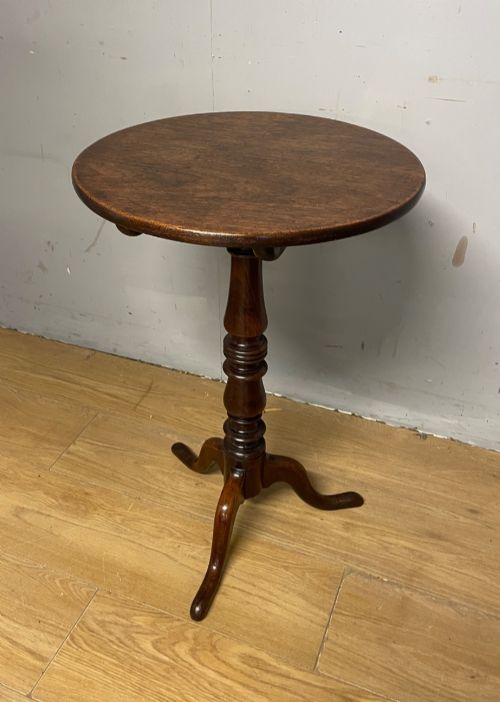
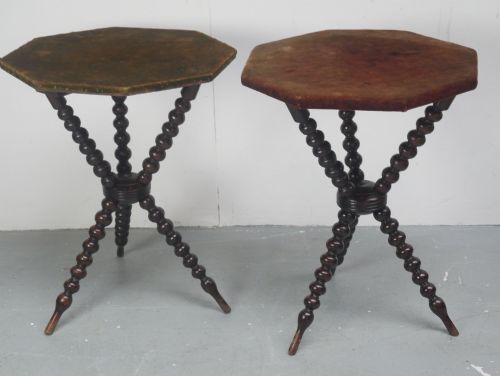
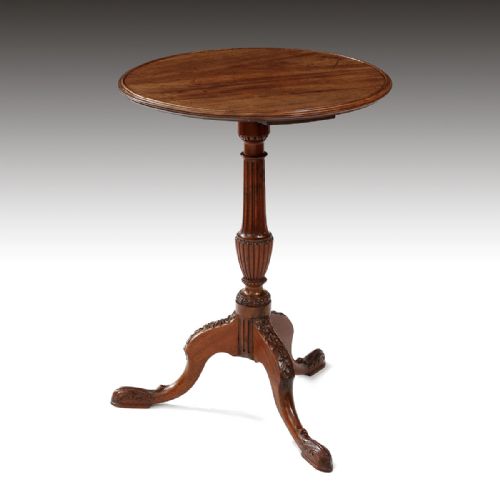
Antique Wood Tripod Stand
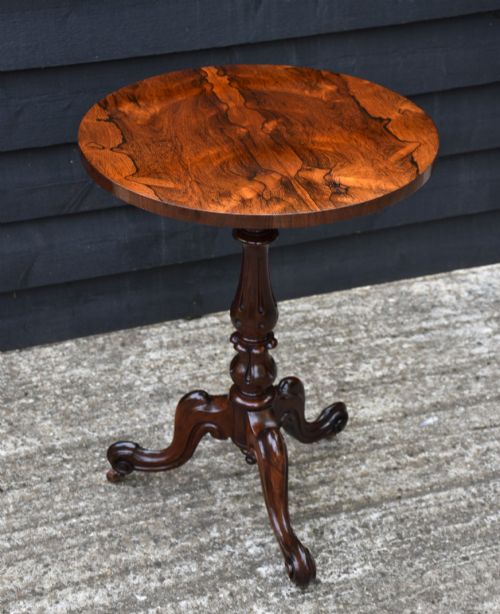
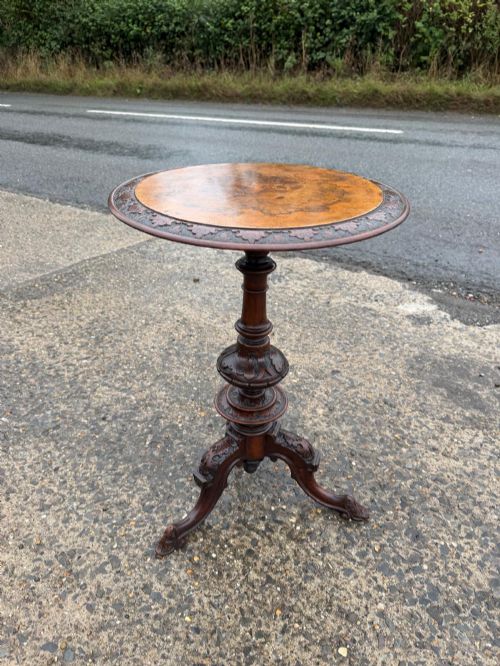
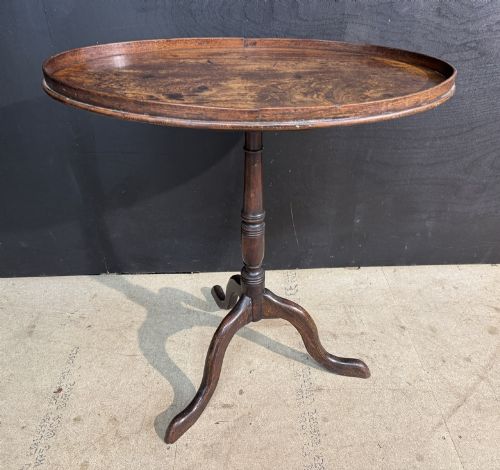
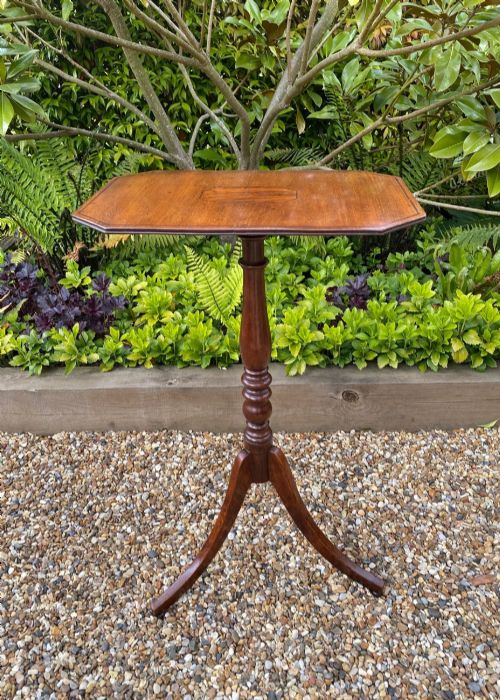
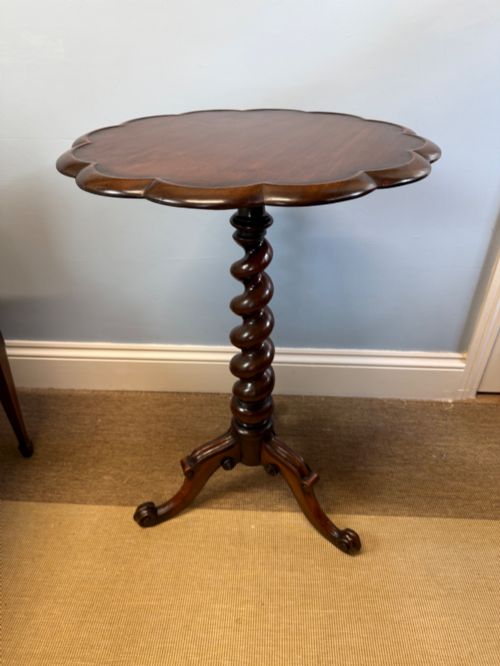
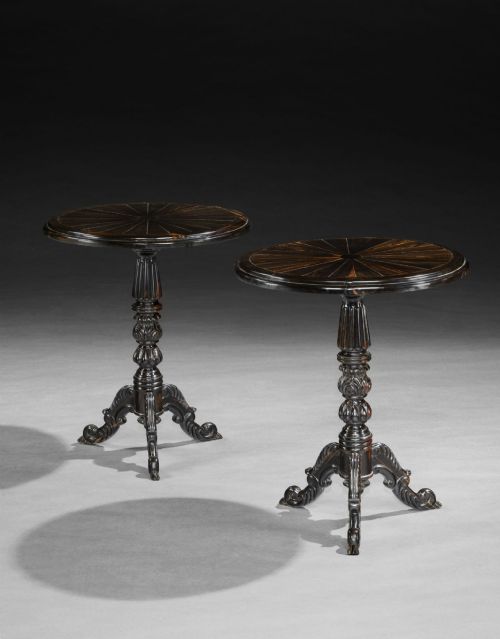
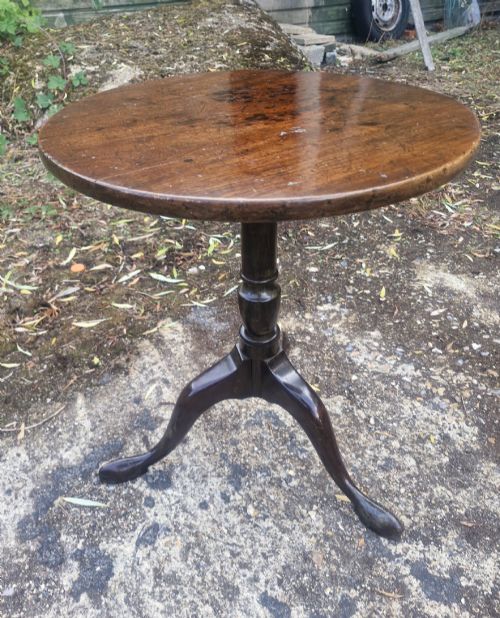
These antique wood tripod stands offer compact utility and sculptural presence, spanning Georgian dining rooms and Victorian parlours.
Antique Wood Tripod Stand
An antique wood tripod stand supports various surfaces on a central pillar anchored by three legs, built to serve specific domestic tasks. When you search for this phrase, you encounter forms ranging from wine tables and plant stands to pole screens, music stands, and dumb waiters.
The majority of pieces you meet on this page hail from the eighteenth and nineteenth centuries, taking the shape of occasional tables, tilt-top wine tables, and torcheres. These compact pieces were moved easily from room to room to hold candles, glasses, books, or plants.
Makers designed these stands in styles that shifted from heavy George III proportions through Regency elegance to elaborate Victorian and Edwardian revivals. They function today as flexible accent tables beside seating or as display surfaces in corners.
Materials and construction
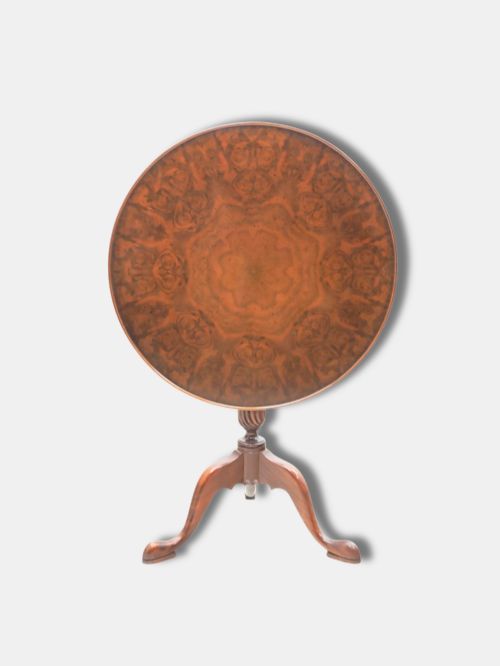
Cabinet makers relied predominantly on dense hardwoods like mahogany, walnut, and rosewood, often figuring the grain through burr veneers or adding subtle boxwood inlay. Secondary woods supplied structural stability beneath decorative surfaces, while brass fittings reinforced pivots and joints.
The characteristic three-legged base required precise joinery to ensure stability on uneven floors, typically utilising pegged dovetails or tenons where the legs met the central pillar. Tilt-top mechanisms incorporated clever wooden or brass catches to lock the table surface flat or drop it vertical for storage.
One late Victorian elephant table comes complete with painted wooden tusks ready for your parlour.
Judging quality and craftsmanship
Quality rests in the harmony of proportions, the crispness of carved details on the knees and feet, and the selection of timber figures for the top. Superior examples display seamless movement in their tilt mechanisms and solid brass hardware without unnecessary replacement parts.
The stability of the tripod base depends entirely on the integrity of the original joints connecting the legs to the shaft. Finer pieces demonstrate careful attention to concealed construction points, ensuring the table stands firm without wobble.
Gillow
The Antique Wood Tripod Stand Glossary
- Torchere
- A tall, slender stand designed specifically to hold a candle, lamp, or plant. These pieces elevate display objects above floor level.
- Pie crust rim
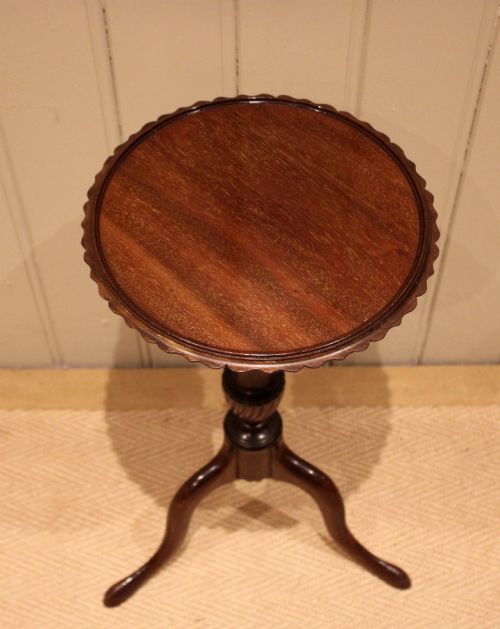
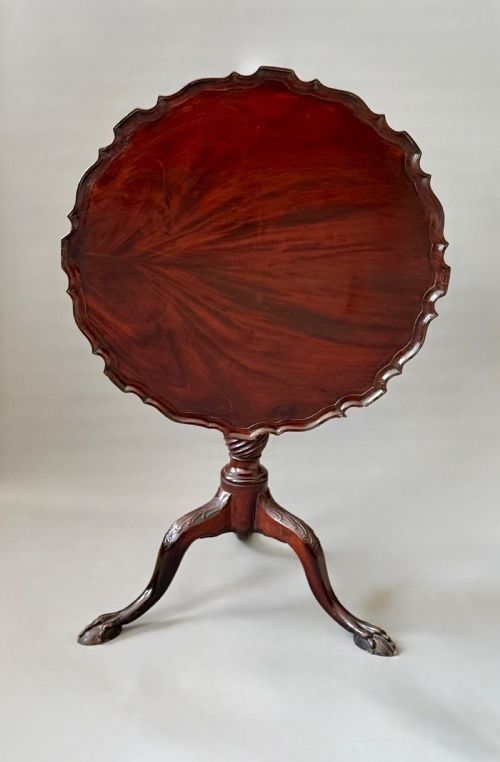
- A decorative, raised edge carved into the perimeter of a tabletop with undulating curves. It prevents items from sliding off small surfaces.
- Dumb waiter
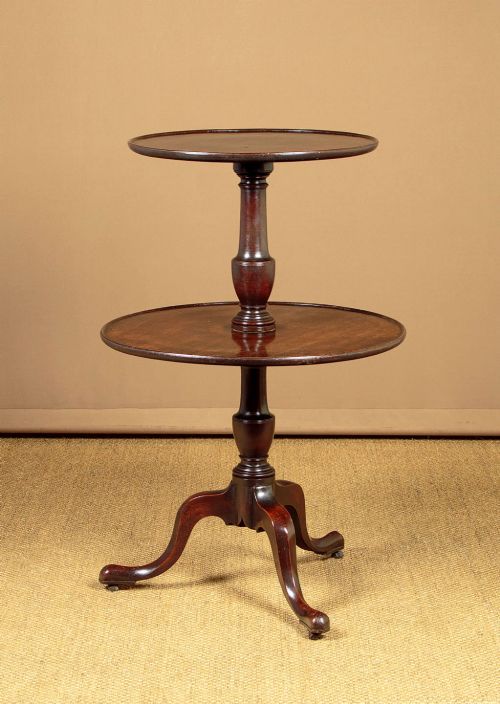
- A tiered stand featuring multiple revolving or stationary trays mounted on a single central pillar. These served dining rooms by holding extra courses and utensils.
- Pole screen
- An adjustable vertical screen mounted on a tripod stand to block heat from an open fireplace. The panel often holds needlework or decorative prints.
Antique Wood Tripod Stand: Frequently Asked Questions
What were antique tripod stands used for?
These versatile stands served varied domestic duties in period homes, functioning as portable surfaces for wine bottles, reading materials, or lighting. Smaller wine tables and candle stands moved easily beside seating areas as evening needs shifted.
Larger variations like dumb waiters and pole screens managed dining room service and fireplace heat regulation. Their lightweight construction allowed servants or residents to reposition them throughout the rooms.
How do I spot a tilt-top table?
Look beneath the tabletop for a hinged block mechanism that connects the surface to the central pillar. This allows the top to flip into a vertical position.
Many period examples include a catch or latch to lock the table flat during use.
Where should I place a tripod stand?
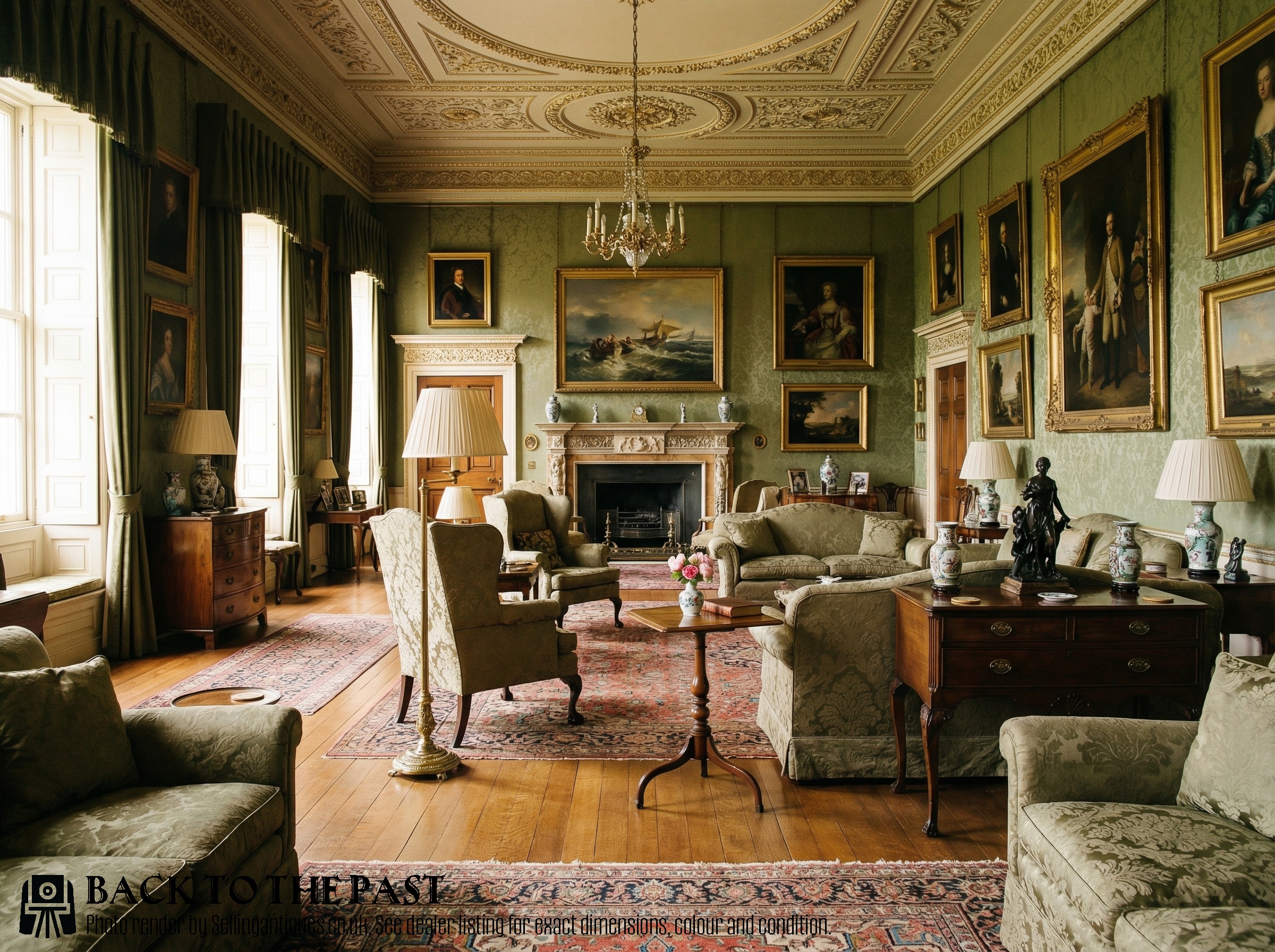
These compact stands fit naturally beside armchairs, sofas, or in unused corners as accent tables. Their small footprint makes them ideal for holding lamps, drinks, or small decorative objects without crowding a room.
Avoid placing them in areas of high foot traffic where the three-legged base might get knocked.
How do I distinguish Georgian from Victorian stands?
Georgian stands typically showcase restrained classical lines, restrained mahogany carving, and lighter proportions reflecting eighteenth-century design ideals. Burr veneers and subtle inlay often accent the cleaner structural silhouettes of this era.
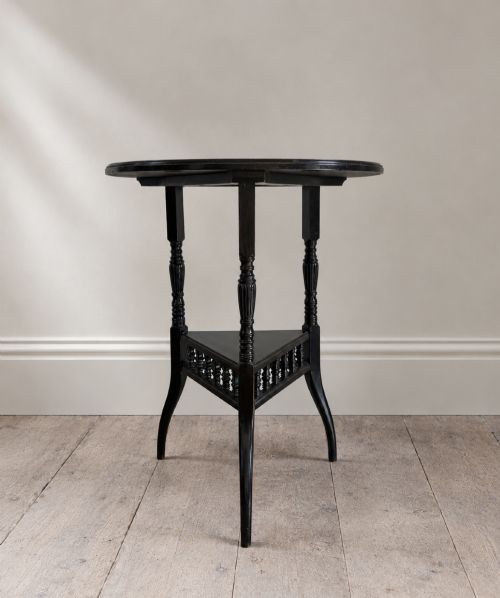
Victorian pieces lean towards heavier proportions, darker ebonised finishes, and more exuberant ornamentation influenced by historic revivals. Turned columns and platform bases become more common in the later nineteenth century.