

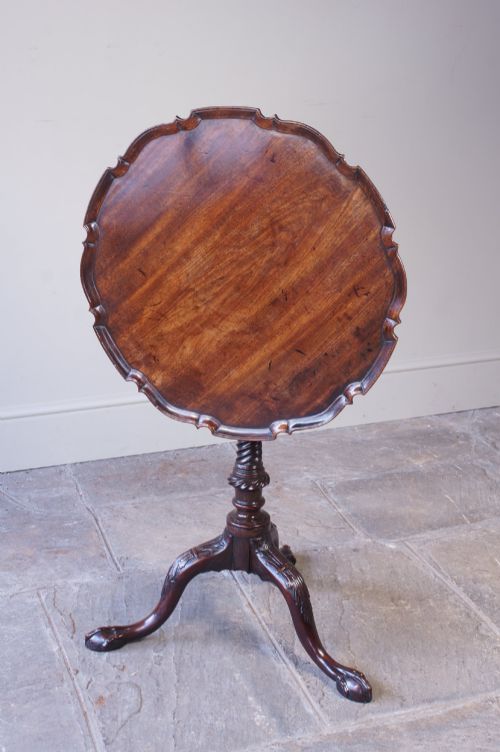
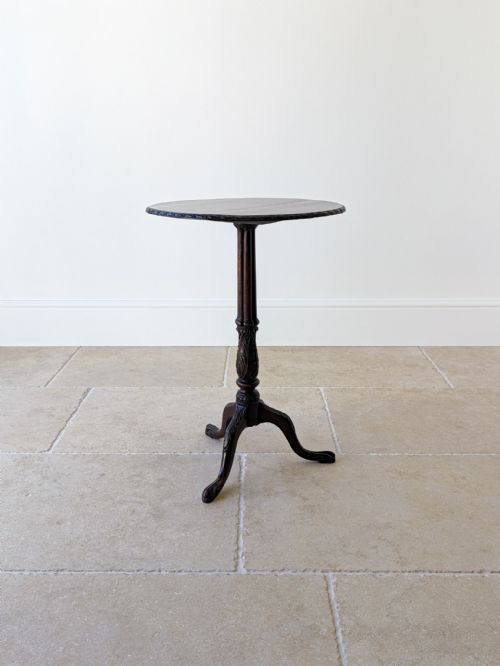
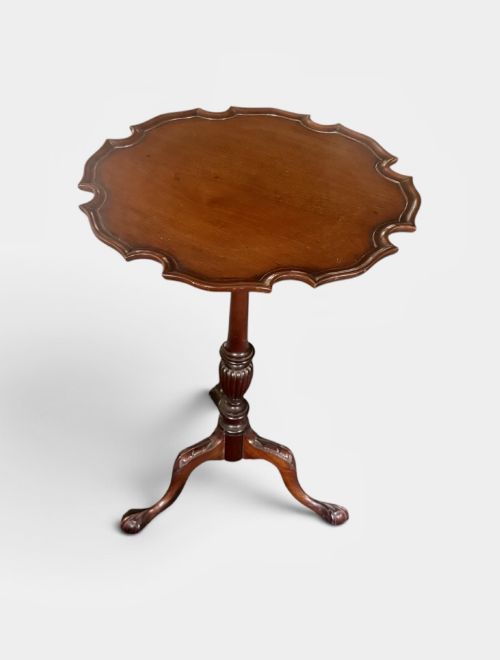
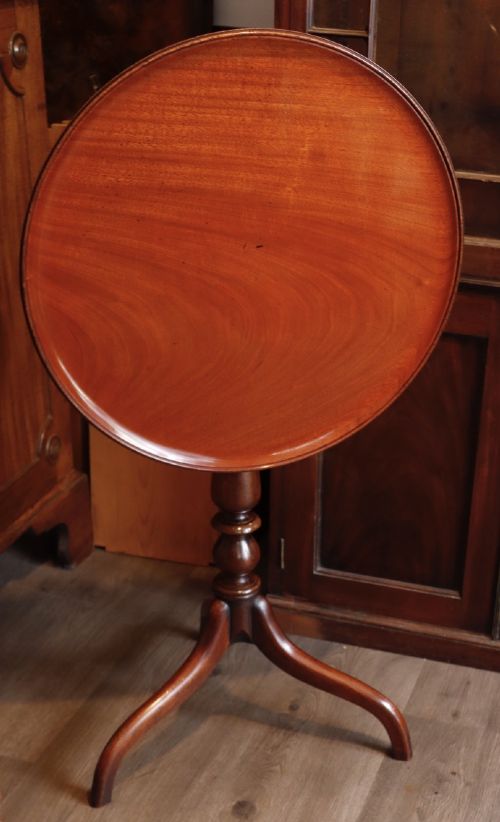


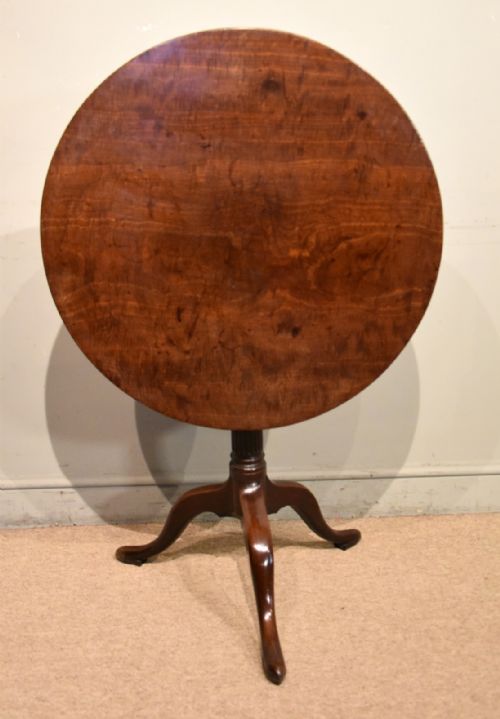
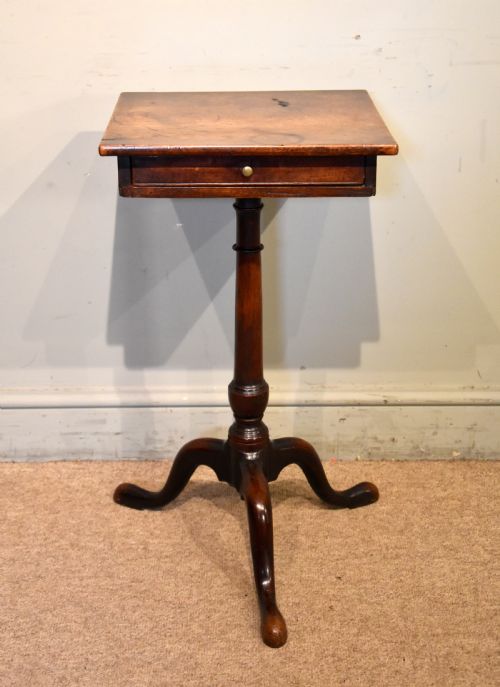
Chippendale Tripod Candle Stand
These chippendale tripod candle stand pieces are elegant small tables designed for evening illumination, offering collectors classic tripod bases and crisp timber tops.
Chippendale Tripod Candle Stand
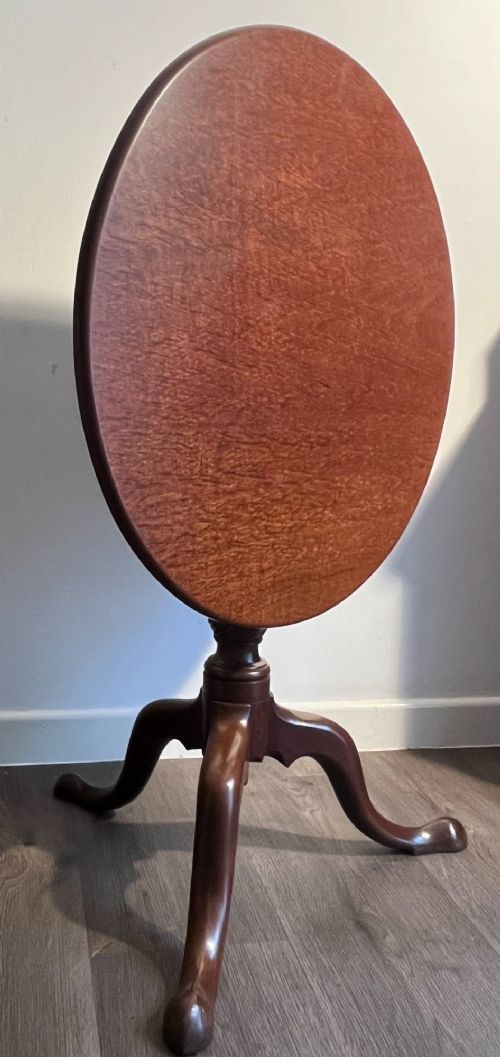
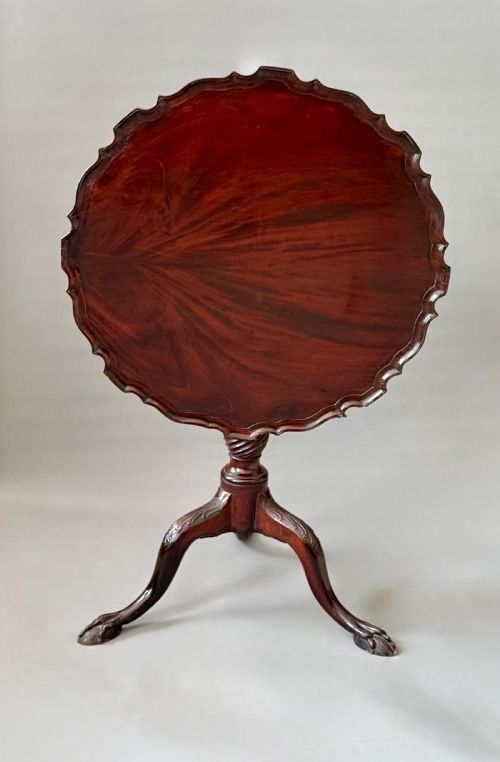
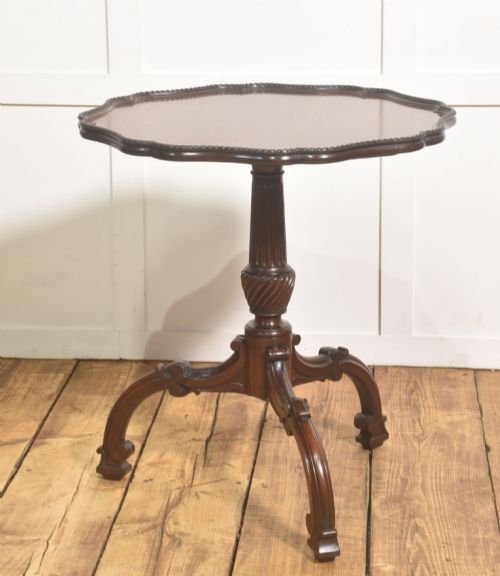
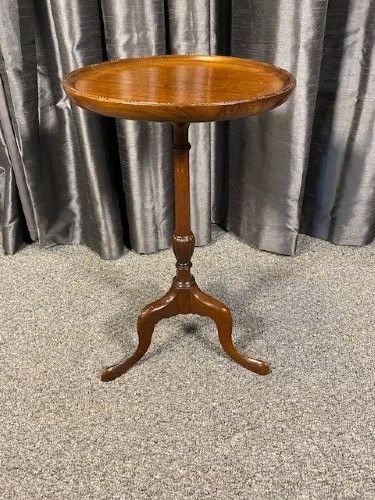
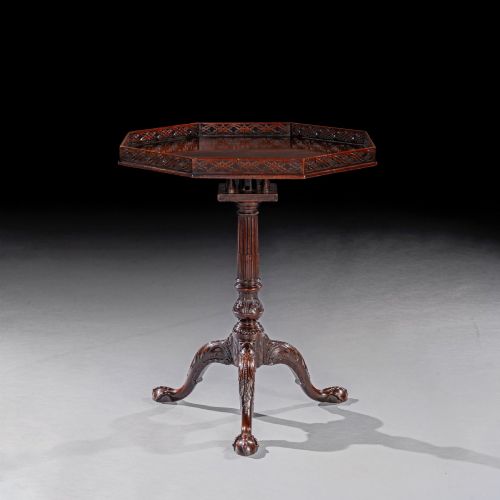
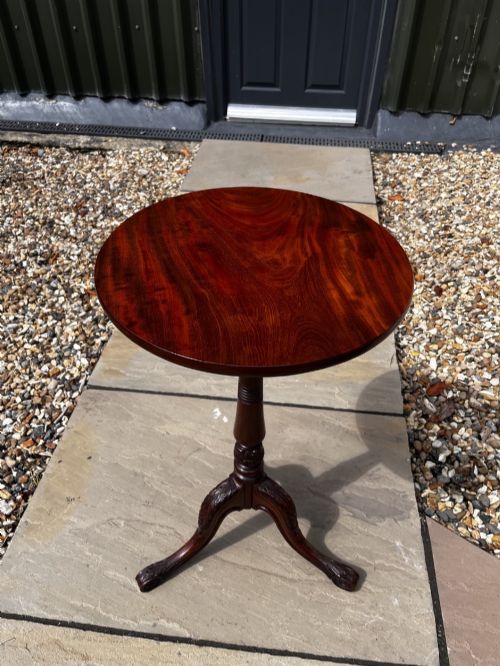
When you search for a chippendale tripod candle stand, you encounter small tables designed to hold lighting or display items near seating. The forms span occasional tables, wine tables, torcheres, kettlestands, and plant stands supported by three-legged pedestals.
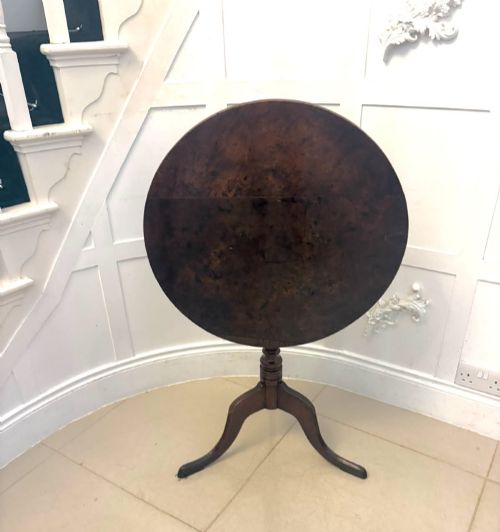
Original 18th century and George III examples appear alongside later Victorian, Edwardian, and 20th century revivals. The selection includes tilt-top, snap-top, birdcage action, and fixed top constructions with circular, octagonal, oval, or shaped rims.
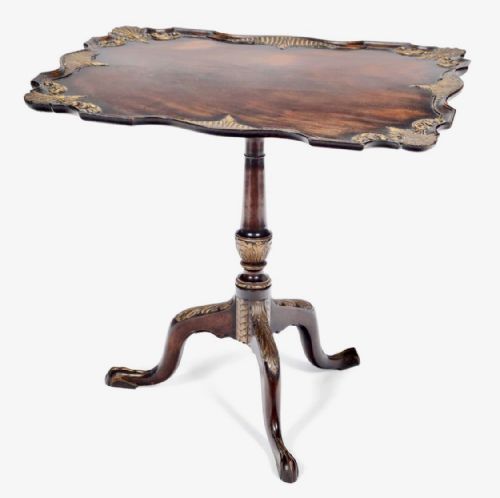
Mahogany dominates the selection, accompanied by burr oak, figured walnut, brass, and iron elements. Makers utilised parcel gilt highlights and flame mahogany veneer on pieces styled to the Chippendale taste and Georgian revival periods.
Materials and Construction
Cabinetmakers utilised solid mahogany, oak, and walnut to build these tables, frequently applying flame mahogany veneer and parcel gilt details to enhance the polished surfaces. Timber selection governed both the structural integrity of the slender column and the decorative potential of the tabletop.
Joinery techniques included birdcage actions and tilt-top mechanisms that allowed tops to pivot or fold down when not in use. Three-legged pedestal bases rested on carved or plain cabriole legs terminating in pad, claw, or snake feet.
Chippendale Tripod Candle Stand Retail Price Guide 2026
Typical asking prices for chippendale tripod candle stand among the pieces listed under this phrase on Sellingantiques today, from the lower quarter to the upper quarter. They describe what is for sale here now, not the wider market.
Some tables feature detachable tops designed to be lifted off the base entirely when guests requested a midnight snack.
Distinctions in Quality
The sophistication of the timber carving on the tripod base and the precision of the edge moulding define the upper tier of these pieces. Tables featuring crisp pie crust rims, serpentine galleries, or intricate birdcage mechanisms represent superior craftsmanship compared to plain fixed tops.
Original surface patination and timber selection set examples apart, with rich figured grains and untouched period finishes commanding greater interest. Later revival pieces display varying degrees of fidelity to 18th century proportions and decorative carving depth.
The Chippendale Tripod Candle Stand Glossary
- Birdcage
- A wooden framework beneath the tabletop that allows the surface to rotate and tilt. This mechanism utilises parallel rings and a central pivot block.
- Tilt top
- A tabletop mounted on a hinged block that swings into a vertical position. This design saved floor space in period rooms.
- Pie crust rim
- A raised, scalloped tabletop edge carved directly from the solid timber. The curved profile resembles the crust of a traditional pie.
- Torchere
- A tall, slender stand designed to support a candle or light source. These elevated pieces often feature elaborate columnar supports and tripod bases.
- Tripod base
- A three-legged support structure radiating from a central pillar. This configuration ensures stability on uneven floors.
Chippendale Tripod Candle Stand: Frequently Asked Questions
What is a chippendale tripod candle stand used for?
These pieces served primarily to hold candles for reading or sewing during the evening hours. Their compact size allowed servants to move them easily beside chairs or beds as needed.
Today, they function well as small occasional tables for holding drinks, lamps, or decorative objects in living spaces. Collectors often place them beside armchairs or in empty corners where surface space is required.
How do you operate a tilt top table?
A tilt top table uses a catch or wooden peg beneath the surface to lock the top in a horizontal position. Releasing this mechanism allows the tabletop to pivot upward against the central column.
This pivoting action originally permitted the table to stand flat against a wall when not in use. Modern owners utilise this feature when rearranging furniture or transporting the table.
What is a birdcage action?
The birdcage is a small wooden assembly fixed beneath the tabletop that incorporates a rotating collar and a tilting hinge. It combines the ability to spin the surface with the option to tilt it downward.
This mechanical refinement allowed the user to adjust the position of the candle without moving the heavy base. It represents a hallmark of finer 18th century cabinetmaking.
How do I distinguish 18th century pieces from later revivals?
Early examples from the George III period display specific timber shrinkage, hand-cut joinery marks, and aged patination accumulated over centuries of use. The construction methods on older pieces reflect the hand tools and fasteners available to period craftsmen.
Revival pieces from the Victorian, Edwardian, or 1920s eras often feature uniform machine-sawn components and different secondary woods. Examining the underside of the top and the interior of the pillar reveals these structural clues.