

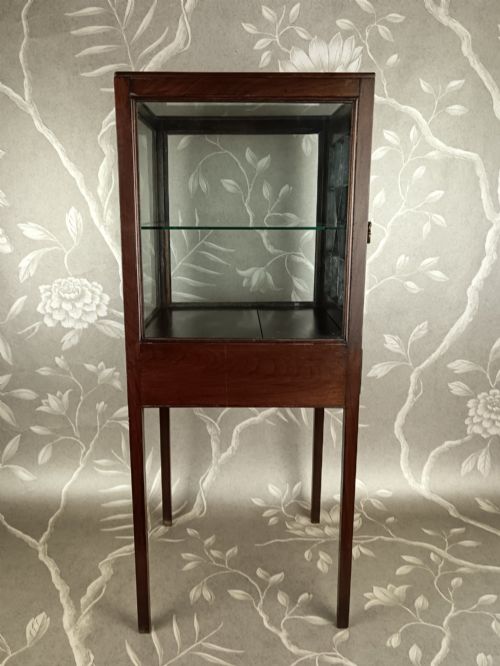
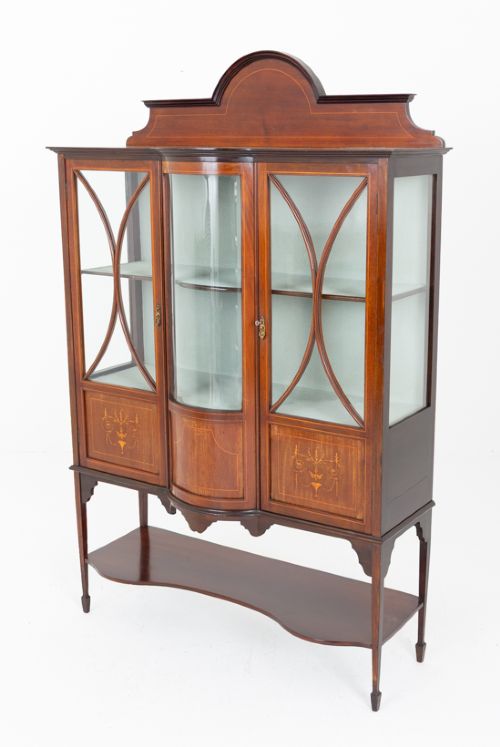
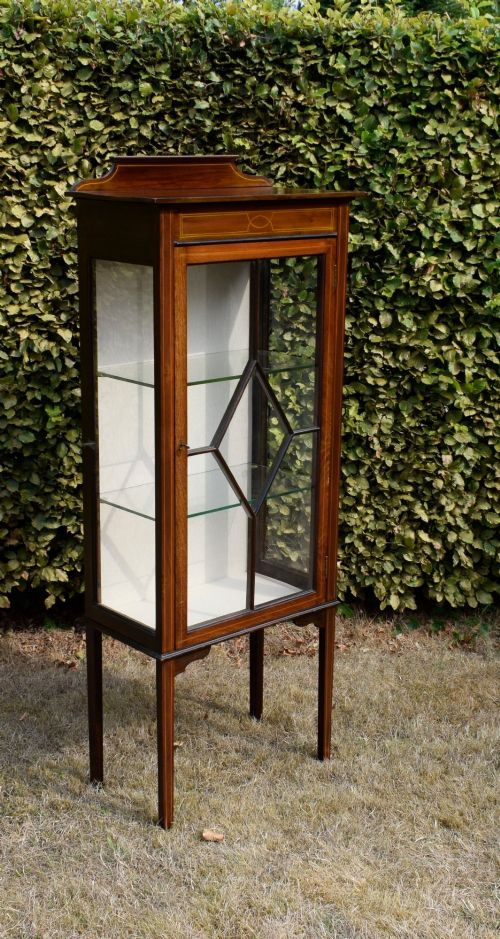
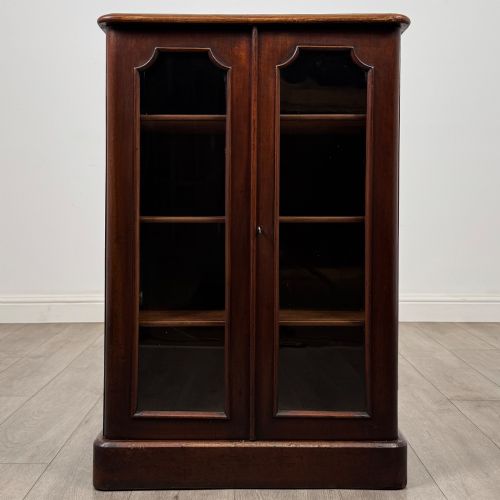
Mahogany Glass Display Case
A mahogany glass display case turns everyday treasures into a focal point, bringing rich timber frames and clear viewing panels together for the home.
Mahogany Glass Display Case
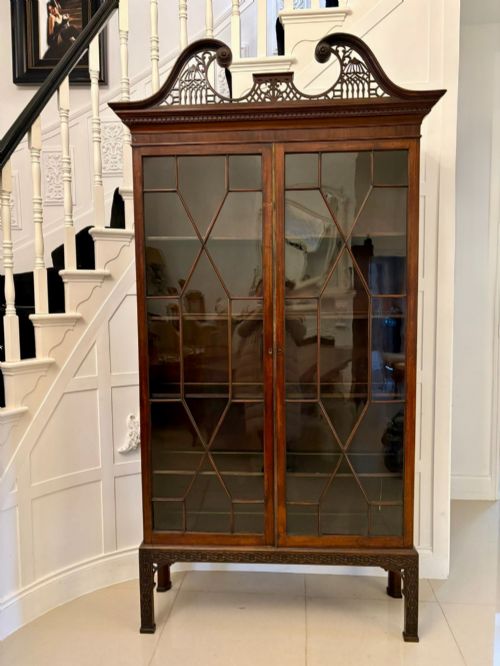
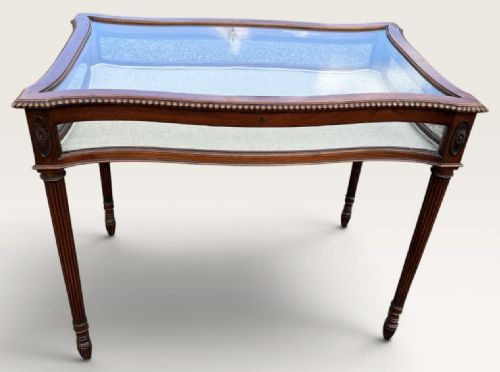
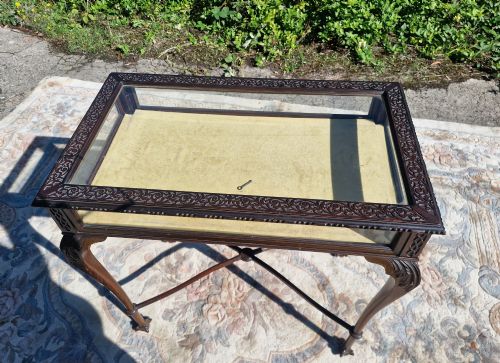
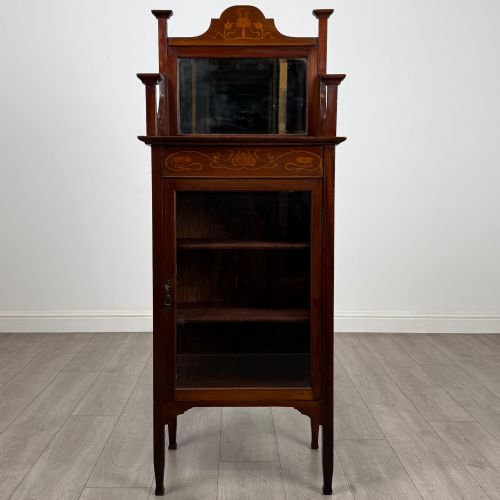
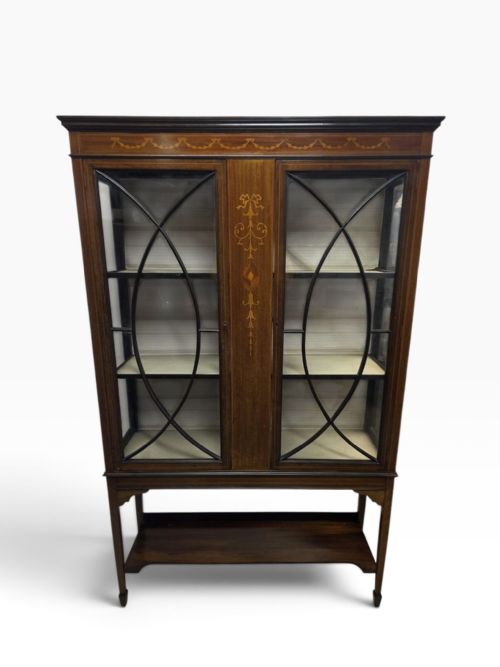
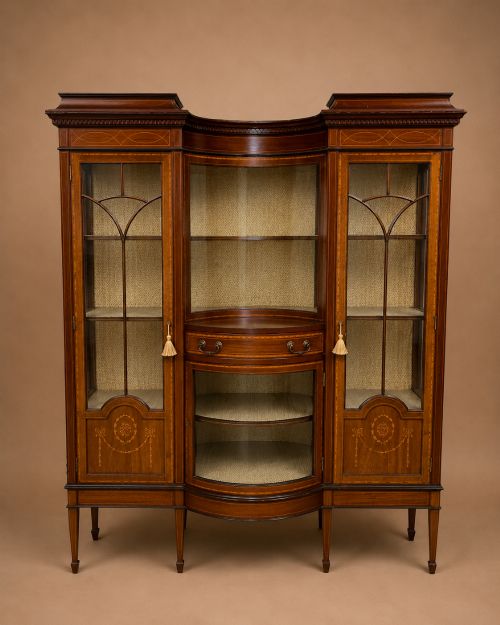
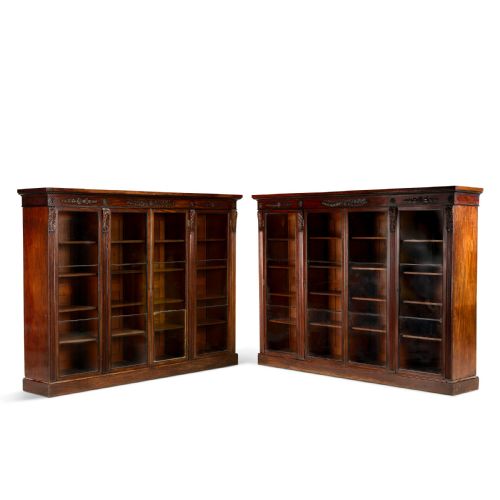
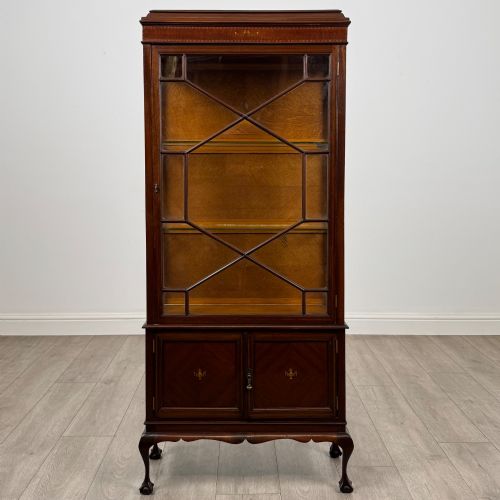
A mahogany glass display case encompasses everything from towering Victorian library bookcases to delicate Edwardian bijouterie tables and shop counters. Buyers seeking this phrase will find a high proportion of Edwardian inlaid cabinets alongside robust nineteenth-century forms designed for both retail and domestic use.
The objects serve to protect and exhibit collectibles, books, and small curiosities through glazed doors or tabletop panels. They bridge the gap between functional storage and decorative presentation, often incorporating mirrors and fabric linings to enhance the items within.
How they were made
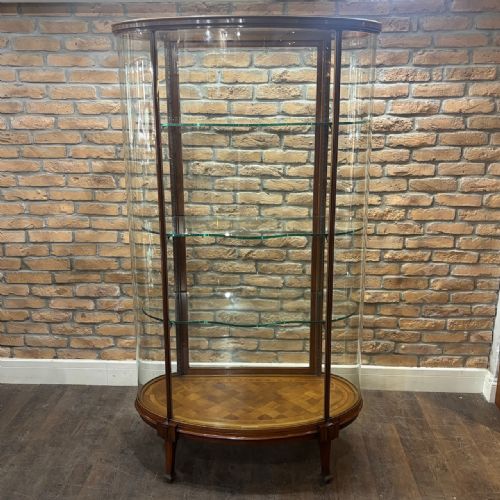
Craftsmen built these pieces primarily using solid mahogany and mahogany veneers, frequently pairing the rich brown timber with satinwood inlay and brass or gilt metal mounts. Glass panels were fitted into doors, sides, and tabletops to maximise visibility, while internal shelves relied on wood or adjustable glass.
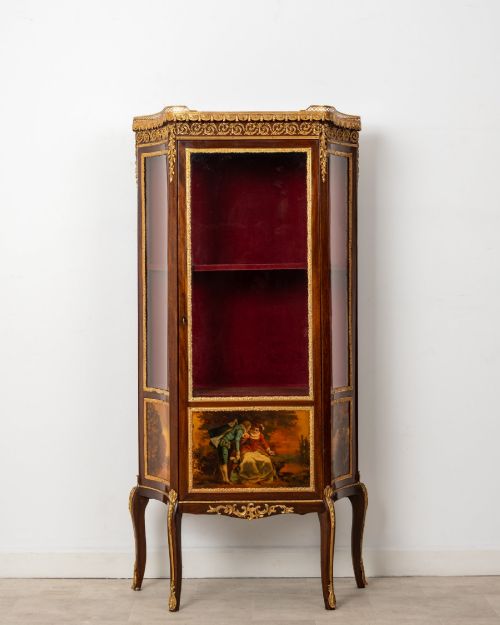
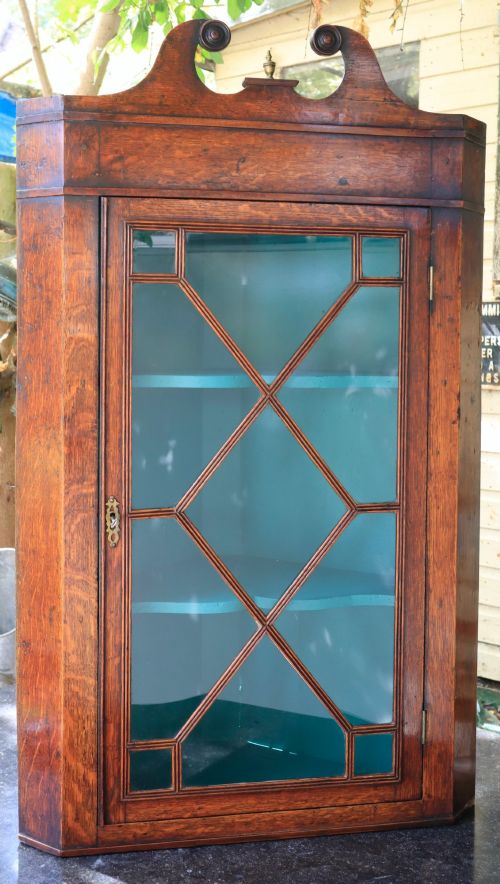
Structural details extended to velvet or fabric linings, mirror backs, and ornate revival styles such as Sheraton, Louis XV, and French Rococo. Retail variants often featured sturdy shop counter frames, whereas domestic pieces incorporated delicate astragal glazing and painted decorative flourishes.
Mahogany Glass Display Case Retail Price Guide 2026
Typical asking prices for mahogany glass display case among the pieces listed under this phrase on Sellingantiques today, from the lower quarter to the upper quarter. They describe what is for sale here now, not the wider market.
Listings feature mahogany glass display cases spanning from the eighteenth century through to the Art Deco and Edwardian eras.
What varies in quality
The distinction between standard and superior pieces rests on the finesse of the cabinetmaking and the crispness of any carving or marquetry. Finer examples display meticulous grain matching in the mahogany, refined satinwood inlay, and high-specification glass work rather than utilitarian assembly.
Proportion and decorative ambition also divide the range, separating simple functional shop counters from elaborate drawing-room vitrines mounted in ormolu and finished in the manner of notable makers. The integration of original mirrors, fabric linings, and gilt bronze mounts elevates the overall presence of the cabinet.
F. Sage & Co·François Linke
The Mahogany Glass Display Case Glossary
- Vitrine
- A glass-fronted display cabinet or showcase designed specifically for showing porcelain, curiosities, or fine objects. These pieces often feature glazed sides to let light pass through from multiple angles.
- Bijouterie table
- A small display table with a glazed top and compartment, traditionally used for holding jewellery, medals, and small decorative items. They frequently stand on slender legs at a height suitable for viewing objects from above.
- Astragal glazed
- A method of dividing a glass window or door panel into smaller panes using narrow wooden or metal bars. This technique defines many traditional bookcase and cabinet designs from the Georgian and Victorian periods.
- Satinwood inlay
- A contrasting light-coloured timber embedded into the darker mahogany surface to create decorative patterns and borders. It is a hallmark of Sheraton Revival and Edwardian cabinetwork.
- Vernis Martin
- A form of simulated Japanese lacquer work developed in France, used to decorate the panels of fine cabinets. The technique produces a glossy, translucent finish often seen on French-influenced vitrines.
Mahogany Glass Display Case: Frequently Asked Questions
How do I style a mahogany glass display case at home?
Position the case away from direct sunlight to protect internal linings and any sensitive objects on show. Group collections by colour or material to create a balanced visual arrangement behind the glass.
Utilise the adjustable shelving found in many Edwardian and Victorian models to accommodate items of varying heights. Keep the surrounding room uncluttered so the rich mahogany timber and glazed panels remain the focal point.
What is the difference between a vitrine and a bookcase?
A vitrine prioritises visibility with glass panels on the sides as well as the doors, designed purely to exhibit decorative objects and porcelain. Bookcases generally feature wooden sides and are built primarily to store volumes, though many Victorian examples include glazed upper doors.
Both forms appear frequently in mahogany, but vitrines often incorporate delicate details like satinwood inlay or ormolu mounts. Bookcases tend to offer deeper shelves and a more robust architectural presence suited to libraries or studies.
How can I tell an Edwardian case from a Victorian one?
Edwardian display cabinets frequently display lighter proportions, satinwood inlay, and Sheraton Revival influences reflecting a turn-of-the-century taste for elegance. Victorian pieces tend to be heavier, employing deeper mahogany tones and more robust architectural carving.
Examining the construction of the interior shelves and the style of any glazing bars helps clarify the period. Earlier nineteenth-century examples often carry the darker finishes and substantial presence typical of Victorian and mid-century cabinetmaking.