
Mahogany Cellarette Cabinet
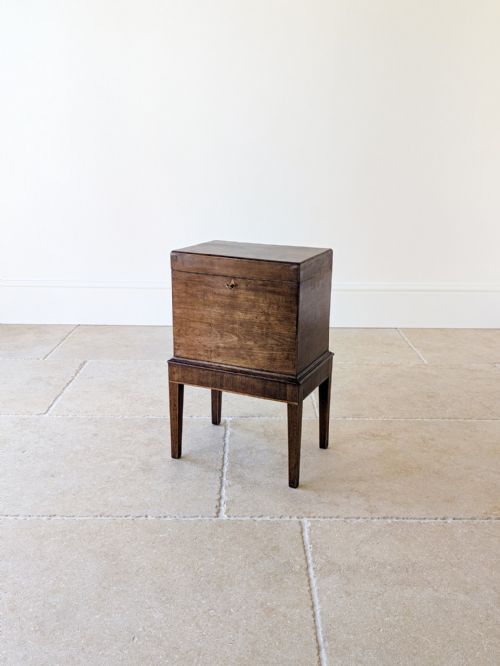
A mahogany cellarette cabinet is a sturdy storage piece designed to keep wine and spirits secure.
Mahogany Cellarette Cabinet
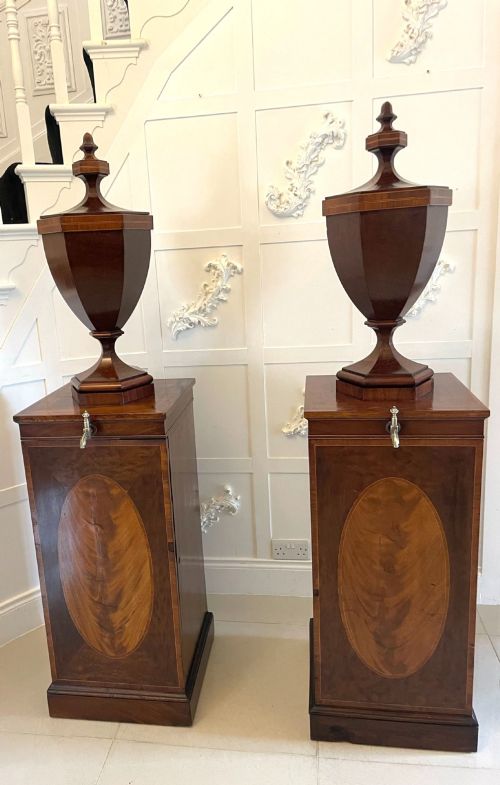
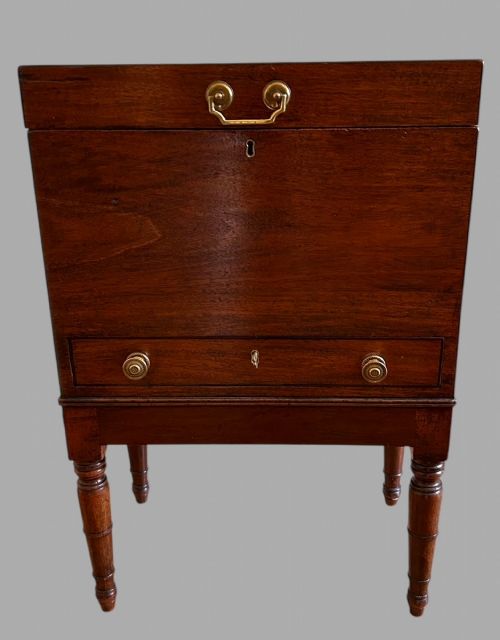
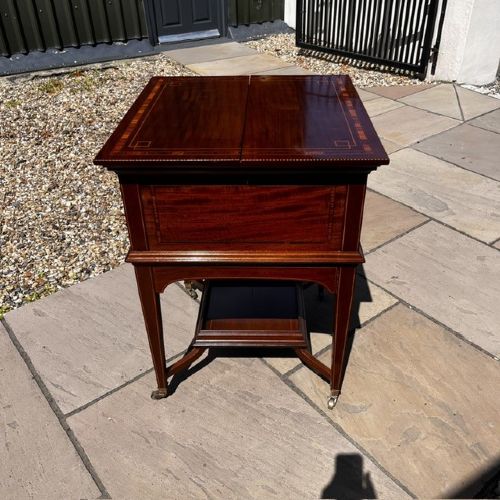
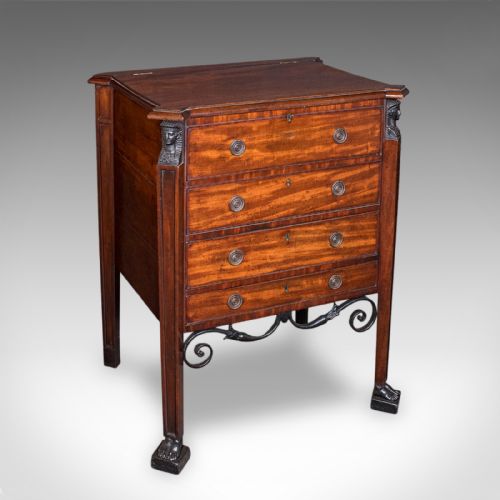
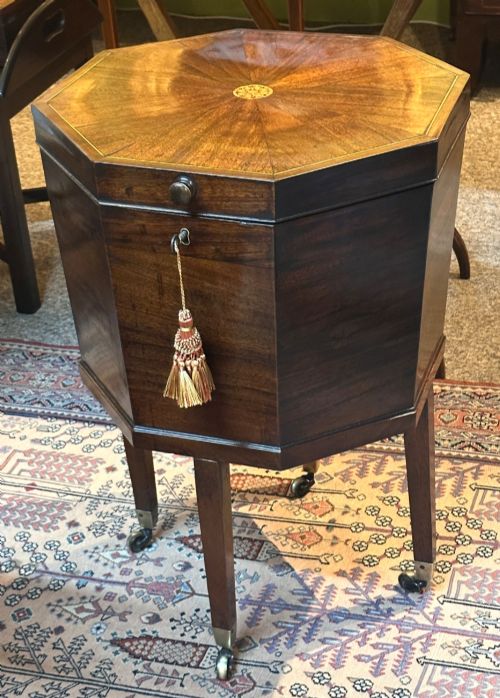
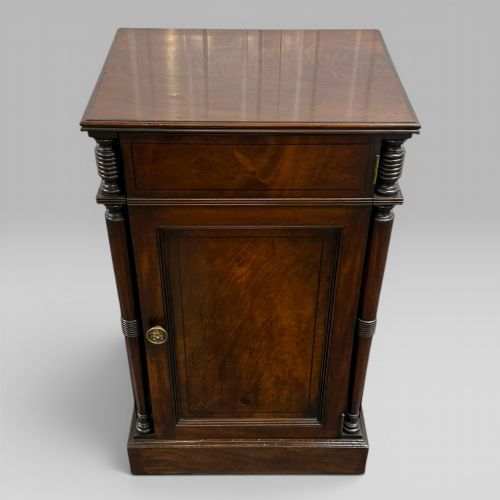
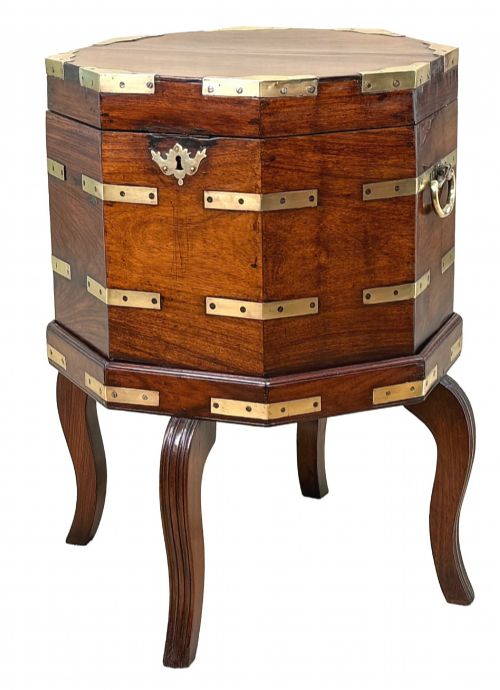
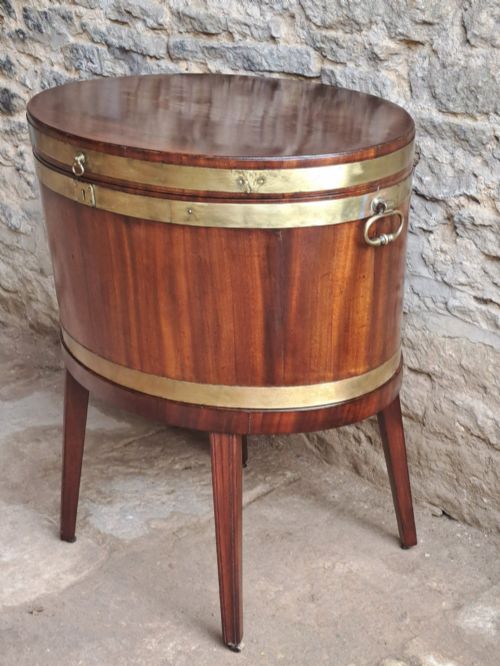
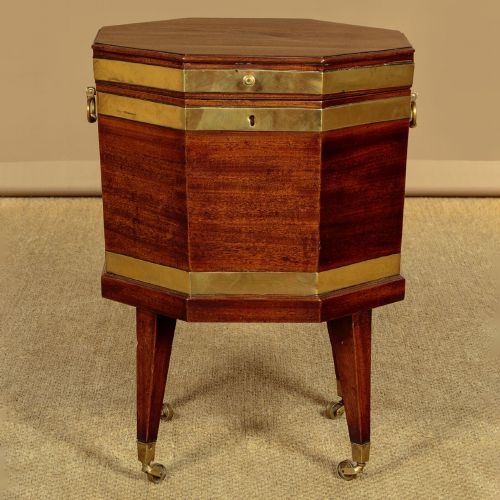
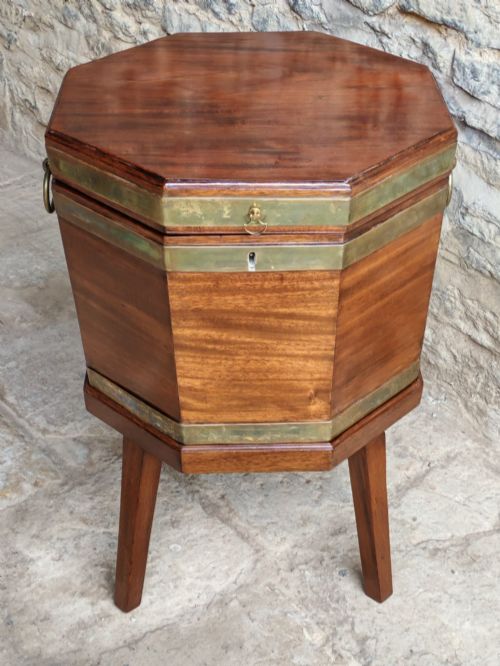
A mahogany cellarette cabinet is a dedicated container for holding wine bottles and decanters securely within dining rooms and entertaining spaces. You encounter these most frequently in Georgian, Regency, and Victorian forms, varying from octagonal bins to pedestal cupboards.
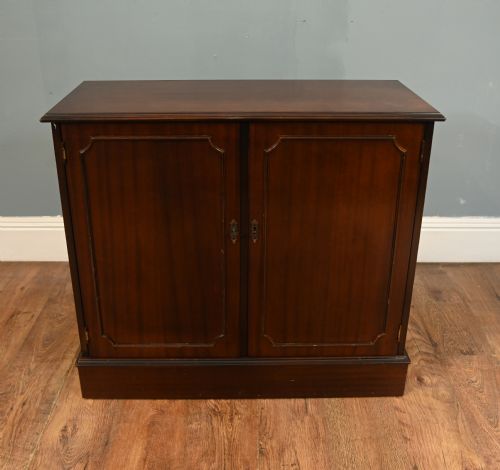
The selections span 18th century wine coolers, 19th century side cabinets, and Edwardian drinks furniture. Makers utilised rich timbers to create functional storage boxes that sat neatly beneath sideboards or stood independently on bracket feet.
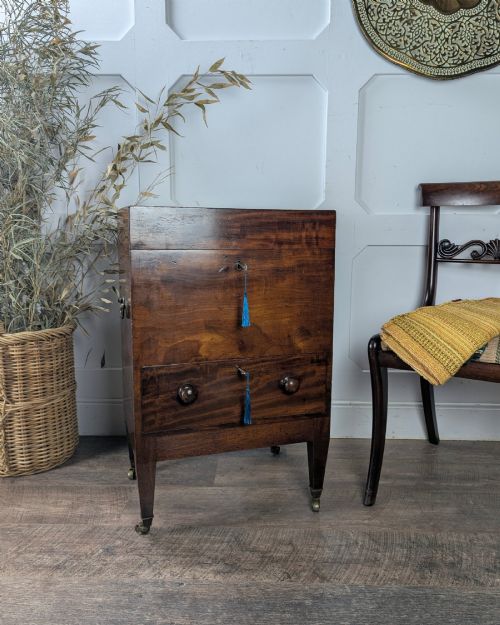
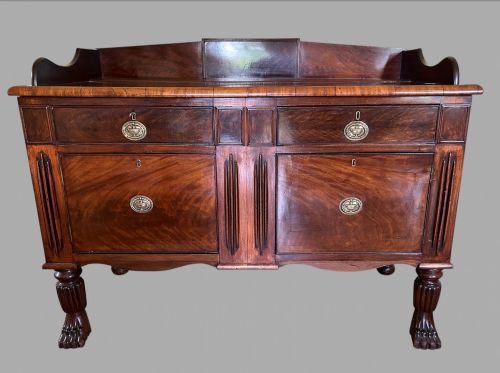
Many examples incorporate fitted interiors designed to cradle glass bottles safely during formal meals. Others take the shape of larger sideboards, side cabinets, and metamorphic tables adapted for domestic refreshment.
How they were made
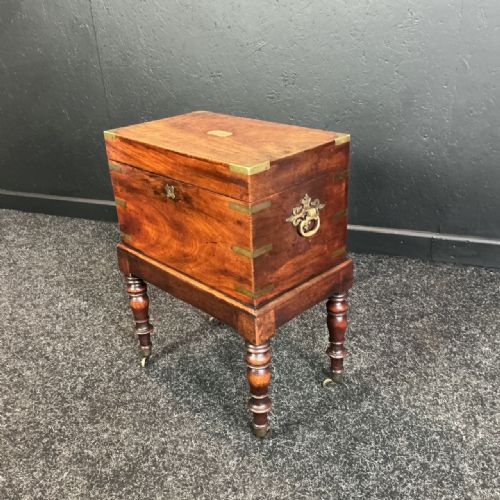
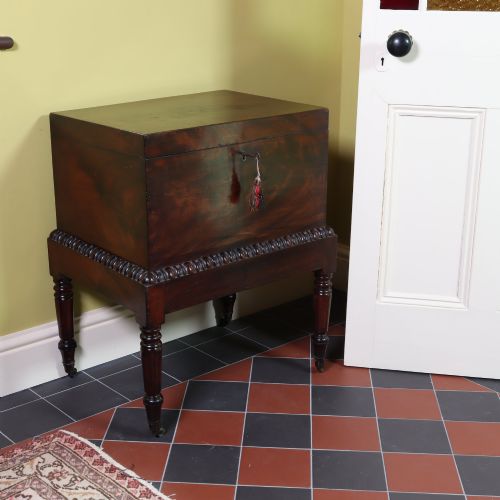
Cabinet makers constructed these pieces primarily from solid mahogany and flame mahogany, frequently incorporating contrasting boxwood inlay and satinwood veneers. Brass bands, ormolu mounts, and iron fittings provided structural reinforcement and decorative contrast.
Joinery techniques included tight dovetailing for box bodies and secure framework for pedestal cupboards. Interior partitions were carefully fitted to separate individual bottles and prevent movement.
Listings feature mahogany, satinwood, brass, and boxwood inlay across Georgian, Regency, Victorian, and Edwardian periods.
What varies in quality
Quality depends heavily on the choice of timber figure, particularly the depth and vibrancy of flame mahogany veneers. Finely figured wood combined with crisp boxwood inlay distinguishes finer workshop productions.
The integrity of the interior fittings and original metalwork determines the overall standard of the piece. Well-preserved brass banding and intact internal dividers elevate a cellarette beyond basic utility.
Gillows·Gillingtons
The Mahogany Cellarette Cabinet Glossary
- Cellarette
- A lockable container or cabinet specifically built for storing wine and spirits near the dining table. They evolved from simple floor-standing bins into elaborate fitted pieces of furniture.
- Flame mahogany
- A decorative wood veneer showing a distinctive wave-like flame pattern derived from the branch junctions of the tree. This grain was highly prized for principal display surfaces.
- Tantalus
- A locked wooden frame holding decanters visible to guests while preventing unauthorized access to the contents. They often appeared alongside games boxes in later 19th century interiors.
- Pedestal
- A supporting column or cupboard base carrying an urn or cabinet above. These architectural elements gave grander wine coolers significant visual presence in formal rooms.
Mahogany Cellarette Cabinet: Frequently Asked Questions
What is a cellarette?
A cellarette is a specialised storage container or cabinet built to hold wine bottles and decanters safely. These pieces were traditionally kept in dining rooms to allow hosts to serve guests without constant trips to the cellar.
Over time, the form expanded from simple floor-standing boxes into elaborate side cabinets, tables, and pedestal cupboards. Their primary function remained the secure containment of bottled beverages.
How do I identify a Georgian cellarette?
Georgian cellarettes typically display rich mahogany timber, often featuring flame veneers, brass banding, and tapered bracket feet. The proportions are robust and functional, designed to fit neatly beneath sideboards.
Interior layouts from this period frequently include specific divisions for individual bottles. Look for traditional joinery methods and period-appropriate hardware such as brass carrying handles.
Where were cellarettes placed?
These cabinets stood directly on the dining room floor, usually positioned beneath a sideboard or adjacent to the dining table. Their sturdy construction allowed them to remain accessible during busy meals.
Floor-standing octagonal and oval coolers were designed to be slid out easily when needed. Pedestal versions remained stationary while supporting decorative urns or serving surfaces.
What wood was used?
Mahogany served as the predominant material for these cabinets due to its strength and rich reddish-brown colour. Cabinet makers enhanced the appearance using flame mahogany veneers and contrasting boxwood inlay.
Metal components like brass bands and iron fittings provided necessary reinforcement for heavy wooden boxes. Occasional examples incorporate satinwood or walnut for contrasting decorative panels.