
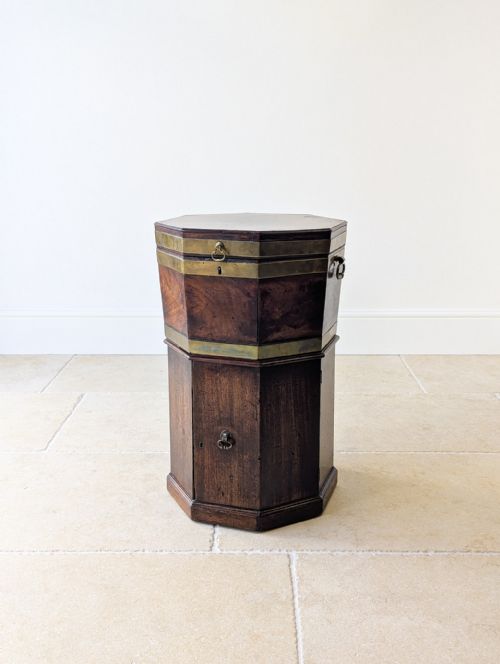
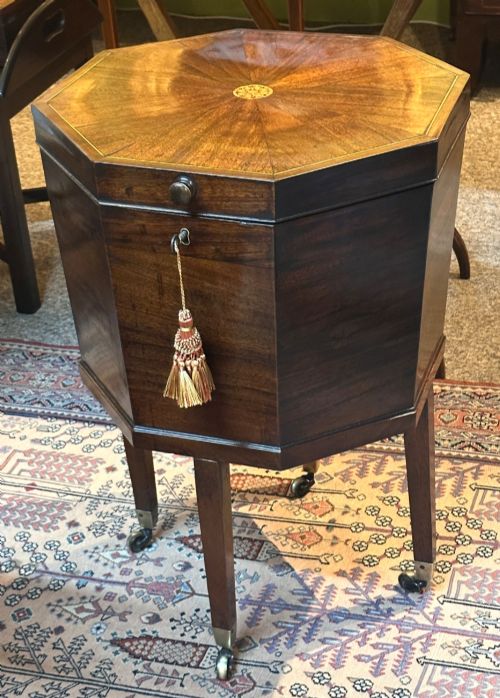
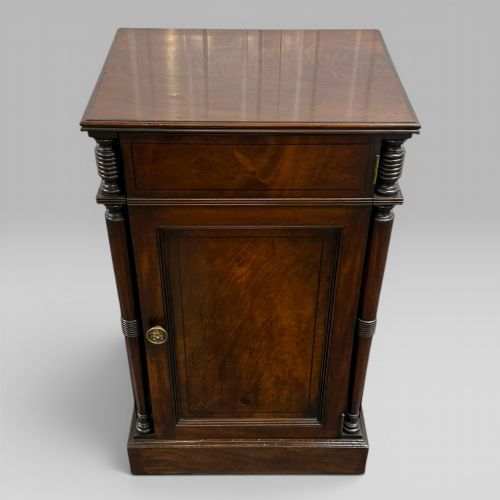
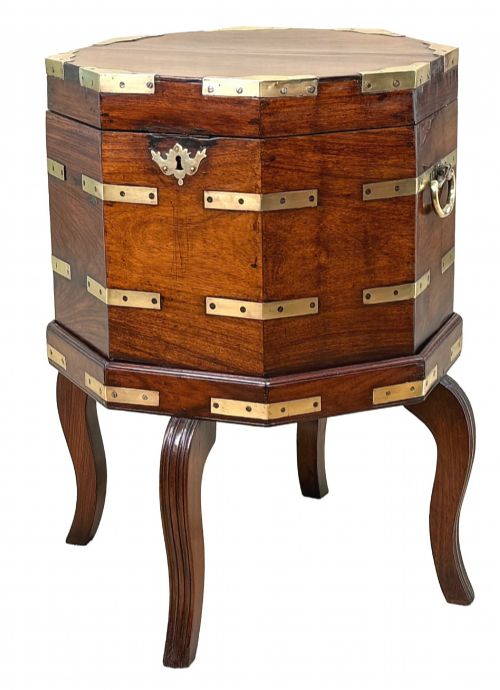
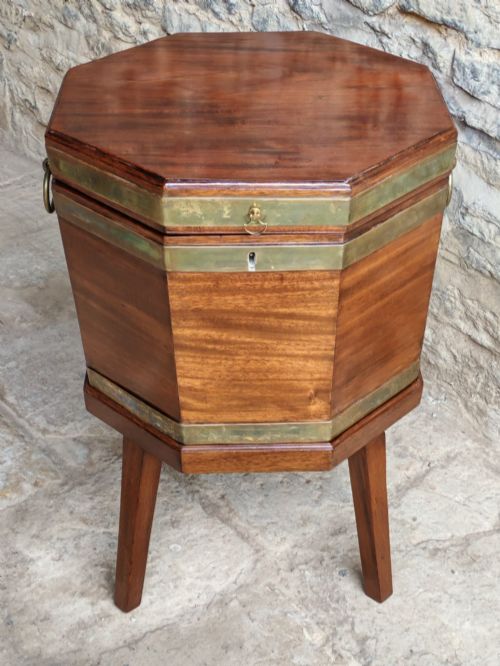
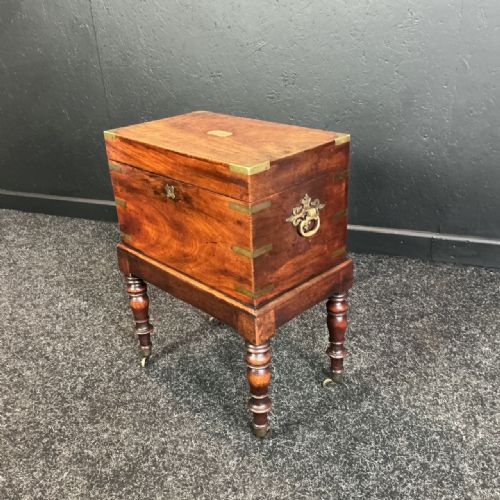
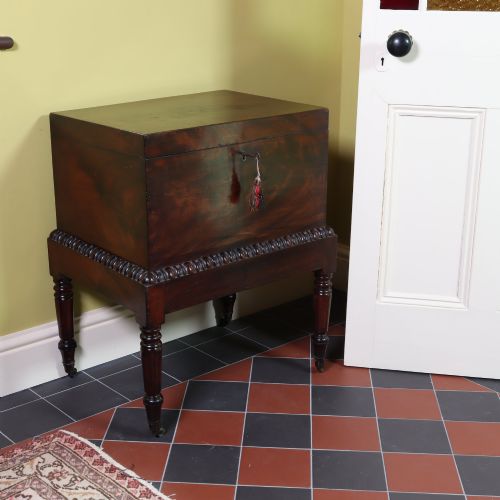

Mahogany Wine Cabinet
A mahogany wine cabinet holds your bottles with period dignity, bringing Georgian and Regency craftsmanship directly into your dining room.
Mahogany Wine Cabinet
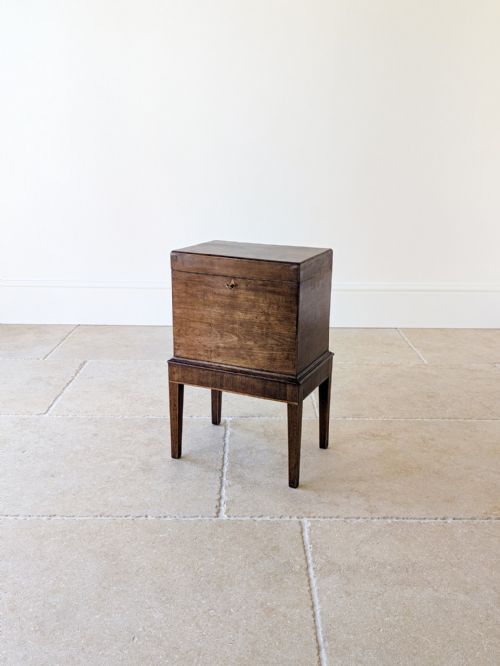
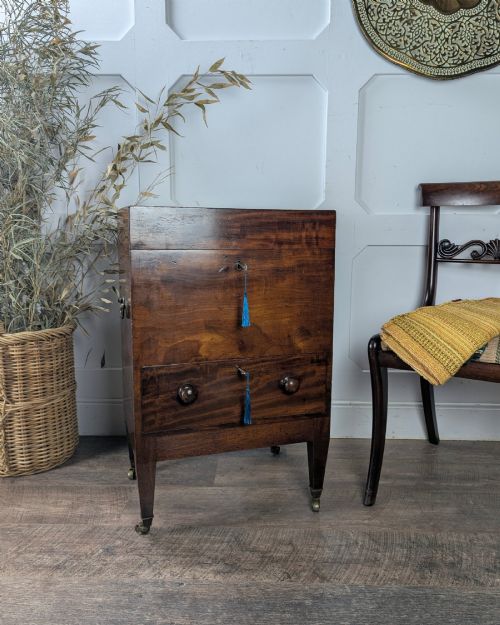
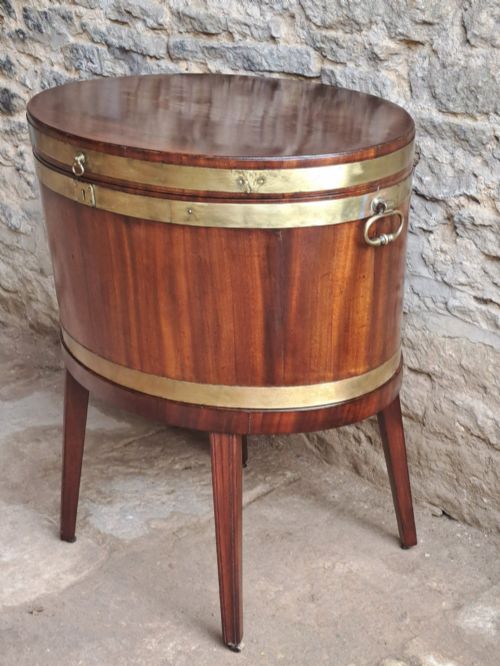
When you search for a mahogany wine cabinet, you encounter a specialised piece of antique furniture designed specifically for the secure and elegant storage of wine bottles and spirits. The pieces appearing here span several distinct periods, most notably the Georgian, Regency, and Edwardian eras, reflecting changing domestic habits in British homes.
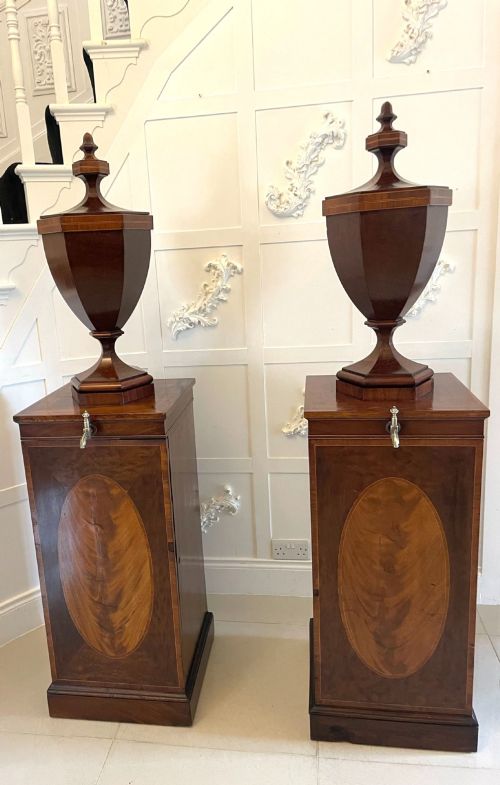
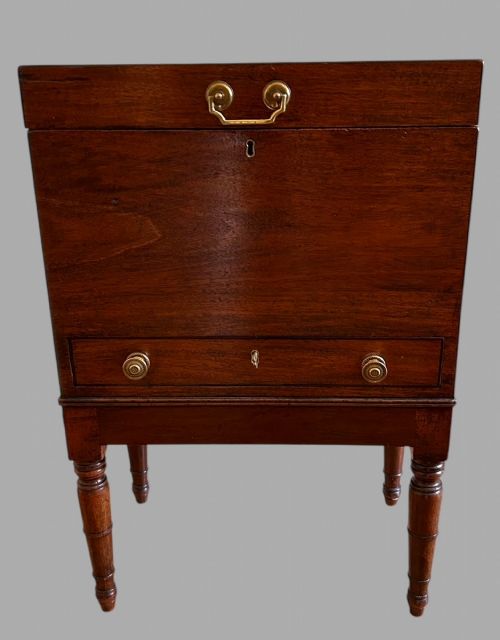
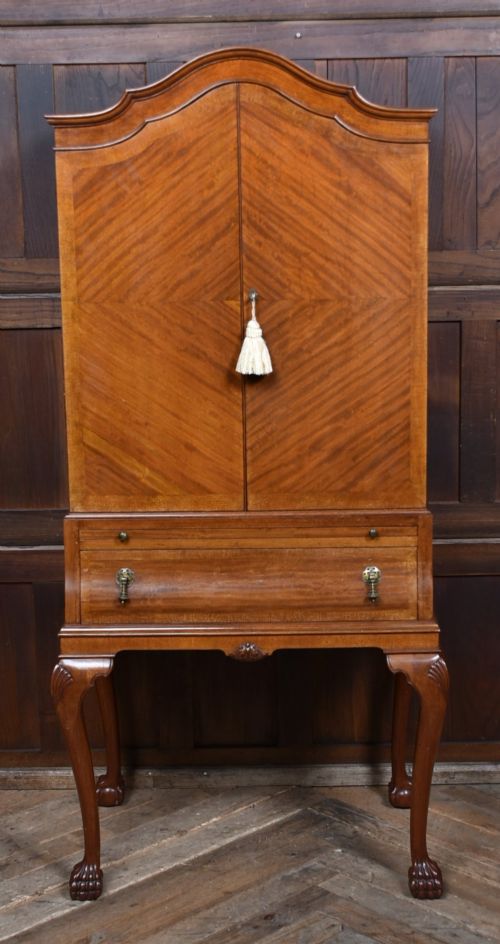
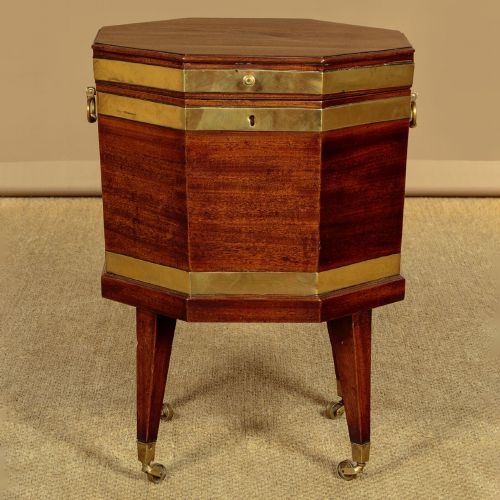
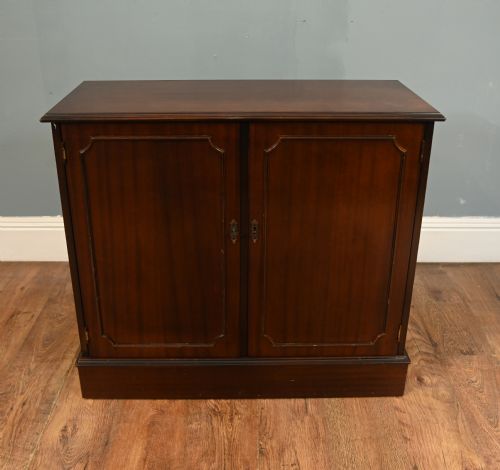
The forms you are most likely to meet on this page include traditional cellarettes, wine coolers, octagonal and oval storage boxes, pedestal cupboards, and drinks cabinets. These objects range from compact floor chests to elaborate urns on stands and side cabinets intended for the dining room.
Origins represented in the current selection include English workshops alongside Anglo-Indian colonial examples, demonstrating how widely timber furniture travelled and evolved during the eighteenth and nineteenth centuries. Alongside original period pieces, you will also encounter later revival interpretations from the Victorian and Edwardian periods.
Materials and construction methods
Cabinet makers relied primarily on solid mahogany and rich flame mahogany veneers, frequently enhanced with contrasting boxwood and satinwood inlay to define the panels and borders. Timber selection was paramount, ensuring the wood could withstand both the weight of glass bottles and the humid conditions of the dining room.
Metalwork played a structural and decorative role, featuring heavy brass bandings, carrying handles, ormolu mounts, and lead linings designed to hold melting ice for chilling bottles. Joinery techniques from the Georgian and Regency periods ensured these heavy storage boxes remained rigid and durable over centuries of use.
Some nineteenth-century cellarettes double as plate-warmers or hunting day boxes, proving that dining room storage was expected to multitask.
Factors separating the finest examples
Quality in a mahogany wine cabinet rests upon the choice of timber figure, the crispness of any boxwood inlay, and the retention of original internal fittings such as bottle dividers and lead linings. Pieces utilising highly figured flame mahogany or dramatic brass binding command attention for their visual impact.
The hand of the maker dictates the upper tier of the market, particularly when documented work from notable workshops or attributed makers like Gillows demonstrates superior carving and joinery. Untouched original stands, matching pedestals, and undamaged ormolu mounts further elevate an example above standard utility pieces.
Gillows·Gillingtons
The Mahogany Wine Cabinet Glossary
- Cellarette
- A lockable container used for storing wine and spirits within the dining room. They often sat beneath the sideboard or stood upon their own dedicated legs.
- Wine Cooler
- A vessel traditionally lined with lead or zinc to hold ice alongside bottles at the table. Many examples take an octagonal or oval form.
- Flame Mahogany
- A veneer cut from the fork of the mahogany tree to produce a swirling, flame-like pattern. Cabinet makers used this to create decorative impact on primary display surfaces.
- Boxwood Inlay
- Contrasting pale wood inserted into darker mahogany surfaces to form decorative lines or geometric patterns. Sheraton and George III pieces frequently display this detail.
- Pedestal
- A supporting column or cupboard base designed to elevate a wine urn or cabinet. They often contain internal storage for glasses or related accessories.
- Orsino and Ormolu
- Gilded bronze mounts applied to furniture for decorative enrichment. They appear on select Regency and Georgian pieces to highlight the corners and handles.
Mahogany Wine Cabinet: Frequently Asked Questions
What is a cellarette?
A cellarette is a dedicated storage chest designed to hold wine bottles securely near the dining table. They were often lined with lead to accommodate ice for chilling.
During the Georgian and Regency periods, these boxes sat on the floor beneath sideboards or rested upon their own dedicated stands for easy access during meals.
How do I date a mahogany cabinet?
Dating relies on observing the timber grain, construction methods, hardware styles, and overall proportions. Georgian and Regency pieces typically show hand-cut dovetails and heavy brass fittings.
Later Victorian and Edwardian examples often incorporate revival styles, machine-sawn elements, and lighter internal configurations suited to changing domestic needs.
Were these cabinets lined with lead?
Many period wine coolers and cellarettes feature original lead or zinc linings designed to hold ice safely. This allowed hosts to chill wine directly at the table.
Over the centuries, some linings have been removed or replaced, so inspecting the interior helps determine the piece's original function and state of preservation.
Where should I place one at home?
A mahogany wine cabinet serves well in a dining room, living space, or hallway as a striking standalone furniture piece. Their enclosed storage keeps bottles and glassware neatly concealed.
Ensure the cabinet sits away from direct heat sources and strong sunlight to protect the mahogany polish and prevent the wood from drying out.