
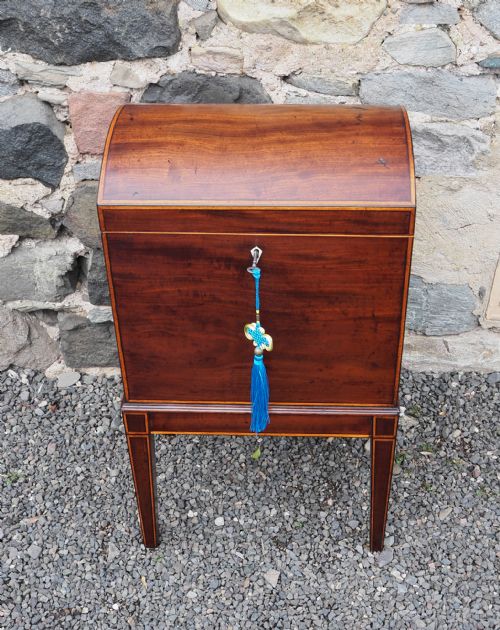


Antique Mahogany Pedestal Cooler
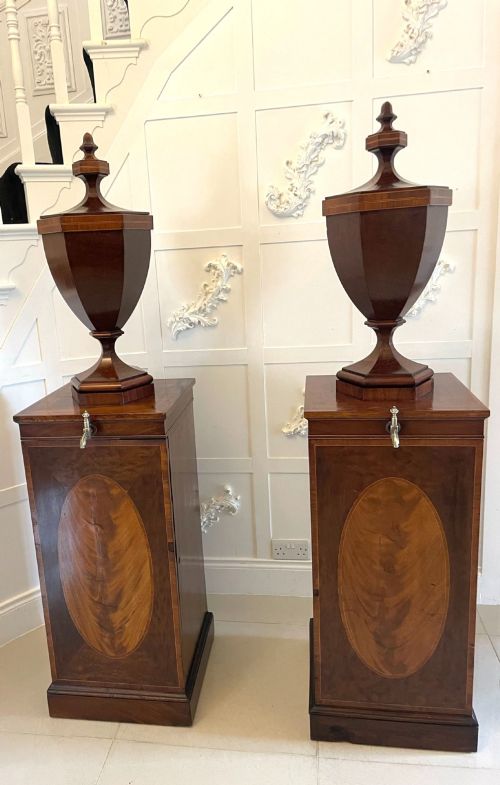
These antique mahogany pedestal cooler pieces are stately receptacles for chilling wine and warming plates, crafted to anchor a formal dining room.
Antique Mahogany Pedestal Cooler
The search for an antique mahogany pedestal cooler brings up grand dining room furnishings designed to hold ice, wine bottles, or tea, frequently taking the form of cellarettes, wine coolers, and pedestal urns. These vessels originate primarily from the Georgian, Regency, and Victorian periods, reflecting the formal entertaining habits of high society.
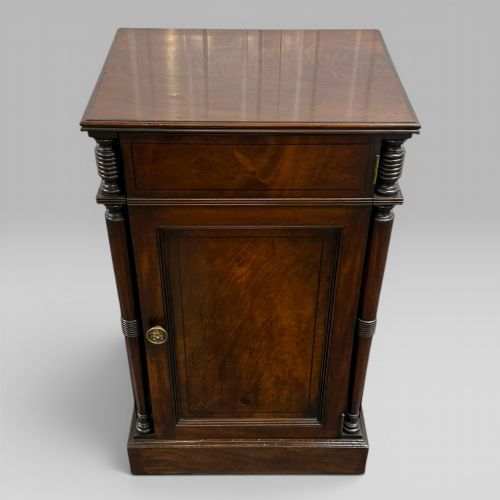
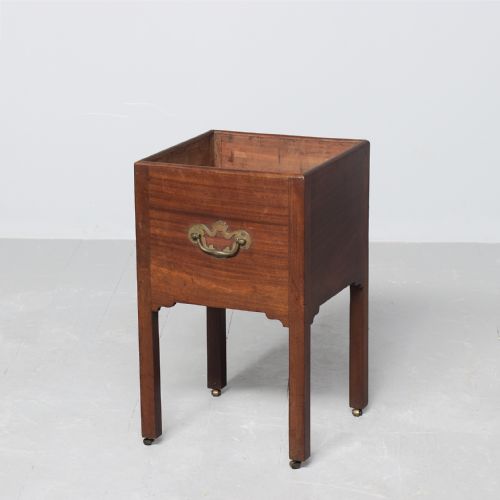
Buyers will most commonly encounter Georgian and Regency examples on this page, often featuring rich mahogany timber sometimes paired with walnut or ebonised wood. Alongside traditional wine coolers, the listings encompass related forms like jardinière stands, peat buckets, and plate-warmer pedestals.
How they were made
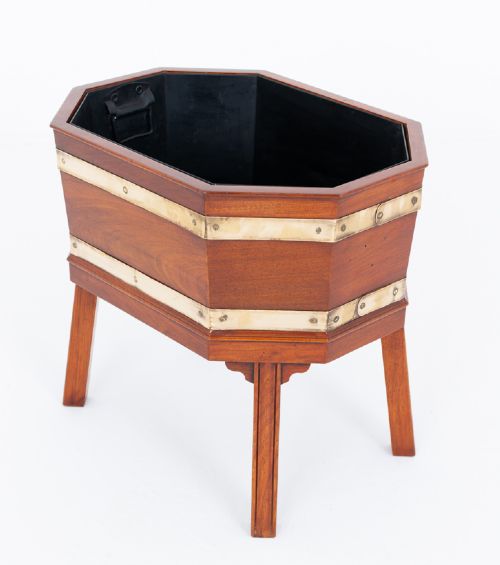
Cabinet makers constructed these vessels from dense mahogany, occasionally incorporating contrasting satinwood, boxwood inlay, or walnut to define panels and borders. Metal elements such as brass bands, linings, and mounts provided structural reinforcement and functional utility for holding ice and liquids.
Joinery techniques ranged from traditional box construction to turned pedestals and coopered stave bodies for bucket forms. Inlaid details utilised fine stringing and botanical motifs executed by hand.
Materials utilised across these items include solid mahogany, walnut, satinwood, ebonised wood, boxwood inlay, brass, and copper.
What varies in quality
Quality rests in the selection of the timber figures, where rich flame or straight-grained mahogany indicates superior cabinet work. The crispness of inlaid boxwood and satinwood details further separates standard production from pieces commissioned for prominent households.
The integration of original brass fitments, such as lion mask ring handles and sturdy internal liners, elevates a piece above those altered or stripped of their functional hardware over time.
Gillows
The Antique Mahogany Pedestal Cooler Glossary
- Cellarette
- A lockable container used for storing wine bottles securely within a dining room. These were frequently kept beneath sideboards or mounted on pedestals.
- Jardiniere
- An ornamental stand or pot designed to hold plants and flowers indoors. They appear in mahogany and walnut across Georgian and Victorian periods.
- Coopering
- The method of binding wooden staves together with metal bands to form a watertight vessel. This technique was essential for wine coolers intended to hold ice.
- Teapoy
- A small pedestal table fitted with a lidded box for storing tea leaves. These small containers often mirrored the decorative veneer work found on larger wine coolers.
Antique Mahogany Pedestal Cooler: Frequently Asked Questions
What was a pedestal cooler used for?
These vessels held ice and bottles of wine close to the dining table during formal meals. Servants would retrieve chilled bottles from the container without needing to return constantly to the cellarette.
They also served as decorative centrepieces in grand dining rooms, demonstrating the host's wealth through fine mahogany and intricate brass mountings.
How do I distinguish Regency from Victorian examples?
Regency pieces, spanning the early nineteenth century, typically exhibit classical proportions with precise brass inlay, boxwood stringing, and restrained architectural lines. They reflect an aesthetic heavily influenced by ancient Roman and Greek design.
Victorian items tend to feature heavier proportions, darker walnut or mahogany timbers, and more exuberant carved ornamentation without the strict neoclassical balance of the earlier Regency style.
Can I use an antique cooler for plants?
Many pieces listed as jardinières or planter stands were originally intended for botanical display, making them entirely suited for holding potted plants today. If utilising a traditional wine cooler for plants, a protective internal liner should be inserted to prevent moisture damage to the antique wood.
Care must be taken to shield the polished mahogany surface from water splashes and direct dampness.
Where should I place a pedestal cooler at home?
These substantial pieces anchor a dining room effectively when positioned against a wall or in an empty corner near a sideboard. Their vertical presence makes them suitable for displaying trailing plants or holding items on top when not utilised for dining.
Keep them away from direct heat sources and strong sunlight to protect the aged mahogany finish and prevent timber splitting.