


Early 19th Century Cellarette
An early 19th century cellarette is a substantial timber vessel built to hold bottles at the dining table, prized for rich grain and period presence.
Early 19th Century Cellarette
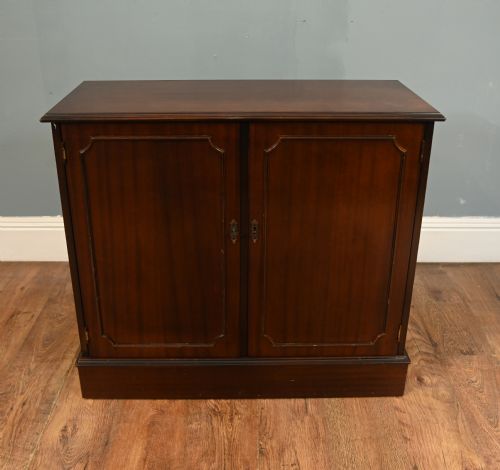
An early 19th century cellarette is a dedicated timber piece designed to store and cool wine bottles near the dining table. The listings show forms ranging from sarcophagus shapes on paw feet to rectangular campaign boxes and wall-mounted pieces.
Most examples found here date to the Regency period and are built from mahogany. Makers of the era shaped these vessels as wine coolers or side cabinets, often incorporating lead or zinc linings for ice and bottles.
Buyers will encounter various stylistic interpretations, including Grand Regency, William IV, and Victorian iterations. These pieces function as decorative focal points in a dining room while retaining their original storage utility.
How they were made
Cabinet makers built these pieces using solid mahogany and flame mahogany veneers over secondary timbers. Surfaces frequently display brass banding, brass handles, and occasionally satinwood inlay.
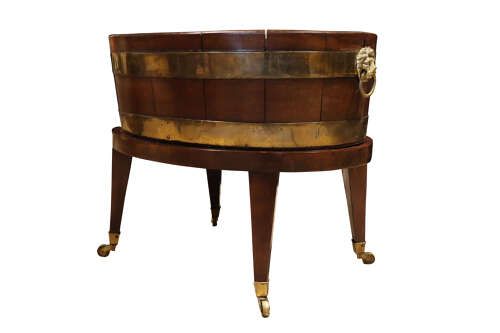
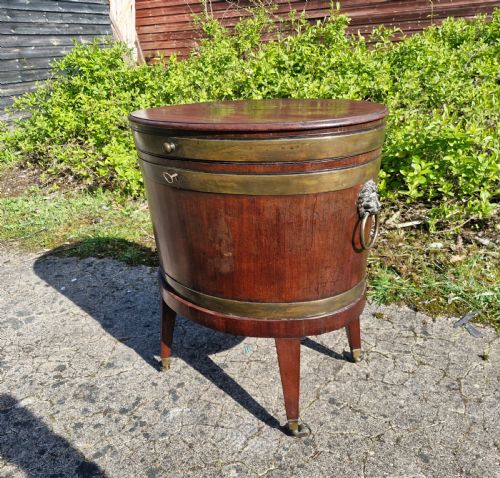
Interiors were often lined with lead or zinc to hold melting ice and water safely without damaging the surrounding wood. Coopering techniques were utilised for circular and oval vessels, binding wooden staves together with metal hoops.
Early 19th Century Cellarette Retail Price Guide 2026
Typical asking prices for early 19th century cellarette among the pieces listed under this phrase on Sellingantiques today, from the lower quarter to the upper quarter. They describe what is for sale here now, not the wider market.
The listings show mahogany as the predominant material, accompanied by brass, zinc, lead, glass, and satinwood inlay across multiple periods.
What varies in quality
Quality rests in the selection of timber figures, such as dense flame mahogany, and the crispness of applied brass mounts or carved details like paw feet. Superior examples exhibit tighter joinery and well-preserved interior linings.
Attribution to documented workshops elevates a piece, as seen with works linked to Gillows of Lancaster and London. The overall proportion and balance of the design separate standard production items from masterworks.
Gillows of Lancaster and London
The Early 19th Century Cellarette Glossary
- Cellarette
- A lockable container used for storing wine bottles near the dining table. They evolved from wooden buckets into elaborate side furniture during the Georgian and Regency periods.
- Coopered
- Built using vertical wooden staves fitted together and bound with metal hoops, much like a barrel. This technique provided strength for vessels holding heavy liquids.
- Sarcophagus
- A coffin-like shape with a stepped or domed lid, popular for large wine coolers and cellarettes during the Regency period. It often rested on carved feet such as lions' paws.
- Flame mahogany
- A veneer cut from the fork of the mahogany tree where branches meet the trunk, producing a rippling flame pattern. Cabinet makers used this on prominent surfaces to catch the eye.
- Campaign cellarette
- A portable version designed for travel, featuring recessed brass carrying handles and robust construction. These pieces allowed officers to transport wine during military campaigns.
Early 19th Century Cellarette: Frequently Asked Questions
What is the difference between a cellarette and a wine cooler?
A cellarette typically refers to a lockable chest or box designed to hold bottles securely under lock and key. A wine cooler often describes an open vessel or a basin-style piece intended to chill bottles in ice water during a meal.
In practice, makers and merchants used the terms interchangeably during the period. Both forms appear frequently in mahogany and served the same dining room function.
How were bottles stored inside these pieces?
Bottles were laid horizontally or stood upright within fitted interior partitions, depending on the depth and design of the chest. Many examples feature lead or zinc linings to keep melting ice contained while protecting the timber.
Dividers inside the box kept bottles from rolling against each other during service. Some pieces also included internal racks for organising different vintages.
Where should I place a cellarette in a modern home?
These pieces sit well in dining rooms, living spaces, or hallways as side cabinets or serving surfaces. Their substantial timber presence makes them effective standalone furniture items rather than hidden storage.
Placing them away from direct heat sources helps protect the mahogany and any delicate veneers. Many owners continue to use them for storing bottles or serving accessories.
How do I distinguish Regency cellarettes from later Victorian ones?
Regency pieces often display classical architectural motifs, brass inlay, and bolder proportions influenced by French and English design trends. They frequently feature distinct shapes like the sarcophagus or crisp rectangular forms with brass paw feet.
Victorian examples tend towards heavier carving and darker finishes associated with mid-century taste. Examining the construction methods and secondary woods helps confirm the period of manufacture.