
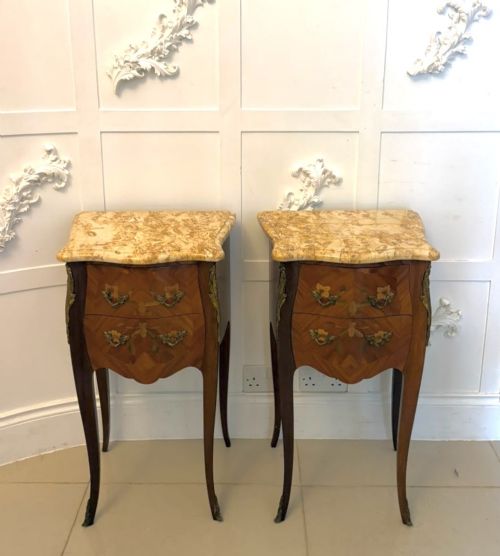
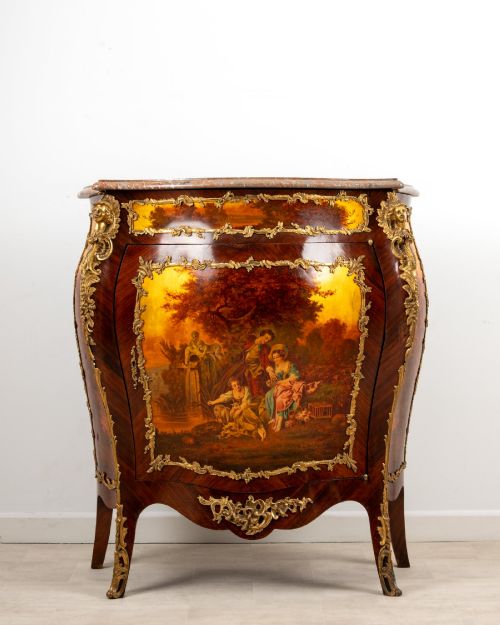
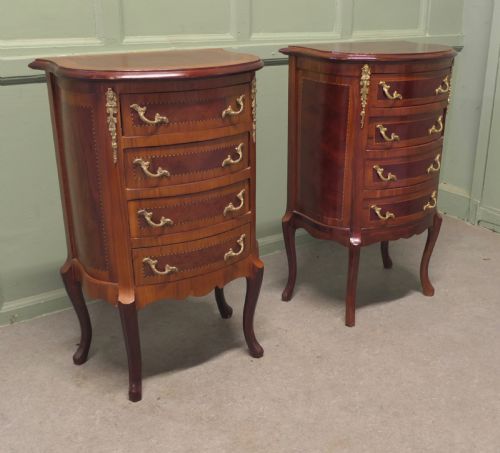

Louis XV Side Cabinet
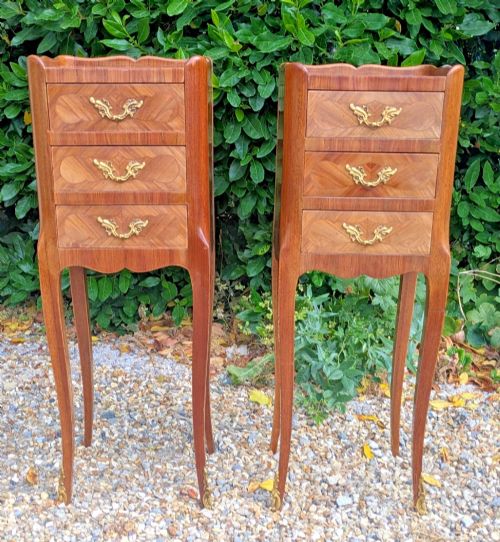
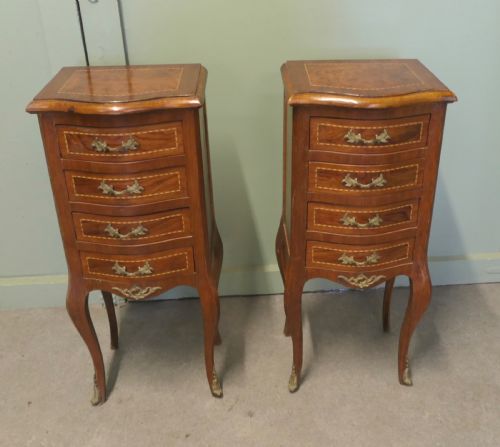
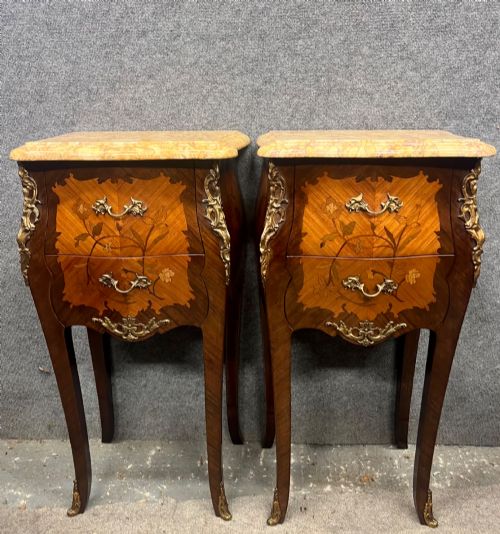
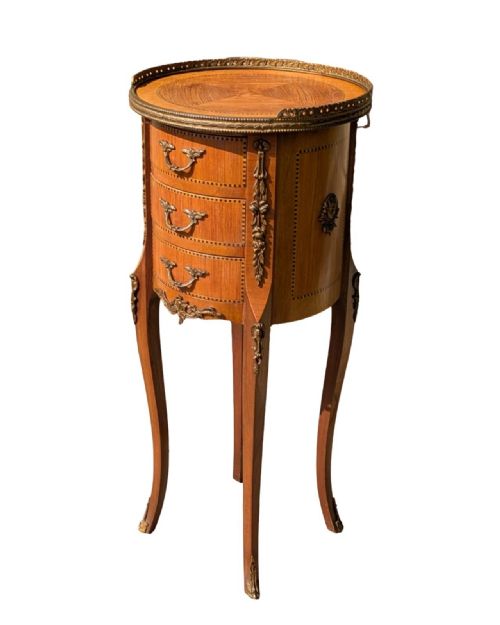
A louis xv side cabinet brings curved rococo lines and fine French marquetry to an interior, offering practical bedside or living space storage.
Louis XV Side Cabinet
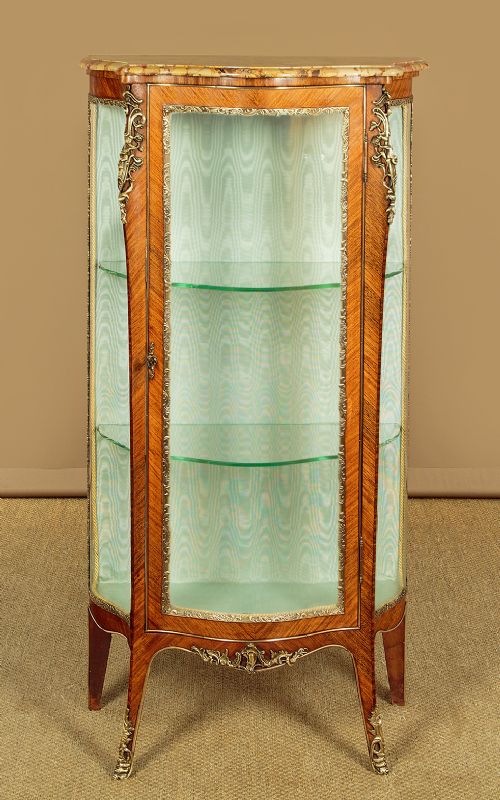
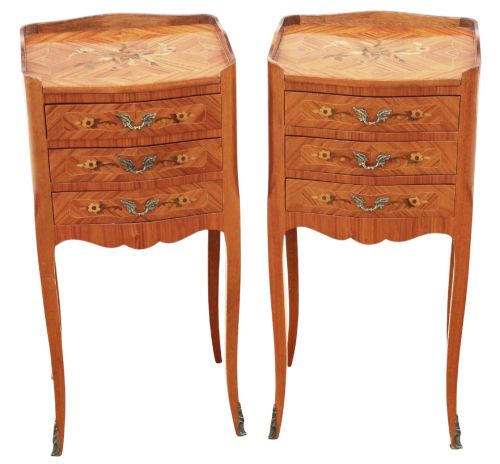
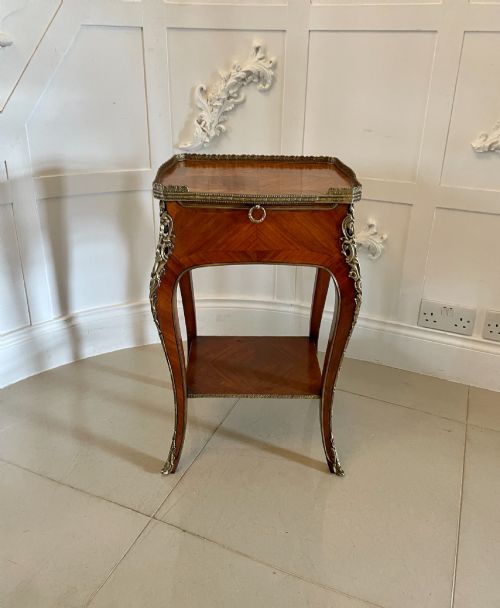
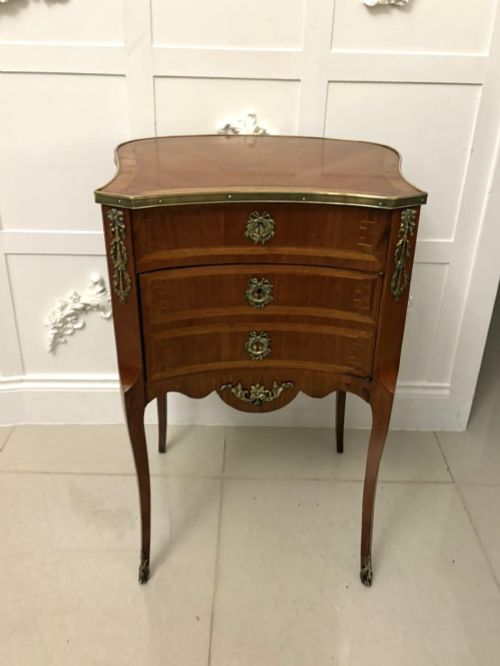
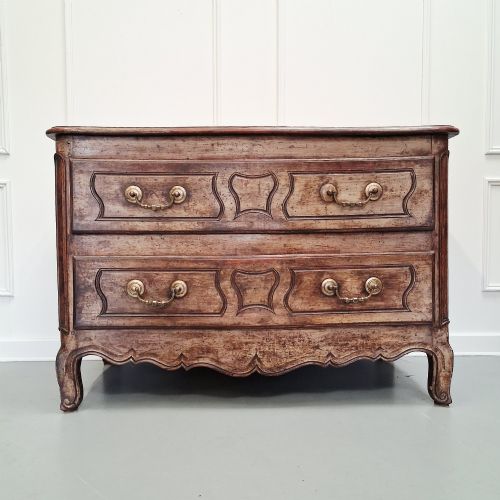
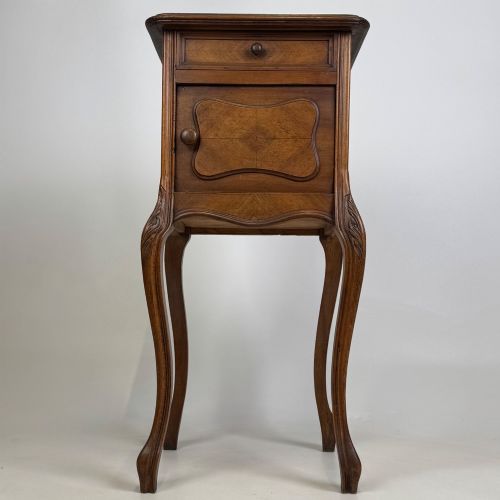
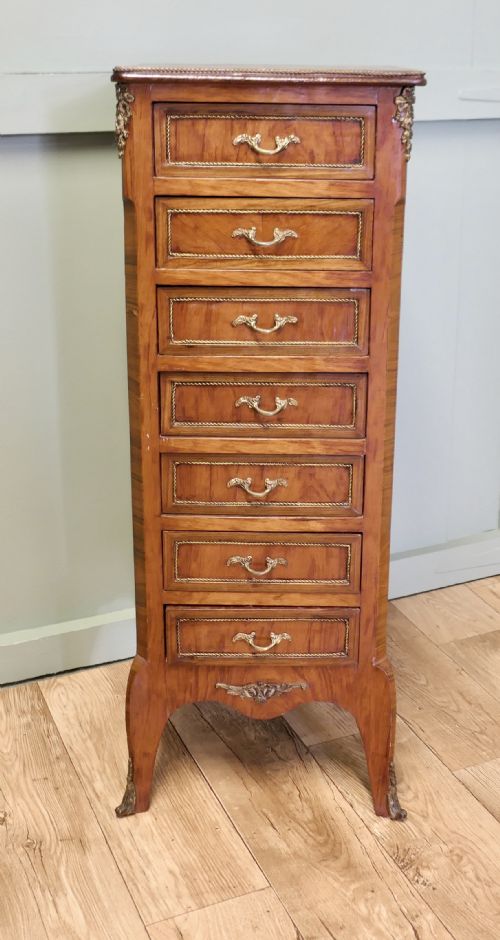
A louis xv side cabinet encompasses a variety of compact storage forms, including bedside tables, commodes, lamp tables, and small chests of drawers designed for domestic use. The examples met on this page span origins from mid eighteenth century pieces to later revival iterations produced across the nineteenth and twentieth centuries.
The most frequent variations encountered in the listings are bedside cabinets and lamp tables executed in the revival taste, alongside substantial commodes and serpentine fronted cupboards. These items reflect the enduring demand for continental proportions and decorative wood veneers within domestic settings.
Materials and Construction
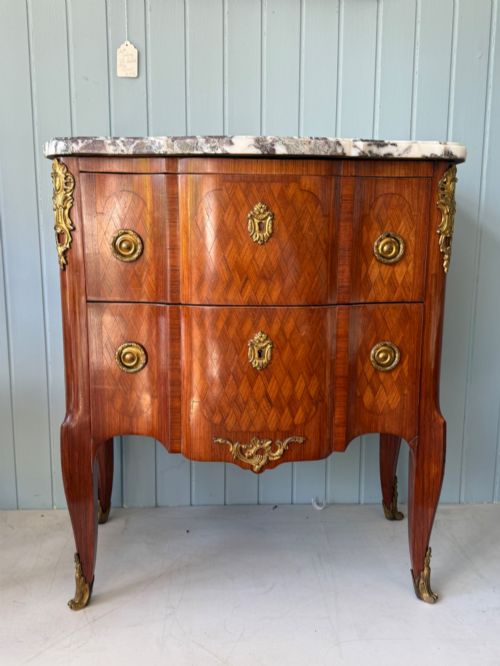
Makers utilised supportive foundational timbers such as oak and walnut, overlaid with decorative veneers including kingwood, rosewood, and tulipwood arranged in intricate marquetry or parquetry patterns. Surfaces frequently incorporate shaped marble tops, ranging from white to coloured varieties fitted to follow the serpentine contours of the carcase.
Cast and chased brass, ormolu, and gilt bronze mounts accentuate the structural corners, handles, and apron mounts, echoing the decorative vocabulary of the eighteenth century. Vernis Martin finishes and hand painted details also appear across select cabinets, adding polychrome visual depth to the wood surfaces.
Louis XV Side Cabinet Retail Price Guide 2026
Typical asking prices for louis xv side cabinet among the pieces listed under this phrase on Sellingantiques today, from the lower quarter to the upper quarter. They describe what is for sale here now, not the wider market.
Listings span a chronological spread from mid eighteenth century originals to twentieth century interpretations in oak, walnut, and kingwood.
Evaluating the Range
The distinction between standard and superior pieces rests on the precision of the veneer work and the crispness of the cast bronze or ormolu mounts. Finer cabinets display harmonious grain matching across curved drawer fronts and tight joints where the serpentine timber meets the marble top.
Secondary wood selection and the fluidity of hand carved elements also define the tier of a piece, separating mass produced twentieth century revival items from master cabinetmaker productions.
Edward Holmes Baldock·E. Kahn
The Louis XV Side Cabinet Glossary
- Marquetry
- Decorative veneer work forming pictorial or geometric patterns using various coloured woods. This technique requires meticulous hand cutting and fitting of individual wood segments into a background veneer.
- Ormolu
- Gilt bronze mounts applied to furniture for decorative enrichment. The process involves coating cast bronze with a mercury and gold amalgam before heating.
- Bombe
- A swelling, convex outward curve on the sides and front of a piece of furniture. This contour demands advanced woodworking skill to shape internal and external timbers correctly.
- Serpentine
- A curved line composed of a convex centre flanked by two concave curves. It provides fluid movement to the front profile of tables and cabinets.
Louis XV Side Cabinet: Frequently Asked Questions
How do I identify a true period piece from a revival copy?
Examination of construction methods, timber shrinkage, and hand cut dovetails helps distinguish eighteenth century originals from nineteenth and twentieth century revival pieces. Secondary woods and tool marks inside the carcase often reveal the true manufacturing era.
Revival furniture made around nineteen hundred frequently employs machine assistance or different framing techniques while closely imitating the earlier rococo aesthetic.
Where were these cabinets originally placed in a home?
These small storage items served primarily as bedside nightstands, intimate salon pieces, or auxiliary lamp tables in drawing rooms. Their compact proportions allowed them to fit neatly into corners or beside seating.
The inclusion of marble tops made them suitable for holding water pitchers, lamps, or decorative objects without risking damage to the wood surface underneath.
How should I care for marble and veneer surfaces?
Marble tops require regular wiping with a soft, damp cloth and neutral soap to prevent staining from liquids or cosmetics. Acidic substances like citrus juice can etch the polished stone surface if left unattended.
Wood veneers benefit from occasional gentle waxing with quality beeswax and protection from direct sunlight and extreme humidity fluctuations to prevent warping or cracking.
What distinguishes Louis XV style from Louis XVI style?
Louis XV design relies on asymmetrical curves, flowing cabriole legs, and organic rococo scrollwork without rigid straight lines. The overall effect emphasises dynamic movement and naturalistic floral marquetry.
Louis XVI style introduces neoclassical restraint, featuring straight fluted legs, symmetrical geometric parquetry, and rectangular proportions inspired by classical antiquity.