

Louis XV Marquetry Desk
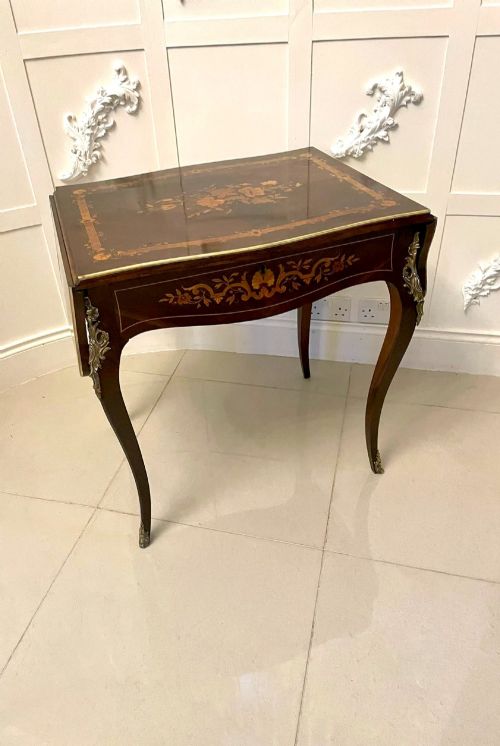
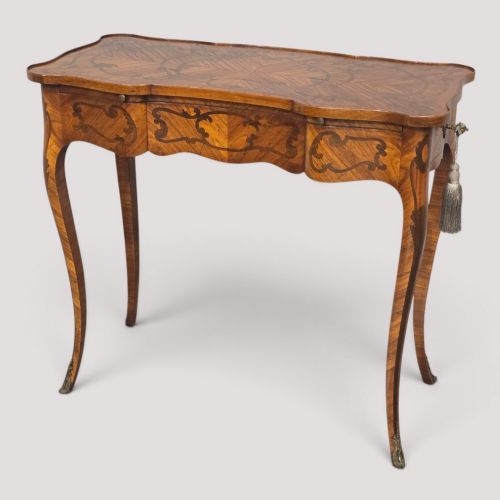
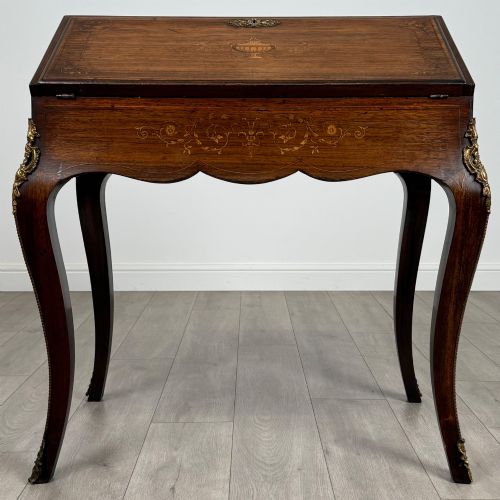
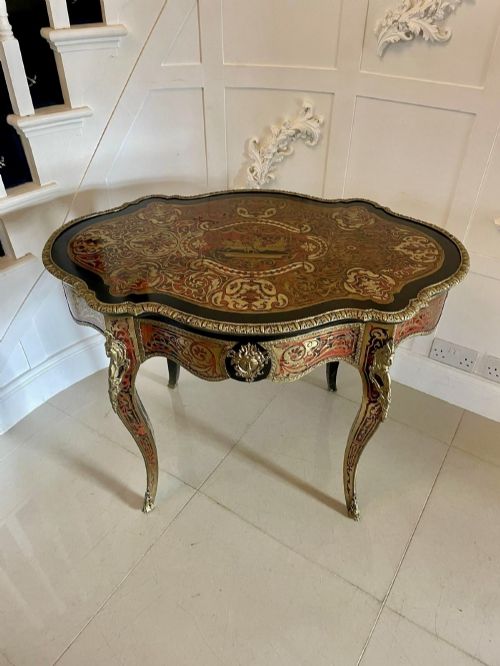
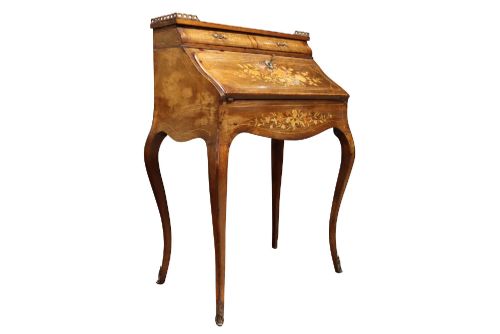
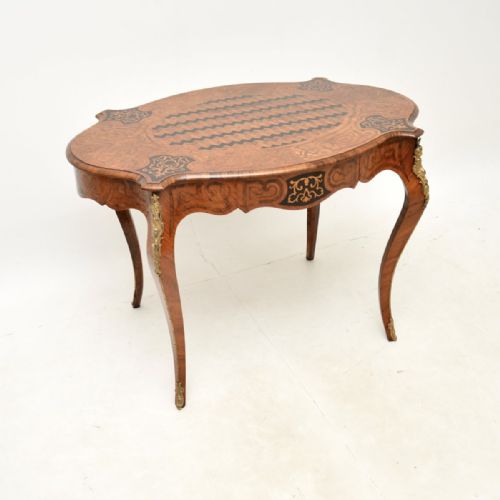
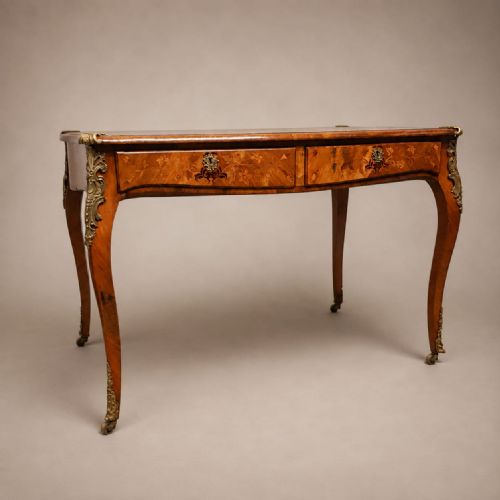
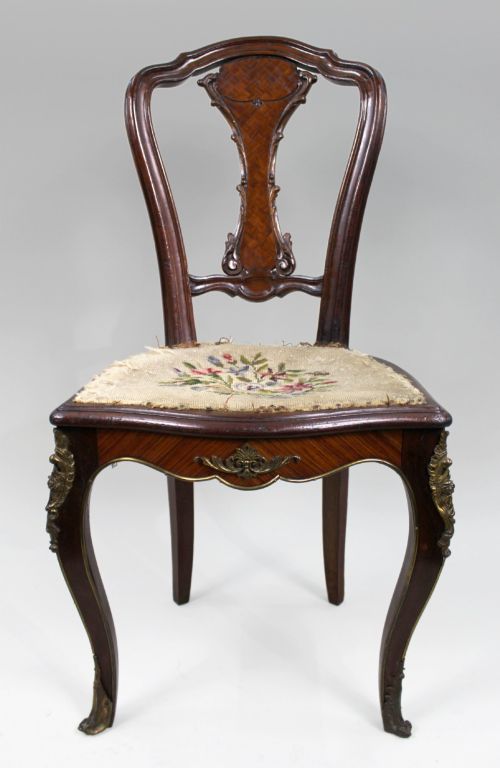
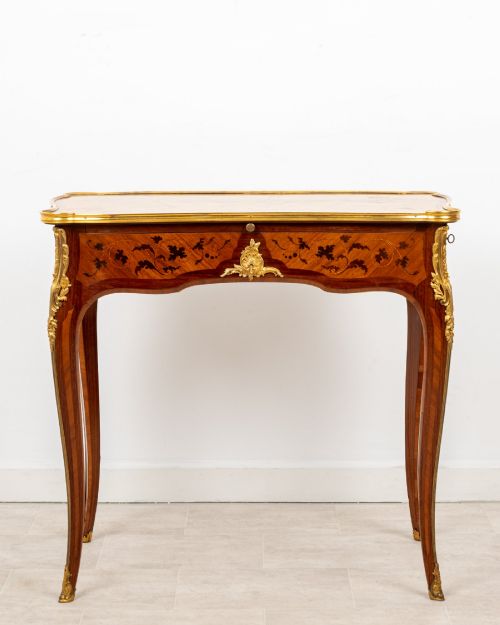
A louis xv marquetry desk brings floral wood veneers and sinuous curves into a room, offering a decorative workspace built in the French revival taste.
Louis XV Marquetry Desk
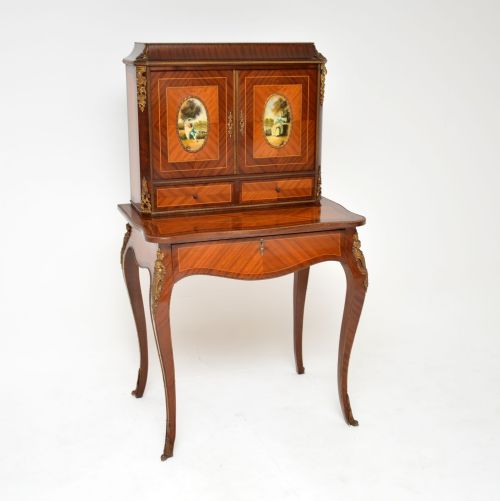
When you search for a louis xv marquetry desk, you are looking at nineteenth-century furniture built in the French Rococo revival style. These pieces span bureau plats, writing tables, and bonheur-du-jours.
The most common versions on this page date from the Victorian era up to nineteen-thirty, drawing on eighteenth-century design vocabulary.
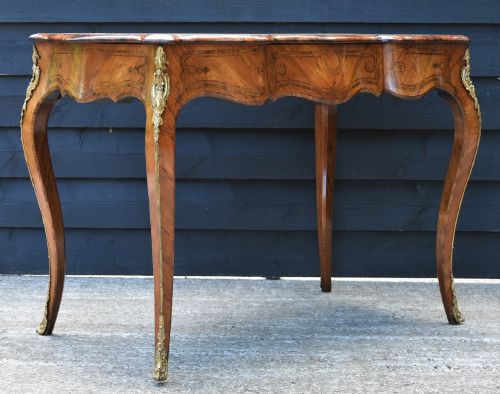
Makers utilised serpentine forms, freestanding centre tables, and writing desks with leather inserts and intricate wood inlays.
How they were made
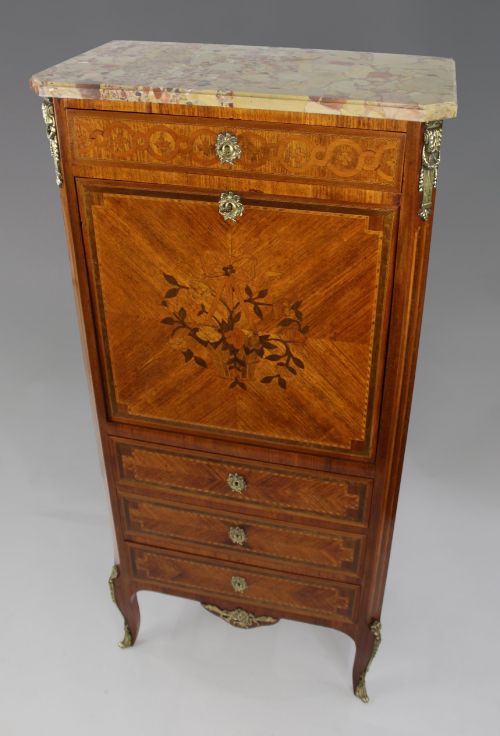
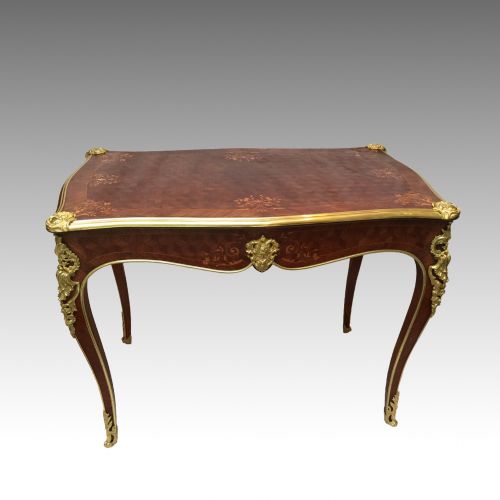
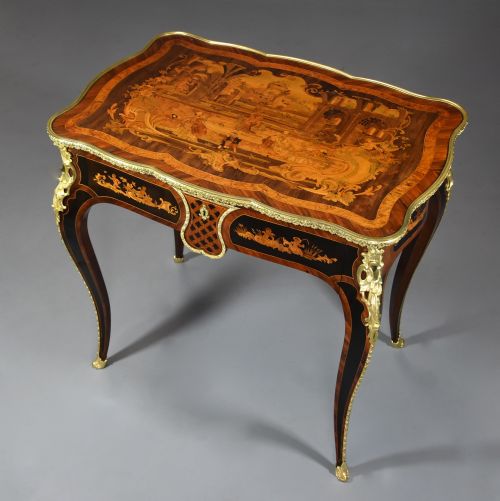
Cabinet makers applied fine veneers of kingwood, rosewood, walnut, and tulipwood over robust timber carcases, creating patterned marquetry and parquetry surfaces.
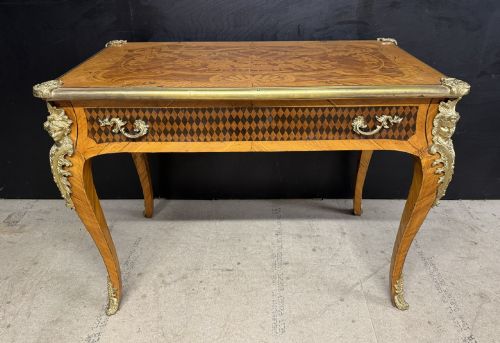
Gilt bronze and ormolu mounts were cast and chased to highlight the corners, legs, and aprons of the writing furniture.
Marble tops appeared on specific cabinet desks and escritoires, adding weight and polish to the upper sections.
Listings feature nineteenth-century dates including eighteen-sixty, eighteen-eighty, and nineteen-hundred, alongside walnut, kingwood, rosewood, and ormolu.
What varies in quality
The sophistication of the floral marquetry and the choice of contrasting timbers set one desk apart from another.
The crispness of the ormolu mounts and whether they retain their original gilding dictate the overall finish.
The structural integration of serpentine curves and the precision of the joinery mark the distinction between standard workshop output and exceptional cabinet-making.
Durand·Millet
The Louis XV Marquetry Desk Glossary
- Marquetry
- Decorative patterns formed by fitting together small pieces of wood veneer. This technique creates floral or pictorial scenes across the desk top.
- Bureau Plat
- A freestanding writing table fitted with drawers across the frieze. These desks usually feature leather writing surfaces.
- Ormolu
- Gilded bronze mounts applied to furniture edges and legs. This material provides metallic contrast to the polished wood veneers.
- Bonheur-du-Jour
- A light lady's writing desk featuring a small cabinet or set of shelves on the upper surface. These desks became popular during revival periods.
- Parquetry
- Geometric patterns constructed from wood veneers. Squares and diamonds form repeating motifs across the timber surface.
Louis XV Marquetry Desk: Frequently Asked Questions
How do I style a marquetry desk?
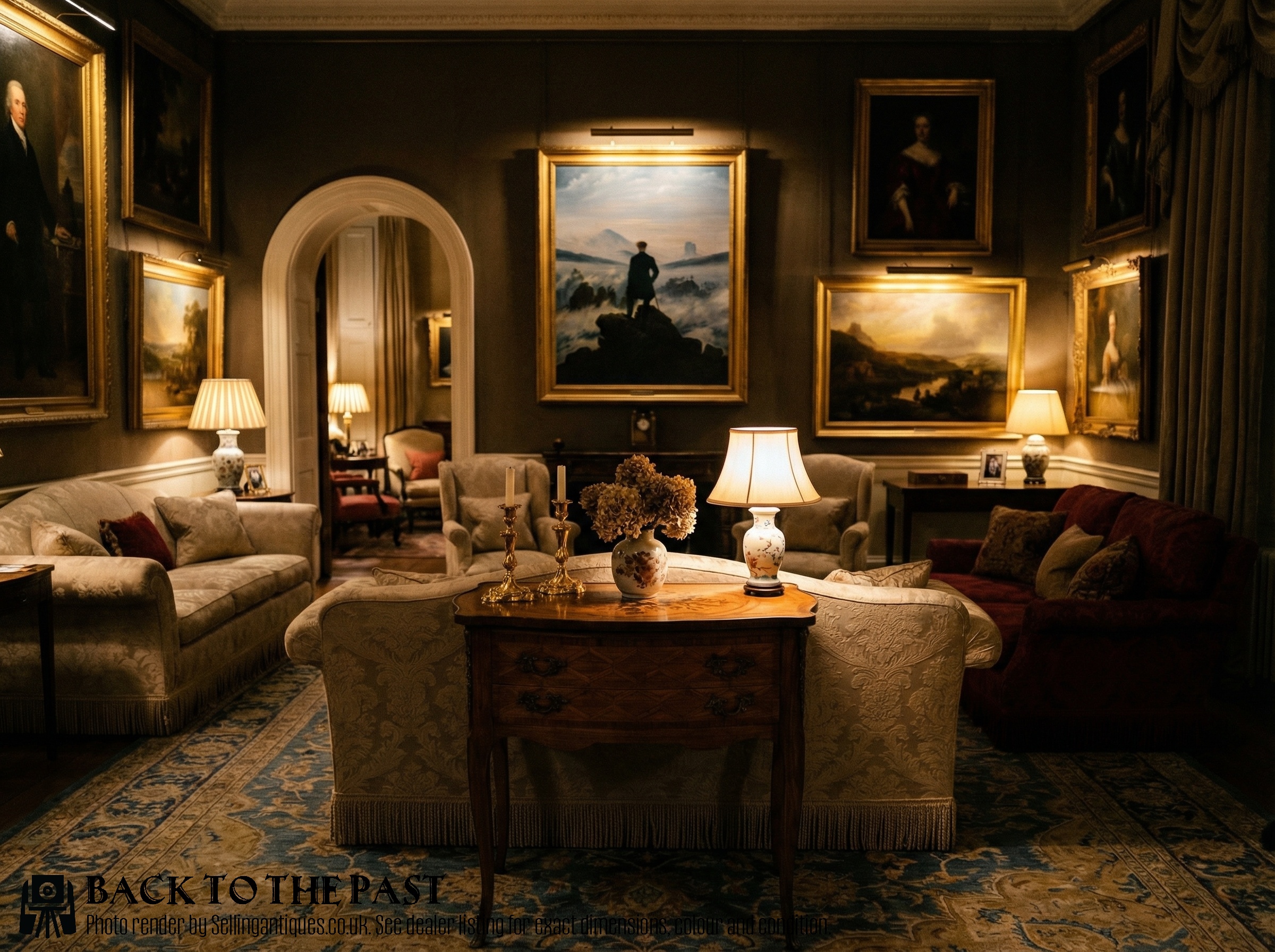
A marquetry desk works best as a freestanding centrepiece where the timber patterns can catch the light. Keep the surface uncluttered to allow the floral wood veneers to remain visible.
Pair the piece with simple seating to avoid competing with the intricate ormolu mounts and curved legs. Placing the desk away from direct sunlight preserves the natural tones of the rosewood and kingwood.
What is the difference between parquetry and marquetry?
Parquetry uses geometric shapes like cubes, squares, and triangles to create repeating patterns across the wood surface. It relies on orderly symmetry.
Marquetry employs curved organic shapes to build pictorial scenes, frequently depicting flowers or foliage. Both techniques appear across nineteenth-century revival furniture.
Are these desks original eighteenth-century pieces?
The majority of pieces listed under this search date from the nineteenth century, specifically the Victorian period and the eighteen-eighties to nineteen-hundreds. They represent the revival of French Rococo taste.
Cabinet makers of this later era deliberately copied the forms and marquetry techniques of earlier periods. These nineteenth-century interpretations remain distinct from original eighteenth-century examples.