
Nineteenth Century French Table
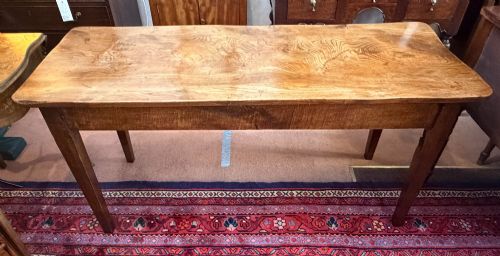
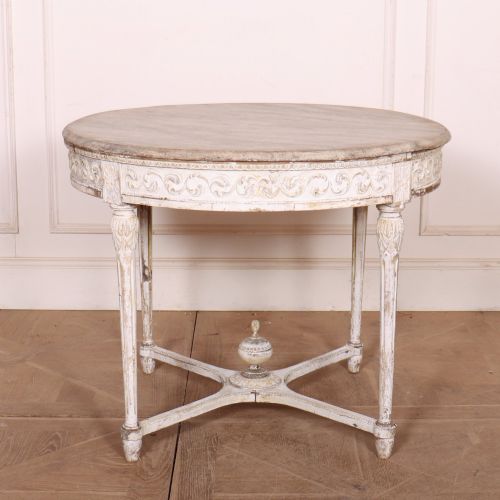
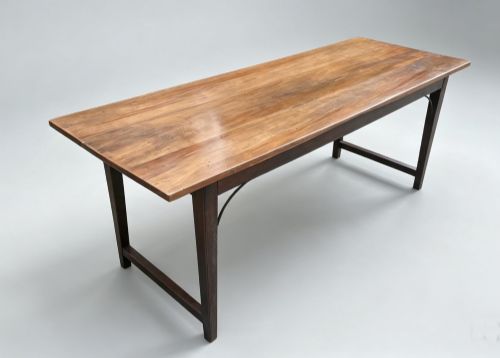
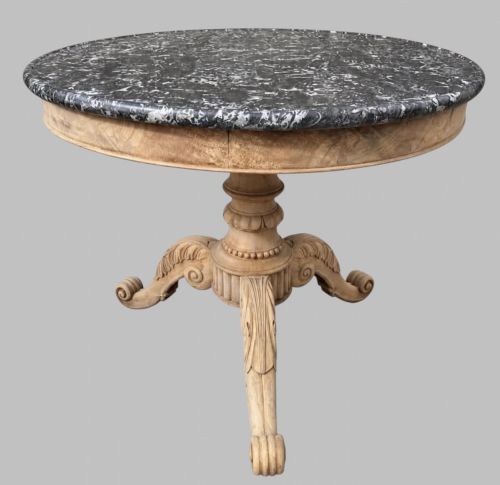
A nineteenth century french table brings warmth and rich timber work to a room, offering practical surface space layered with historic character.

Identifying a nineteenth century french table
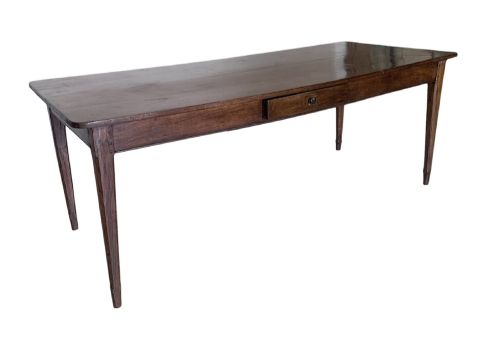
A nineteenth century french table covers a range of useful forms, from writing desks and side tables to dedicated dressing and work tables. Buyers searching for a nineteenth century french table encounter pieces spanning earlier classical influences through to elaborate revival designs and later vernacular furniture.
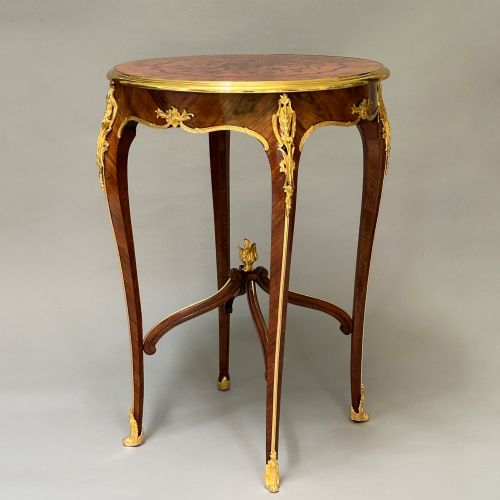
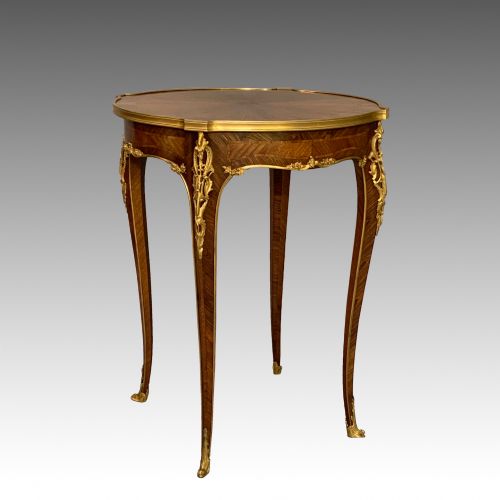
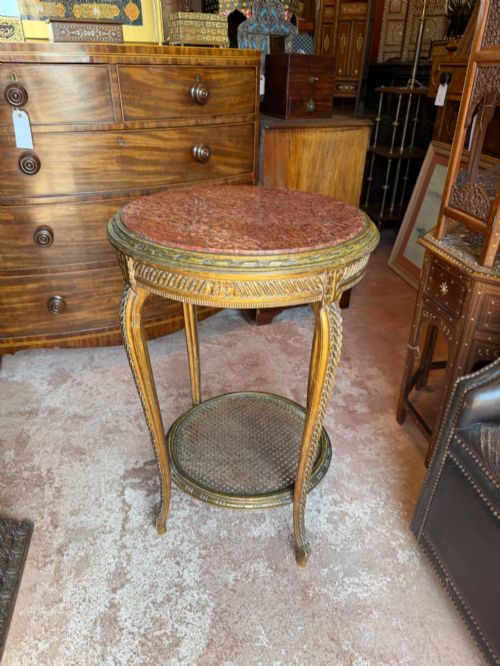
The most common examples on this page are occasional tables and work tables finished with decorative marquetry or parquetry. These smaller items served domestic spaces for writing, sewing, or displaying ornaments.
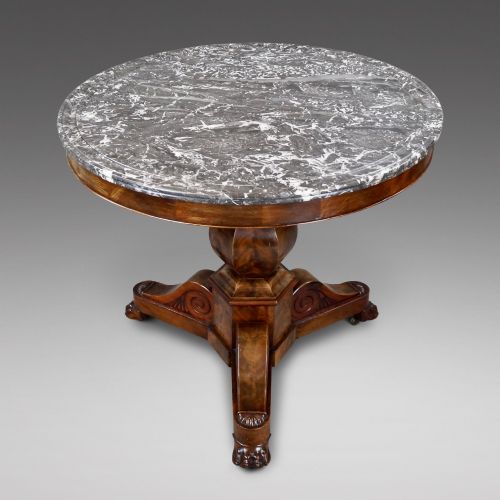
Originating across different decades of the period, these pieces reflect changing tastes from the formal symmetry of the Empire style to the fluid curves of Louis XV revivals and the dark polish of Napoleon III creations.
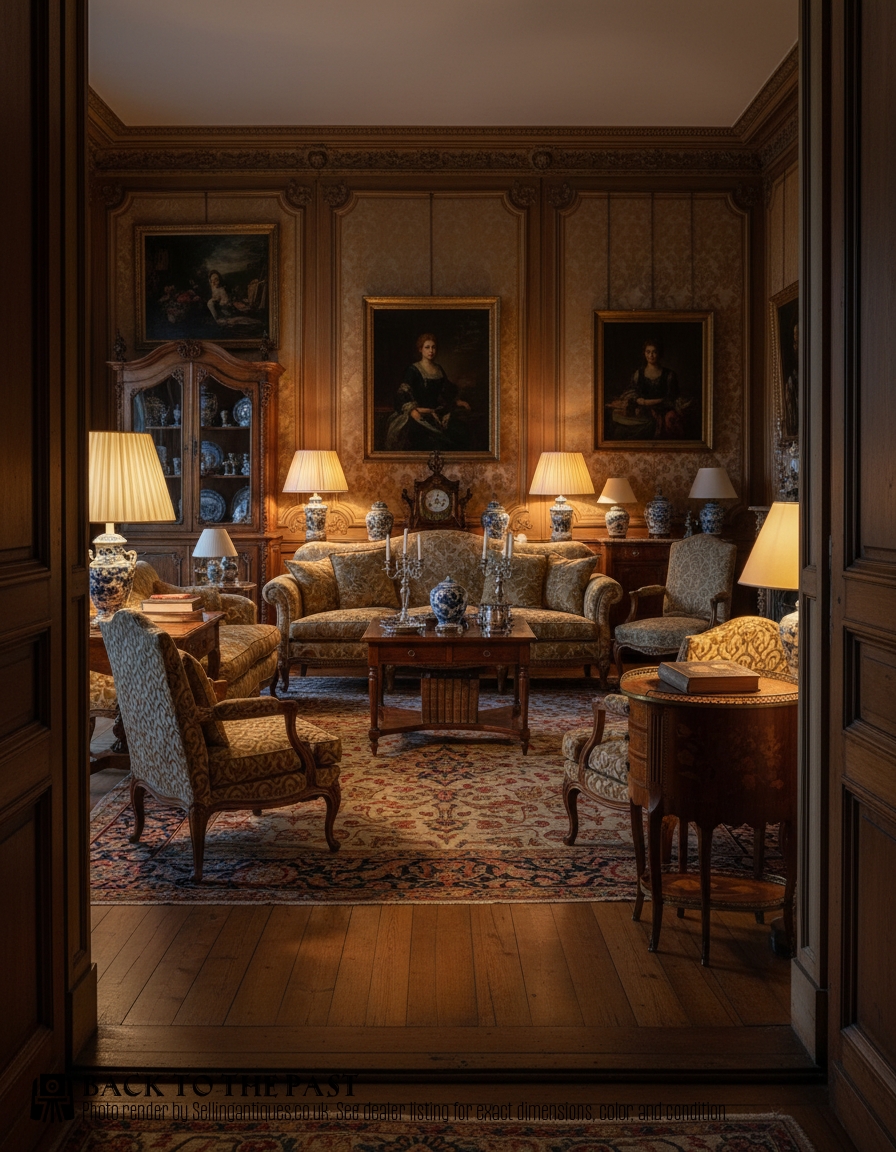
Materials and construction
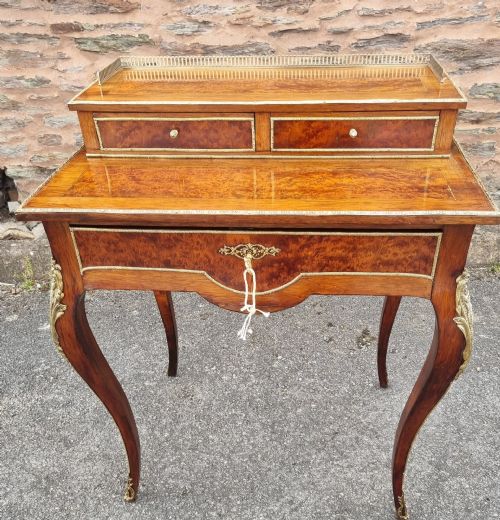
Cabinet makers utilised a rich palette of timbers, pairing structural woods like oak, walnut, and cherry with decorative veneers such as kingwood, rosewood, flame mahogany, and ebony. Surfaces frequently display intricate wood marquetry or geometric parquetry patterns set into the top.
Gilt bronze and ormolu mounts provide decorative borders, corners, and sabots, often combined with brass inlays as seen in Boullework. Marble tops also appear, adding weight and a cool, smooth surface to dressing tables.
Retail Price Guide 2026
Typical UK retail prices for nineteenth century french table, calculated from the Sellingantiques database of over a million retail prices indexed since 2003. This retail price guide relies exclusively on Sellingantiques data; no external sources or auction records are used, so the figures do not describe the wider market.
Storm-shades once protected flickering candle flames from errant drafts on breezy nineteenth century dining tables.
Assessing quality
The distinction between ordinary and exceptional work rests on the precision of the timber inlay and the crispness of the cast ormolu mounts. Finer pieces display seamless veneer work where individual grain patterns flow naturally across the curved surfaces of the table.
The quality of hardware and interior secondary woods also signals the standard of the workshop. Superior tables feature heavier, more deeply chased gilt bronze mounts and neat drawer construction using traditional jointing methods.
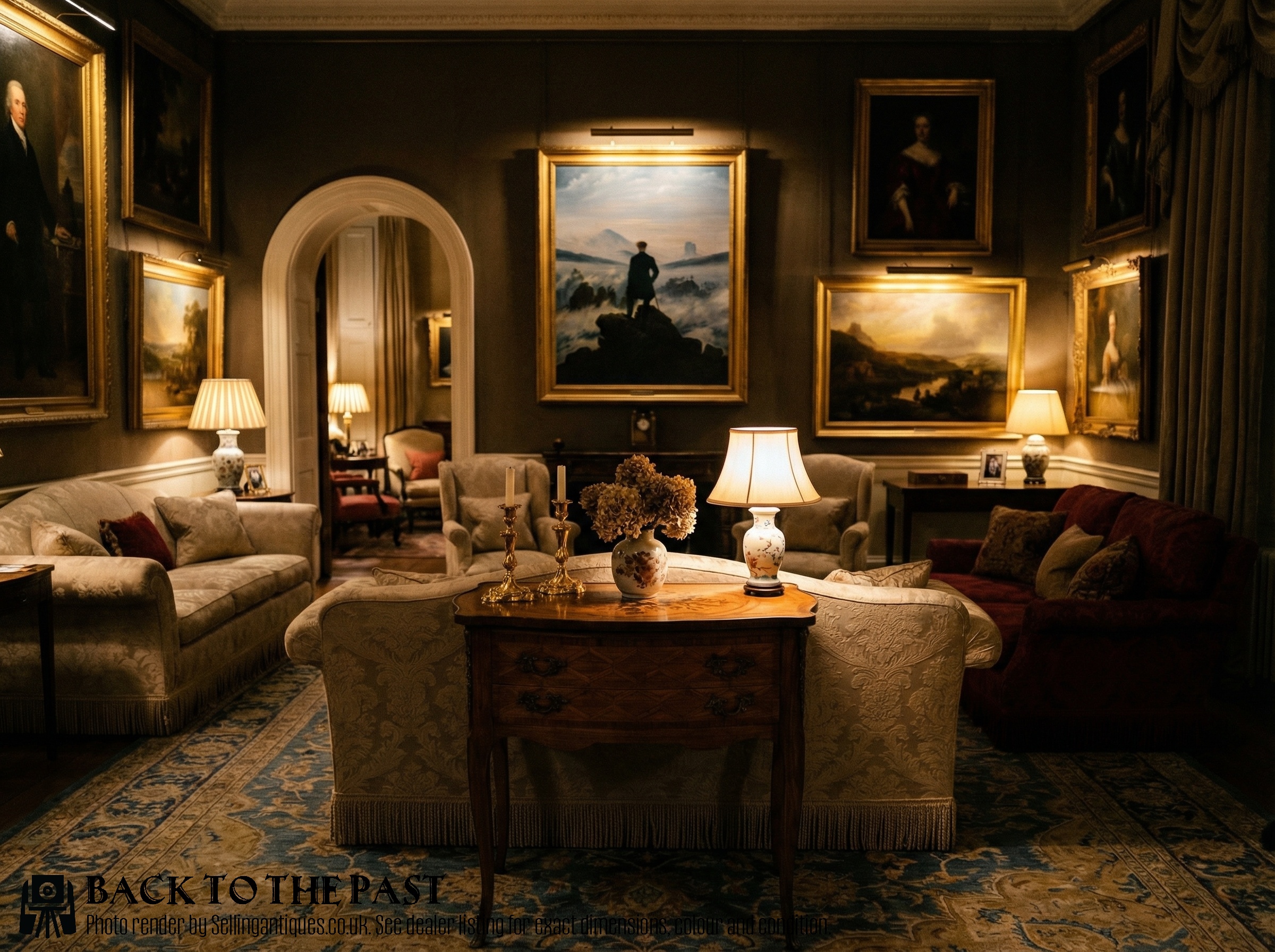
Maison Millet
The Nineteenth Century French Table Glossary
- Ormolu
- Gilt bronze mounts applied to furniture for decoration and protection of corners. This technique involves coating cast bronze in a layer of gold.
- Marquetry
- Decorative veneer work forming pictorial or floral patterns using various coloured woods. Craftsmen cut thin slices of timber and fit them together like a puzzle.
- Parquetry
- Geometric patterns formed by small pieces of wood veneer arranged in grids or chequered designs. It creates a subtle, repeating texture across tabletops.
- Kingwood
- A dense, heavy exotic timber with dark violet-brown stripes prized by cabinet makers. It provides a striking contrast when paired with lighter woods.
- Boullework
- The technique of inlaying brass and tortoiseshell into furniture surfaces, named after the famous royal cabinet maker. It catches the light with a distinctive metallic shimmer.
Frequently Asked Questions
What is a work table used for?
A work table is a nineteenth century piece originally designed for sewing, needlework, and small domestic tasks. These tables typically feature fitted compartments or a hanging bag beneath the top.
Today, they function well as compact side tables next to a sofa or armchair, providing concealed storage for small household items while maintaining a decorative presence.
How do I identify a bureau plat?
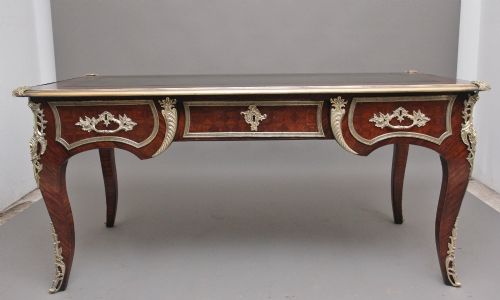
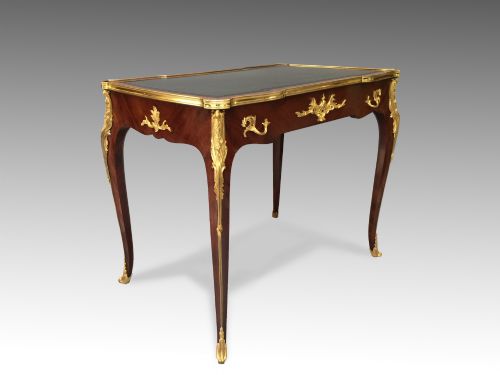
A bureau plat is a flat-topped writing table, usually finished on all sides so it can sit freestanding in the middle of a room. These desks often feature leather-lined writing surfaces and multiple drawers across the frieze.
They represent the more formal side of nineteenth century french furniture, combining refined timber veneers with ormolu mounts.
Can I use an antique table daily?
These tables were built for everyday domestic use by skilled cabinet makers using solid construction methods. Using coasters and protecting surfaces from excessive moisture will keep the timber and polish secure.
Most pieces handle normal daily living well, provided they are placed away from direct heat sources and sudden temperature changes.
What distinguishes Napoleon III style?
The Napoleon III period embraces eclectic revivals, drawing heavily on earlier royal French aesthetics while incorporating rich ebonised woods and Boullework. Furniture from this era often feels dramatic and ornamental.
These pieces use contrasting materials like brass inlay against dark backgrounds to create a bold visual impact in a room.