
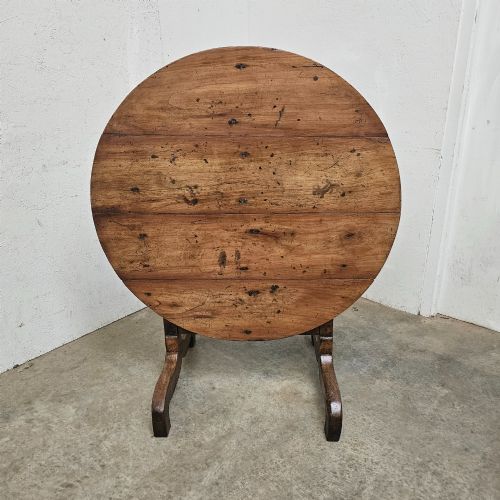


Antique Wine Tasting Table
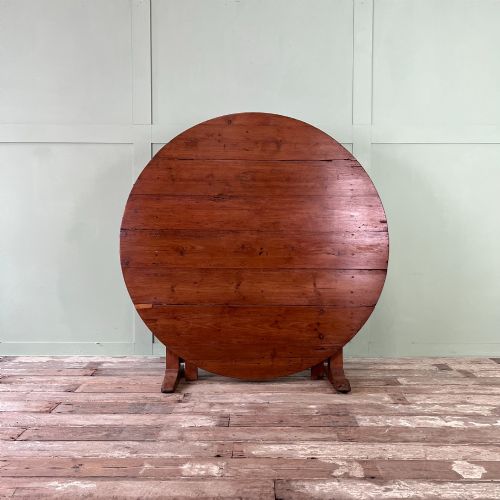
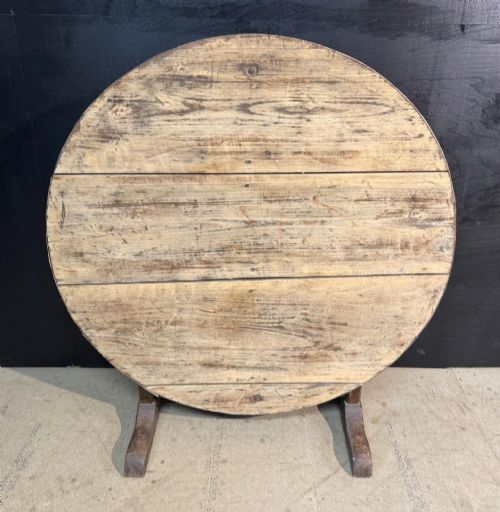
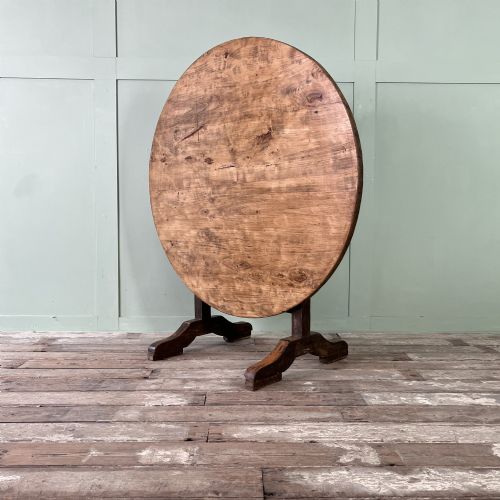
An antique wine tasting table is a practical piece of rural history designed for pouring and assessing grape harvests, bringing rustic charm to any room.
Antique Wine Tasting Table
When you search for an antique wine tasting table, you encounter pieces designed for vineyard work and domestic service. These items originate from the eighteenth and nineteenth centuries.
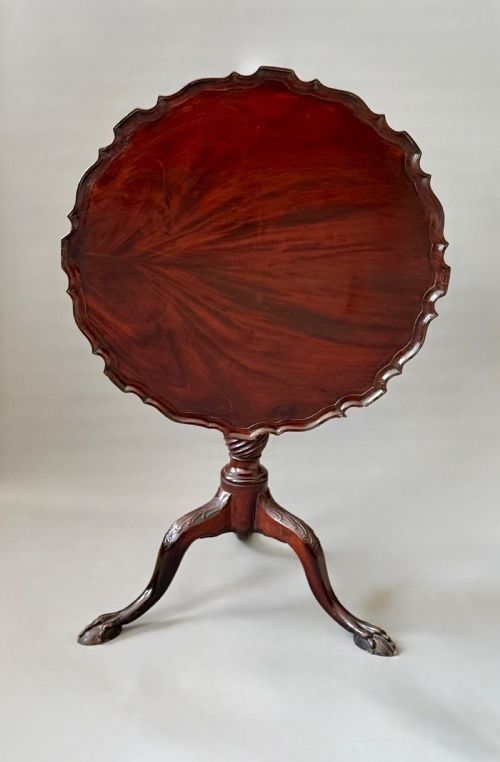
The versions you are most likely to meet on this page include French examples known as vendange or vigneron tables, alongside English tripod pieces.
How they were made
Cabinet makers utilised native timbers including oak, mahogany, cherry, and fruitwood to build these surfaces. Boxwood and iron occasionally appear in structural elements and hinges.
Makers constructed folding mechanisms for ease of storage in vineyard settings, while tilt top variations allowed tabletops to pivot vertically when not in use.
Many a nineteenth-century vinedresser likely leaned a hard-earned glass upon these very boards during a brisk harvest lunch.
What varies in quality
The standard of timber selection sets individual examples apart, with rich grain patterns in mahogany or aged fruitwood commanding attention. Finer pieces display careful joinery and well-engineered folding or tilting mechanisms that operate smoothly.
Regional execution also influences the character of the piece, distinguishing simple utilitarian workshop items from more ornate George III or Regency interpretations.
The Antique Wine Tasting Table Glossary
- Vendange
- French term relating to the grape harvest and vintage. These tables take their name from their traditional use in French vineyards.
- Tilt top
- A tabletop mounted on a mechanism that pivots vertically. This feature allows the piece to be stored flat against a wall.
- Pie crust
- A carved, undulating raised edge around the perimeter of a tabletop. This decorative border is characteristic of finer eighteenth-century tripod tables.
- Tripod table
- A small freestanding table supported by three legs radiating from a central pillar. They offer stability on uneven floors.
Antique Wine Tasting Table: Frequently Asked Questions
What is an antique wine tasting table?
These pieces are historical utilitarian tables associated with vineyards and rural estates. They served practical roles during grape harvests and social gatherings.
Today they function well as compact coffee tables or occasional surfaces in domestic interiors.
How were these tables used?
Vintners and tasters utilised the surfaces to hold glasses, bottles, and samples during harvest assessments. The folding and tilting designs made them portable for outdoor or cellar work.
In modern homes they suit smaller spaces where flexibility of placement is useful.
How do I identify a French vendange table?
French vendange tables typically feature oak, cherry, or fruitwood construction with folding legs or tops. They reflect rural craftsmanship from the nineteenth century.
English counterparts from the same eras often show styles like Regency or George III.
How do I care for timber surfaces?
Historic timber benefits from occasional application of suitable wax to nourish the grain. Direct sunlight and excessive moisture should be avoided.
Gentle dusting with a dry cloth preserves the finish accumulated over centuries.