
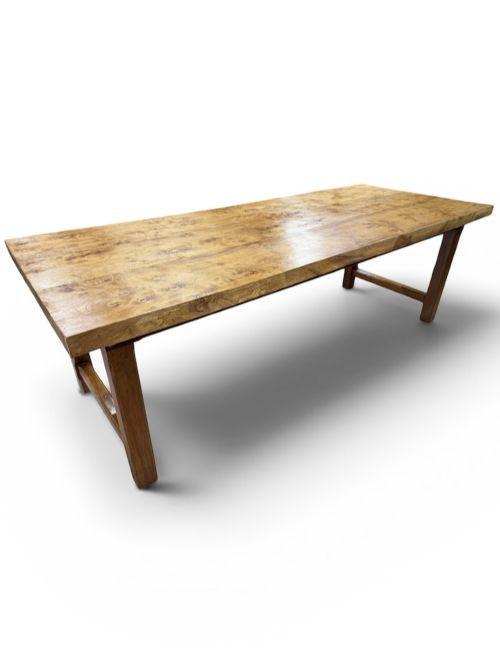
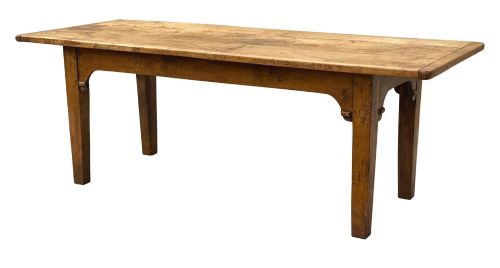
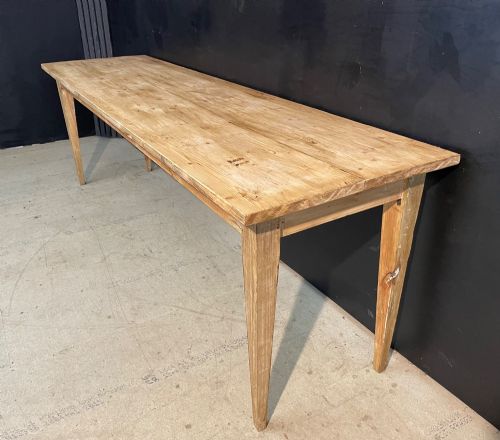
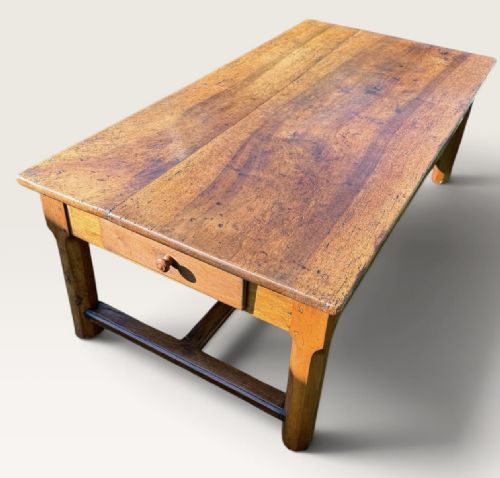
Rustic French Farmhouse Table
A rustic french farmhouse table brings the honest utility of provincial life into a modern interior.
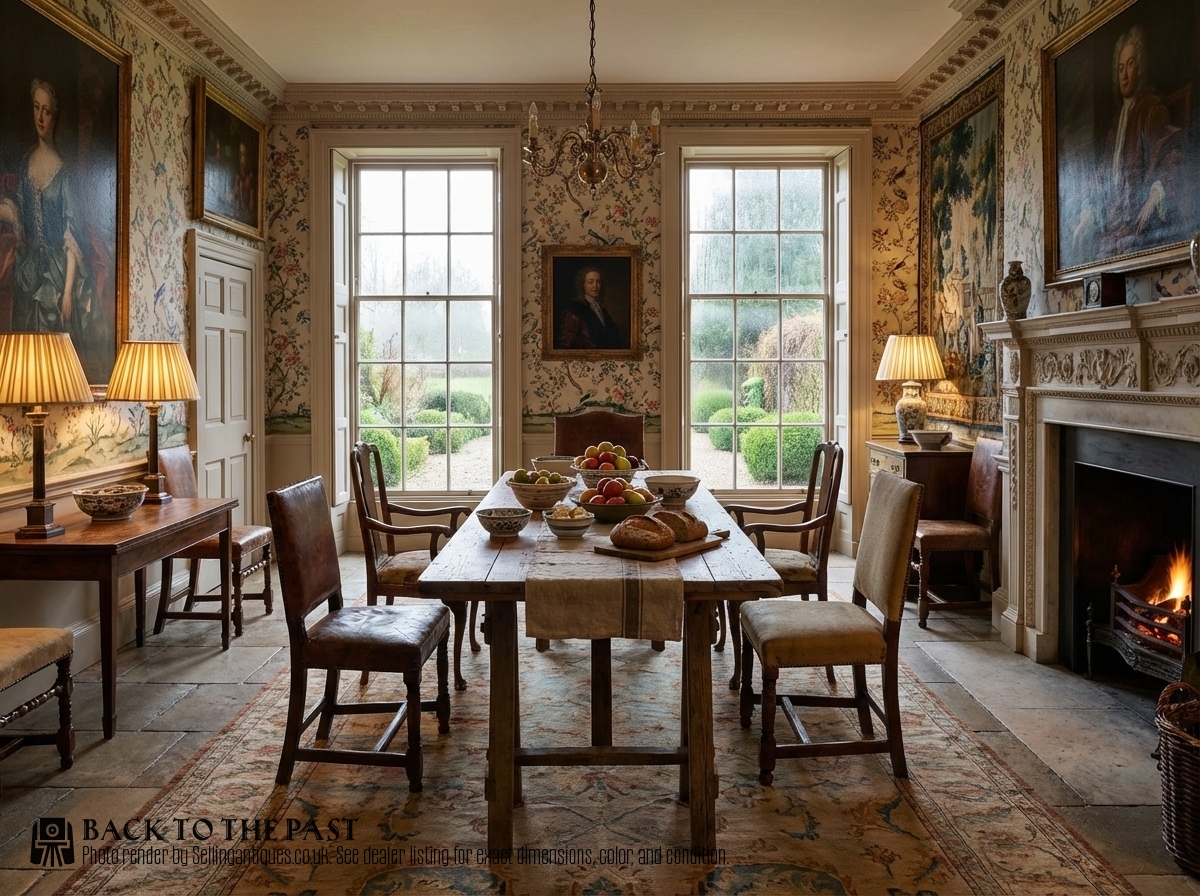
Rustic French Farmhouse Table
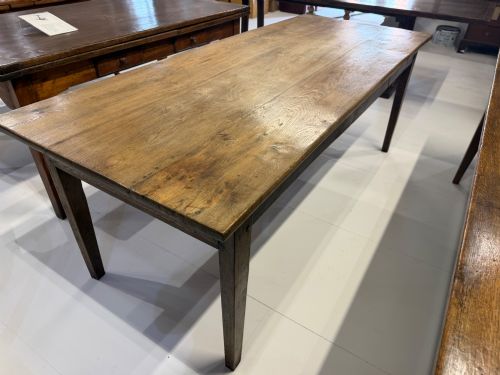
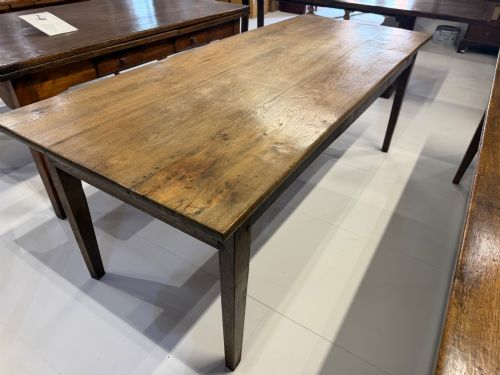
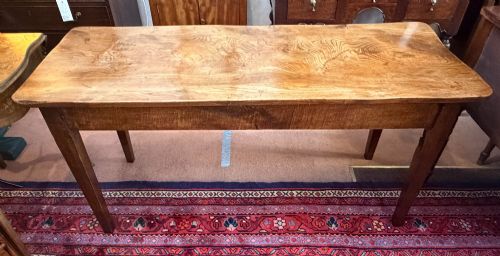
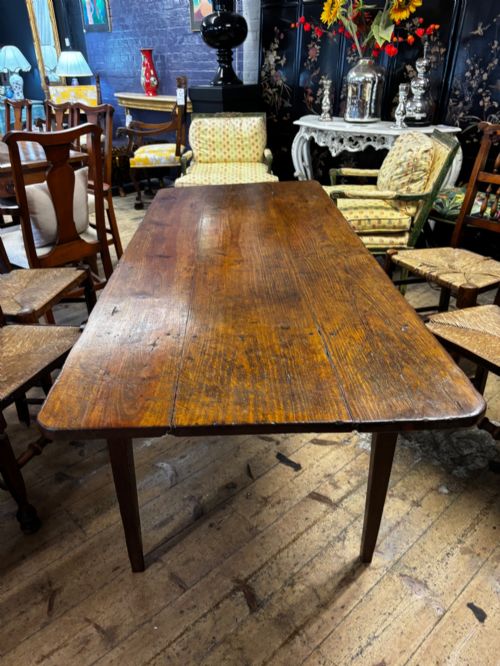
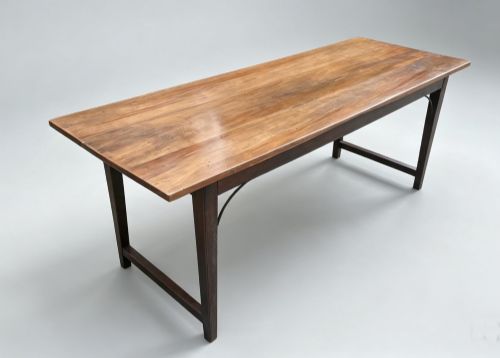
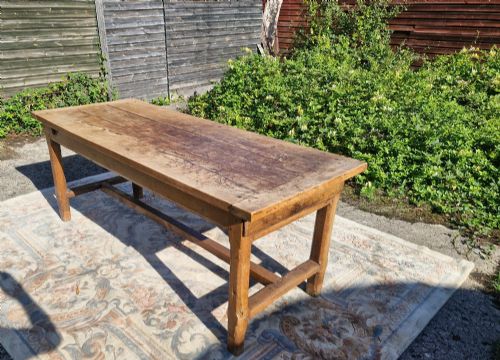
A rustic french farmhouse table is a sturdy, functional surface designed for daily preparation and dining, shaped by the practical needs of rural homes. You will frequently encounter large oak or fruitwood examples originating from the nineteenth century, built to accommodate family gatherings.
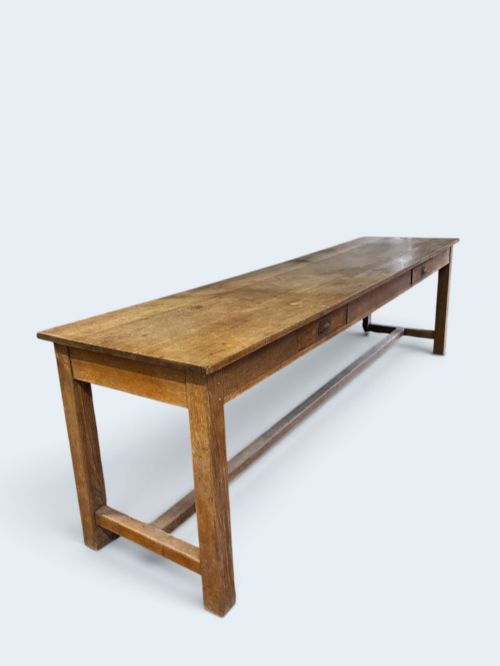
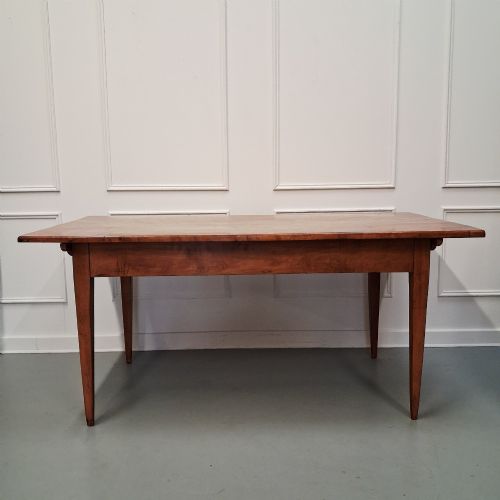
The format spans dedicated dining tables, kitchen tables, and refectory styles, often featuring substantial timber tops supported by straightforward legs. Many pieces reflect provincial French aesthetics, utilising regional timbers like cherrywood, chestnut, and pine alongside oak.
Judging quality in provincial tables
Quality rests on the selection of timber and the structural integrity of the frame rather than elaborate ornamentation. Superior examples employ dense hardwoods like oak or cherry with stable, thick board tops that have aged evenly.
Proportion and execution distinguish finer pieces, where the clearance, leg turning, and joinery show careful attention from the maker. Lesser examples may exhibit poorer timber matching or unnecessary alterations over time.
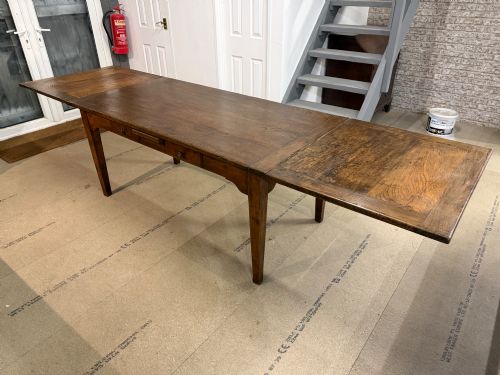
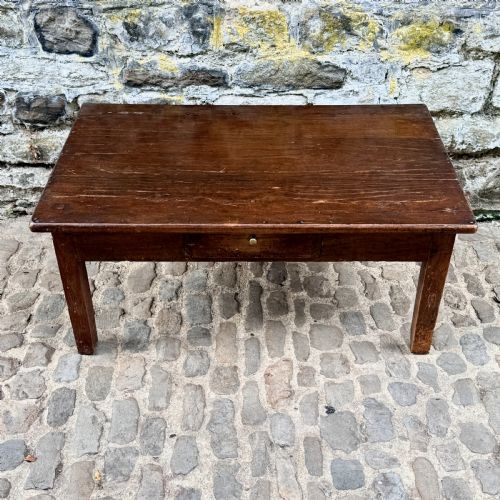
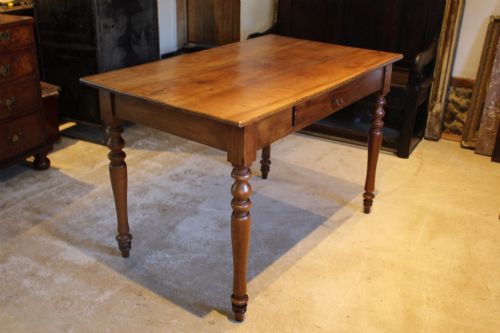
Several tables retain handy single or double drawers originally intended for storing table linens and cutlery close to hand.
The Rustic French Farmhouse Table Glossary
- Refectory table
- A long, narrow dining table traditionally used in communal dining halls and adapted for domestic kitchens. These tables feature long stretchers running between the legs for added stability.
- Fruitwood
- Timber harvested from fruit-bearing trees such as cherry, pear, or apple, known for a warm tone and fine grain. This material was commonly utilised in regional French cabinetmaking.
- Bleached oak
- Oak timber treated to lighten the natural colour of the wood, creating a softer, paler surface finish. This treatment appears frequently on twentieth-century interpretations of older designs.
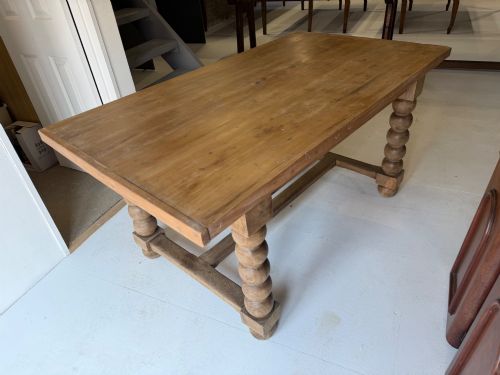
- Bobbin leg
- A turned furniture leg shaped with a series of rounded, spool-like swellings resembling bobbins of thread. This decorative turning style is often seen on nineteenth-century supports.
Rustic French Farmhouse Table: Frequently Asked Questions
How do I date a farmhouse table?
Dating relies on examining the timber species, tool marks, and construction methods used in the frame. Earlier pieces often display hand-sawn board marks and pegged joinery rather than modern fixings.
Changes in leg style, such as tapered versus turned bobbin supports, also provide clues to the production era, ranging from eighteenth-century examples to twentieth-century revivals.
Are these tables suitable for daily dining?
These tables were originally built for heavy daily use, making them naturally suited for modern family dining and kitchen activities. Their robust construction handles regular gathering without difficulty.
Selecting a piece with appropriate dimensions and knee clearance ensures comfort for seating guests around the board.
What is the difference between oak and fruitwood?
Oak offers a heavy, dense structure with a pronounced open grain that resists wear exceptionally well over generations. It forms the basis of many large refectory styles.
Fruitwood, such as cherry or pear, tends to present a smoother, warmer surface texture and finer grain patterns, typically found in specific regional French pieces.
How should I care for a historic wood surface?
Maintenance involves dusting with a dry cloth and occasionally applying natural beeswax to nourish the dry timber. Avoiding excessive moisture and heat protects the historic polish.
Allowing the wood to breathe preserves the natural patina accumulated over centuries of domestic service.