
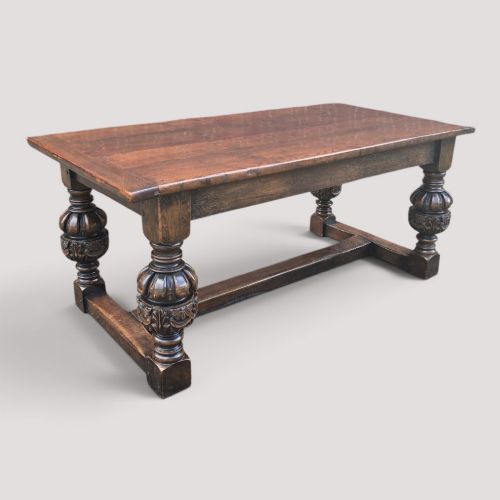
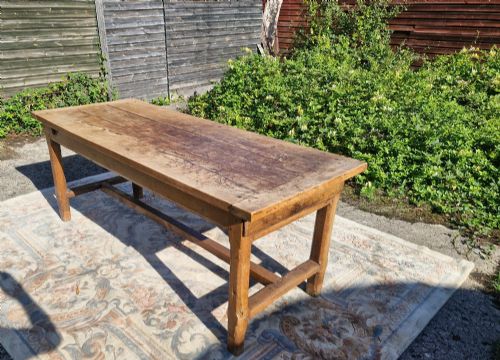
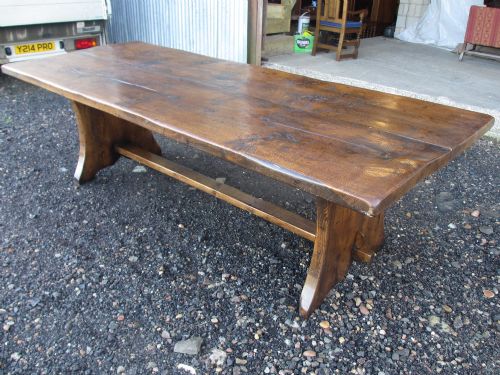
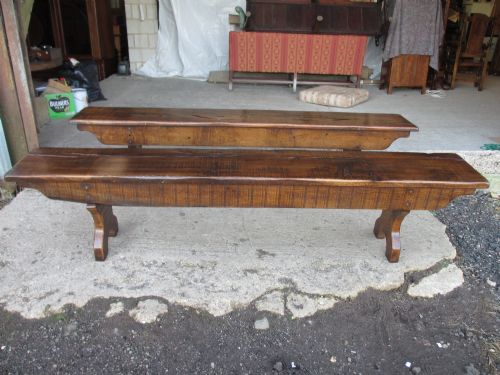
Rustic Wooden Trestle Table
A rustic wooden trestle table brings sturdy, honest craft and enduring character to domestic spaces.
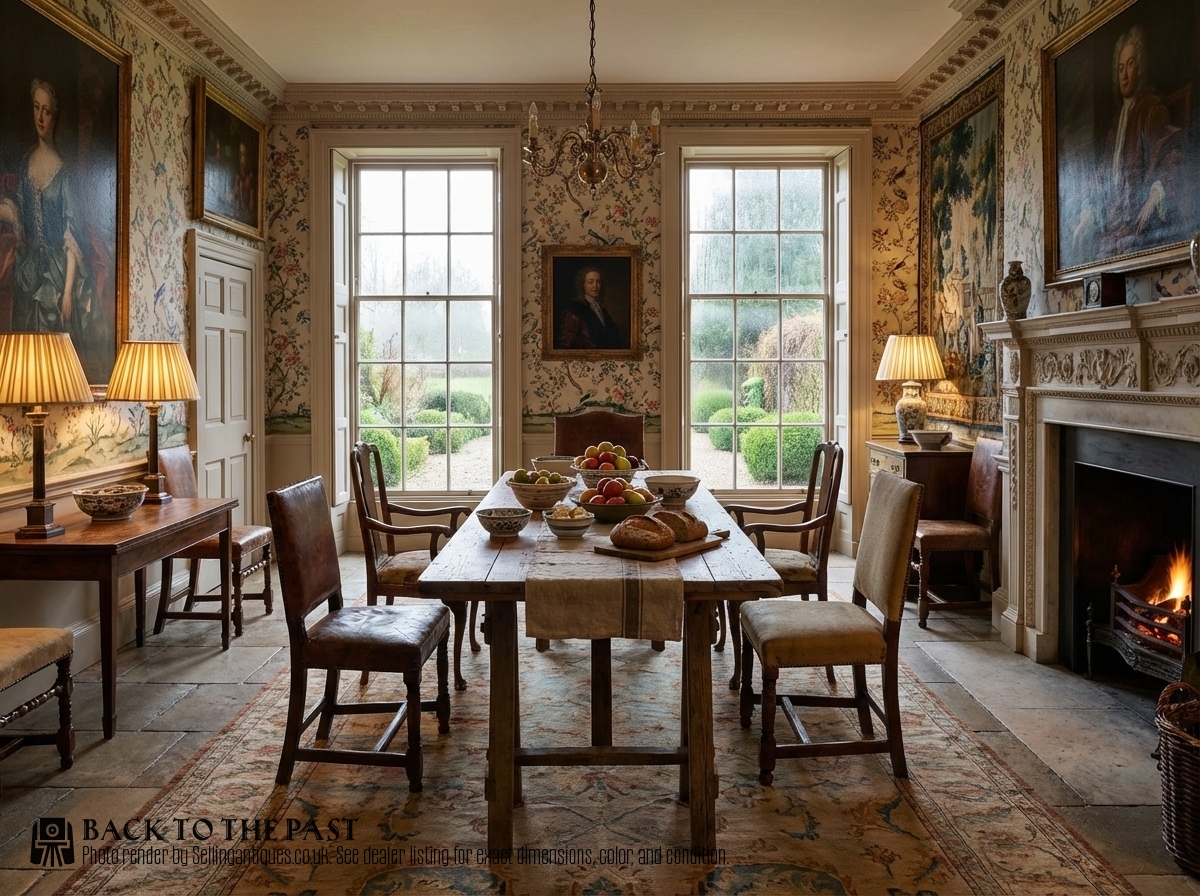
Rustic Wooden Trestle Table
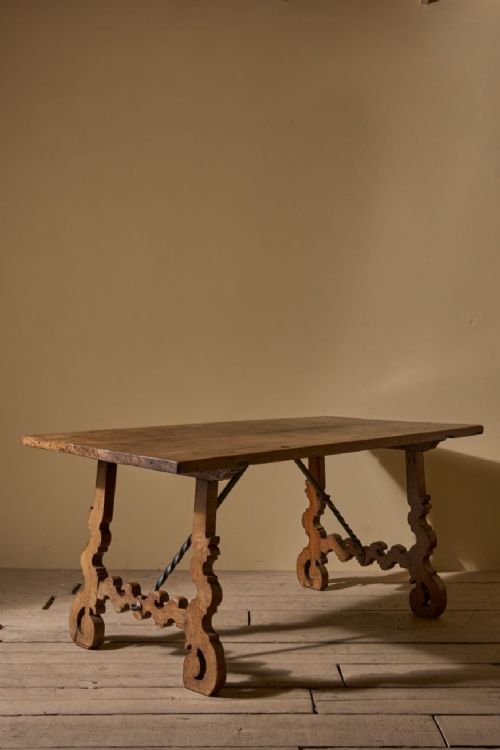
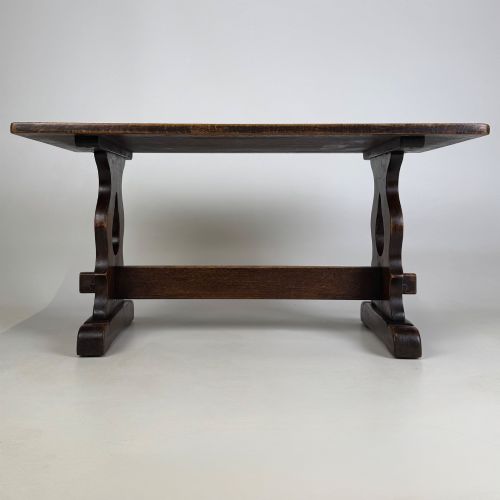
A rustic wooden trestle table is a functional surface designed around sturdy supporting ends rather than standard corner legs. Buyers seeking this phrase encounter robust dining tables, kitchen tables, and serving boards suited to communal gatherings.
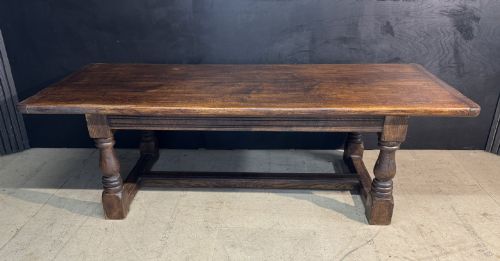
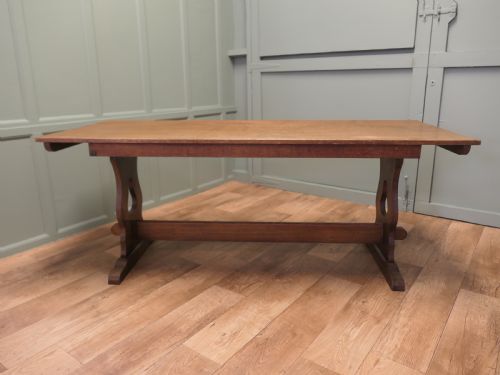
The pieces on this page span several centuries, drawing heavily from the nineteenth century alongside eighteenth-century origins and twentieth-century interpretations like the Arts and Crafts movement. Oak, pine, elm, and walnut dominate the forms, reflecting vernacular European and English traditions.
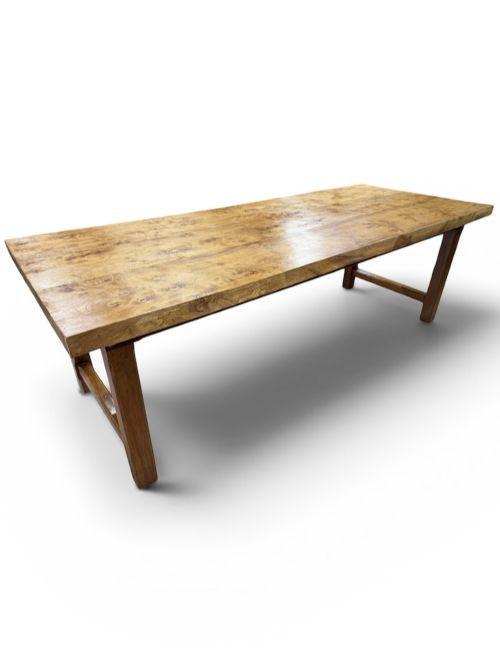
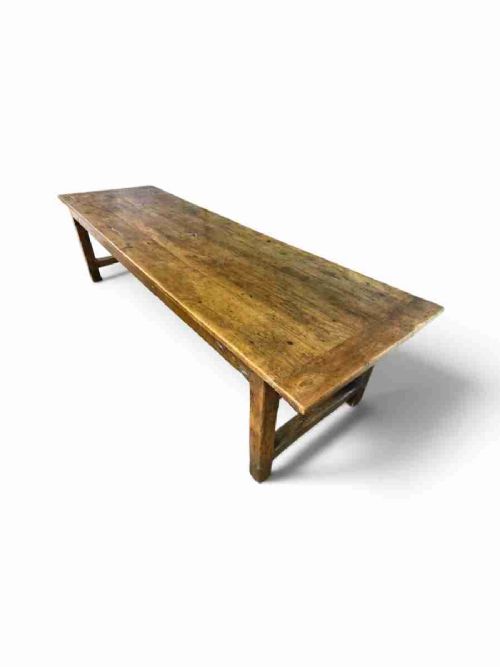
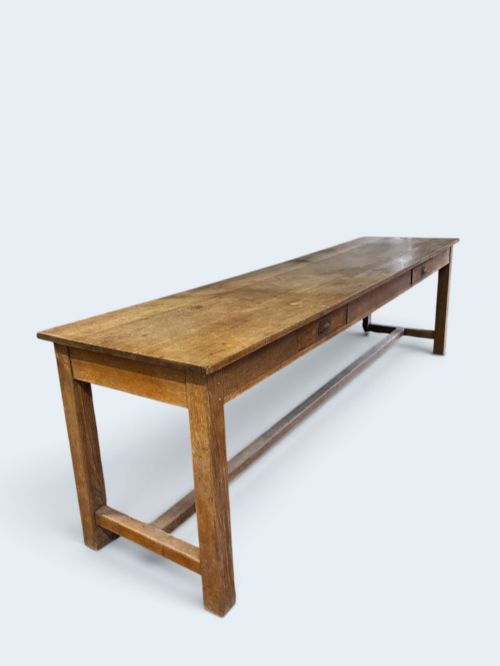
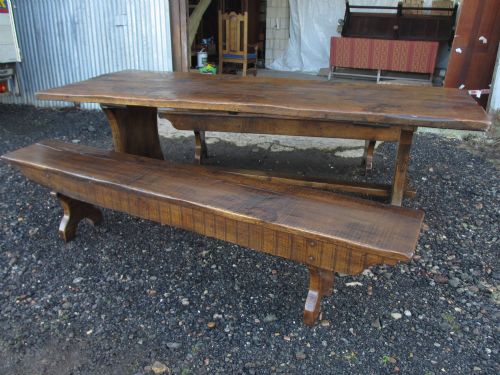
Most examples lean towards farmhouse, refectory, or tavern formats with visible timber grain and simple construction. Benches and coffee tables also appear, matching the distinct trestle ends found in provincial dining rooms.
How they were made
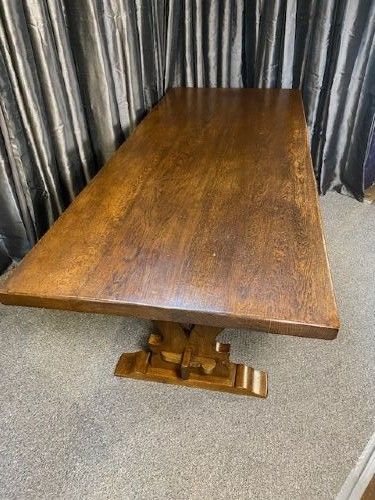
Makers utilised solid timbers such as oak, pine, elm, beech, and walnut, often selecting single-plank or two-board tops for durability. These woods were joined using traditional methods that allowed the heavy timber to settle over decades of use.
Trestle ends and supports were shaped from heavy stock, sometimes featuring pegged joints or sledge bases for stability. Surface finishes relied on natural oils and long exposure, developing a tactile patina rather than high-gloss varnishes.
Several tables show scars from centuries of carving knives and spilled ale, proving that good furniture spends its life at the heart of the party.
What varies in quality
Quality rests in the integrity of the timber selection, such as the choice of a single-plank elm top or quarter-sawn oak. Tables built with dense, heavy hardwoods and uncompromised structural joints stand apart from lighter, more utilitarian pieces.
The depth of the patina and the honesty of the surface wear determine the visual appeal of an antique. Pieces retaining original tool marks and unpainted timber surfaces demonstrate superior material heritage.
The Rustic Wooden Trestle Table Glossary
- Refectory table
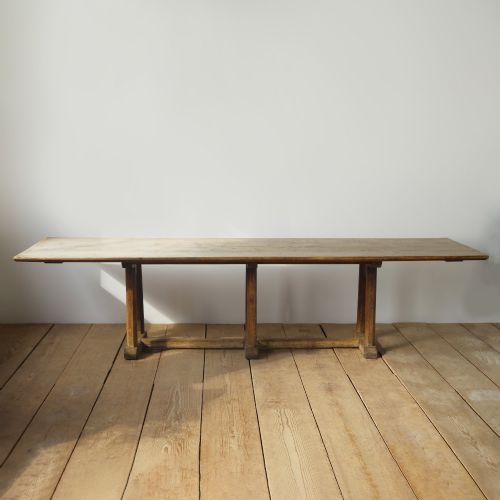
- A long, narrow dining table traditionally used in monastic refectories and later adopted in domestic country houses. These tables utilise substantial wooden legs linked by a central stretcher for rigidity.
- Trestle ends
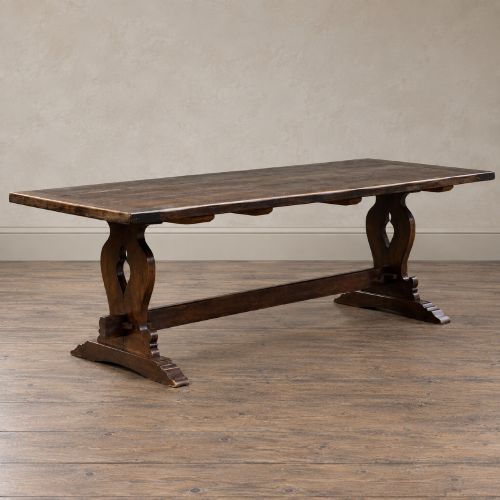
- Upright supports fitted beneath the ends of a table top, often shaped from heavy timber and connected by a horizontal beam. This design provides maximum legroom along the length of the table.
- Patina
- The surface sheen and colour acquired by wood through decades of handling, polishing, and natural oxidation. A deep patina indicates age and regular use.
- Primitive
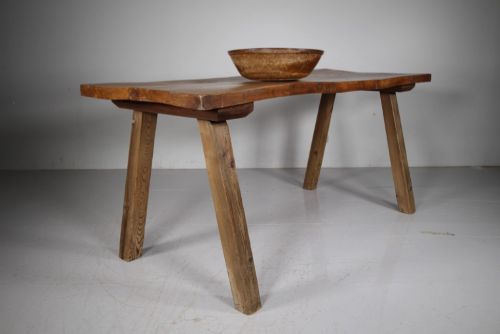
- A term describing furniture made by local carpenters using basic tools and straightforward construction methods. These pieces emphasise function over refined stylistic ornamentation.
Rustic Wooden Trestle Table: Frequently Asked Questions
How do I care for an antique wooden table?
Keep wooden tables away from direct heat sources and sudden humidity shifts to prevent the timber from splitting. Regular dusting and occasional application of natural wax will maintain the surface without building up residue.
Avoid using harsh chemical cleaning products on older finishes. A damp cloth followed by dry buffing is sufficient for routine maintenance.
Can I use a refectory table for daily dining?
These tables were originally built for heavy daily use in communal settings, making them remarkably robust for modern dining rooms. Their solid timber construction handles family meals and gatherings with ease.
Ensure that chairs fit comfortably beneath the trestle ends or side stretches before arranging seating. The placement of the underframe can occasionally limit legroom at the corners.
How do I identify eighteenth-century oak from later copies?
Examine the underside and joints for hand-cut marks, pegged tenons, and timber movement consistent with age. Eighteenth-century examples typically display irregular tool marks and deeper shrinkage in the grain.
Later revival pieces often feature more uniform machining and modern fixings hidden within the construction. Weight, timber density, and surface wear also offer reliable clues to period authenticity.
What is the difference between a farmhouse and a tavern table?
Farmhouse tables generally feature wide boards and heavier frames intended for domestic kitchens and dining halls. They prioritize expansive surface area for food preparation and communal eating.
Tavern tables are often slightly smaller or narrower, designed for public houses and commercial spaces. They frequently showcase slender turned legs or distinct trestle forms suited to public seating.