





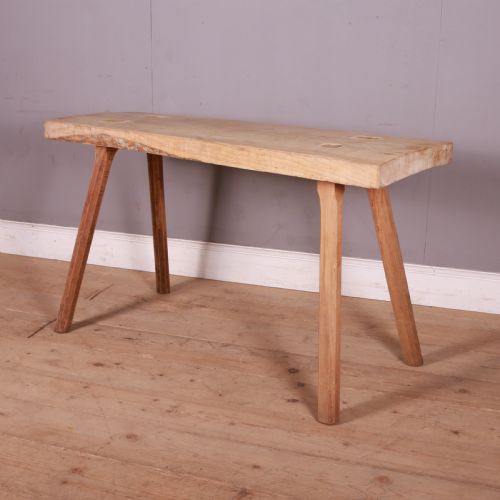
19th Century Worktable
A 19th century worktable brings compact utility and refined cabinetmaking together, offering drawers and fitted compartments for sewing or writing.
19th Century Worktable
When you search for a 19th century worktable, you encounter specialised domestic furniture designed for sewing, reading, and writing. These pieces combine domestic utility with decorative cabinetmaking, often featuring drop leaves or small compartments.
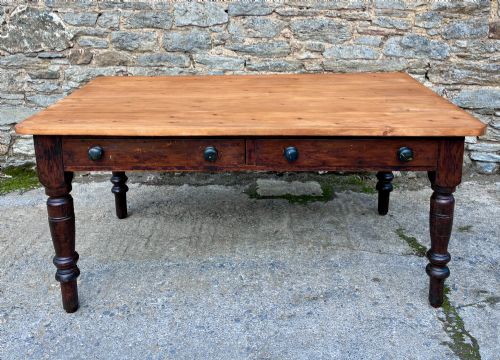
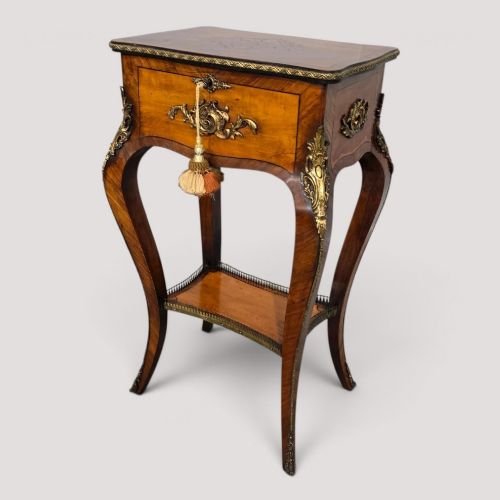
The versions most common on this page span the Regency, William IV, and Victorian periods. Mahogany and rosewood examples appear frequently alongside walnut and painted pine country pieces.
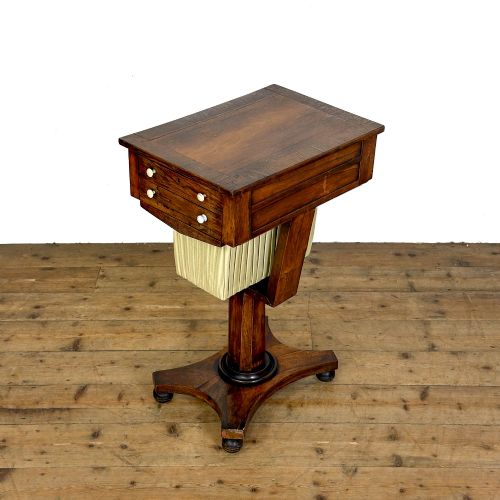
Many incorporate silk storage bags, small internal drawers, or sliding writing slides beneath the main top. Some double as games tables with reversible tops or built-in backgammon boards.
How they were made
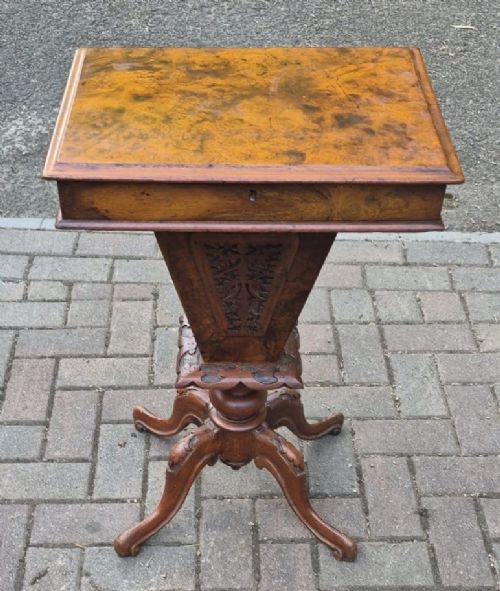
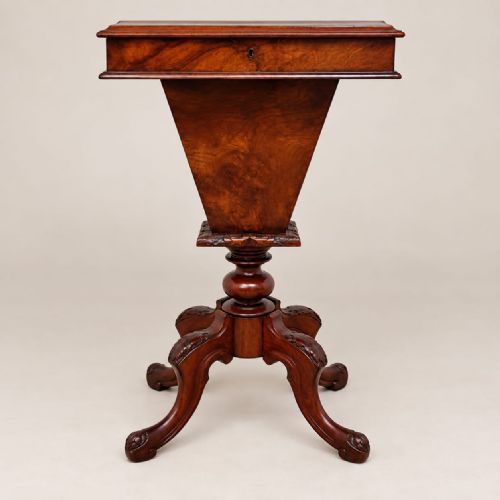
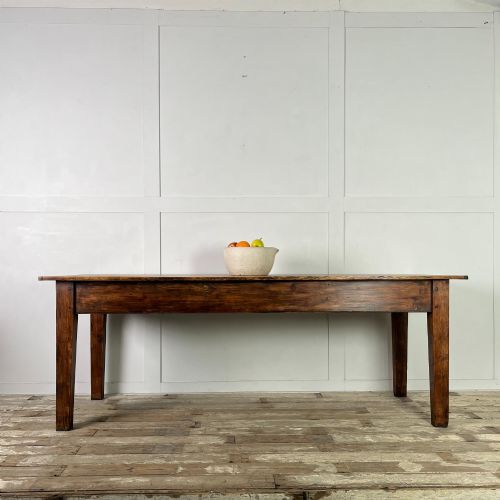
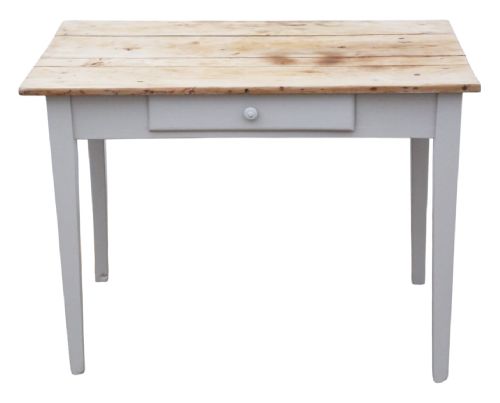
Cabinetmakers utilised rich timber veneers including flame mahogany, figured rosewood, and burr walnut over stable secondary woods. Solid pine and painted surfaces appear on utilitarian kitchen and farmhouse variants.
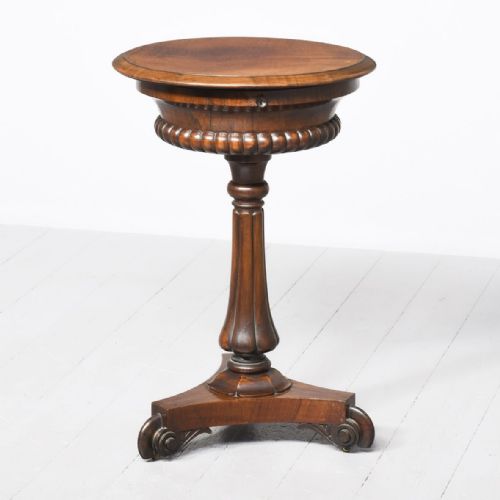
Joinery techniques include delicate dovetailing for internal compartments and turned or carved supports for the pedestals and legs. Brass castors and hinges allow these heavy timber pieces to move smoothly across carpeted drawing rooms.
19th Century Worktable Retail Price Guide 2026
Typical asking prices for 19th century worktable among the pieces listed under this phrase on Sellingantiques today, from the lower quarter to the upper quarter. They describe what is for sale here now, not the wider market.
Listings feature woods like rosewood, mahogany, burr walnut, and painted pine across 19th century periods.
What varies in quality
The standard of timber selection determines the visual impact, with striking grain figures and book-matched burr veneers marking out finer examples. Plain mahogany or utilitarian pine occupies a more functional tier.
Internal complexity separates simpler sewing stands from elaborate models with fitted writing slopes and secret compartments. The execution of carved supports and the retention of original brass fittings also signal superior workshop origin.
Gillows of Lancaster·Boothroyd Sons and Rimmer
The 19th Century Worktable Glossary
- Worktable
- A small table equipped with drawers or a fabric bag for holding sewing materials and needlework. These items sat beside chairs in 19th century parlours.
- Regency
- A style period spanning the early 19th century characterised by classical motifs and dark timbers. Pieces from this era often display elegant proportions and brass inlay.
- Burr walnut
- Timber taken from the gnarled growths of a walnut tree, producing swirling patterns. Cabinetmakers prized this veneer for high-status Victorian tables.
- Metamorphic
- Furniture designed to transform into another form, such as a sewing table incorporating a reading desk or mirror. These multi-purpose designs appealed to domestic spaces.
- Poudreuse
- A French dressing table equipped with a mirror and compartments for cosmetics. They share similar compact proportions to standard sewing tables.
19th Century Worktable: Frequently Asked Questions
What is a 19th century worktable?
A 19th century worktable is a small, movable piece of furniture designed for needlework, writing, and domestic hobbies. These tables typically feature a top drawer and an underslung fabric bag.
Craftsmen produced them in various timbers, allowing them to function as decorative occasional furniture in formal drawing rooms or practical prep surfaces in country kitchens.
How were sewing tables used?
Victorian ladies utilised these tables to organise threads, needles, and ongoing embroidery projects close to their seating areas. The fitted interiors kept small tools secure between uses.
Many designs included sliding writing surfaces or game boards, making them versatile companions for daily leisure activities in the parlour.
How do I identify a Regency worktable?
Regency worktables generally display clean classical lines, darker rosewood or mahogany timbers, and delicate brass inlay or mounts. Their supports often take the form of lyre shapes or elegant pillar pedestals.
Cabinetmakers working during this era favoured symmetry and restraint, distinguishing these pieces from later, more heavily carved Victorian designs.
Can I use a worktable as a desk?
Certain worktables feature integrated writing slides or slope tops designed specifically for correspondence. These pull out from beneath the main surface to provide a compact writing area.
While the internal depth is limited compared to a full-sized bureau, they accommodate laptops or notepads quite comfortably in smaller rooms.
What woods were used for worktables?
Makers relied on imported tropical hardwoods like mahogany and rosewood for formal pieces throughout the Regency and early Victorian eras. Burr walnut gained prominence by the mid-19th century.
Utilitarian or regional worktables relied on domestic timbers such as pine, sycamore, and elm, sometimes finished with historic painted surfaces.