
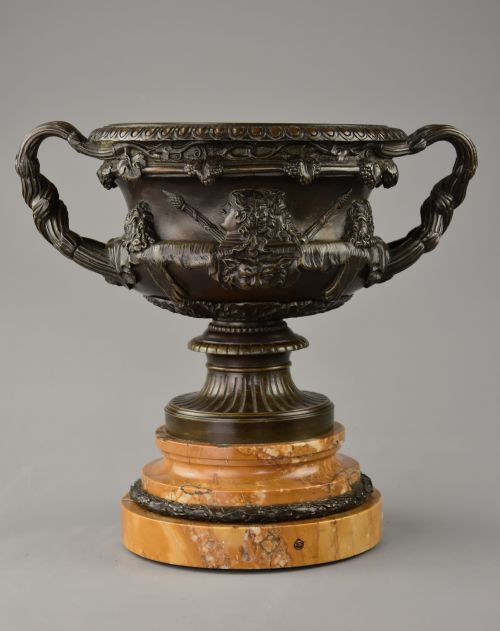
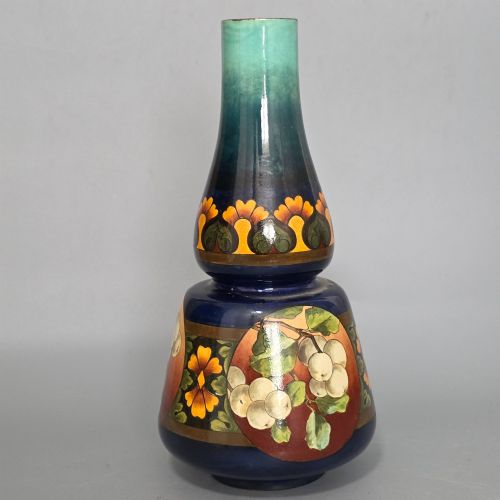
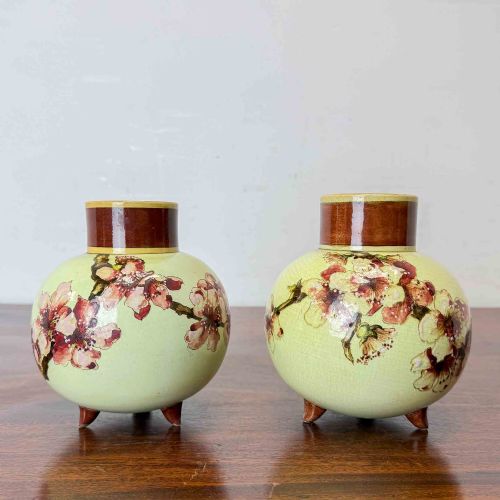


Late Victorian Urn Vase
When a late victorian urn vase sits on a mantelpiece, it brings the heavy classical presence of the nineteenth century into the room.
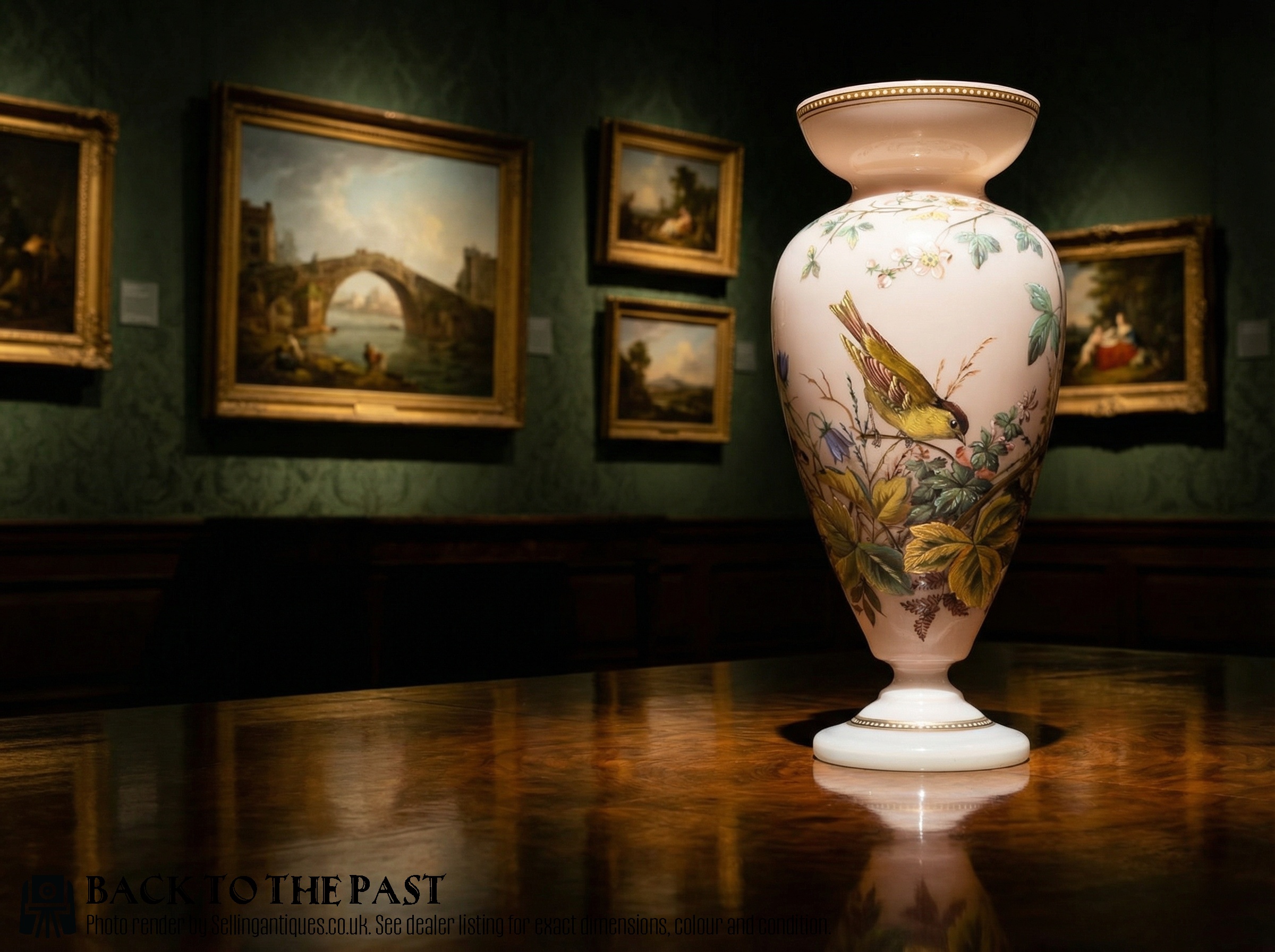
Late Victorian Urn Vase
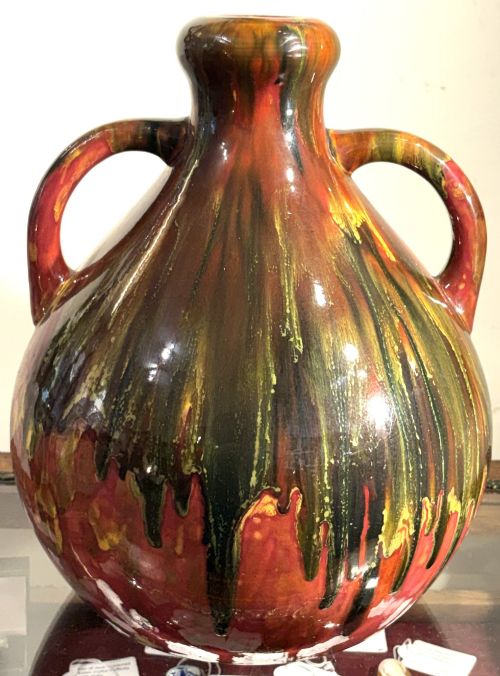
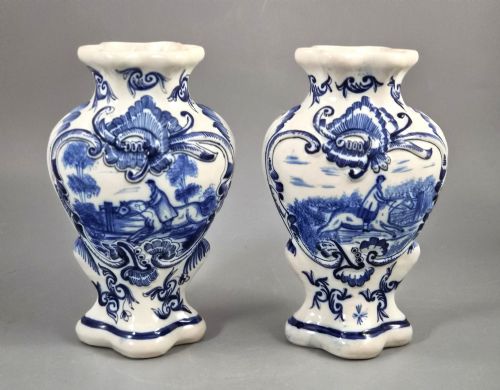
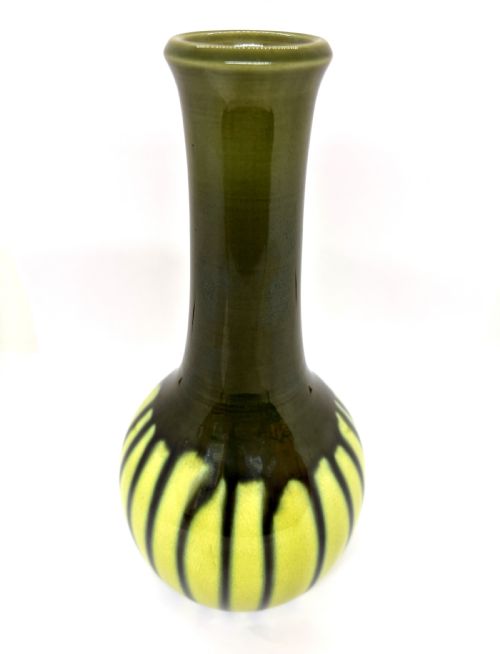
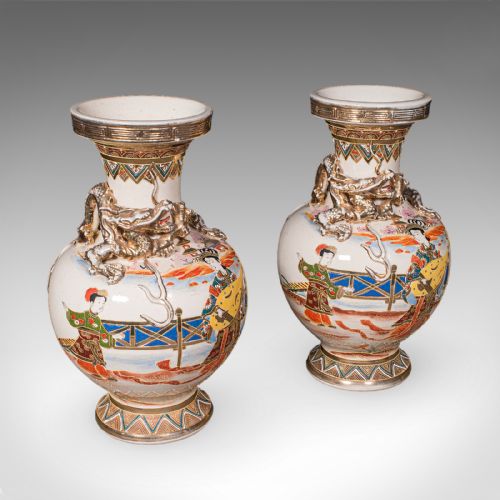
A late victorian urn vase combines classical vessel forms with the eclectic decorative styles of the late nineteenth century, spanning from the eighteen-eighties to the turn of the century. Buyers searching for a late victorian urn vase encounter porcelain, earthenware, and glass pieces shaped as balusters, lidded urns, and decorative ewers.
The selection here draws on diverse origins, including English potteries, French porcelain houses, Austrian makers, and Japanese export ceramics. Many examples survive in pairs, originally intended for mantle clock garniture sets or symmetrical display.
The decorative vocabulary ranges from Neoclassical and Rococo Revival motifs to Art Nouveau and Aesthetic Movement designs. Forms often feature handles, pedestals, and hand-painted or enamelled surface decoration.
How they were made
Makers utilised ceramic bodies such as porcelain, earthenware, and faience, shaped by throwing, moulding, or casting. Surfaces were frequently finished with coloured glazes, slip decoration, or hand-painted details.
Metal components like bronze and brass were cast or pierced, while glass pieces involved cutting, etching, and polychromatic enamelling. Gilt, gold leaf, and gilding were frequently applied to highlights, handles, and rims.
Techniques such as pate-sur-pate allowed artists to build up raised porcelain designs in relief against a contrasting background. Transfer printing and hand-brushing completed the complex decorative programmes.
Listings feature ceramics, glass, bronze, and brass, spanning the nineteenth century into the early twentieth century.
What varies in quality
Quality rests in the crispness of the modelling and the precision of the hand-painting, where freehand brushwork on floral or classical subjects distinguishes superior studio output from standard factory production. The depth and execution of gilding, particularly burnished gold leaf, separate standard pieces from ambitious exhibition items.
Material innovation also sets pieces apart, such as specialised faience bodies, complex layered glass enamelling, or intricate pierced brass work. The integrity of the form, whether a heavy bronze reduction or a delicate porcelain ewer, dictates the overall success of the object.
Fourmaintraux-Courquin at Desvres·Burmantofts Pottery·Doulton Lambeth·Minton·Moser·Royal Vienna·Doulton Burslem·Ernst Wahliss·Royal Crown Derby·Brannam Art Pottery·Dresden·Sevres·Royal Worcester·Grainger's Worcester·Hadley and Sons·Royal Bonn·KPM·Moorcroft Macintyre
The Late Victorian Urn Vase Glossary
- Garniture
- A set of three or more matching vases or urns designed to be displayed together on a mantelpiece. These sets frequently include a central clock flanked by matching vessels.
- Ewer
- A large jug with a wide spout and a scrolled handle, adapted from classical water vessels into purely decorative urn forms during the nineteenth century.
- Faience
- Tin-glazed earthenware popular in nineteenth-century decorative pottery and associated with specialised ceramic studios and factories.
- Pate-sur-pate
- A ceramic technique where wet white porcelain slip is painted in successive layers onto a darker body to create a low relief cameo effect.
- Cloisonne
- Metalwork technique where compartments are created on a vase surface by soldering flat metal wire to the body and filling the spaces with enamel.
Late Victorian Urn Vase: Frequently Asked Questions
What is a late victorian urn vase?
A late victorian urn vase is a decorative vessel produced in the final decades of the nineteenth century, drawing on classical and contemporary artistic movements.
These pieces served primarily as ornamental items for mantelpieces, tables, and cabinets rather than for holding flowers.
How were garniture sets used?
Garniture sets were arranged symmetrically on mantelpieces or console tables, often flanking a matching clock in the centre of the display.
The matching vases and urns created a balanced architectural focal point for the Victorian parlour.
How do I identify different pottery styles?
Distinguishing between styles involves examining the motifs, such as the sinuous plant tendrils of Art Nouveau or the classical motifs of Neoclassical revival designs.
Backstamps, impressed factory marks, and painted signatures also help attribute pieces to specific makers and periods.
What materials are common in these vases?
These decorative objects appear most frequently in porcelain, earthenware, and ceramic bodies, complemented by glass and metal.
Surfaces are often enriched with applied glazes, enamels, and gilding to enhance their decorative appeal.