
Antique Enamelled Vase
An antique enamelled vase brings a vibrant fusion of colour and metal, ceramic, or glass into a room through centuries of global craftsmanship.
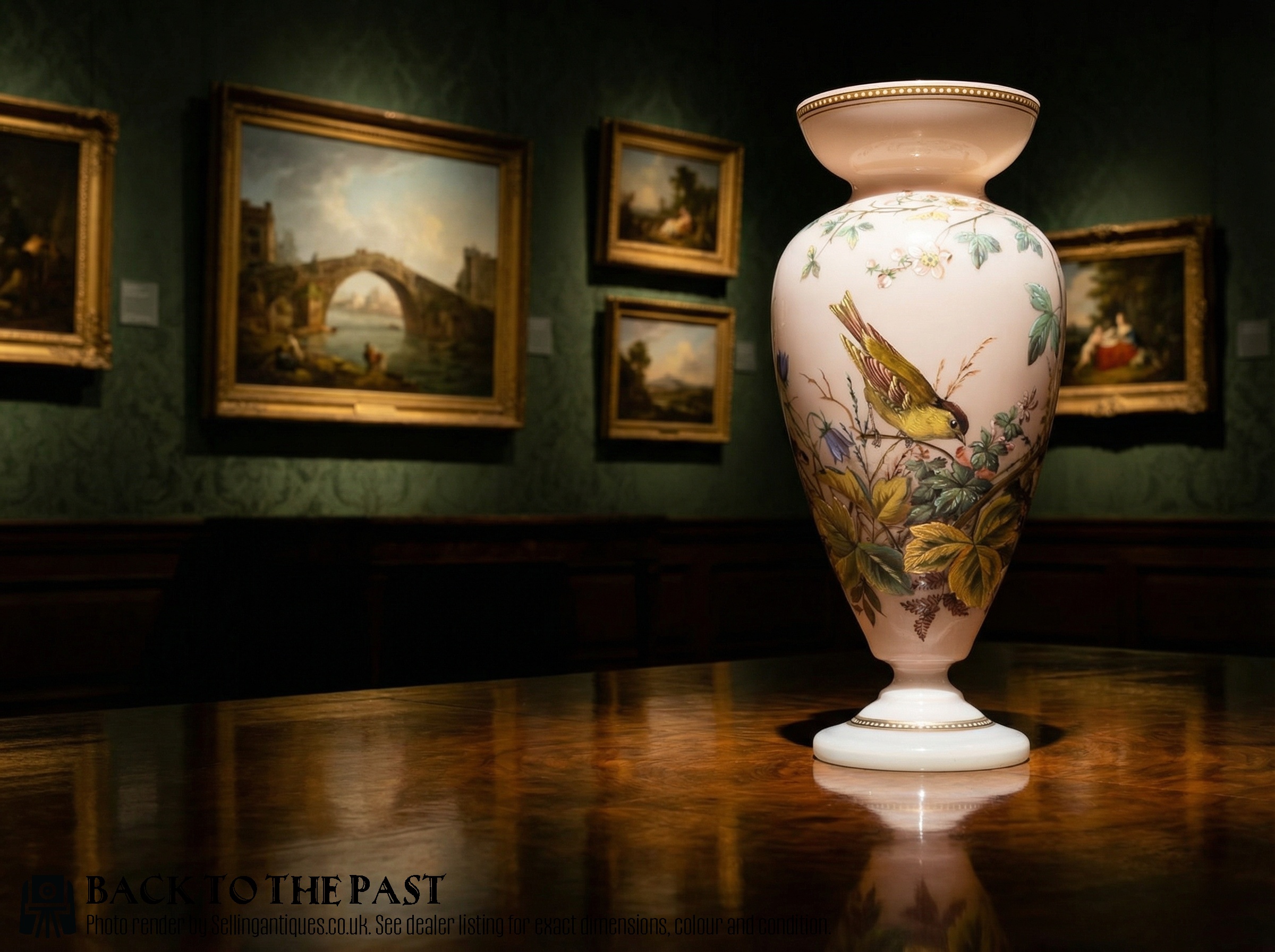
Antique Enamelled Vase
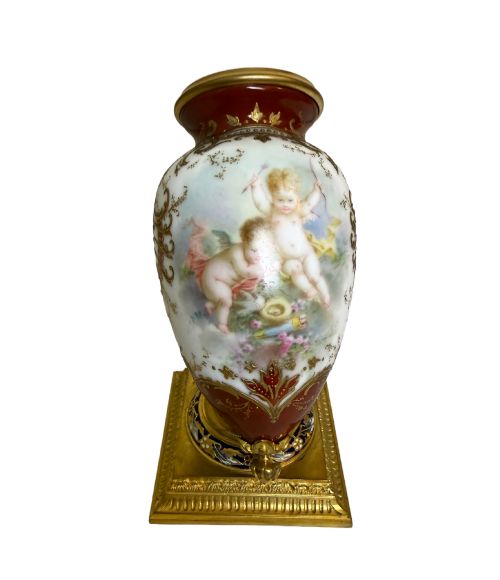
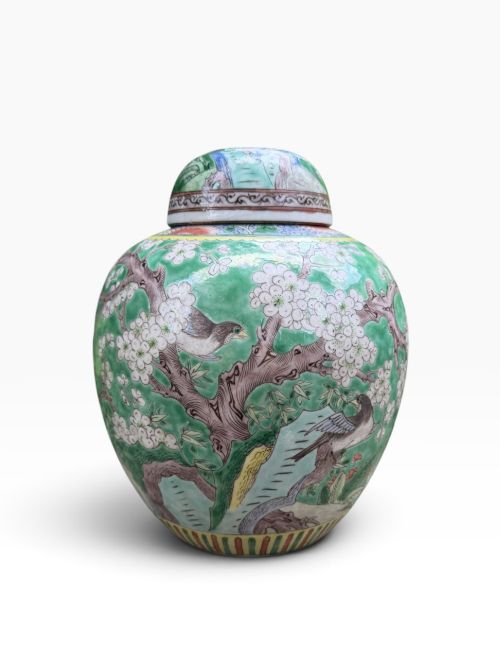
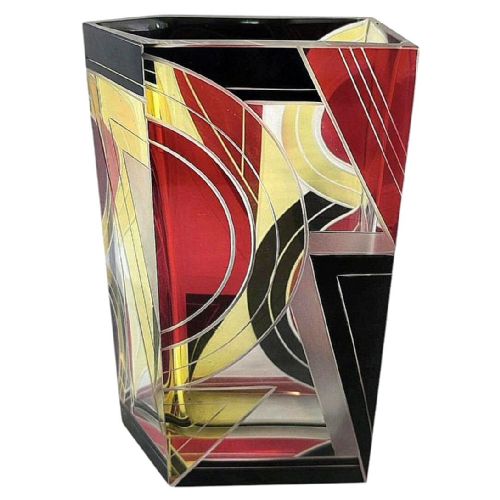
When you search for an antique enamelled vase, you encounter a diverse range of objects spanning Chinese porcelain and cloisonné, Japanese Satsuma wares, and European glass and earthenware. The pieces on this page originate from periods such as the 18th, 19th, and early 20th centuries, including Victorian, Art Nouveau, and Art Deco styles.
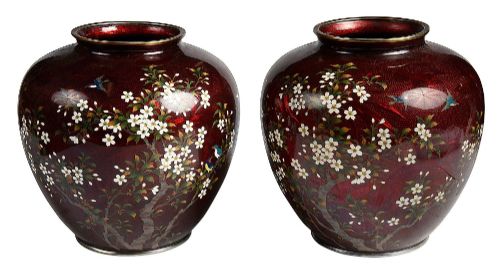
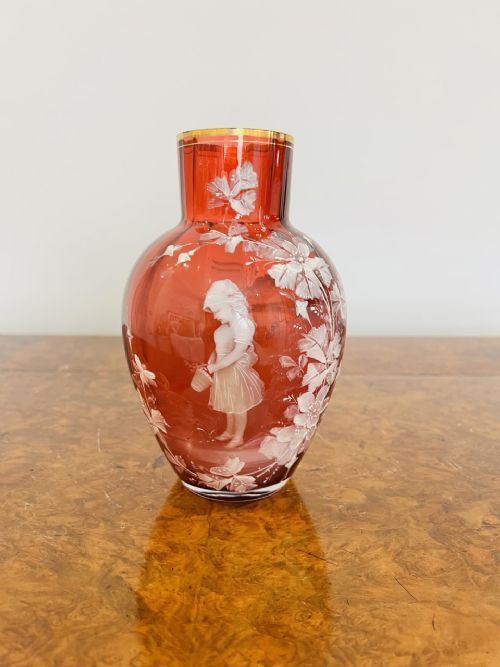
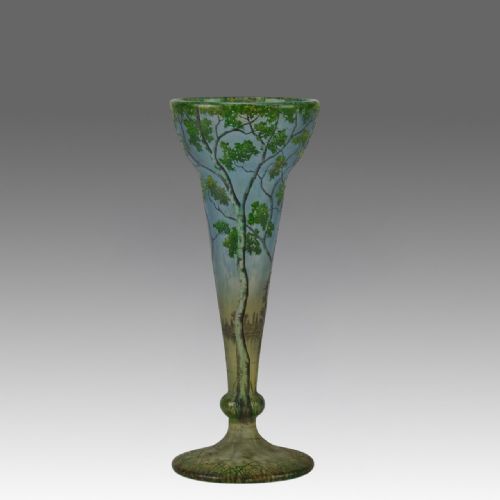
Japanese Meiji period cloisonné and Satsuma earthenware feature prominently alongside Chinese Qing Dynasty porcelain and Canton enamel on copper vessels. European contributions range from Victorian Mary Gregory glass and ruby glass lustres to Art Nouveau cameo glass by makers like Daum Frères.
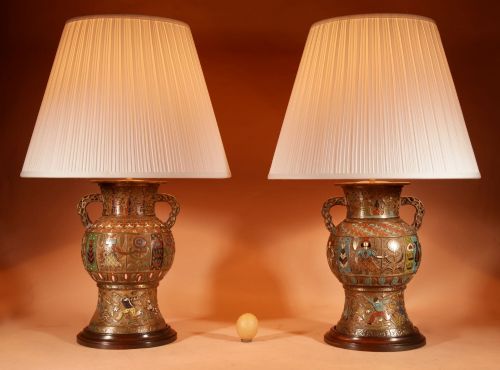
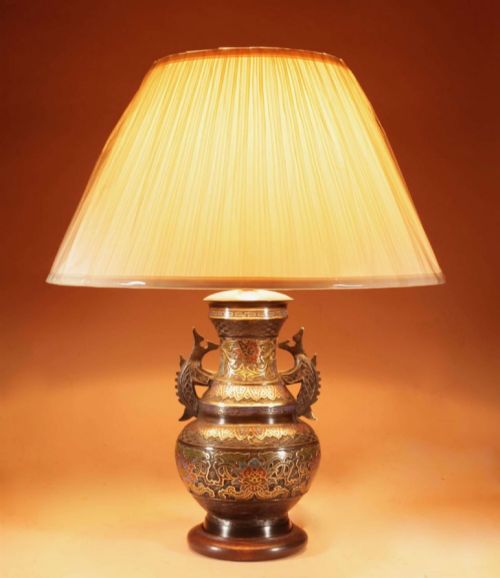
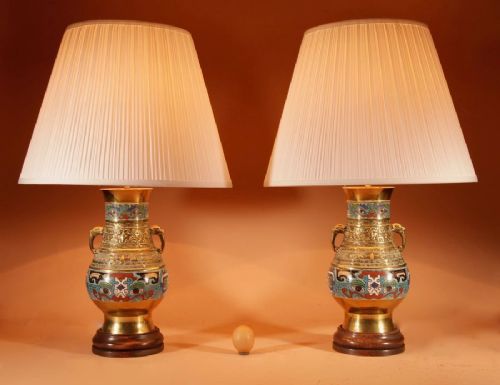
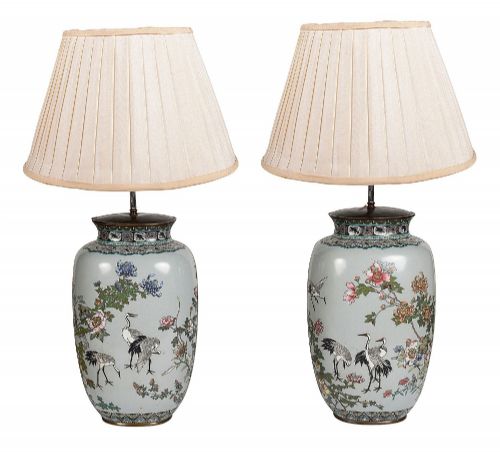
Forms vary from traditional ginger jars and mantel lustres to table lamps converted from decorative vessels, decorative vases, and tall geometric glass centrepieces. These items served as focal points in period interiors and continue to function as striking decorative ornaments today.
How They Were Made
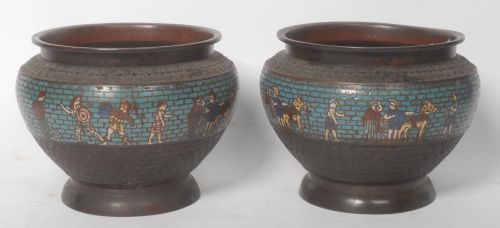
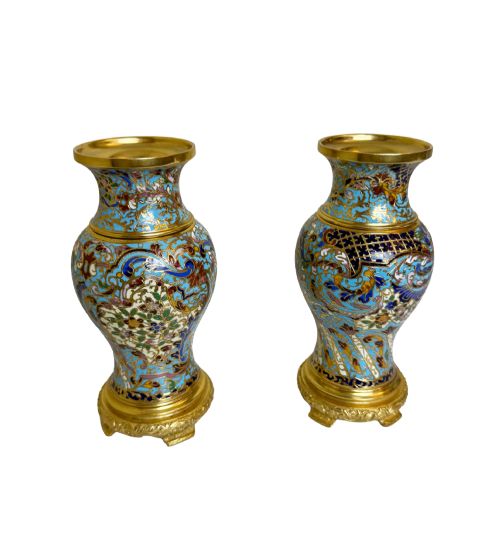
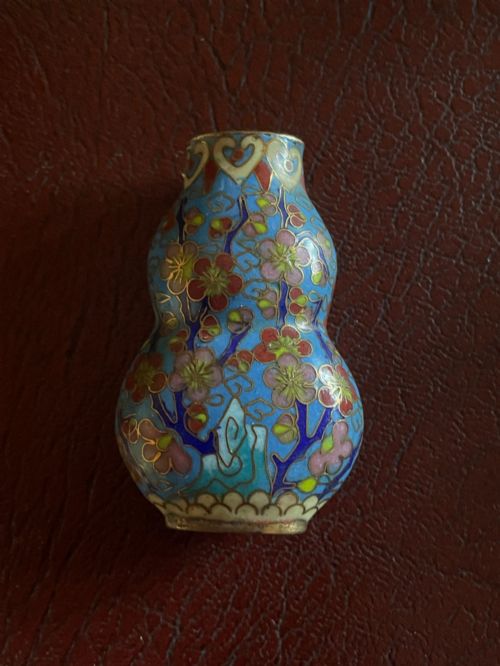
Metalwork pieces rely on techniques like cloisonné and champlevé, where fine wire partitions or recessed channels hold vitreous enamel pastes before firing in a kiln. Bronze, brass, and copper serve as the underlying metallic foundations for these detailed surface decorations.
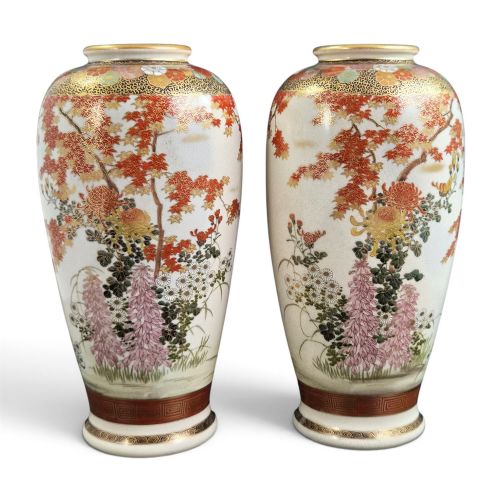
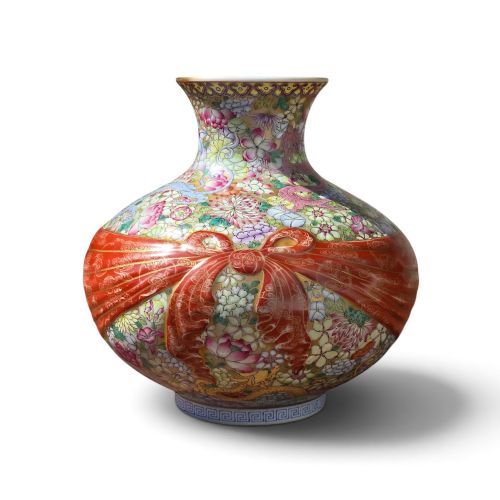
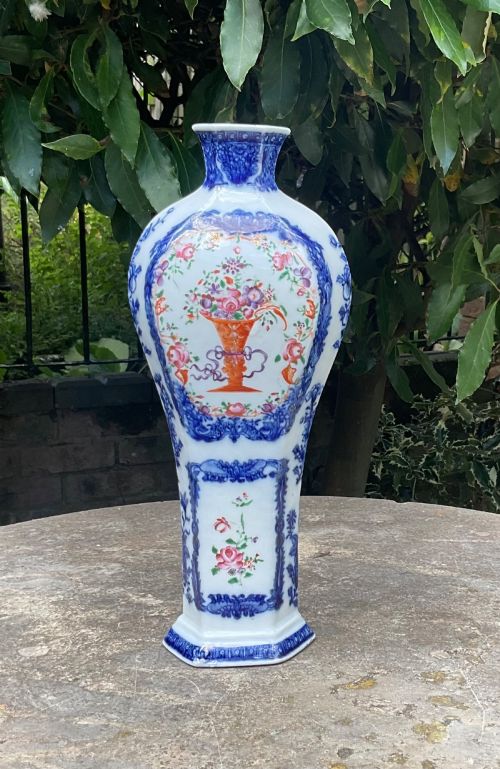
Ceramic vessels combine porcelain, earthenware, and pottery bodies with hand-painted enamel colours, iron-red accents, and occasionally gold leaf highlights. Chinese Famille Rose and Millefleurs designs demonstrate meticulous brushwork applied directly to fired ceramic glazes.
Glass pieces utilise hand-blown, cased, and cameo techniques, often integrating acid-etching alongside enamel painting and gold leaf detailing. Makers layer different coloured glass bodies before carving or enamelling floral and landscape motifs onto the surface.
Objects catalogued under this term represent production eras from the eighteenth century through the Art Deco period of the 1930s.
What Varies in Quality
The refinement of the enamelling work separates standard production from exceptional examples, visible in the precision of line work and the depth of colour. On cloisonné and champlevé items, the uniformity of the metal cells and the smoothness of the polished enamel surface indicate the maker's skill.
For ceramics and glass, artistic execution dictates the grade of the piece, particularly where hand-painted motifs, gilding, and cameo carving are concerned. Signed works from established workshops and recognised makers generally demonstrate superior control over materials and firing processes.
Daum Frères·Kralik Glass·Kinkōzan Workshop·Maruni Kobe·Manpei Kobe·Thomas Webb·Minton·Legras
The Antique Enamelled Vase Glossary
- Cloisonné
- A metalwork technique where thin metal wires form raised barriers on a surface to hold compartments of coloured enamel paste. These compartments are fired and polished to create intricate patterns.
- Champlevé
- A technique where troughs or cells are carved directly into a thick metal surface, such as bronze or brass, and filled with enamel before firing. The surrounding metal remains visible as part of the design.
- Famille Rose
- A prominent palette of opaque enamel colours dominated by pink or rose tones, introduced in Chinese ceramics during the Qing dynasty. It allowed for subtle tonal gradations in floral and figural scenes.
- Cameo Glass
- A glass vessel created by fusing two or more layers of different coloured glass together, then carving away the outer layer to leave a raised design. This technique was favoured by Art Nouveau glassmakers.
- Satsuma
- A type of Japanese earthenware featuring a crackled ivory-coloured glaze, typically decorated with intricate polychrome enamels and gilt highlights. It gained international popularity during the Meiji period.
- Mantle Lustre
- A decorative glass or porcelain vase fitted with hanging glass prisms, designed to sit on a mantelpiece and catch the light. They often appear in matched pairs.
Antique Enamelled Vase: Frequently Asked Questions
How do I clean an antique enamelled vase?
Dust the surface gently with a soft, dry cloth to remove everyday particles without disturbing delicate enamel or gilt details.
Avoid using water, chemical cleaners, or abrasive cloths, as moisture can damage older metal mounts, exposed ceramic bodies, or fragile glass surfaces.
Can I use these vases for fresh flowers?
Most antique enamelled vases are intended as decorative display pieces rather than functional vessels for water and fresh stems.
Seals on older ceramics, metals, and glass can degrade over time, meaning moisture might seep through and cause internal structural damage.
How do I date a Chinese cloisonne vase?
Examine the weight, the composition of the underlying bronze or brass base, and the specific tones of the enamel colours used.
Earlier Qing dynasty pieces often feature heavier metal foundations and distinctive wirework styles compared to later 20th-century reproductions.
What is the difference between Satsuma and Cloisonne?
Satsuma refers to Japanese earthenware with a distinctive crackle-glaze finish painted with polychrome enamels and gold, while cloisonne is a metalwork technique utilising wired enamel compartments.
Both styles flourished during the Meiji period but employ entirely different material bases and manufacturing processes.