





Gilded Art Glass Vase
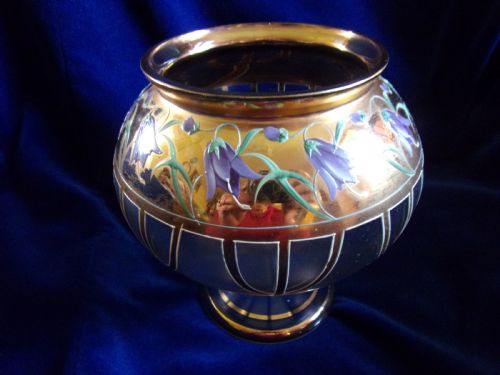
A gilded art glass vase brings incandescent warmth to a room, catching the light in gold leaf and enamel across decades of skilled craft.

Gilded Art Glass Vase
When you search for a gilded art glass vase, you are looking at decorative vessels finished with metal leaf or enamel work from the late nineteenth and early twentieth centuries. These objects reflect major design movements such as Art Nouveau, French Belle Epoque, and the Victorian Aesthetic Movement. The forms range from bulbous glass vases to three handled crystal bowls and decorative tableware.
You are most likely to meet pieces produced during the height of European glassmaking around eighteen ninety and nineteen hundred. Many examples feature botanical motifs including lotus, palmette, and poppy flowers rendered in gold enamel. French and Bohemian glassworks dominate the selections, alongside English production and specific named makers.
How they were made
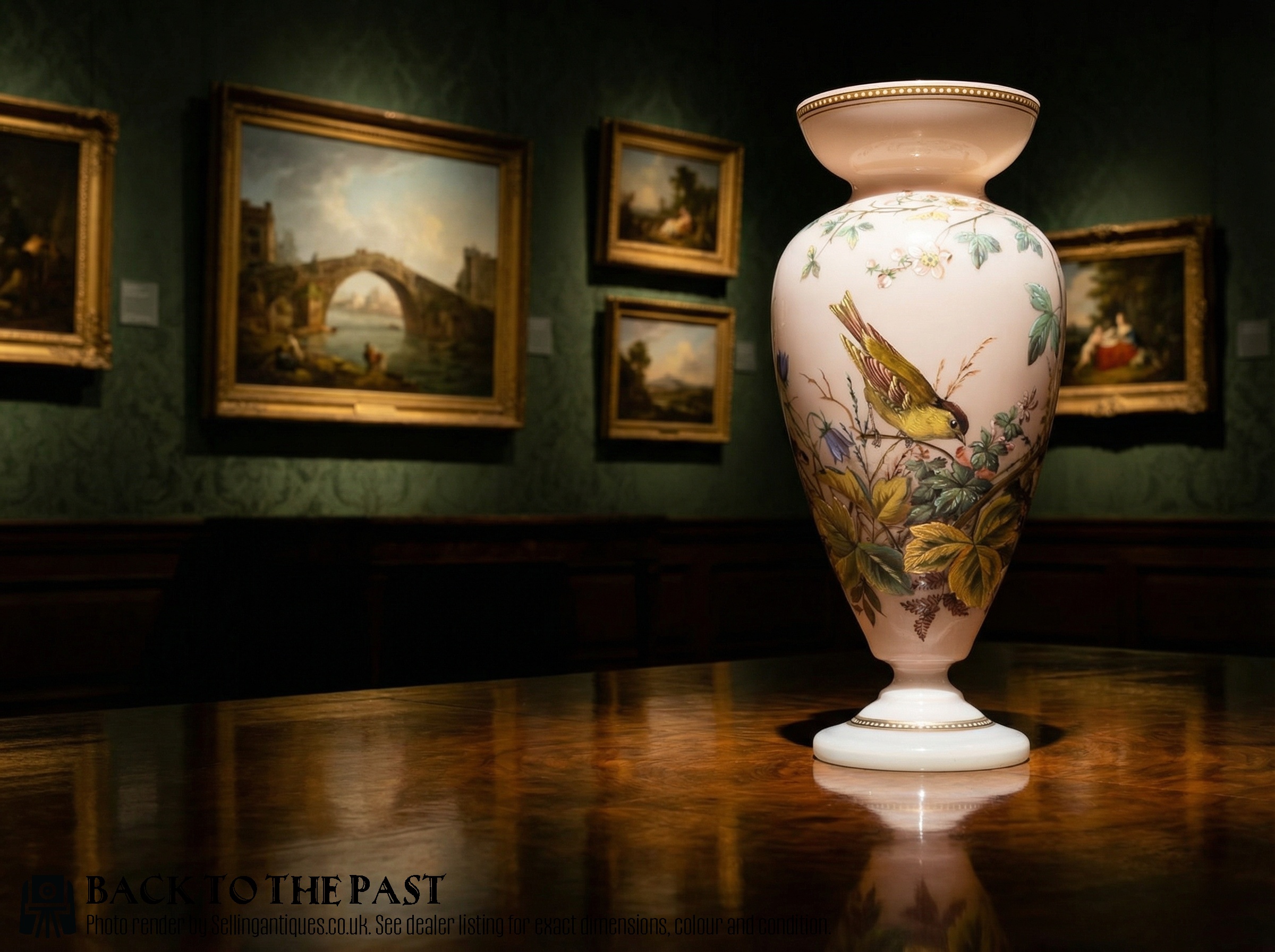
The makers of these items utilised high clarity crystal glass, cameo glass, and coloured grounds like peachblow or vaseline glass as the foundational medium. Molten material was blown and shaped by hand into distinctive forms before cooling and preparation for surface decoration.
Workers applied gold leaf and paste enamel by hand, often firing the pieces repeatedly to bond the metallic pigments permanently to the surface. Floral details and geometric borders were meticulously painted or gilded, resulting in raised textures and luminous highlights.
Materials recorded across the inventory include crystal glass, gold leaf, paste enamel, and peachblow.
What varies in quality
The distinction between standard production and the finest work lies in the precision of the hand painting and the depth of the glass substrate. Superior examples display intricate, multi-layered enamel and crisp gilding that integrates harmoniously with the contours of the vessel.
Signatures, factory attributions, and documented designs by notable glassworks elevate certain items above unmarked commercial output. The weight of the crystal and the complexity of techniques such as cameo carving or multi-fired enamelling indicate the maker's ambition and skill.
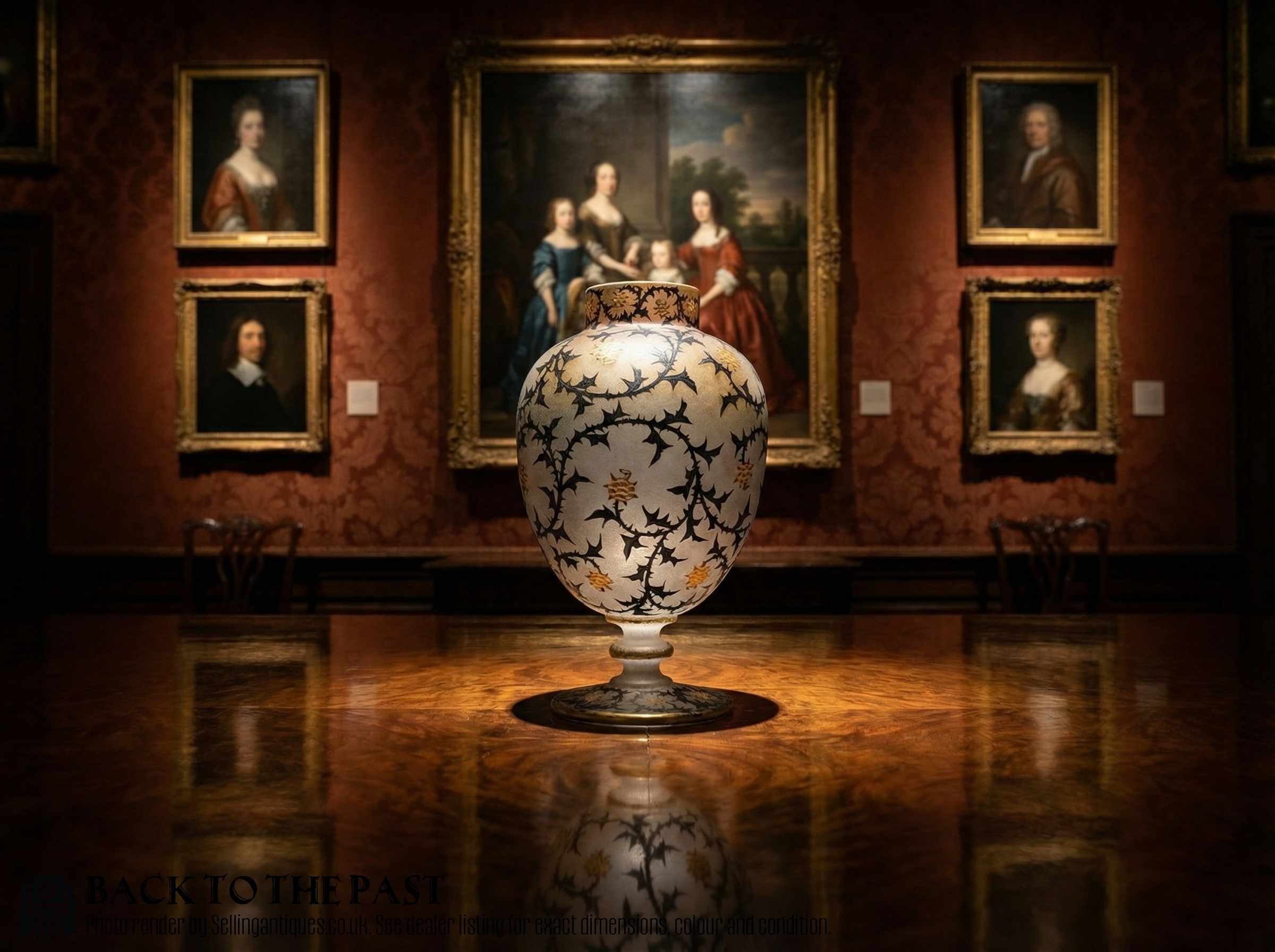
Legras Rouge·St Louis glassworks·Baccarat·Moser·Daum·Paul Heller for Booms glass
The Gilded Art Glass Vase Glossary
- Art Nouveau
- A stylistic movement from the late nineteenth century characterised by flowing, organic lines and floral motifs. It heavily influenced the decoration applied to glass and ceramics of the period.
- Paste Enamel
- A thick, opaque glass-based paint applied to the exterior of a vessel to create raised coloured designs. It is frequently found combined with gilding on nineteenth century glass.
- Peachblow
- A type of shaded art glass that transitions in colour, typically from a pinkish red to a pale yellow or white. It was popular in Bohemian and Victorian production.
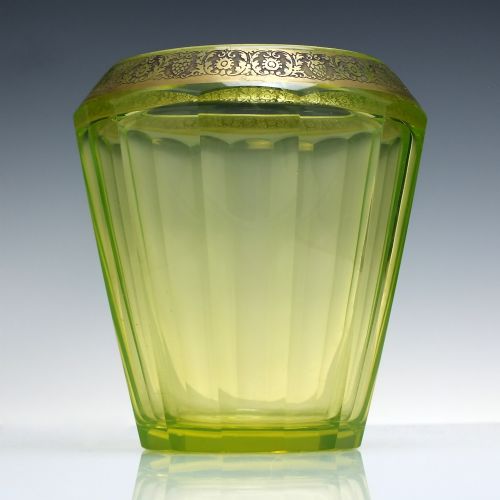
- Vaseline Glass
- Glass coloured with uranium dioxide, which exhibits a distinct yellowish green hue and glows under ultraviolet light. It was widely utilised by prominent glassmakers around nineteen ten.
- Cameo Glass
- A luxury technique involving layers of different coloured glass carved away to reveal a contrasting design in relief. Baccarat and other leading houses employed this method.
Gilded Art Glass Vase: Frequently Asked Questions
How do I clean a gilded glass vase?
Dust these items gently with a dry microfibre cloth and avoid submerging them in water or using chemical solvents. Moisture can degrade historical enamel and delicate gold leaf over time.
Keep the pieces out of direct sunlight to prevent the colours and metallic finishes from fading. Handle them by the body rather than delicate rims or applied handles.
Were these vases used for flowers?
Many of these vessels functioned primarily as ornamental display pieces in Victorian and Edwardian parlours rather than utilitarian flower holders. The delicate nature of the enamel and gilding meant they were often kept on mantelpieces or cabinets.
Some robust crystal bowls and larger vases did accommodate fresh stems, though owners typically protected the interior surfaces. Today they are predominantly collected as fine art glass objects.
How do I identify Art Nouveau pieces?
Look for naturalistic motifs such as poppies, lotus flowers, and scrolling plant stems integrated into the glass surface. The forms tend to mimic organic shapes with sweeping, asymmetrical curves rather than rigid symmetry.
Signatures or factory marks scratched into the base or enamelled on the side often confirm the maker and period. The presence of gold enamel combined with organic styling points directly to nineteen hundred production.
What is vaseline glass?
Vaseline glass contains trace amounts of uranium dioxide, which imparts a distinctive translucent yellow or greenish yellow colour. Under ultraviolet light, the glass emits a bright green fluorescence.
This material was utilised by makers around the turn of the twentieth century to create striking decorative effects. When combined with gilding, it produces a vivid contrast under specific lighting conditions.