

Late Victorian Mirror
A late victorian mirror brings nineteenth-century craftsmanship into a room through shaped glass and carved timber.
Late Victorian Mirror
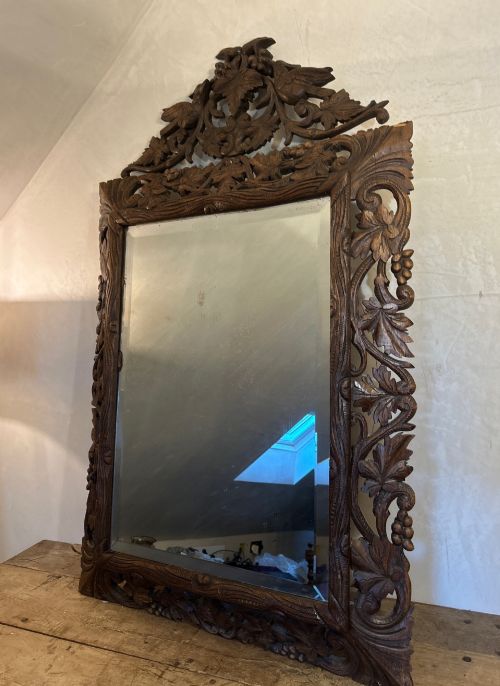
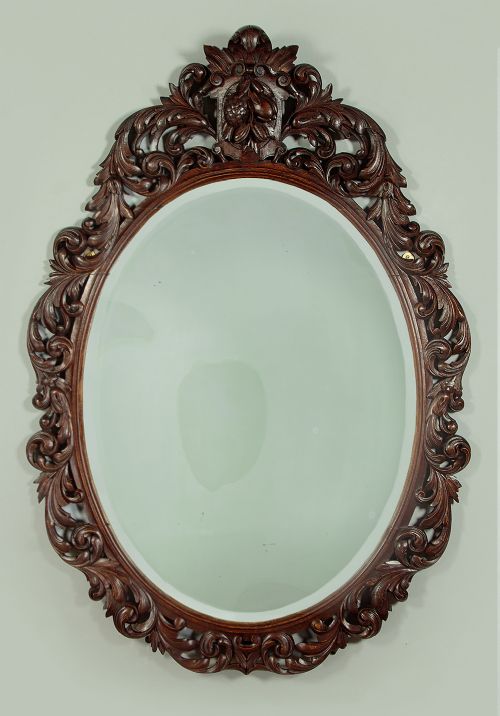
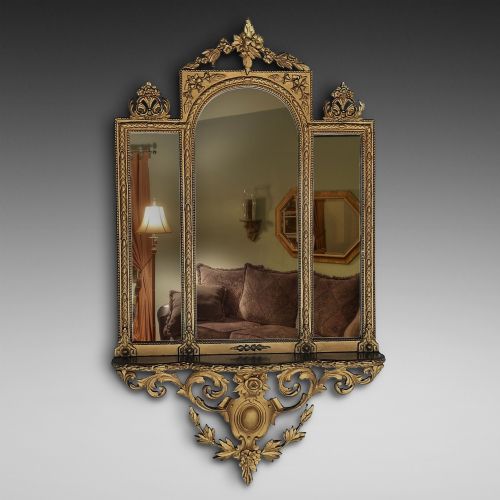
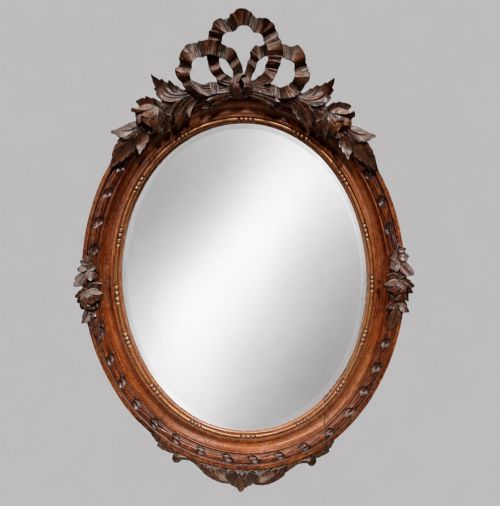
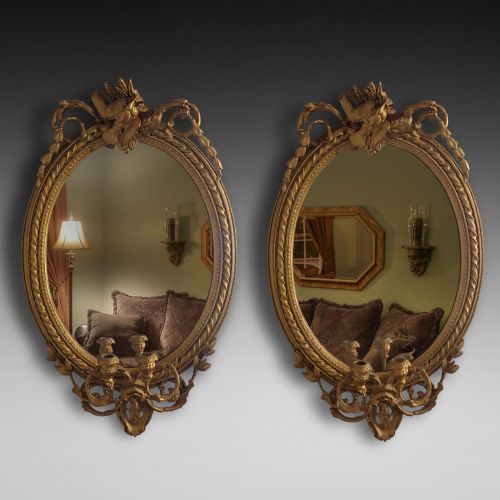
A search for a late victorian mirror reveals wall-hung plates, overmantels, and dressing table swing glasses produced during the final decades of the nineteenth century. These objects reflect various revival movements, incorporating elements from French Rococo, Neoclassical, and Aesthetic styles.
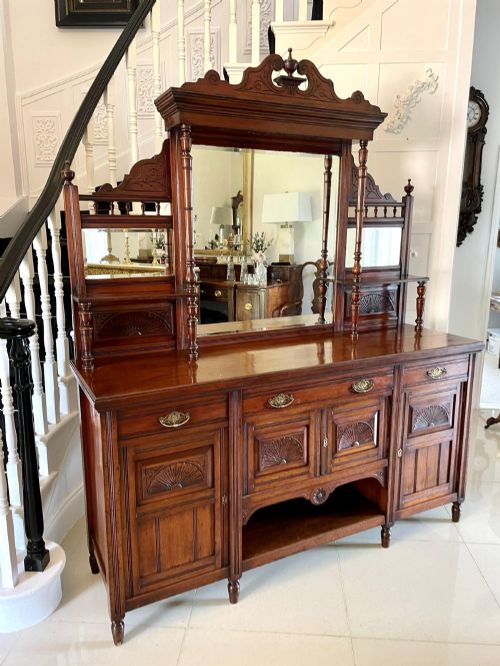
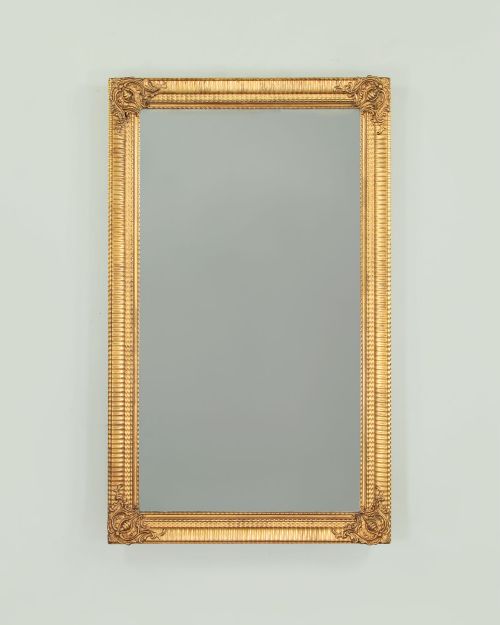
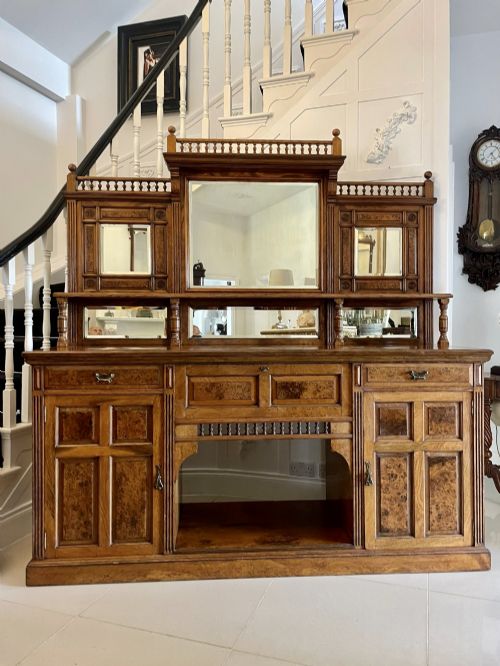
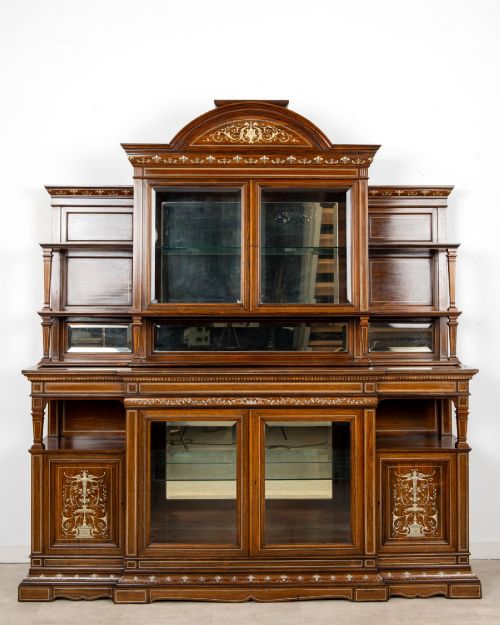
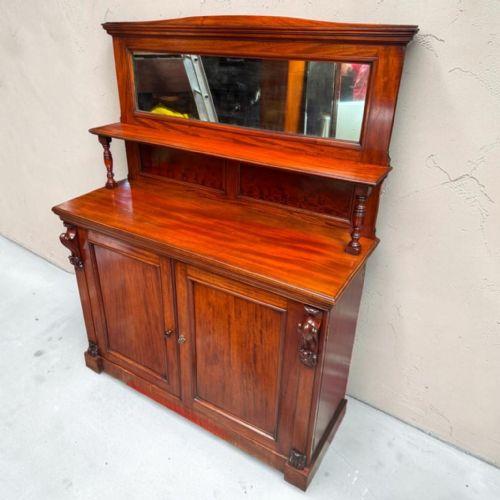
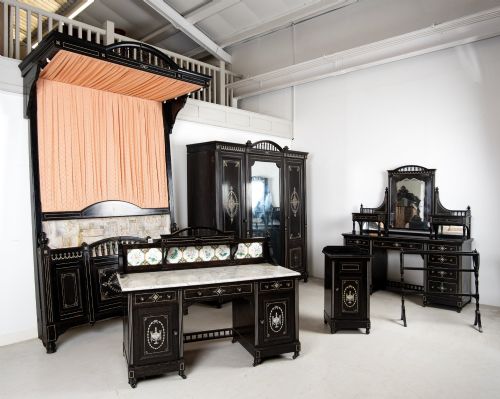
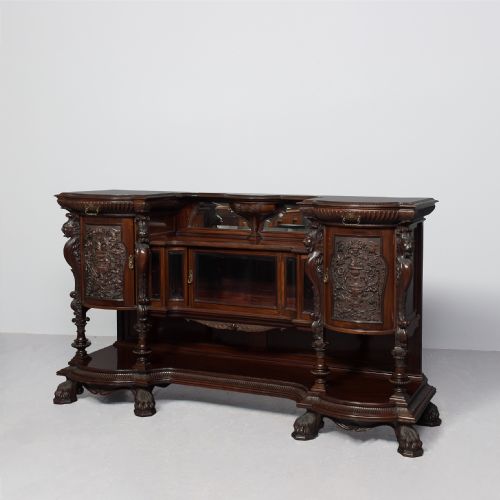
The versions most commonly met on this page include mahogany, oak, and walnut frames alongside gilded gesso wall mirrors. Many items integrate glass into larger furniture forms such as sideboards, wardrobes, and chiffoniers.
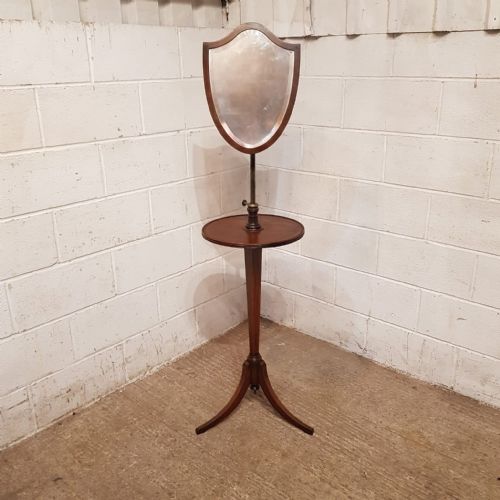
Makers and makers' workshops of the period utilised distinct regional designs, ranging from British domestic timber frames to Continental giltwood imports. Buyers encounter both simple domestic shaving stands and large decorative overmantels designed for principal reception rooms.
Materials and construction techniques
Frames rely on timbers such as mahogany, walnut, oak, and maple, often joined with traditional corner construction and secured with backing boards. Giltwood and gesso examples feature hand-carved wooden substrates coated in plaster layers before application of metal leaf.
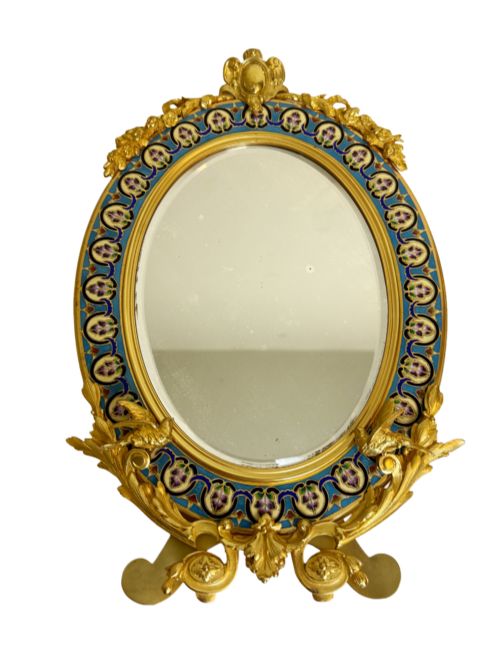
Mirror plates of the period frequently employ bevelled edges and occasionally retain original mercury silvering showing characteristic foxing spots. Brass, champleve bronze, and silver mounts accent smaller dressing table and easel mirrors.
Late Victorian Mirror Retail Price Guide 2026
Typical asking prices for late victorian mirror among the pieces listed under this phrase on Sellingantiques today, from the lower quarter to the upper quarter. They describe what is for sale here now, not the wider market.
One faux bamboo stand combines cast iron strength with botanical mimicry.
Distinctions in standard and execution
The depth and crispness of hand-carved ornament separate standard production from superior examples. Finely executed frames display undercut foliage, crisp floral rosettes, and balanced symmetry in applied crests.
The integrity of the original glass plate and the quality of the timber grain influence the standing of a piece. Finer workshops employed choice veneers, substantial brass hardware, and thick timber carcases that resist warping.
Collinson & Lock·Edwards & Roberts·Cottier & Co.·Henry Matthews·William Comyns
The Late Victorian Mirror Glossary
- Overmantel mirror
- A wide mirror designed specifically to hang on the wall above a fireplace mantelpiece. These often feature triple plates and ornate architectural cresting.
- Gesso
- A plaster-based material applied to wood frames to create a smooth surface for gilding. Carved details are frequently moulded directly into this layer.
- Cheval mirror
- A full-length freestanding dressing mirror suspended on a vertical swivelling frame between two upright pillars. They allow a complete view of attire.
- Girandole
- A decorative wall mirror featuring attached candle sconces that reflect the candlelight into the room. They typically employ giltwood or brass construction.
- Foxing
- The natural ageing process of mirror glass where the reflective backing oxidises, producing dark spots and mottled patches. This indicates genuine nineteenth-century provenance.
Late Victorian Mirror: Frequently Asked Questions
How do I identify a genuine late victorian mirror?
Examine the construction methods visible on the reverse, including hand-cut screws, timber shrinkage, and older backing boards. The presence of bevelled plate glass alongside period wood types such as walnut or mahogany provides further confirmation.
Check for original mercury silvering or foxing on the glass, which develops naturally over time. Stylistic details like Aesthetic movement ebonising or Neoclassical urns align the piece securely with the late nineteenth century.
Where should an overmantel mirror be placed?
Overmantel mirrors were originally proportioned to hang directly above a fireplace opening to reflect light and anchor the room's decorative scheme. Their wide horizontal formats suit placement above low sideboards or console tables.
Ensure the wall fixings engage securely with structural studs or masonry, as these substantial timber and glass assemblies carry considerable weight. Positioning them opposite a window maximises natural light distribution.
What is the difference between a cheval mirror and a dressing mirror?
A cheval mirror stands independently on the floor as a full-length piece, supported by a pivoting frame that tilts the glass. A dressing mirror is smaller and intended to sit on top of a dressing table or chest of drawers.
Floor-standing cheval mirrors function well in bedrooms for checking outfits, while tabletop swing mirrors serve detailed grooming tasks.
How do I care for antique mirror glass and frames?
Dust giltwood and carved timber frames gently with a soft, dry brush to prevent damage to delicate gesso or leaf. Avoid chemical cleaning products that might strip historic finishes or seep behind the glass plate.
Clean the glass surface sparingly using a cloth slightly dampened with distilled water, ensuring moisture does not reach the unsealed edges of the plate where the silvering meets the frame.