
Late Victorian Chest
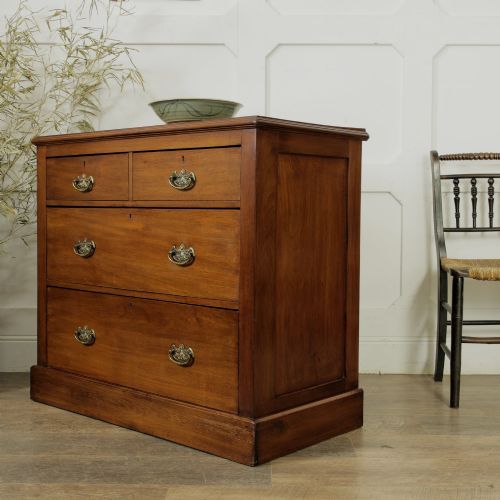
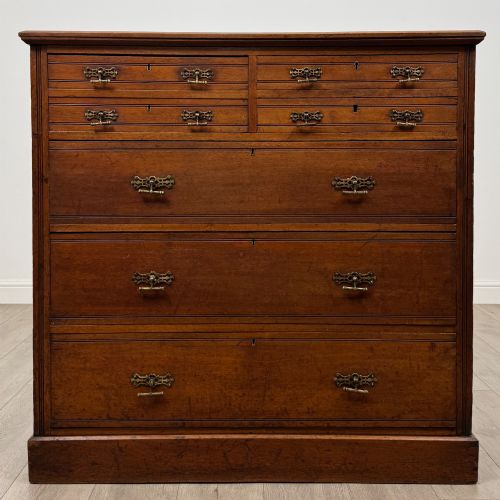
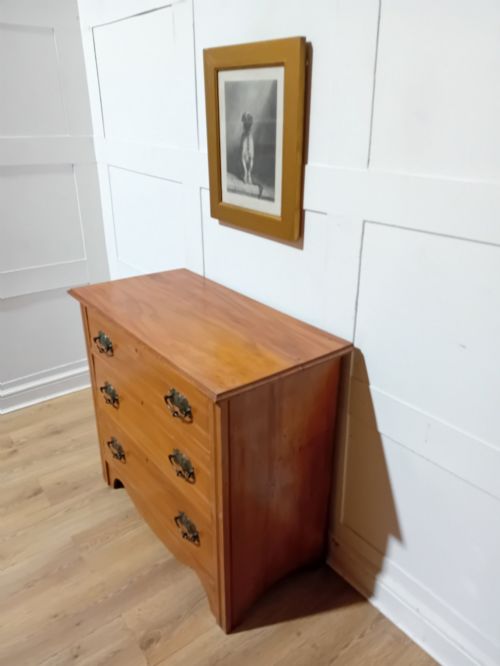
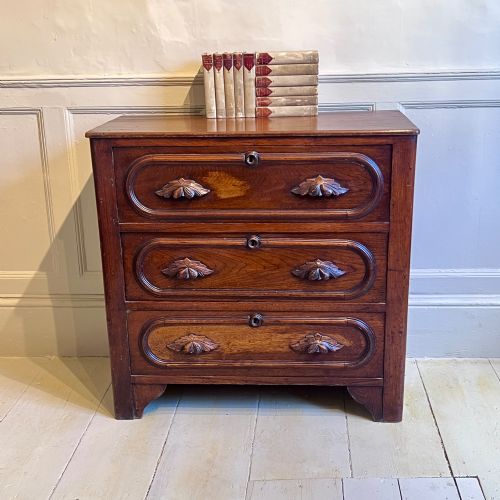
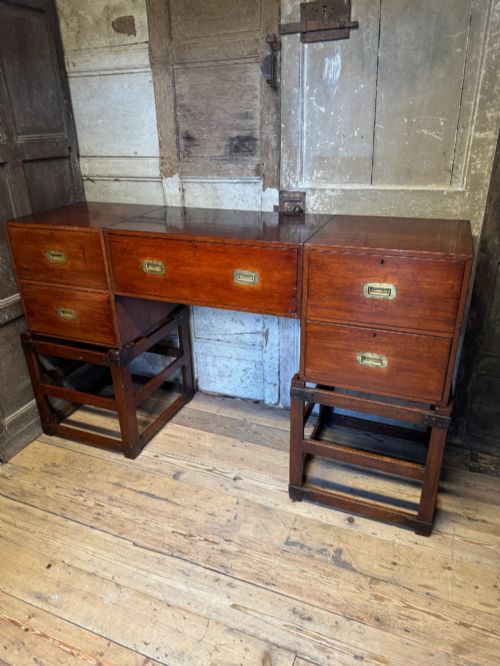
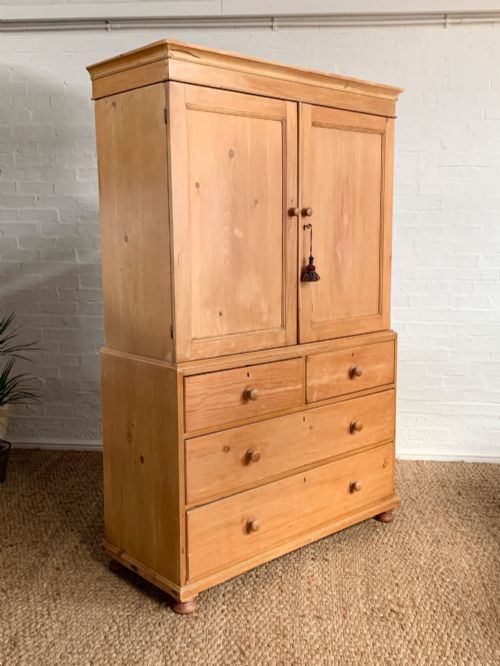
A late victorian chest brings functional storage to a room through solid timber construction and practical proportions.
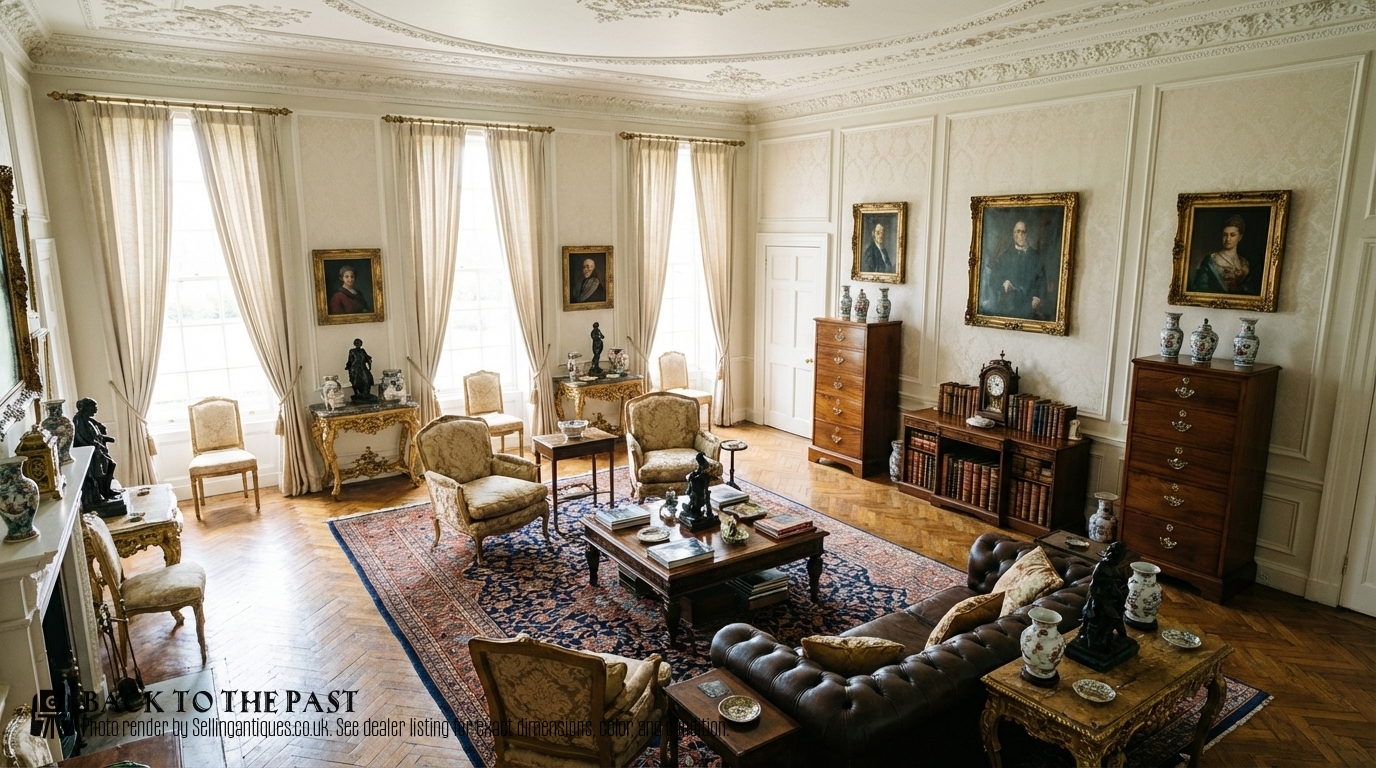
Late Victorian Chest
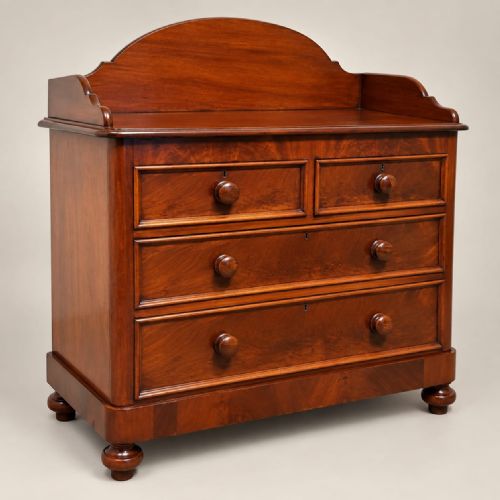
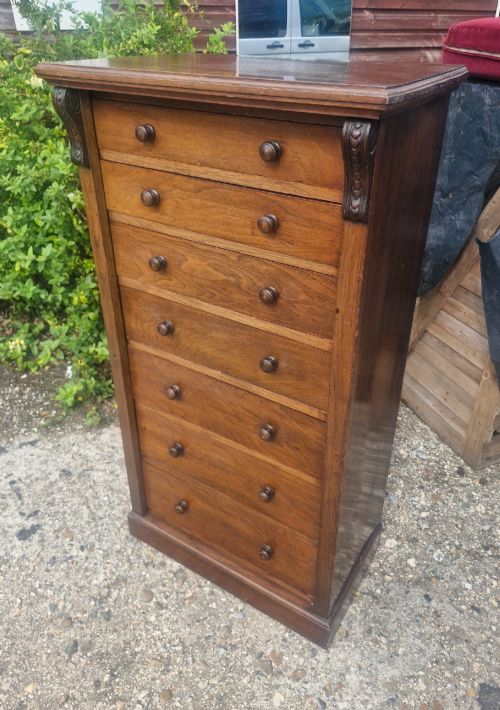
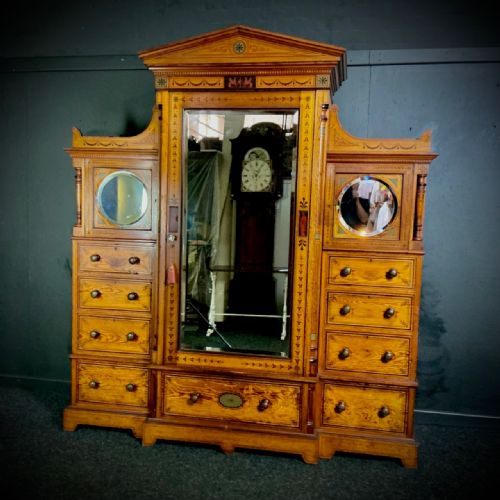
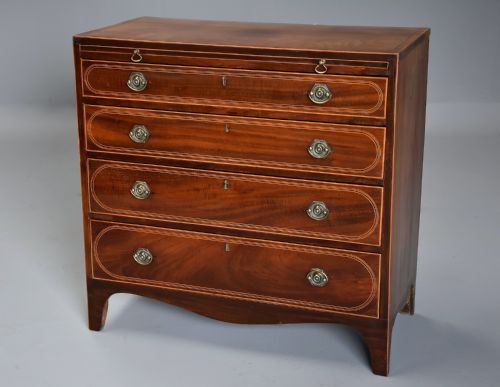
A late victorian chest provides drawer storage in forms ranging from tall Wellington chests to low bedside units and large bedroom pieces.
The material palette spans dense hardwoods like mahogany, walnut, and rosewood alongside practical softwoods such as pine and pitch pine.
Makers build these chests in styles that reflect the late nineteenth century, including Arts and Crafts simplicity and Aesthetic Movement decoration.
Construction and Materials
Cabinet makers utilise solid timbers including oak, ash, satinwood, and walnut, often pairing primary woods with secondary pine linings in the drawer construction.
Hardware details incorporate brass pulls, iron mechanisms, and branded security locks by makers such as Hobbs alongside fitted brass handles.
Retail Price Guide 2026
Typical UK retail prices for late victorian chest, calculated from the Sellingantiques database of over a million retail prices indexed since 2003. This retail price guide relies exclusively on Sellingantiques data; no external sources or auction records are used, so the figures do not describe the wider market.
Listings feature woods including mahogany, oak, walnut, satinwood, ash, rosewood, and pine across the late nineteenth century.
Gradations of Quality
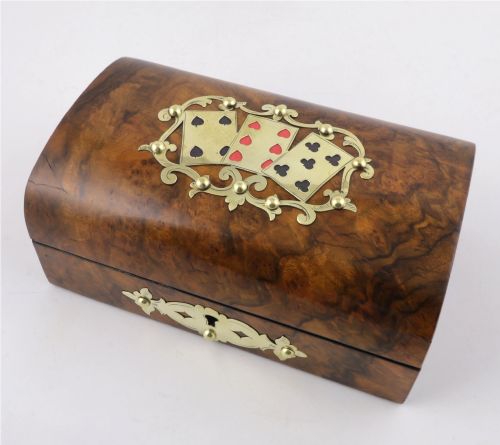
Superior examples employ choice veneers like burr walnut and birds-eye maple over robust carcasses, paired with refined brass hardware and superior locking mechanisms.
Simpler utility pieces in stained or plain pine rely on honest structural joinery and practical drawer configurations rather than decorative surface veneers.
Harris Lebus·Hall & Co·Maple & Sons
The Late Victorian Chest Glossary
- Wellington chest
- A tall, narrow locking chest of drawers secured by a hinged vertical side pilaster. This form typically contains multiple shallow drawers.
- Collector's chest
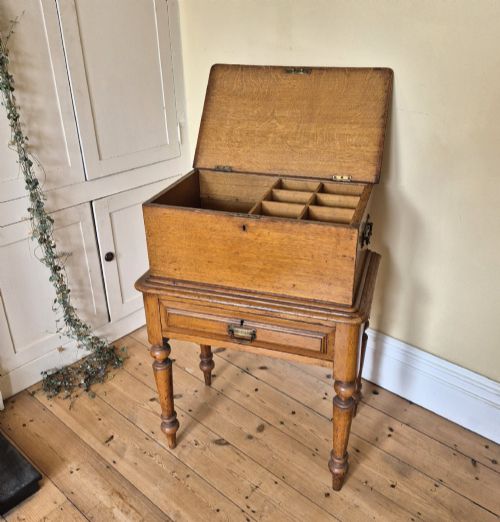
- A specialised cabinet fitted with numerous small internal drawers for specimens or small objects. These often appear in mahogany or oak.
- Aesthetic Movement
- A design style prioritising visual beauty over narrative function, prominent in late nineteenth-century cabinet work. Pieces in this style often utilise satinwood or ebonised details.
- Arts and Crafts
- A movement focused on visible construction, honest materials, and plain surfaces. Oak and ash examples frequently display this philosophy.
Frequently Asked Questions
What is a Wellington chest?
A Wellington chest is a tall, narrow drawer unit that uses a locking side bar to secure all the drawers at once.
Cabinet makers designed these secure pieces for papers or valuables in late nineteenth-century interiors.
How do I identify an Aesthetic Movement chest?
Aesthetic Movement pieces focus on visual design, often using satinwood or distinctive brass handles.
These chests date around eighteen-eighty to nineteen-hundred and embrace simpler, art-focused lines.
What woods were used for these chests?
Carpenters utilised a wide variety of timbers depending on the intended room and budget.
Luxury pieces feature mahogany, walnut, rosewood, and satinwood, while utilitarian pieces use pine, ash, and oak.
Are bedside chests common from this period?
Bedside chests appear frequently as matched pairs in walnut, rosewood, and pine.
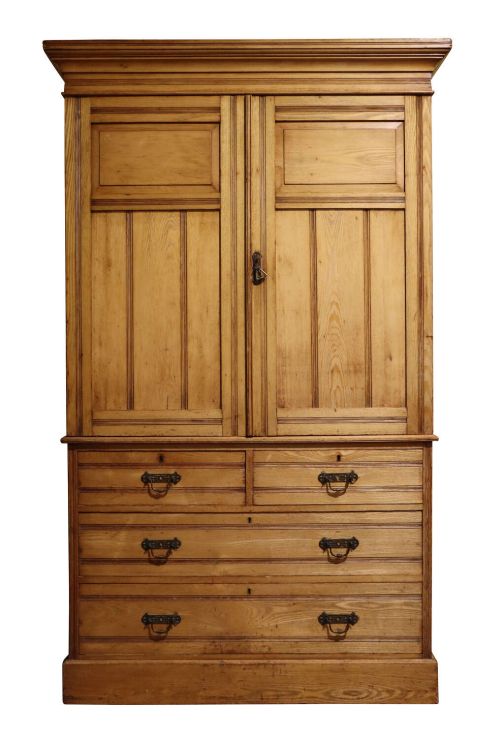
Victorian bedrooms often utilised these smaller scale cabinets alongside larger clothes presses and dressing chests.