

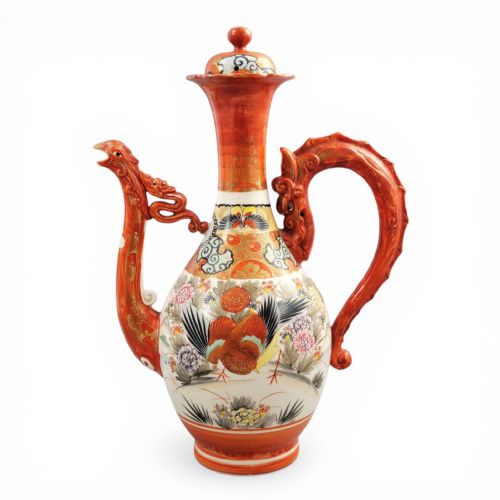


Late Victorian Ceramic Vase
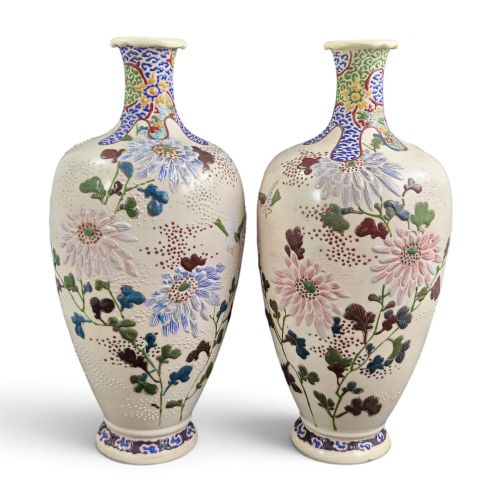
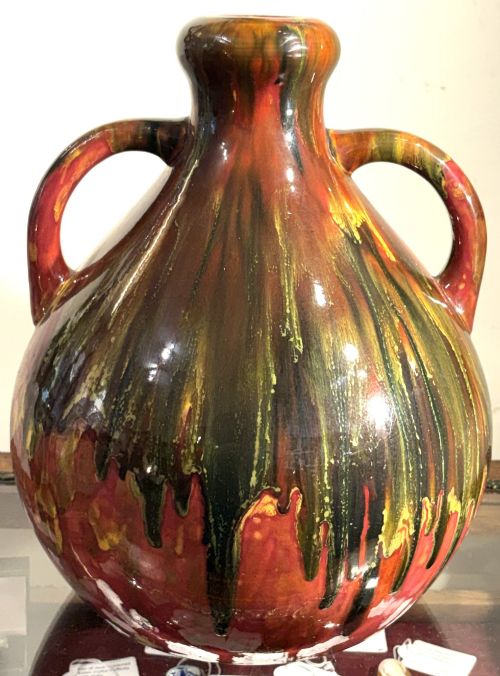
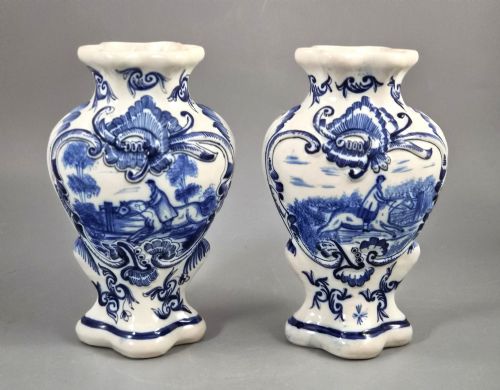
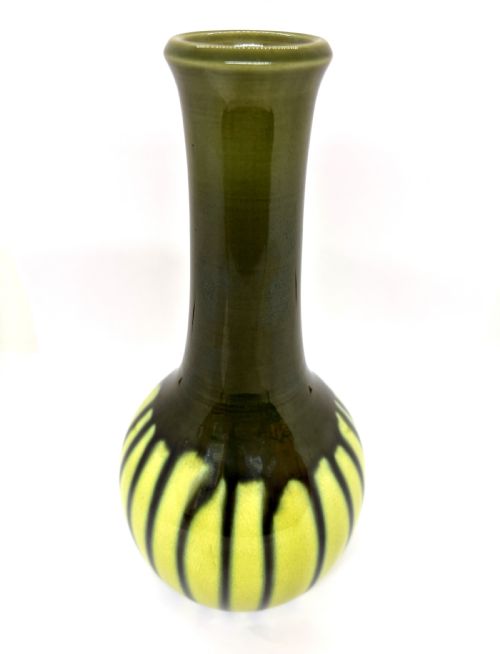
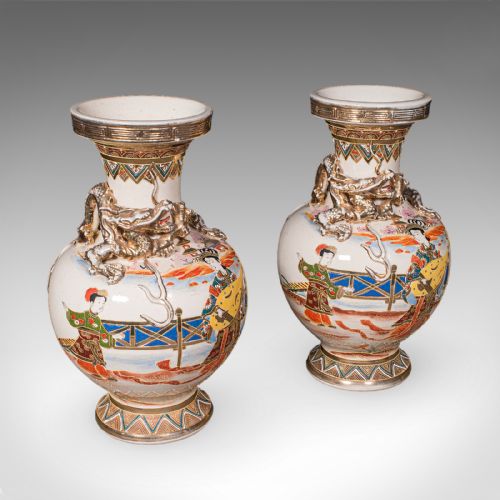
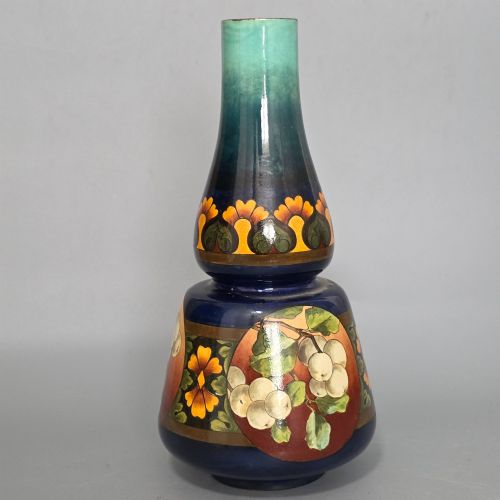
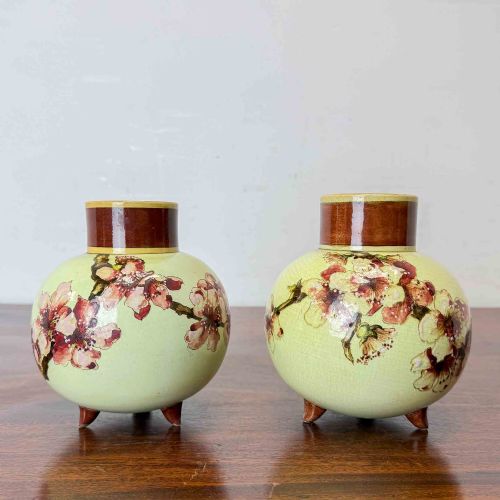
A late victorian ceramic vase brings painterly surface detail and diverse regional experimentation into a room.
Late Victorian Ceramic Vase
When you search for a late victorian ceramic vase, you encounter a period of intense kiln experimentation spanning earthenware, porcelain and faience. The offerings lean heavily toward British potteries alongside continental European porcelain works and Japanese imports.
Vessels take many shapes, from slender spill vases and bottle forms to large baluster vases, decorative ewers and lidded urns. These pieces reflect the eclectic tastes of the late nineteenth century, incorporating aesthetic movement lines and naturalistic motifs.
Materials and Techniques
Makers shaped fine porcelain, earthenware and faience bodies, often applying intricate hand-painted decoration, gilding and gold leaf. Glazes ranged from smooth white porcelain and blush ivory to rich metallic sheens and reactive art pottery surfaces.
Techniques such as pate-sur-pate, reticulation, and slip-trailing allowed decorators to build texture and relief directly onto the ceramic body. Many works combined thrown pottery bases with applied handles, dolphin supports, or pierced gilt mounts.
Late Victorian Ceramic Vase Retail Price Guide 2026
Typical asking prices for late victorian ceramic vase among the pieces listed under this phrase on Sellingantiques today, from the lower quarter to the upper quarter. They describe what is for sale here now, not the wider market.
The selection includes British art potteries alongside continental European porcelain houses and Japanese imports from the late nineteenth century.
Evaluating Execution
Quality rests upon the precision of the hand-painted brushwork and the crispness of moulded details like reticulated piercing and applied floral garlands. Superior pieces display careful balance between the ceramic body and the surface ornamentation.
The sophistication of the glaze chemistry and the integration of stylistic influences, such as Persian or Art Nouveau lines, separate standard production items from masterworks of the studio potteries and major porcelain houses.
Locke & Co.·Doulton Lambeth·Royal Worcester·Burmantofts Faience·Moorcroft Macintyre
The Late Victorian Ceramic Vase Glossary
- Faience
- Tin-glazed earthenware decorated with opaque coloured glazes. This technique produced rich surfaces favoured by nineteenth-century art potteries.
- Baluster
- A vertical ceramic form swelling gently toward the lower section before tapering at the neck. It provides a stable and traditional silhouette for painted decoration.
- Pate-sur-pate
- A method of building up raised designs in white slip upon a darker ceramic ground before firing. The technique creates a delicate cameo effect.
- Reticulation
- An openwork pattern pierced through the ceramic body prior to firing. It demands high kiln control to prevent distortion of the vessel.
- Ewer
- A decorative water jug featuring a wide spout and an arched handle. In late nineteenth-century ceramics, it served primarily as an ornamental display piece.
Late Victorian Ceramic Vase: Frequently Asked Questions
What is blush ivory porcelain?
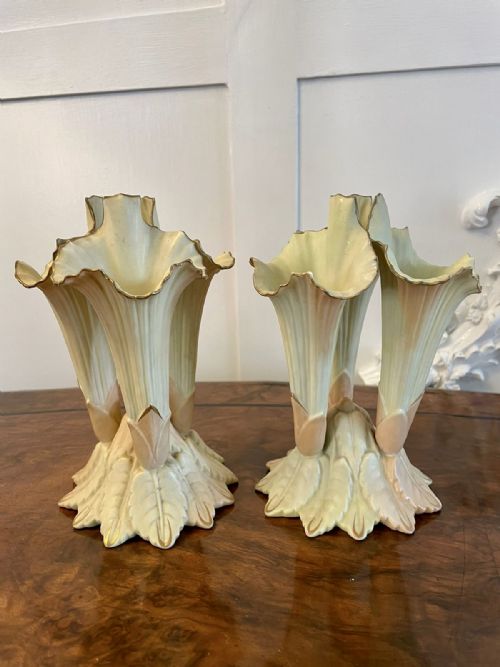
Blush ivory refers to a soft, creamy porcelain ground developed by potteries like Royal Worcester, often accented with hand-painted floral subjects and gilt highlights.
The subtle matte finish created a distinct canvas that defined much of the domestic decorative ware produced near the end of the nineteenth century.
Are marks important on these ceramics?
Maker marks, registry numbers, and decorator ciphers stamped or painted underneath provide direct evidence of factory origin and date of production. These indicators help differentiate standard commercial output from specialised studio pieces.
Consulting factory archives allows collectors to trace specific patterns and attribute unsigned or experimental works with greater confidence.
How do I care for antique ceramic vases?
Dusting gently with a soft, dry brush preserves delicate enamel details, hand-painted gilding, and raised slip decoration without risking abrasion. Water and chemical cleaners should be avoided, particularly on porous earthenware or unglazed surfaces.
Keeping pieces away from direct sunlight prevents fading of pigments and protects fragile nineteenth-century glazes over time.