

Late 19th Century Lighting
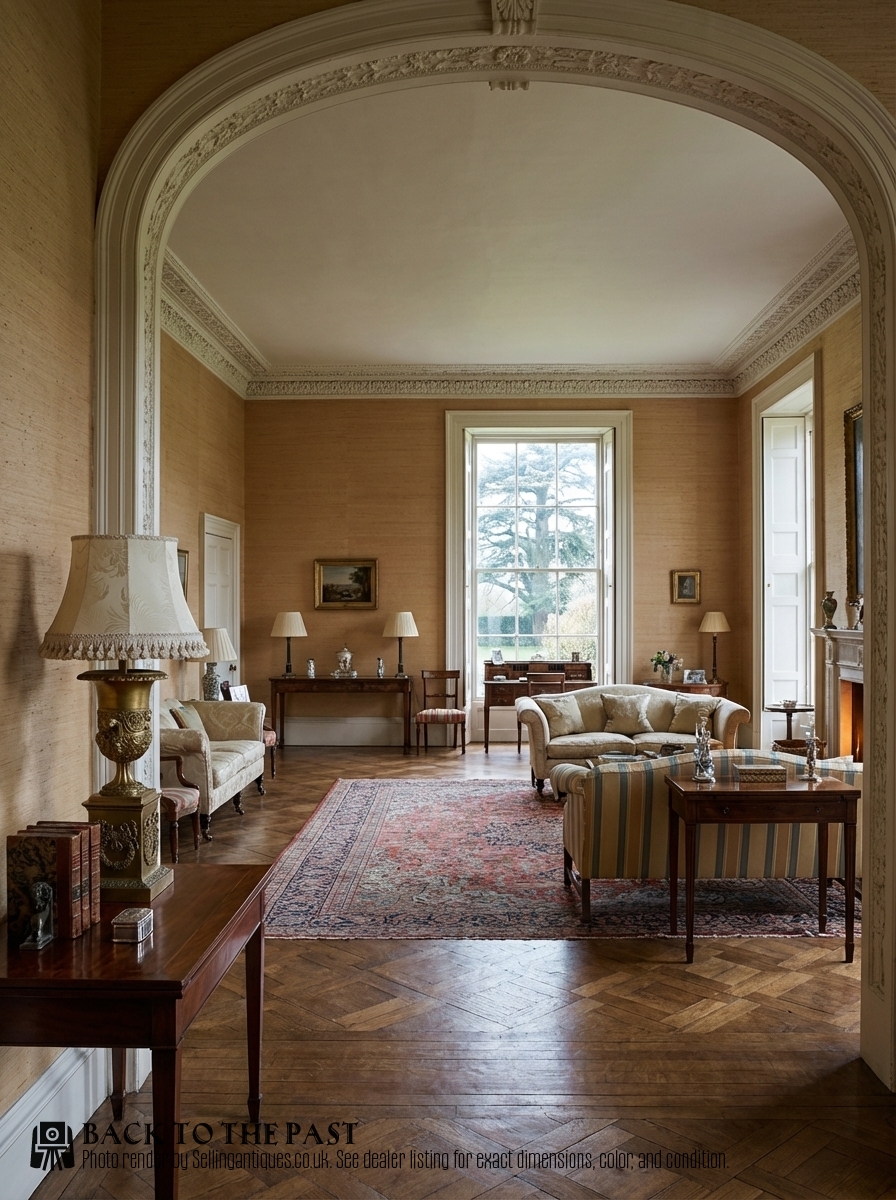
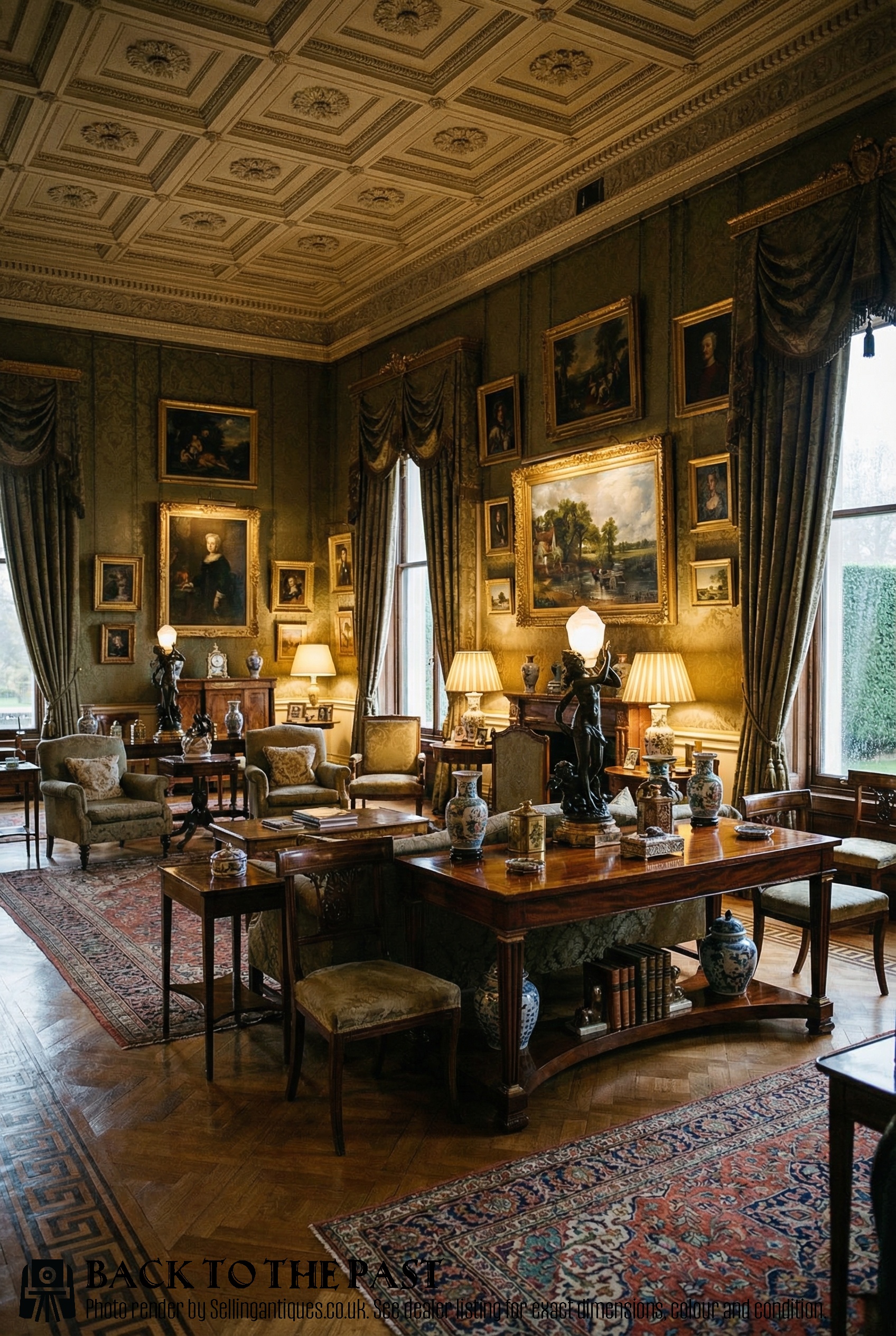
Late 19th century lighting brings together opulent French and Victorian metalwork, oil lamps, and chandeliers that anchor a room with period weight.
What these pieces are
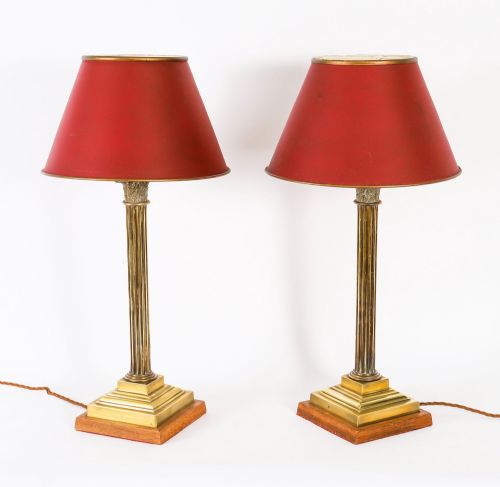
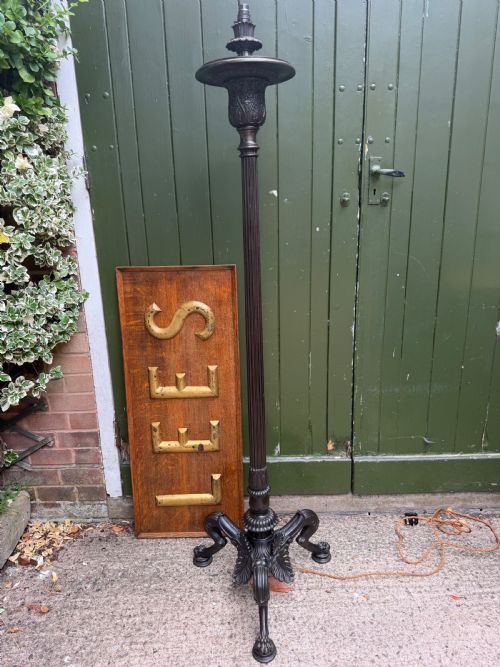
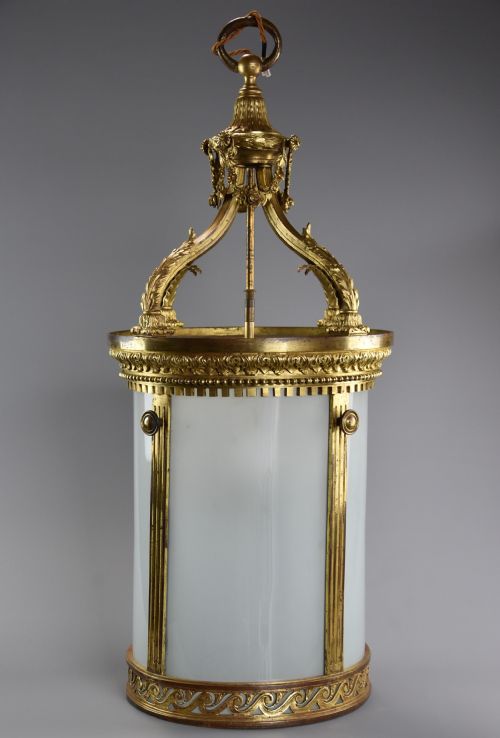
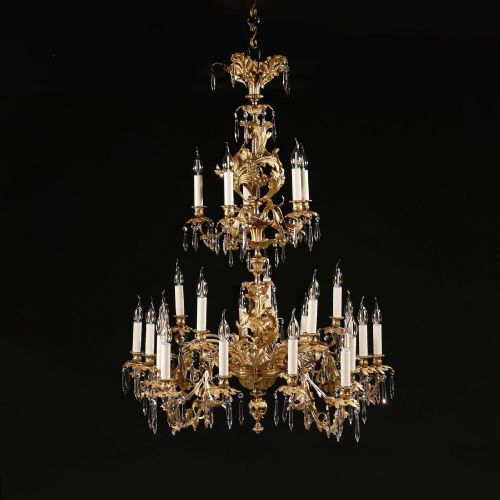
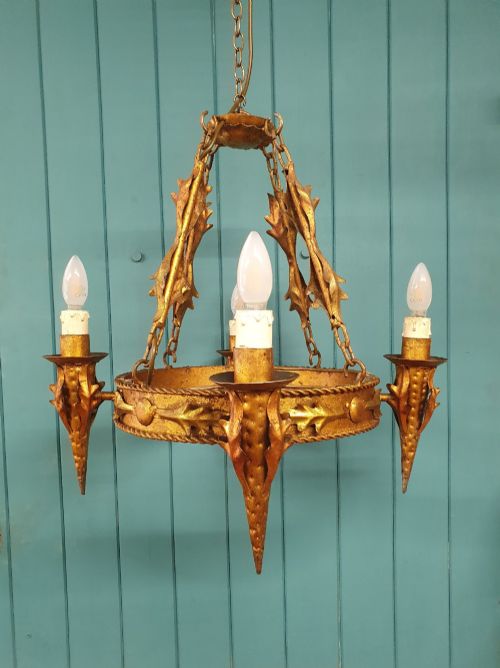
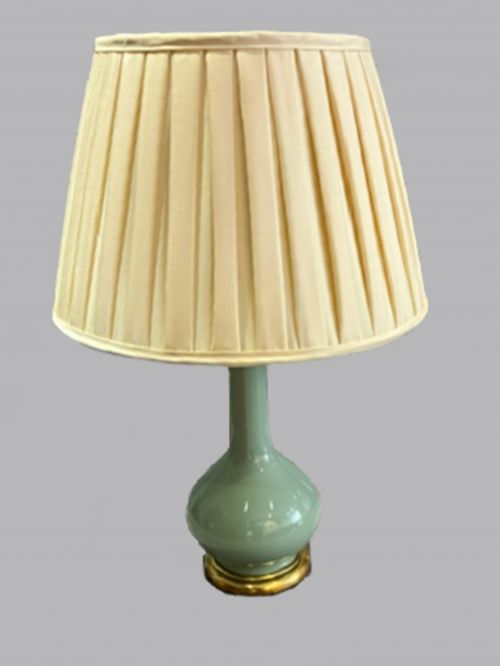
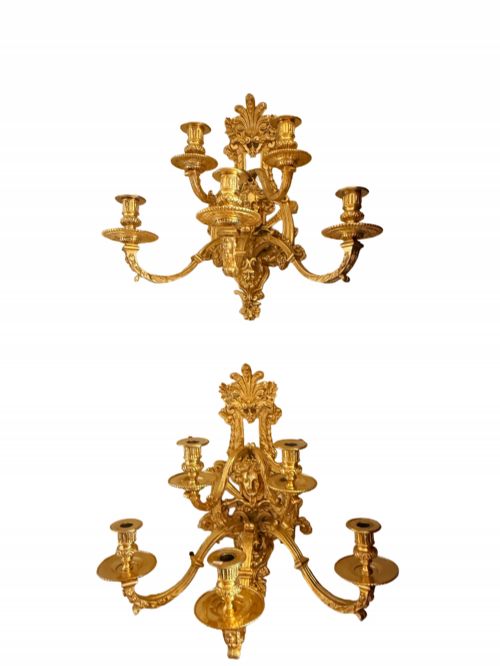
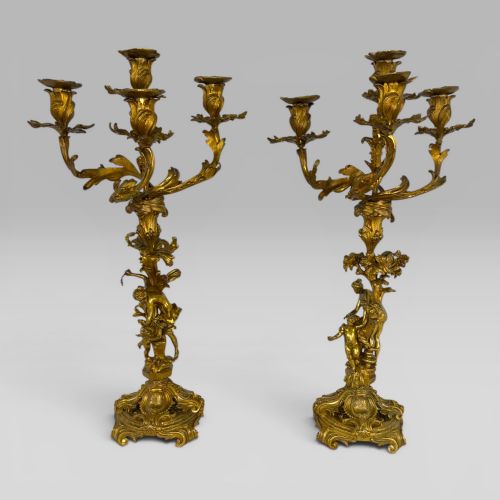
Late 19th century lighting encompasses grand chandeliers, standard oil lamps, and figural table lamps originating from the Victorian era and French workshops. When you search for late 19th century lighting, you encounter robust brass standard lamps, multi-light gilt bronze chandeliers, and elaborate pairs of porcelain lamps with gilt mounts.
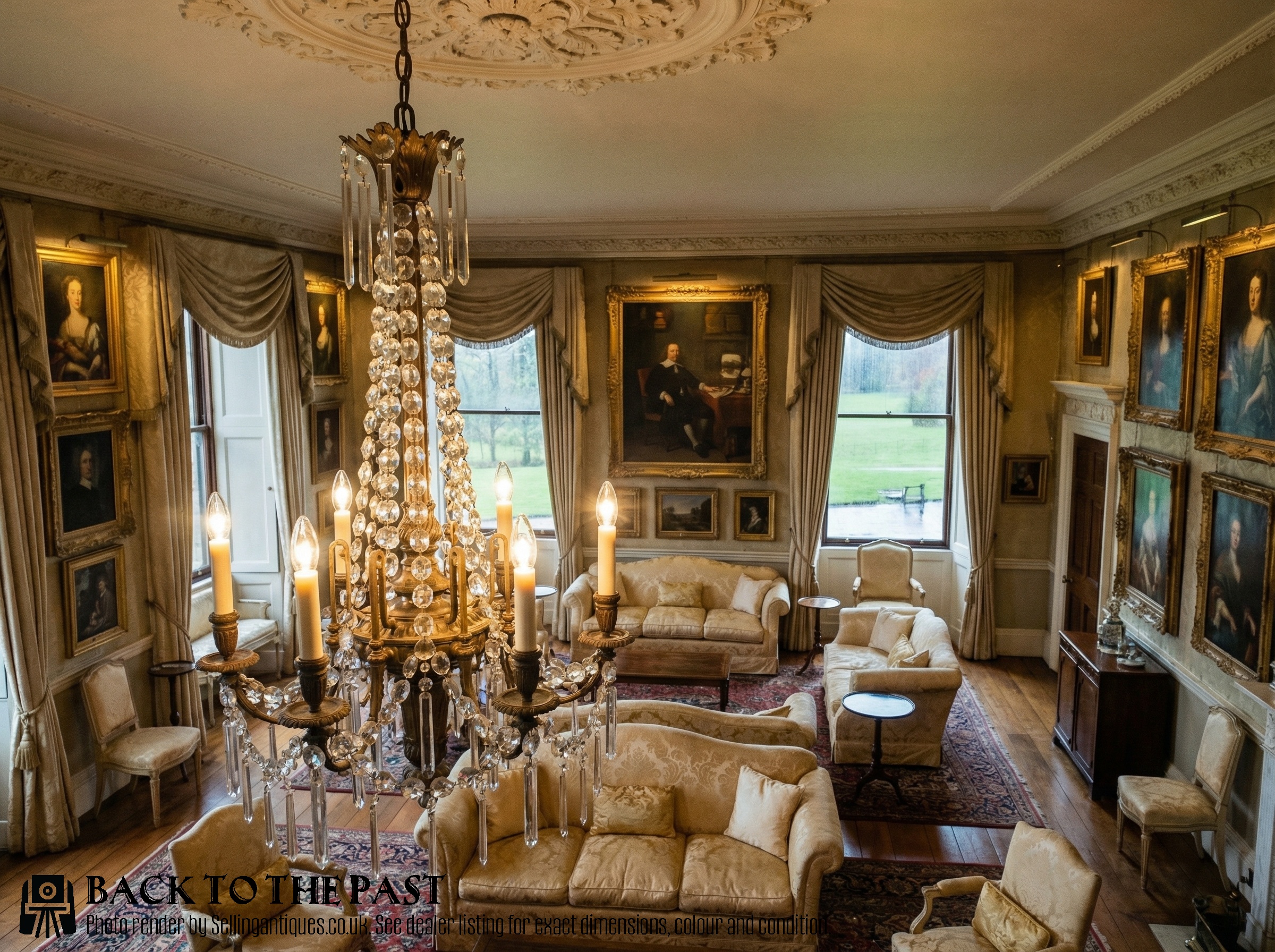
The forms span domestic table lighting and large ceiling fixtures designed to illuminate substantial interior spaces. French chandeliers from this period frequently feature multiple candle-form lights and heavy bronze castings, while Victorian examples often utilise standard oil configurations adapted over time.
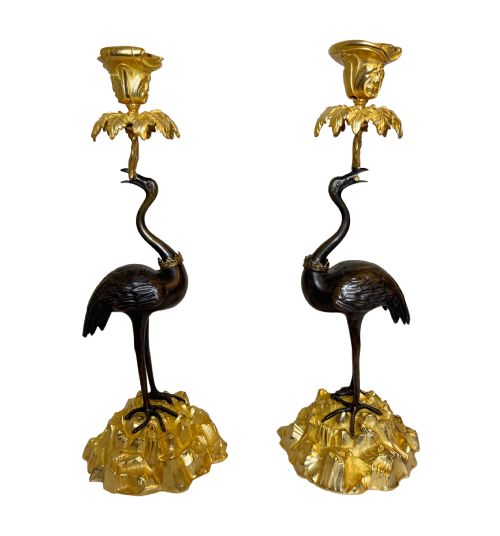
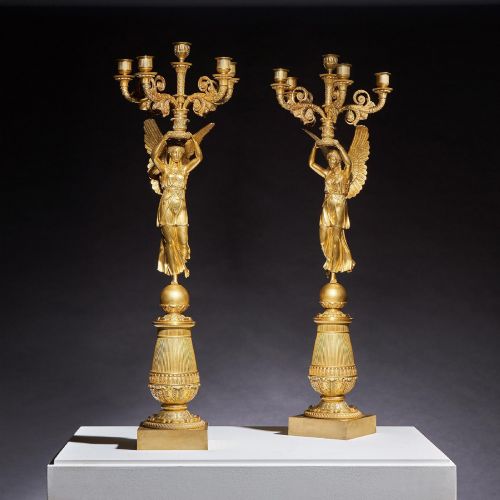
Figural elements also appear within this category, notably through spelter sculptures depicting subjects like musketeers alongside functional lamp hardware. These pieces bridge the gap between decorative sculpture and practical illumination, reflecting the ornate tastes of the late eighteen-hundreds.
How they were made
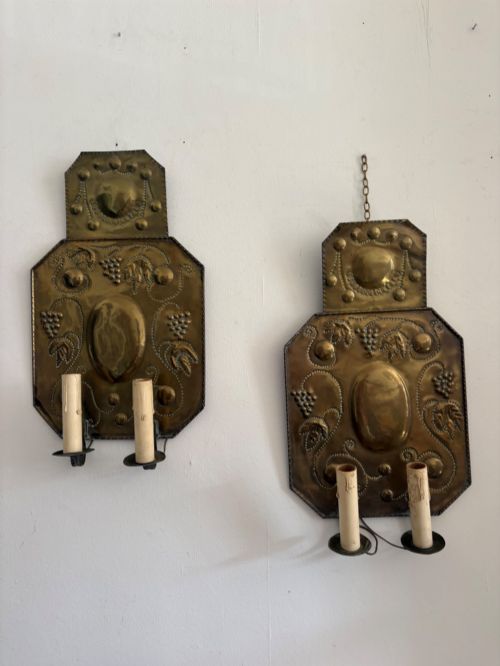
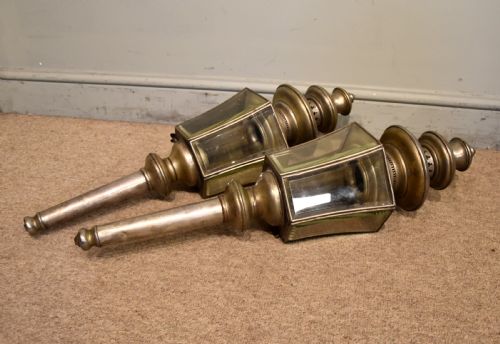
The construction of late 19th century lighting relies heavily on metal casting, utilising brass, spelter, gilt bronze, and gilded ormolu-bronze. Manufacturers shaped these metals through casting and chasing, often applying mercury gilding or surface silvering to achieve rich metallic finishes.
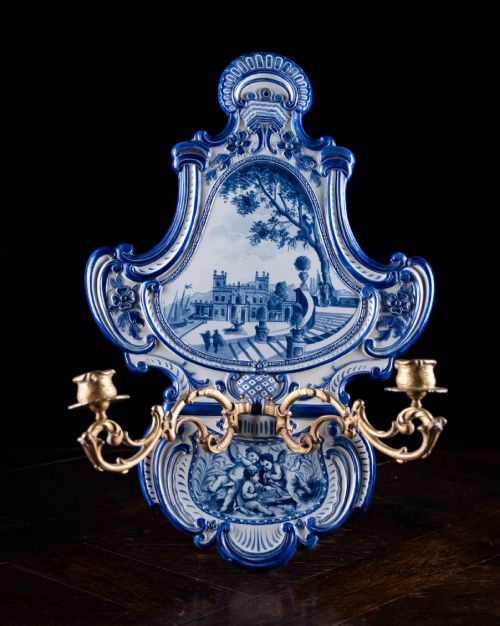
Porcelain and cut glass bodies provide contrast to the metal mounts, frequently decorated with techniques such as pâte-sur-pâte where layers of liquid clay build up low-relief designs. Fabric elements also appear on certain shades and fittings, completing assemblies held together by threaded brass rods and screws.
Retail Price Guide 2026
Typical UK retail prices for late 19th century lighting, calculated from the Sellingantiques database of over a million retail prices indexed since 2003. This retail price guide relies exclusively on Sellingantiques data; no external sources or auction records are used, so the figures do not describe the wider market.
Listings feature items spanning the Victorian era, 1880, 1890, and 1900, incorporating fabric, brass, porcelain, gilt bronze, spelter, and cut glass.
What varies in quality
Quality in late 19th century lighting rests upon the crispness of the metal chasing and the weight of the bronze or brass castings. Superior pieces display deep, hand-finished detail in the foliage and figural elements, whereas lesser items rely on softer, shallower factory casts.
The choice of materials dictates the upper tier of the range, with genuine gilt bronze and finely executed pâte-sur-pâte porcelain commanding greater presence than standard spelter or simpler brass. Furthermore, signed works by known sculptors elevate the status of an individual lamp far above anonymous production pieces.
Auguste Moreau
The Late 19th Century Lighting Glossary
- Gilt bronze
- Metal alloy cast with intricate detail and coated in a layer of gold, often providing the primary structure for French chandeliers and lamp mounts.
- Spelter
- A zinc alloy commonly used as a less expensive alternative to bronze for figural sculptures and lamp bases, usually finished with a bronze or silvered coating.
- Pâte-sur-pâte
- A ceramic technique involving successive layers of liquid white porcelain slip applied to a darker clay body to build up raised decorative motifs.
- Ormolu
- Finely chopped gold-bronze alloy applied to metallic objects, creating a brilliant golden surface characteristic of Empire and revival style fixtures.
- Standard lamp
- A tall floor-standing lighting fixture designed to hold an oil reservoir or electrical components, often featuring a weighted base for stability.
Frequently Asked Questions
What styles define late 19th century lighting?
The lighting from this period draws upon several historicist and contemporary movements, most notably French Baroque Revival, Empire style, and Art Nouveau. These designs mix classical symmetry with elaborate naturalistic motifs.
Maker influences from French chateau aesthetics and Victorian domestic traditions further shape the visual character of these chandeliers and lamps.
How were oil lamps constructed then?
Late nineteenth-century oil lamps typically combined heavy metal bases in brass or gilt bronze with ceramic reservoirs made of porcelain or cut glass. Burner assemblies sat atop these bodies to regulate the flame.
Many of these functional oil-burning units have subsequently been converted for modern electrical use while retaining their original metalwork.
How do I identify French pieces?
French lighting from this era often exhibits heavier gilt bronze mounts, crisper cast details, and specific stylistic cues such as château or Empire revival forms. Found signatures on figural bases also point directly to Parisian workshops.
Materials like finely worked ormolu and delicate pâte-sur-pâte porcelain panels further indicate continental manufacture compared to simpler British domestic brass.
Are these lamps safe for daily use?
Original late nineteenth-century lamps require careful inspection of their internal wiring and structural joints before connecting them to modern household currents. Professional rewiring ensures that old metal channels do not damage cords.
Maintaining the delicate exterior surfaces requires gentle dusting without harsh chemical polishes that might strip the original gilding or silvering.