

Antique Crystal Light Fixture
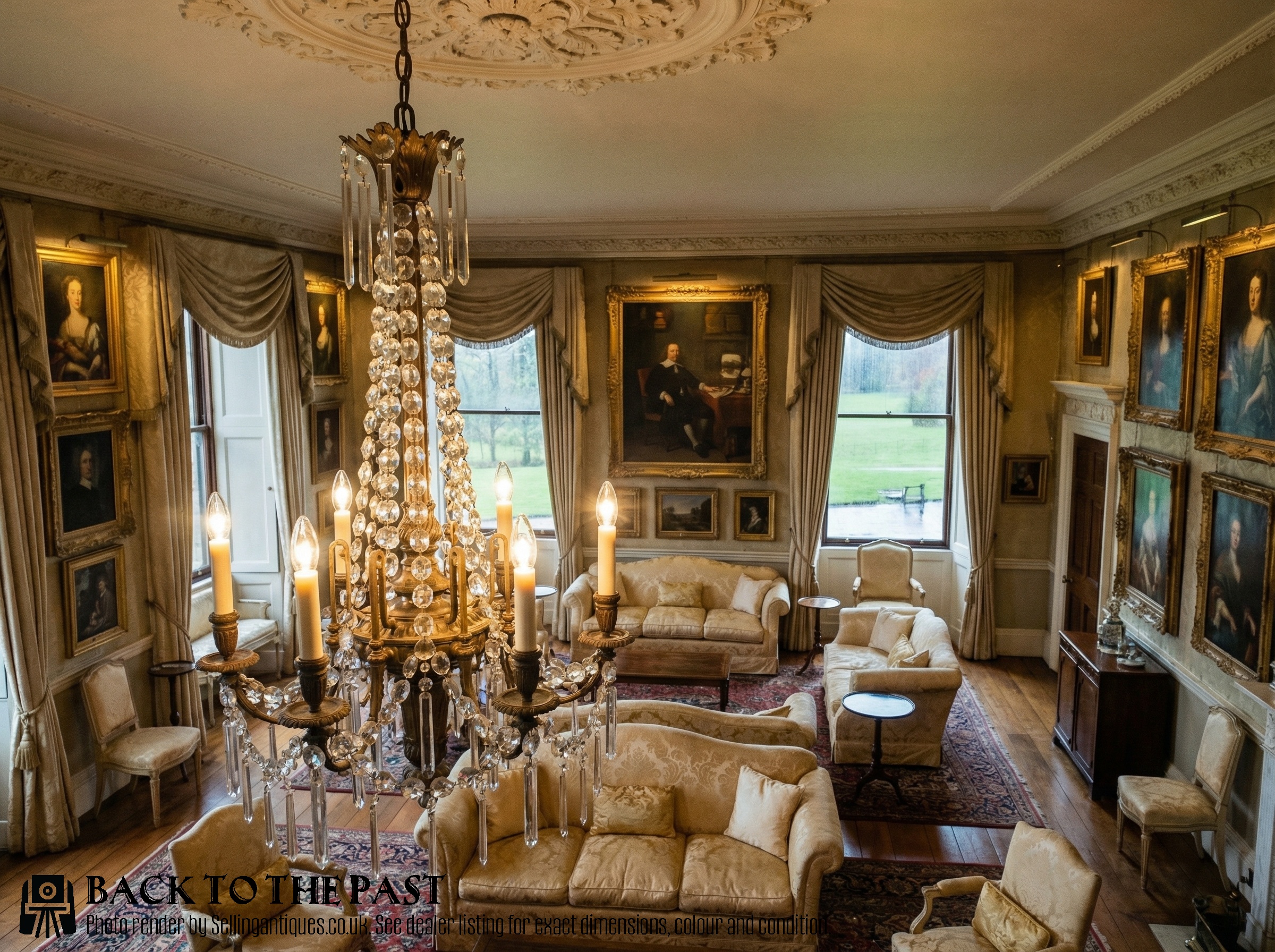
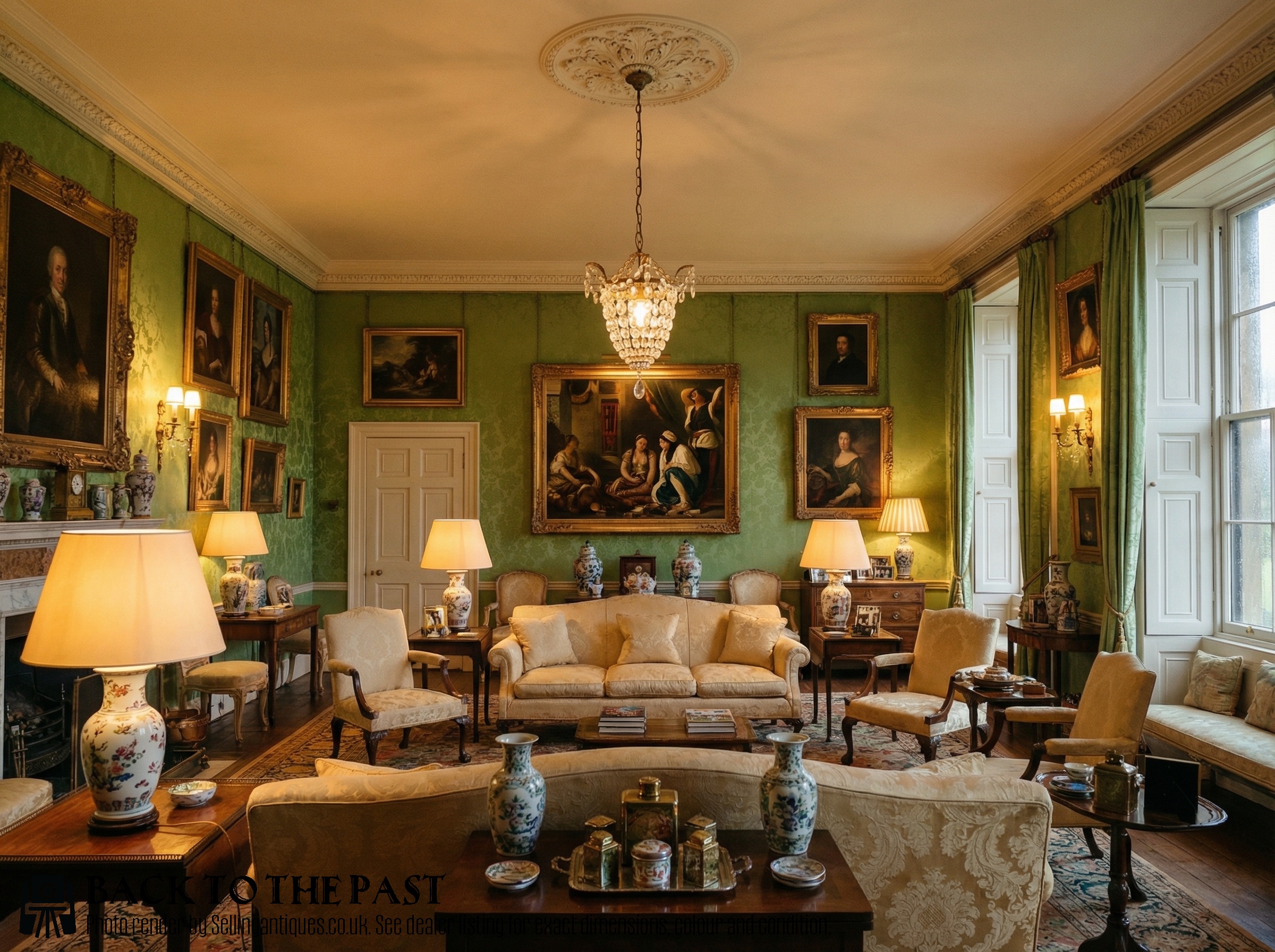
An antique crystal light fixture brings unmistakable brilliance to a room, catching daylight and evening glow through cut prisms and glass drops.
Antique Crystal Light Fixture
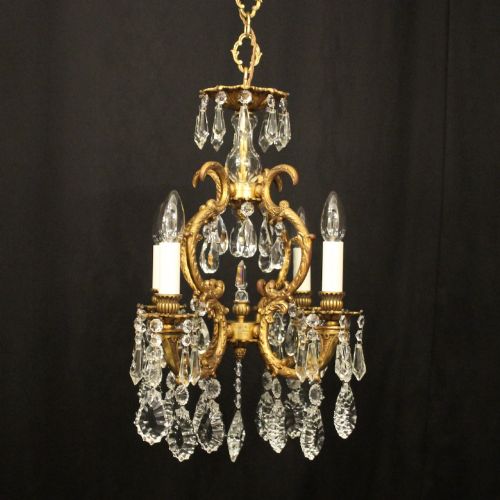
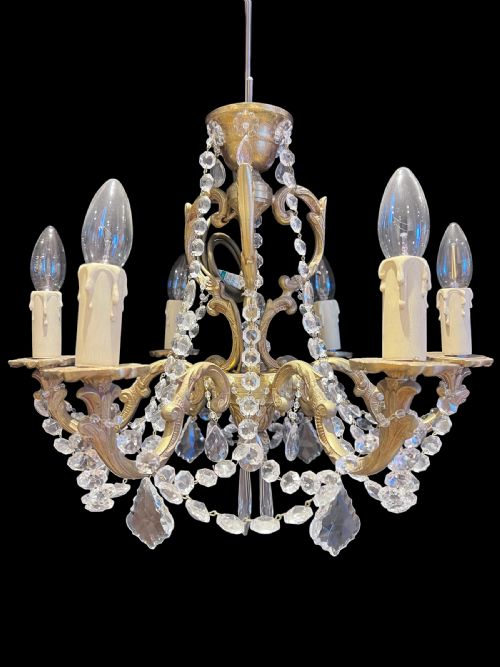
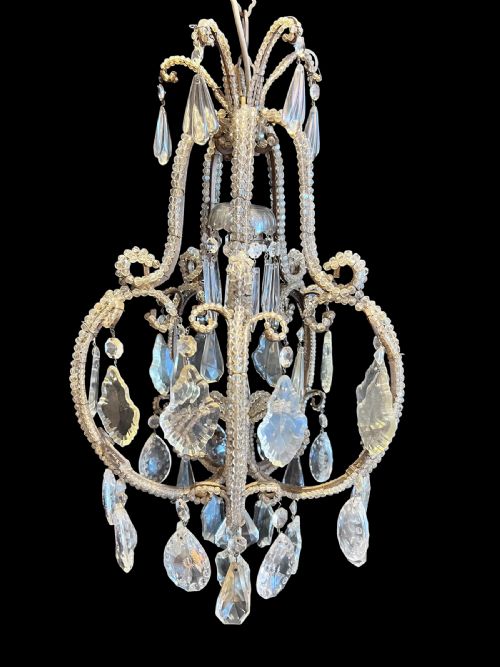
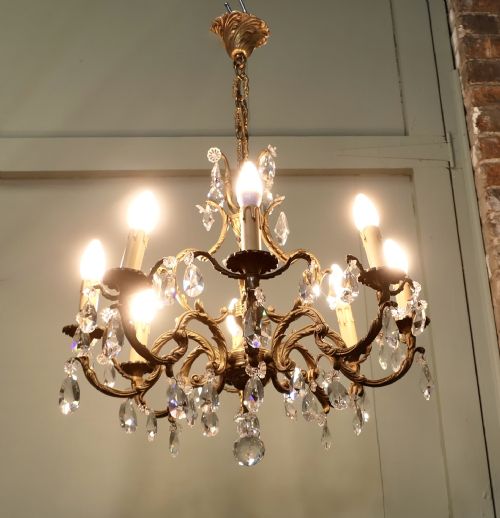
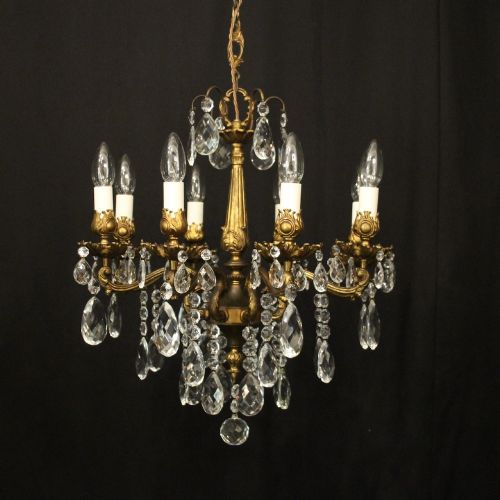
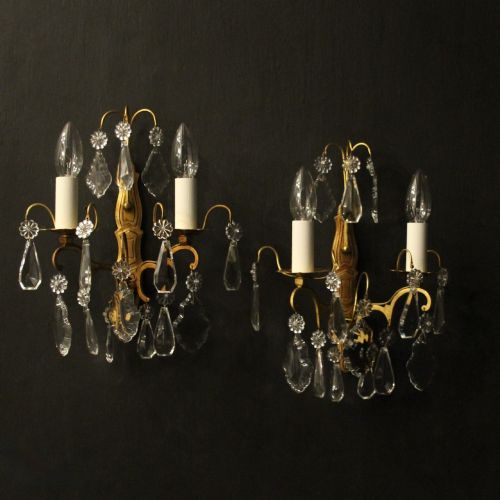
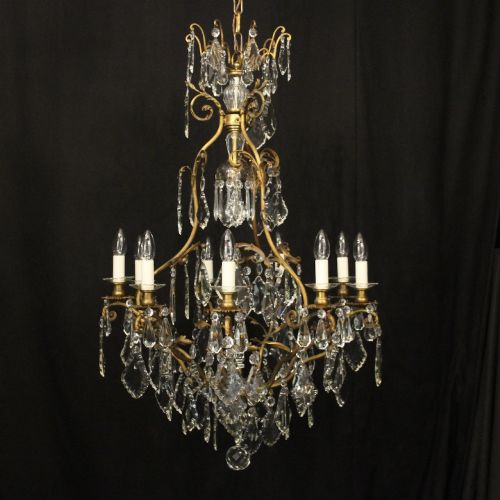
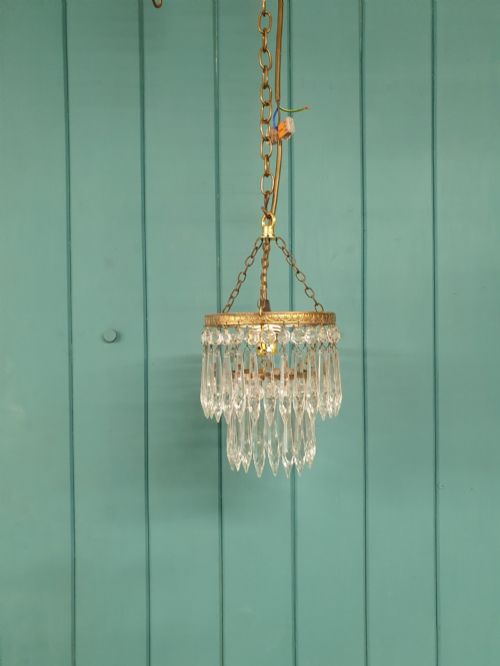
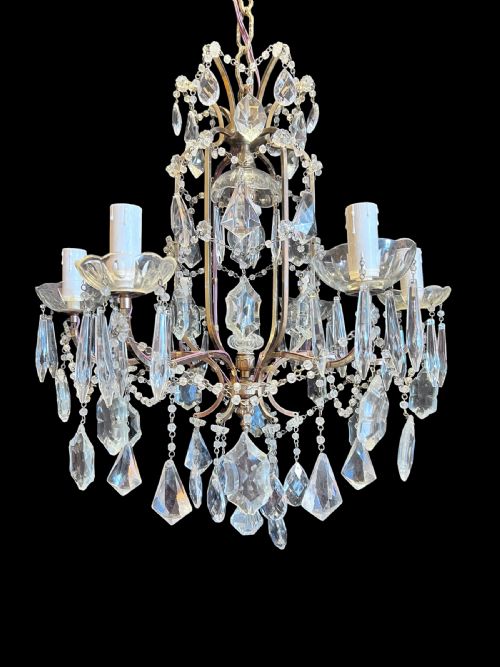
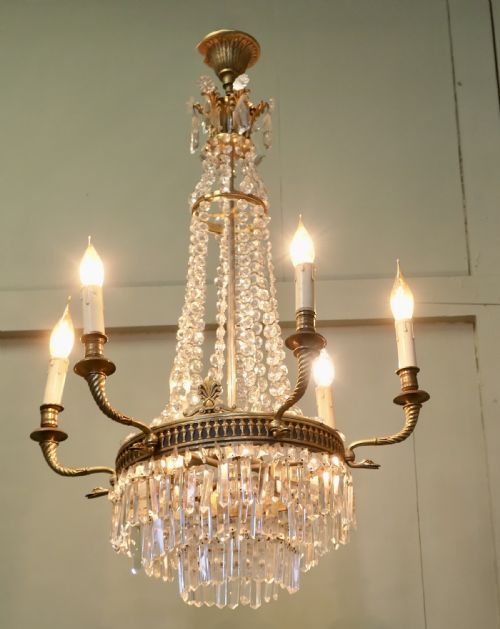
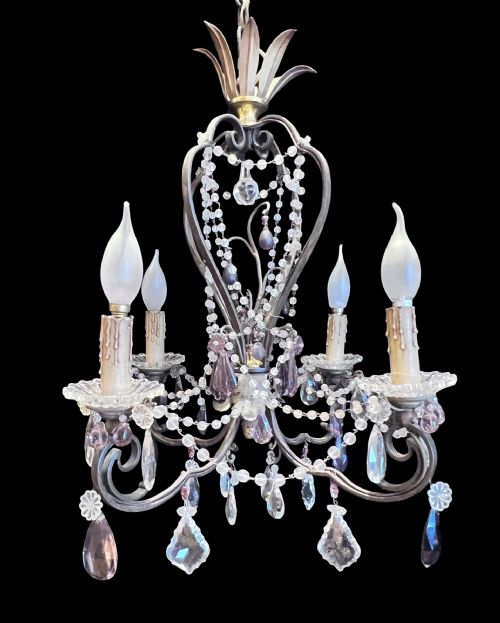
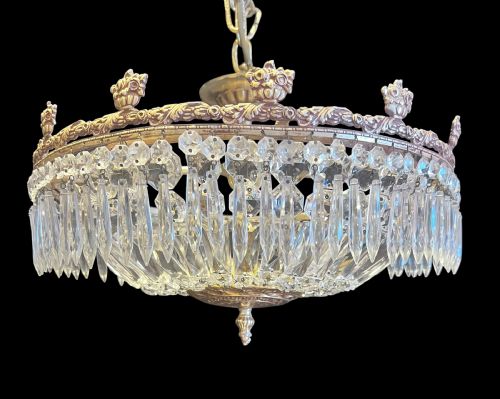
An antique crystal light fixture encompasses grand chandeliers, intimate ceiling lights, wall sconces and plafonniers designed to illuminate rooms with suspended glass and metal frames. Buyers searching for an antique crystal light fixture commonly encounter French and Italian designs dating from the late nineteenth century through the 1930s, including Edwardian examples.
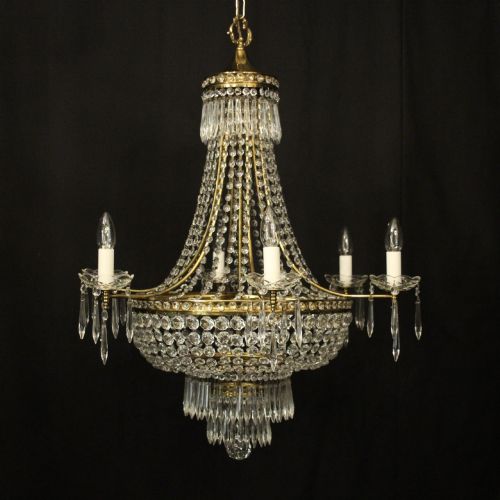
The assortment spans multi-tier tent and waterfall chandeliers carrying numerous lights alongside smaller single-light ceiling domes and paired wall lights. Many pieces reflect historical aesthetics such as French Empire, Louis styles, and Italian Florentine or Rococo revivals, utilising brass, bronze, and gilt metal armatures.
Makers and designers fashioned these fixtures for prominent salons, ballrooms, and hallways, resulting in surviving pieces that range from modest single-light pendants to twenty-five-light salon centerpieces. Buyers meet these lights in brass, gilt bronze, and silvered finishes adorned with cut glass drops, beads, and lustres.
Materials and construction
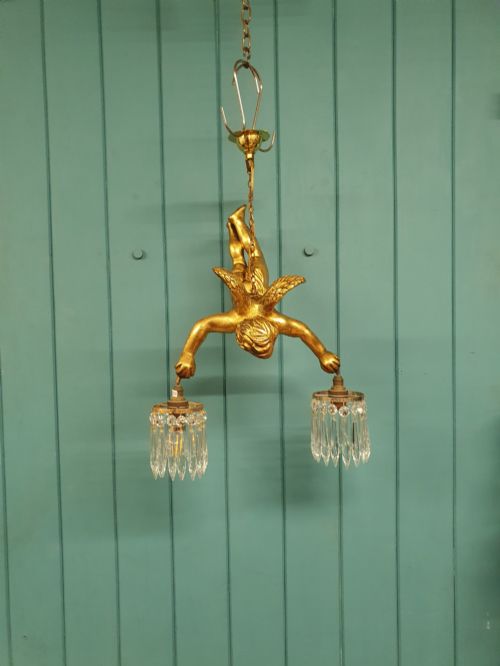
Frames rely on cast brass, bronze, gilt metal, and spelter to support the weight of extensive glass components. Artisans shaped these metal structures into arms, bands, and decorative motifs including cherubs, leaves, and tolewear elements.
Transparent and coloured crystals, cut glass prisms, beads, and lustres are wired or pinned onto the metal skeletons. Specialised cutting techniques produce faceted drops that refract light across ceilings and walls.
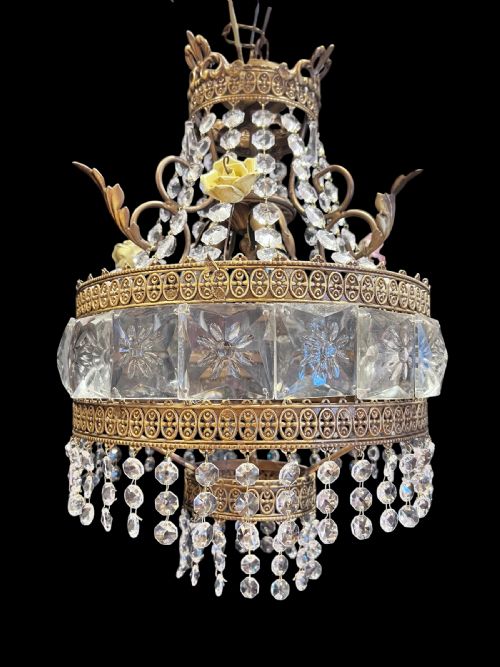
Secondary elements incorporate porcelain flowers, amethyst or turquoise crystals, and silk or cord elements where appropriate to period styles. Wiring and suspension components secure the heavy glass assemblies safely overhead.
Antique Crystal Light Fixture Retail Price Guide 2026
Typical asking prices for crystal light fixture among the pieces listed under this phrase on Sellingantiques today, from the lower quarter to the upper quarter. They describe what is for sale here now, not the wider market.
Listings feature brass, gilt bronze, and metal frames supporting cut glass, crystal, and porcelain elements across Edwardian and 1930s periods.
Markers of distinction
The precision and depth of the glass cutting dictate how effectively prisms refract illumination. Superior fixtures feature hand-cut crystal drops with sharp facets rather than simple moulded glass.
The substance and finish of the metal armature separate standard production from superior work. Finely chased gilt bronze or heavily gilded brass frames display crisp detailing on leaves, cherubs, and arm branches.
The structural integration of the design determines overall harmony, where tent and waterfall configurations balance complex tiers of drops without appearing cluttered. Complete and matching suites of lustres, coffin prisms, and beads maintain the integrity of the piece.
The Antique Crystal Light Fixture Glossary
- Tent and waterfall
- A chandelier style featuring an upper conical section of glass drops cascading down to a lower tier of lights. This configuration creates a dense curtain of sparkling crystals.
- Plafonnier
- A ceiling-mounted light fixture set flush or close to the ceiling surface, often taking a dome or shallow bowl form. These lights suit rooms with lower ceiling heights.
- Lustre
- A cut glass pendant or hanging droplet suspended from the arms or crown of a lighting fixture. Lustres move gently in air currents to catch and scatter light.
- Coffin prism
- A long, flat-backed cut glass drop shaped similarly to a historic coffin, utilised on early twentieth-century fixtures. They produce broad flashes of reflected light.
- Gilt bronze
- Copper and tin alloy cast into decorative forms and coated with a layer of gold leaf or gilt finish. This material provides a durable, lustrous base for elaborate chandeliers.
Antique Crystal Light Fixture: Frequently Asked Questions
How do I clean an antique crystal light fixture?
Cleaning requires removing dust with a soft brush and wiping individual crystal drops with a mild solution of warm water and alcohol while the pieces remain supported. Technicians often clean intricate chandeliers in situ to avoid straining fragile historical wiring.
Avoid submerging metal frames or antique electrical components in liquid to prevent corrosion or damage to original finishes.
Can these fixtures be rewired for modern homes?
Most antique fixtures accept modern electrical wiring and standard lamp holders to comply with contemporary safety regulations. Professional restorers thread modern flex through the original central channels without altering the visible metalwork.
Using low-wattage LED candle bulbs replicates the warm ambience of period lighting while generating minimal heat near vintage glass.
How do I determine the correct size for a room?
Scale depends on room dimensions and ceiling height, ensuring adequate clearance beneath hanging tiers for foot traffic or furniture below. Smaller plafonniers and wall sconces suit hallways and intimate spaces, while multi-tier chandeliers require higher ceilings in principal rooms.
Reviewing the diameter and drop measurements provided in each listing helps match the proportions of the fixture to the intended interior space.
What distinguishes Edwardian fixtures from 1930s designs?
Edwardian lighting frequently employs delicate brass and cut glass components with refined proportions, reflecting late nineteenth-century revival tastes. Pieces from the 1930s often incorporate bolder geometric influences or simpler floral motifs alongside coloured crystals.
Examining the construction of the metal arms and the specific cuts of the glass prisms helps assign approximate dates within this broader timeline.