


Large Terracotta Urns
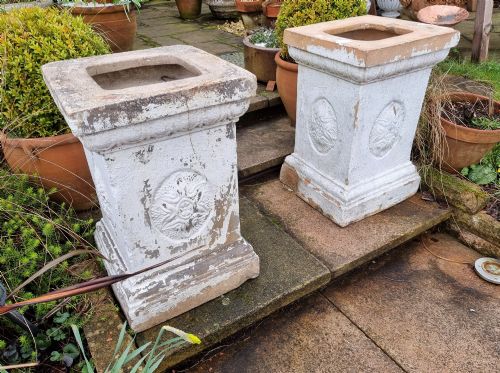
Large terracotta urns bring substance and history to a garden, moving easily between Mediterranean rustic styles and Victorian formal spaces.
Large Terracotta Urns
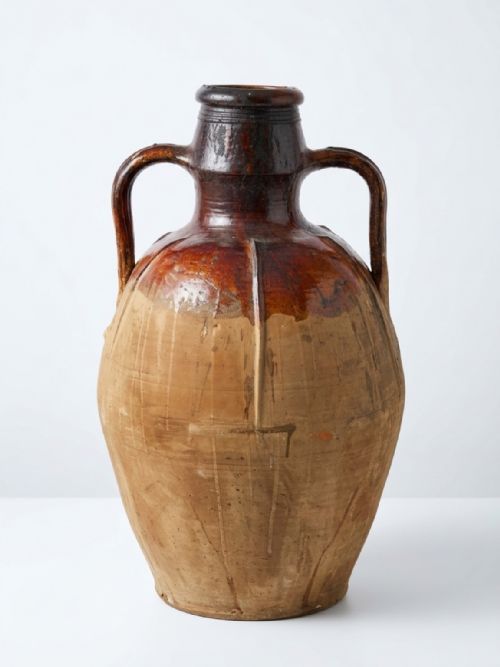
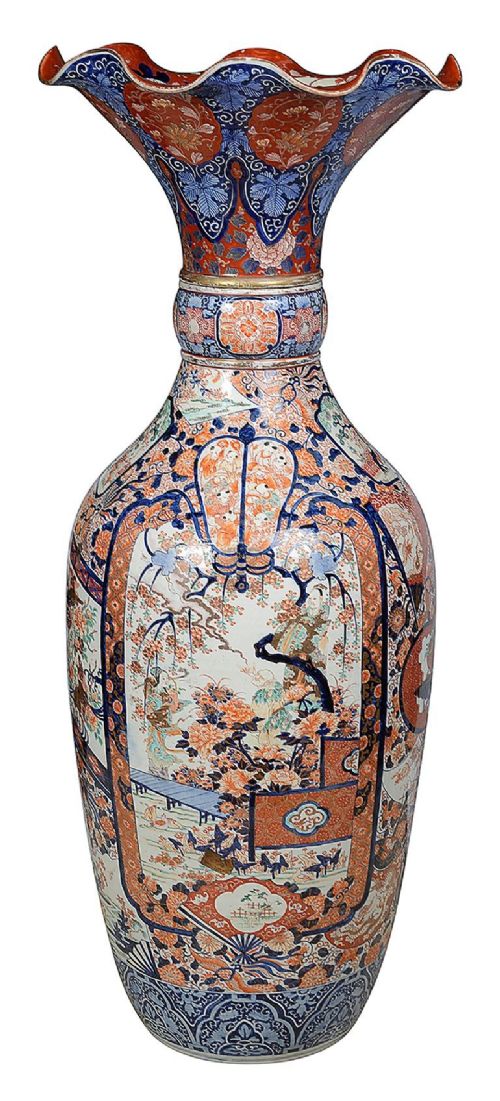
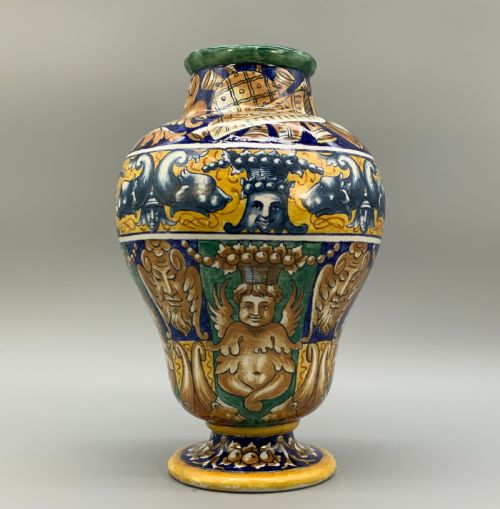
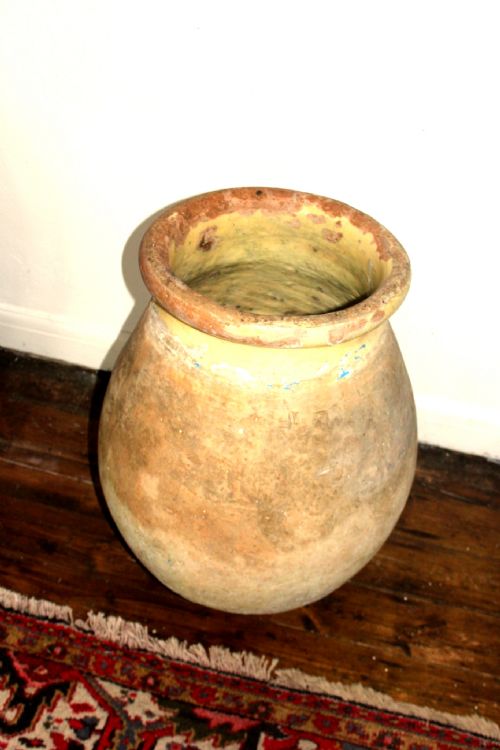
The versions most common on this page date from the nineteenth century and early twentieth century. They originate from British, French, Italian, and Portuguese makers, taking forms ranging from simple olive pots to elaborate garden urns on pedestals.
Materials and Construction
Potters shaped these large vessels using local clays and earthenware, sometimes applying glazes, enamel, or paint for surface decoration. Many pieces rely on the natural porous properties of terracotta, which develops an aged patina through exposure to the elements.
Makers utilised traditional throwing and moulding techniques to handle the immense weight of these large forms. Some structural elements, such as handles and stands, were added separately before firing in large kilns.
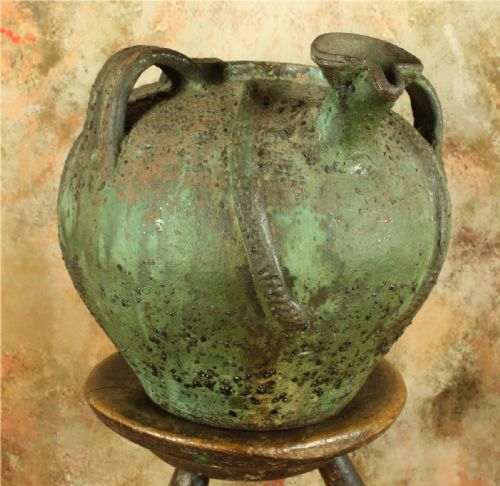
Listings feature eighteenth-century French walnut oil pots alongside nineteenth-century Italian terracotta wine cisterns and glazed garden urns.
Assessing Quality and Character
Quality in these vessels depends upon the balance of proportion, the depth of the clay body, and the subtlety of surface weathering. Superior examples display crisp handling around handles, rims, and decorative mouldings without distortion from the kiln.
The character of the surface finish also dictates distinction. Natural weathering, original painted layers, and distinct potter marks elevate a piece far above standard utilitarian gardenware.
Dunfermline Clay Company·Compton Pottery·Lipscombe And Co·Gartcraig
The Large Terracotta Urns Glossary
- Terracotta
- A porous, unglazed or glazed fired earthenware clay of a brownish-red colour. It forms the primary structural material for traditional garden vessels.
- Amphora
- A tall ancient storage vessel with two handles and a pointed or round base. Later revival pieces adopt this classic silhouette for decorative garden use.
- Jardiniere
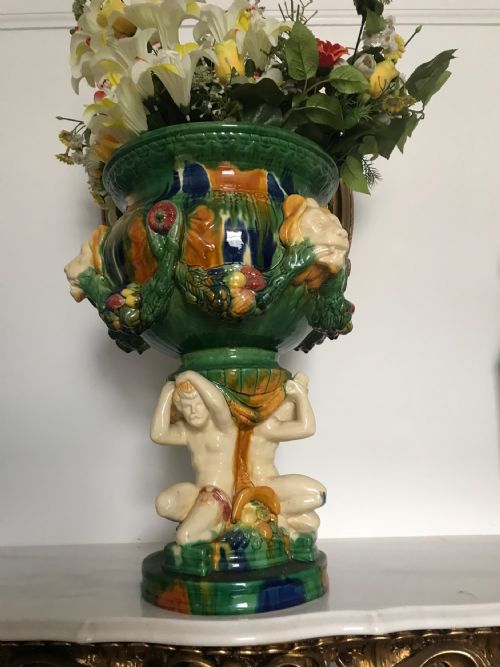
- An ornamental pot or stand designed to hold growing plants or flowers. These items often sit on pedestals or figural bases.
- Patina
- The surface appearance developed through age, weathering, and use. On earthenware, this manifests as subtle discoloration, mossing, and mineral deposits.
- Majolica
- Tin-glazed earthenware decorated with brightly coloured metal oxide paints. This technique appears on decorative revival vases and planters.
Large Terracotta Urns: Frequently Asked Questions
Can large terracotta urns stay outside in winter?
These vessels withstand outdoor conditions well, provided they are planted and drained correctly. Porous clay absorbs moisture, which can crack the body during hard frosts if standing water freezes inside.
Elevating the pots on feet or tiles prevents them from sitting in freezing puddles. Many owners move very large or fragile glazed pieces into sheltered porches or glasshouses during the coldest months.
How do I identify a nineteenth-century terracotta urn?
Nineteenth-century examples display distinct weight, hand-finished surfaces, and tool marks left by the potter. The clay bodies often show variations in tone and texture that modern industrial production lacks.
Look for maker stamps near the base or rim, alongside natural weathering patterns that require decades to form. Stylistic clues, such as classical revival handles or specific regional French and Italian forms, also point to this period.
How should I clean an antique terracotta pot?
Gentle brushing with a soft bristle brush and clean water removes loose dirt and organic debris. Avoid pressure washers and harsh chemical detergents, which strip away the valued historic patina.
Allowing lichen and gentle weathering to remain preserves the character of the piece. If you need to clear the interior for planting, scrape out old soil carefully without damaging the clay walls.