

French Garden Planters
French garden planters bring classical weight and weathered character to a terrace, offering robust vessels shaped for outdoor planting.
French Garden Planters
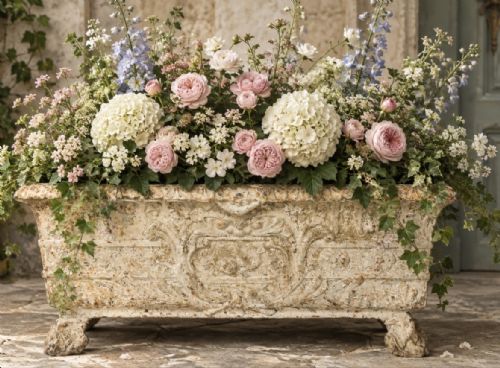
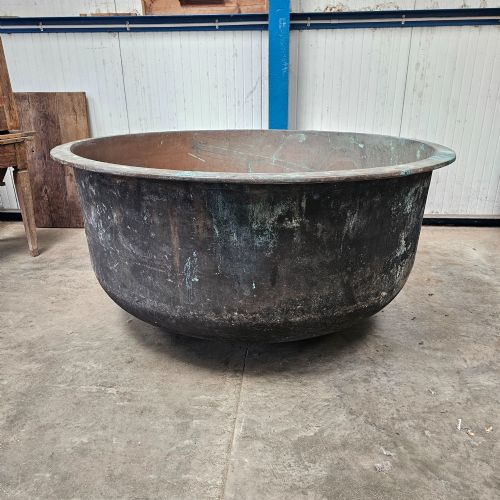
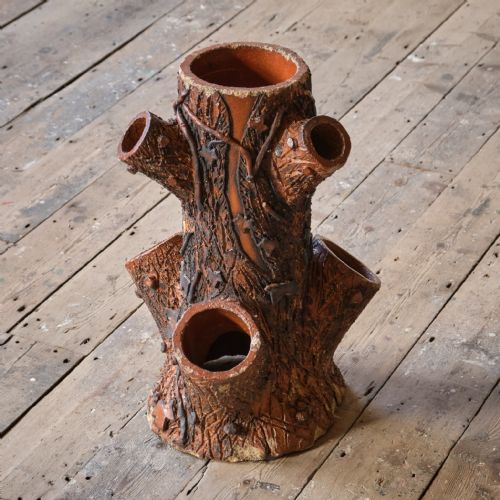
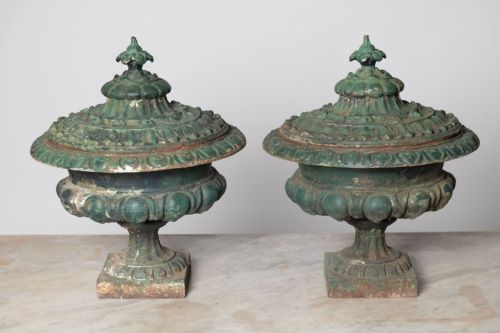
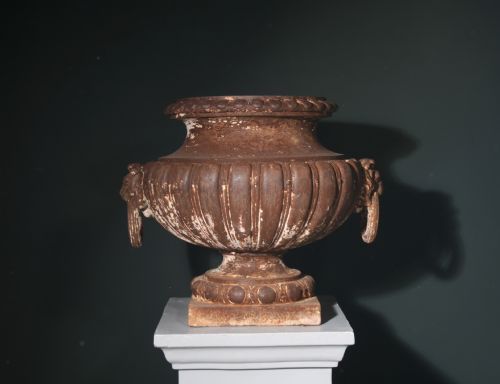
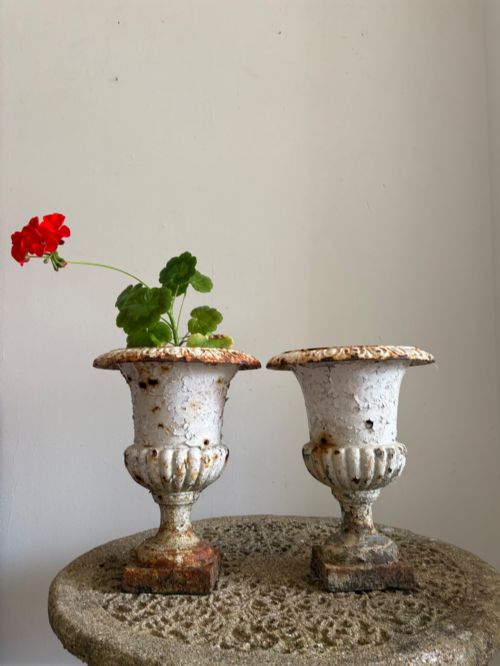
French garden planters encompass sturdy cast iron urns, terracotta pots, and zinc troughs designed to hold flora in courtyards and gardens. When searching for French garden planters, collectors frequently encounter heavy metal vessels from the nineteenth century alongside weathered earthenware from southern regions.
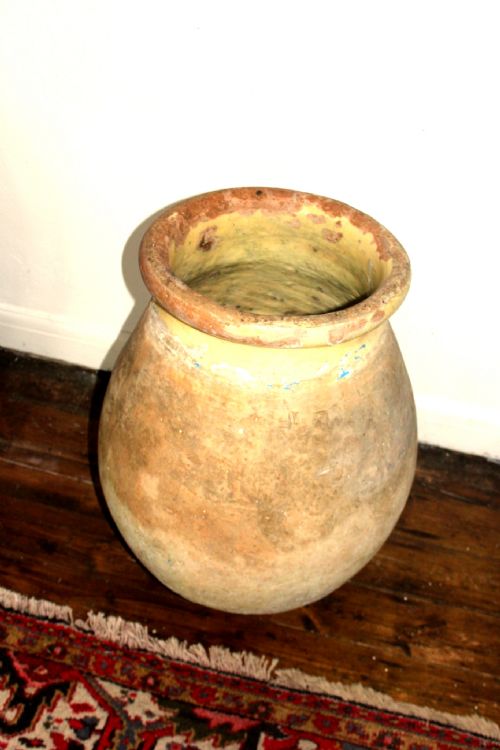
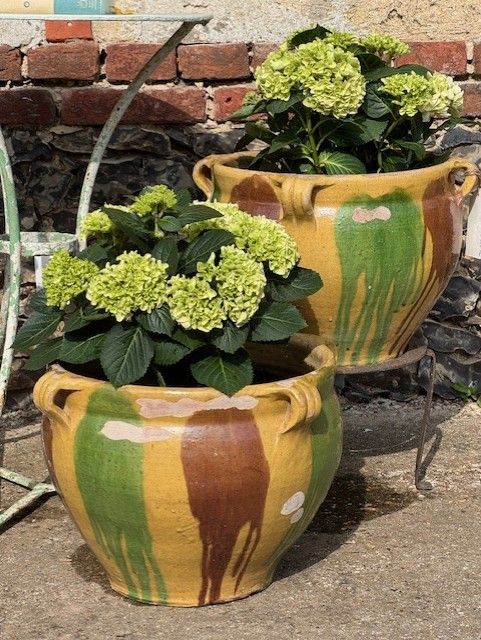
The selection ranges from classical cast iron urns cast by prominent foundries to unglazed terracotta olive jars and salt-glazed stoneware troughs. Many pieces exhibit regional French provincial characteristics, displaying decades of patination from outdoor exposure.
Materials and construction methods
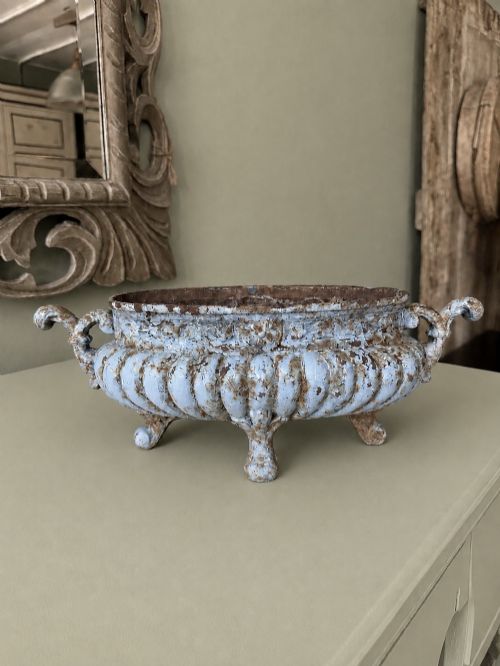
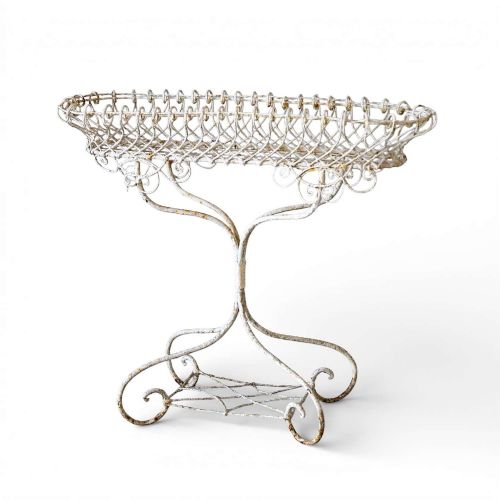
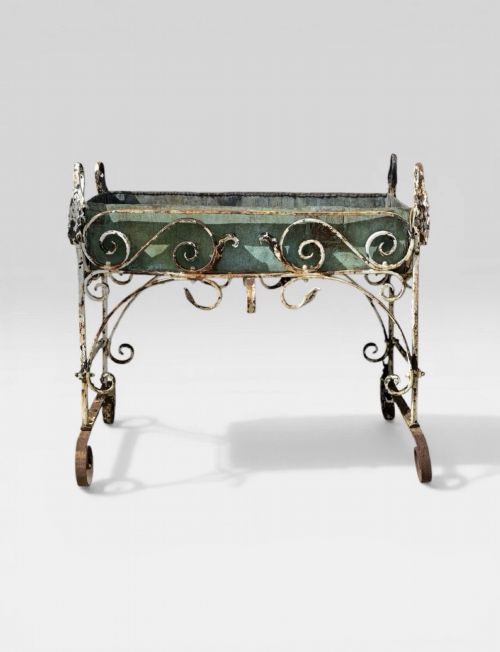
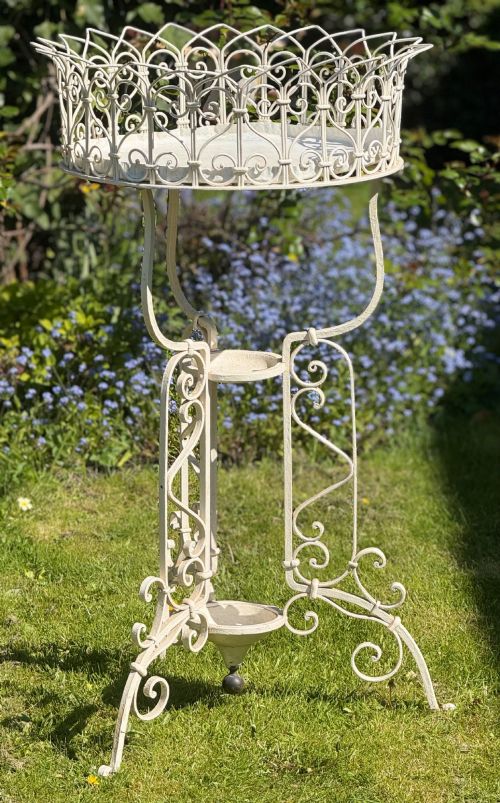
Foundries produced iron vessels using traditional sand-casting techniques, yielding thick walls and durable forms that withstand outdoor elements. Artisans also hammered sheet zinc and wrought iron into wirework stands and decorative display containers.
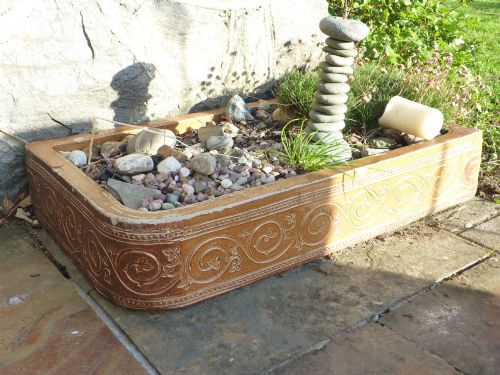
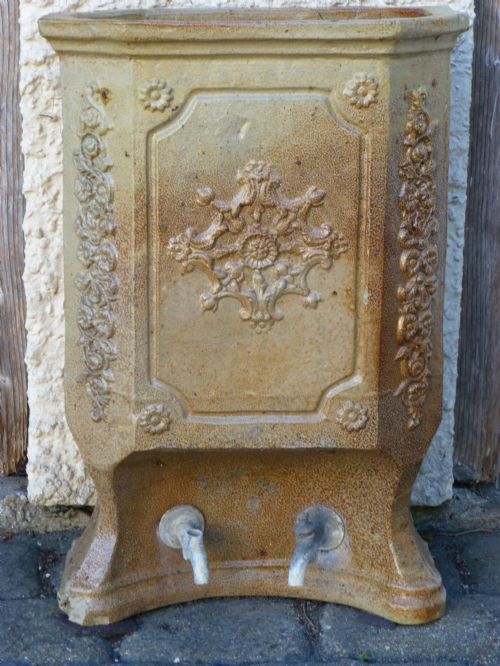
Terracotta and stoneware items emerged from regional kilns, shaped by hand or wheel before undergoing high-temperature firing. Glazes such as salt-glaze and dribble glazes added protective surfaces and distinct textures to the earthenware bodies.
Assessing quality and authenticity
Quality rests in the crispness of the original casting details on iron urns and the purity of the clay bodies in terracotta pots. Superior examples retain their original painted surfaces, foundry marks, or natural patination accumulated over generations.
Structural integrity matters deeply in heavy metal and ceramic pieces, where intact drainage holes and sound walls indicate careful historic use. The balance of proportion between base and bowl separates standard utilitarian vessels from exceptional ornamental pieces.
VAL D'OSNE FOUNDRY·Guichard Carriès
The French Garden Planters Glossary
- Jardiniere
- An ornamental pot or stand designed to hold growing plants indoors or outdoors. These vessels often appear in ceramic, copper, or cast iron.
- Terracotta
- A porous, unglazed or glazed baked earthenware used extensively for Mediterranean garden pots and storage jars. Over time, it absorbs moisture and develops a characteristic weathered surface.
- Salt-glazed stoneware
- Pottery fired at very high temperatures with common salt introduced into the kiln, producing a dense, glassy finish. This technique creates durable vessels suited for holding liquids or soil.
- Wrought iron
- Iron beaten into shape by hand, resulting in a fibrous material with high tensile strength. It is frequently utilised for intricate plant stands and wirework jardinieres.
French Garden Planters: Frequently Asked Questions
How do I care for antique cast iron planters?
Cast iron planters tolerate outdoor placement well, though heavy winter freezing can occasionally stress historic metal. Applying a protective wax or maintaining a stable coat of paint helps prevent excessive oxidation.
Ensure proper drainage remains clear so water does not pool inside the base during freezing temperatures. Positioning them on small feet or blocks keeps the bottom off damp ground.
Can terracotta garden pots stay outside in winter?
Historic terracotta is porous and absorbs moisture, meaning severe frost can cause the clay to crack or spall. Moving pots under shelter or emptying them during freezing months preserves the material.
Lining the interior with protective material or ensuring the drainage hole stays unblocked mitigates moisture retention. Many collectors prefer to store delicate earthenware indoors through the coldest weeks.
How do I identify a nineteenth-century iron urn?
Nineteenth-century iron urns typically display heavy sand-cast surfaces with visible parting lines and hand-finished details. Foundry stamps or registration numbers occasionally appear near the base.
The weight of the piece and the depth of the original paint layers offer strong clues to its age. Historical casting methods produced thicker, less uniform walls than modern reproductions.
What plants suit French garden planters best?
Traditional plantings include boxwood topiaries, cascading ivies, and seasonal flowering annuals that complement the classical forms. Olive trees and citrus plants also pair naturally with Mediterranean terracotta and zinc vessels.
The scale of the planter dictates the foliage, allowing larger urns to support small shrubs while troughs accommodate grouped herbs or trailing plants.