





French Terracotta Planters
French terracotta planters bring warmth and weathered character to gardens and interiors, prized for their aged patinas and robust forms.
French Terracotta Planters
French terracotta planters encompass garden pots, troughs, and jars originating from diverse regional styles across France. When searching for french terracotta planters, buyers encounter traditional forms intended for practical use in courtyards and gardens. These vessels range from utilitarian agricultural storage pieces to decorative ornaments designed for display.
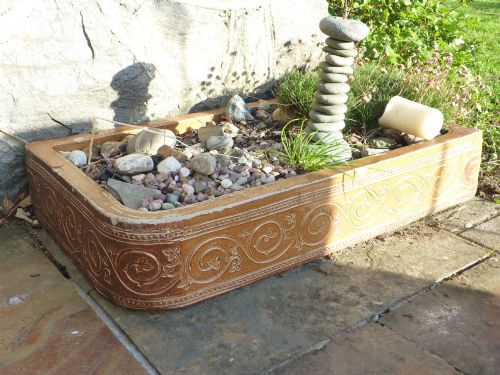
Forms vary from rustic olive jars and strawberry planters to large garden troughs fitted with wrought iron mounts. Buyers most frequently meet nineteenth-century earthenware and salt-glazed stoneware pieces that display the practical heritage of French provincial manufacturing. Each object bears the marks of handmade production, ensuring no two vessels share an identical appearance.
How they were made
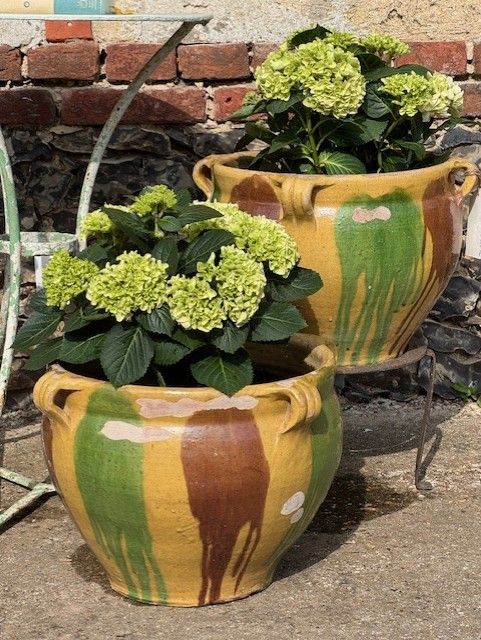
Potters shaped these vessels using local clays, often employing traditional throwing and moulding techniques in regional workshops. Earthenware and terracotta bodies were fired to create porous structures suitable for horticulture and storage. Some pieces received lead or salt glazes to reduce porosity, resulting in distinctive dribble glazed surfaces.
Makers occasionally incorporated applied details such as carved heads on handles or built structural support using wrought iron elements. The combination of simple ceramic forming methods and prolonged environmental exposure produces the characteristic aged patinas valued by collectors today. Surface textures reflect both the original hand of the potter and the chemical changes caused by soil and weather.
French Terracotta Planters Retail Price Guide 2026
Typical asking prices for french terracotta planters among the pieces listed under this phrase on Sellingantiques today, from the lower quarter to the upper quarter. They describe what is for sale here now, not the wider market.
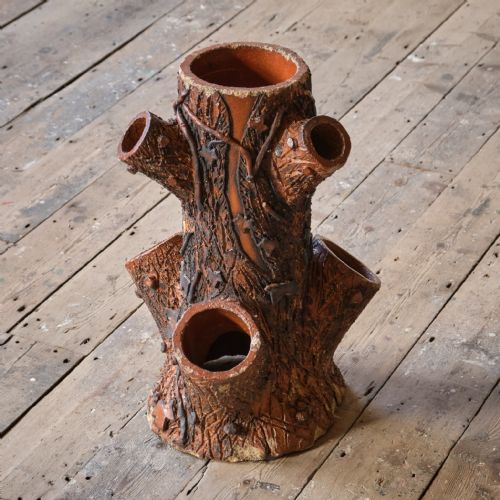
Strawberry planters feature multiple side pockets designed so thirsty fruit could ripen without touching the damp garden soil.
What varies in quality
Quality rests in the harmony of proportion, the depth of the surface patina, and the integrity of the original clay body. A superior vessel displays balanced throwing lines or well-defined moulding, alongside natural weathering that enhances rather than obscures its form. The presence of historic drips in the glaze or crisp detailing on handles elevates the visual interest of a piece.
The character of the surface differentiates standard utilitarian containers from exceptional examples of provincial craftsmanship. Traces of historic paint, organic lichen growth, and authentic wear communicate a long history of use that cannot be artificially replicated. Well-preserved structural elements, such as intact rims and sound bases, determine the longevity and desirability of each planter.
Guichard Carriès
The French Terracotta Planters Glossary
- Terracotta
- A porous, unglazed or glazed fired earthenware clay typically ranging in colour from orange to brown. It remains a primary material for horticultural pots due to its breathability for plant roots.
- Biot Jar
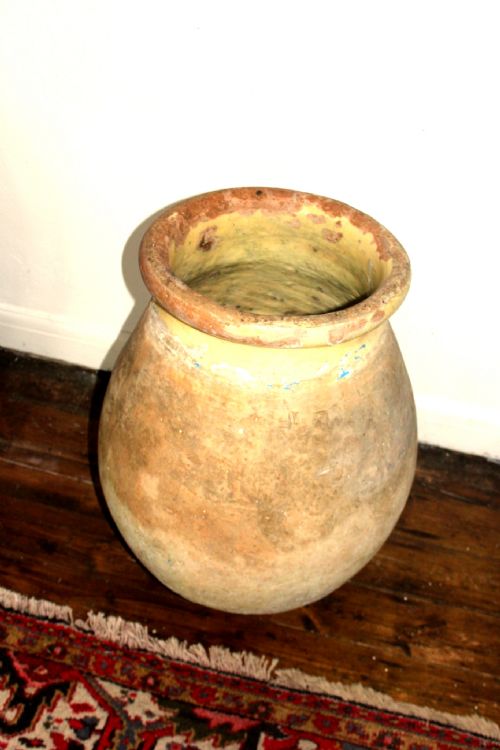
- A large traditional storage vessel originating from the town of Biot in Provence, known for its heavy terracotta body and historical use for oil or water. These jars often display a distinctive greenish glaze near the rim.
- Confit Jar
- A utilitarian ceramic pot traditionally used in the southwest of France for preserving food, featuring handles and often a partially glazed surface. Their rounded bodies and earthy tones make them popular for interior decoration.
- Faux Bois
- A decorative technique mimicking wood grain, applied here to ceramic planters to create rustic garden items that resemble natural timber. This style gained popularity during the nineteenth century.
- Salt-Glazed Stoneware
- Ceramics fired at high temperatures with common salt introduced into the kiln, producing a dense, vitrified body with a slightly textured, pebble-like surface finish.
French Terracotta Planters: Frequently Asked Questions
How do I care for antique French terracotta?
Keep these planters protected from severe freezing temperatures during winter if they remain outdoors, as trapped moisture can cause the porous earthenware to crack. Emptying the soil or elevating the base on pot feet prevents water accumulation and protects the historical material.
Wash the surfaces gently with water and a soft brush to remove dirt without disturbing the accumulated patina. Avoid harsh chemical cleaners that might strip away historic glazes or surface weathering.
Were these jars originally used for plants?
Many of these vessels served agricultural and domestic storage purposes rather than gardening. Olive jars, confit pots, and Biot jars were built to hold oil, grain, water, or preserved food in French households and farms.
Over time, collectors and gardeners repurposed these durable earthenware containers as planters and decorative garden urns. Their generous proportions and sturdy walls make them well-suited for contemporary planting schemes.
How do I identify a Biot jar?
Look for a heavy, bulbous terracotta body bearing the traditional marks of Provençal manufacture, often accompanied by a pale greenish glaze dripping down the upper shoulder. These jars frequently display robust handles and thick walls designed for heavy agricultural use.
Authentic examples show signs of age such as mineral deposits, surface wear, and minor historical repairs that reflect their long working life in the south of France.