


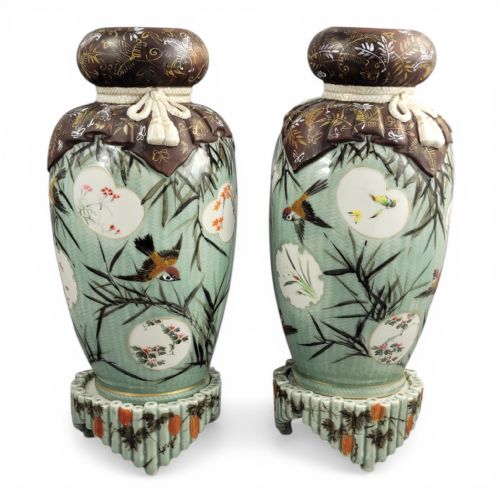

Large Japanese Ceramic Urn
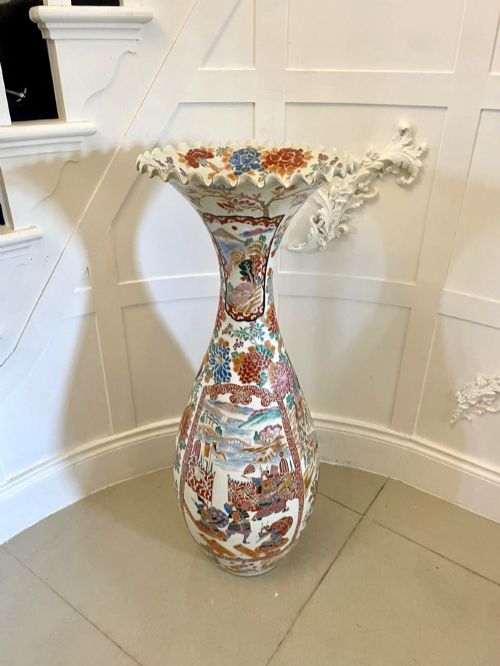
A large japanese ceramic urn brings monumental presence to a room, combining painted palettes with considerable scale.
Large Japanese Ceramic Urn
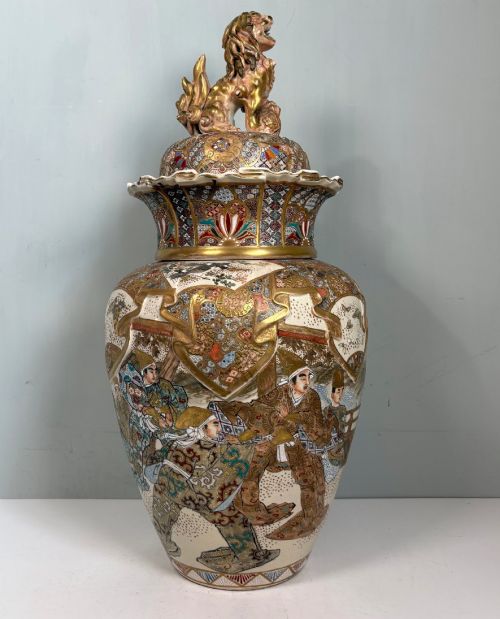
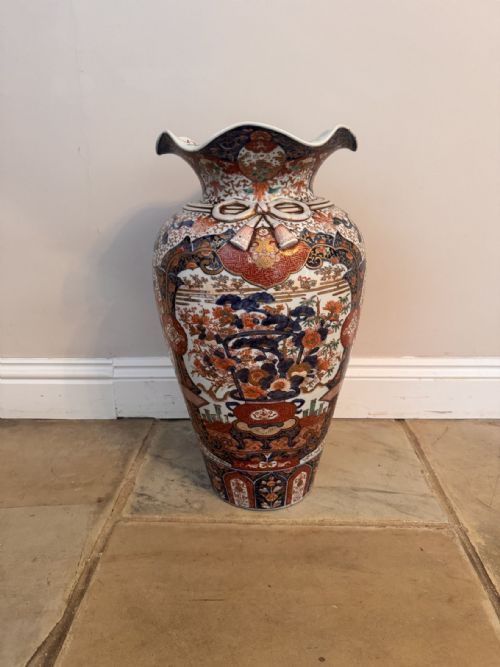
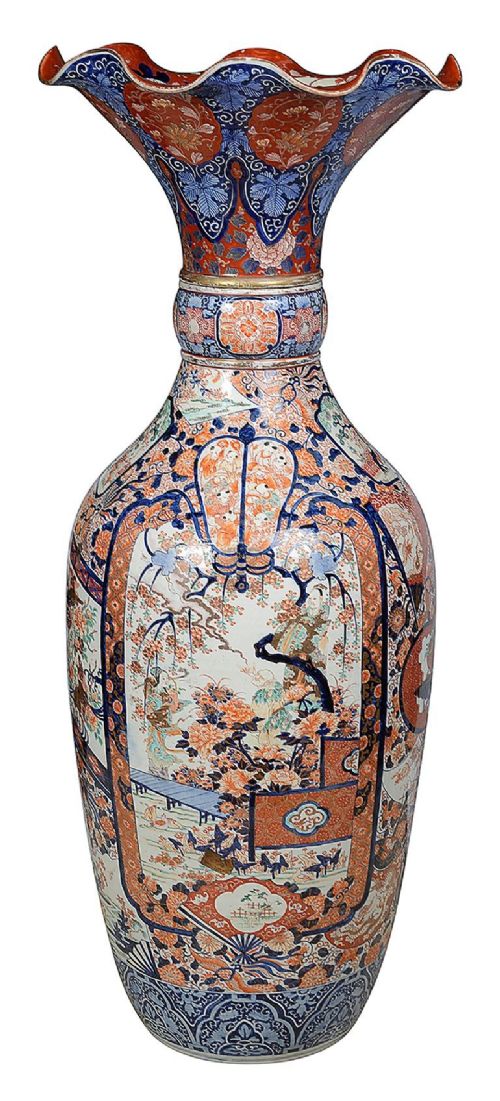
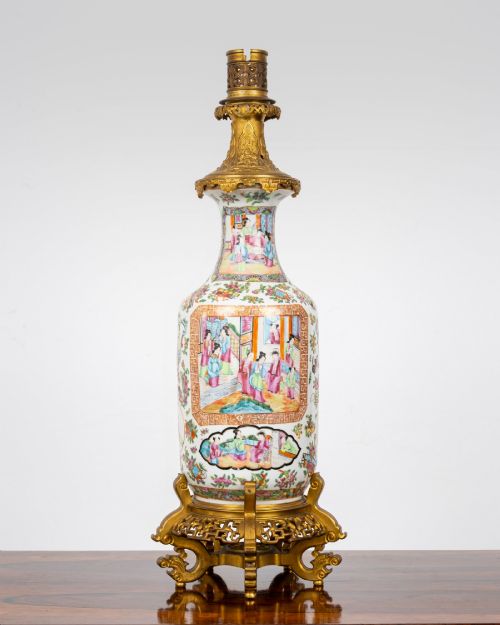
When searching for a large japanese ceramic urn, buyers encounter substantial vessels shaped as floor standing vases, lidded jars, and table lamps. These pieces originate predominantly from the nineteenth century and the Meiji period, reflecting a rich history of ceramic artistry.
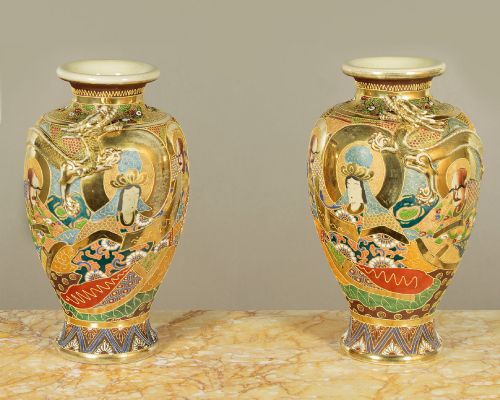
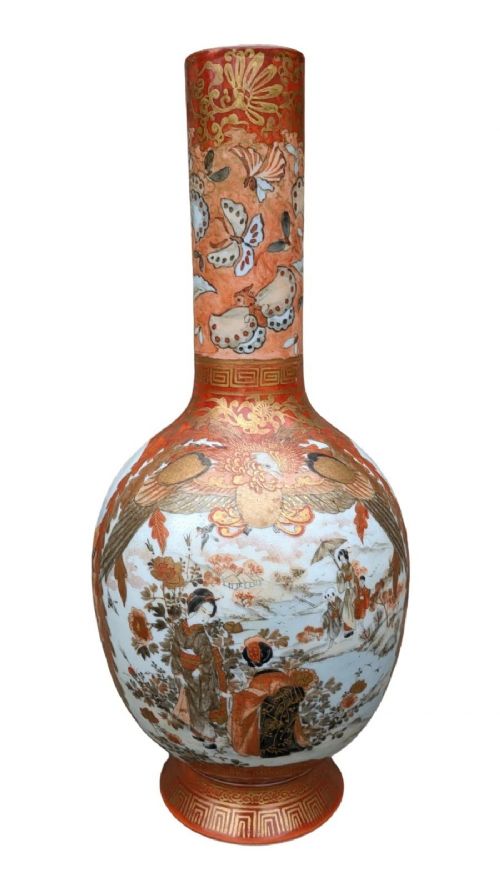
The selection includes floor standing vases reaching impressive heights alongside pairs of Satsuma and Imari vessels. Makers often utilised porcelain and earthenware as the foundational body for these grand decorative objects.
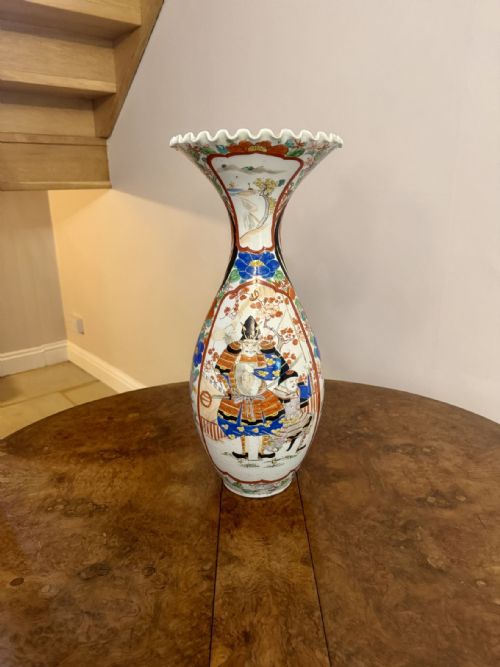
The forms range from traditional garlic head vases to flared vessels and heavy lidded urns. Many examples incorporate specialised stands or mounts in wood and gilt bronze.
How they were made
Potters shaped the clay bodies of these large vessels by hand or on the wheel before applying glazes and underglaze pigments. Artisans then incorporated enamel work and gold leaf details across the surface, fixing the pigments through multiple kiln firings.
Surface decoration frequently combined intricate hand-painted figural scenes with raised moriage work and lacquer panels. Certain workshops integrated bronze mounts or wooden elements to support the heavy ceramic bodies.
Several grand vases incorporate clever lion handles and playful koi fish swimming across dark lacquer surfaces.
What varies in quality
The distinction between standard commercial production and exceptional studio output lies in the precision of the hand-painted detail. Master workshops employed finer brushwork, denser gold leaf application, and more complex figural compositions.
Proportion and structural balance govern the success of grand floor-standing pieces. Stronger examples maintain symmetry and crisp definition across heavily decorated surfaces without crowding the visual space.
Hotoda·Makuzu Kozan·Kato Sanhei·Seiko-en Chokei·Kinkozan·Hattori
The Large Japanese Ceramic Urn Glossary
- Imari
- A traditional Japanese porcelain style characterised by underglaze blue and overglaze iron red, gold, and green. This palette creates a rich, decorative contrast across large vessel surfaces.
- Satsuma
- An earthenware ceramic type featuring a crackled ivory glaze decorated with polychrome enamels and gilt. It frequently depicts historical scenes, figures, and floral motifs.
- Kutani
- A style of Japanese porcelain known for bold colour palettes, particularly deep greens, blues, and golds. These pieces often display detailed narrative scenes or natural motifs.
- Moriage
- A ceramic decoration technique using piped slip to create raised dots and lines on the surface. This adds tangible texture beneath the final glaze and enamel layers.
- Meiji Period
- The era in Japanese history spanning from 1868 to 1912. Objects from this time often exhibit advanced technical skill aimed at international export markets.
Large Japanese Ceramic Urn: Frequently Asked Questions
How do I identify a Satsuma urn?
Satsuma ceramics display a distinct crackled cream earthenware glaze overlaid with detailed enamel painting and gold leaf. They frequently feature figural panels depicting warriors, court scenes, or immortals.
Unlike hard-paste porcelain, the underlying body is a porous earthenware that carries warmth to the touch. Makers often signed these works on the base with handwritten red or gold studio marks.
Where should I place a floor vase?
Floor standing vases require stable corners, hallways, or spacious reception rooms where their height can be appreciated without obstructing movement. Pairing them with original wooden stands helps distribute weight evenly on solid floors.
Keep these vessels away from direct foot traffic and busy entryways to prevent accidental knocks against fragile enamel or lacquer panels.
What is the difference between Imari and Kutani?
Imari wares rely on a dense palette of cobalt blue and iron red enhanced by gold leaf upon a durable porcelain body. Their patterns lean towards symmetrical floral and brocade designs.
Kutani ceramics utilise broader washes of green, purple, and yellow alongside detailed narrative illustrations. The visual focus centres on complex figural groups rather than repeating geometric borders.
How do I date a Meiji period urn?
The Meiji period spans the late nineteenth and early twentieth centuries, aligning with Japan's opening to Western trade. Pieces from this era often carry specific signatures of renowned master potters or kilns.
Examining the weight, gilding style, and mounting materials helps narrow the decade of production. Nineteenth-century examples typically display heavier potting and more restrained decorative density than later export pieces.