
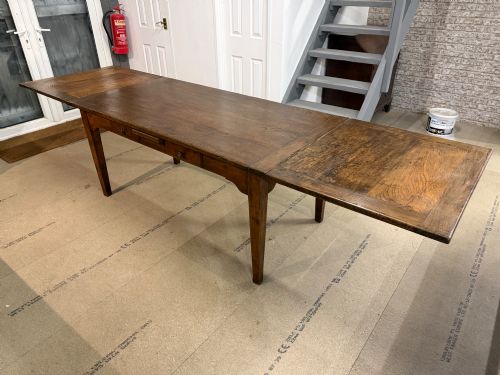
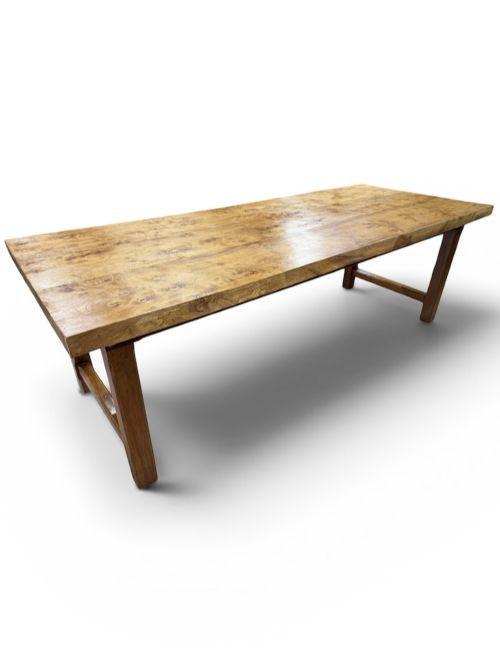
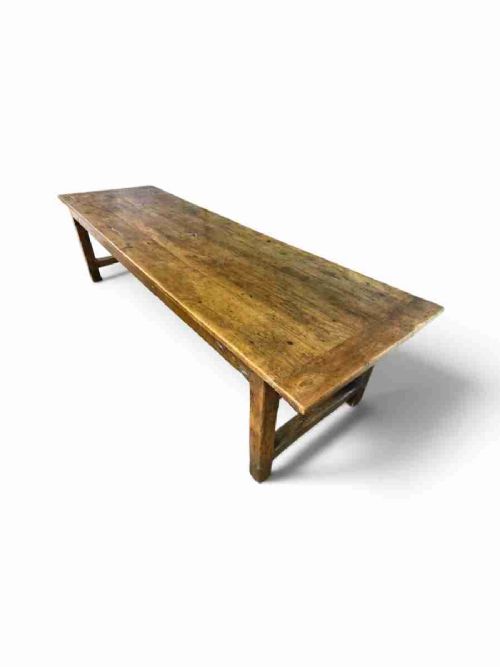
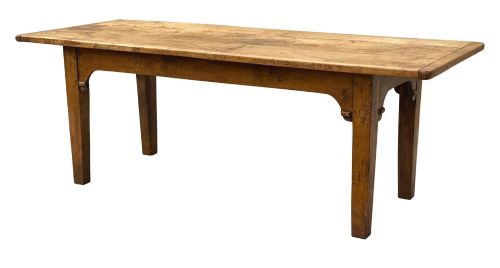
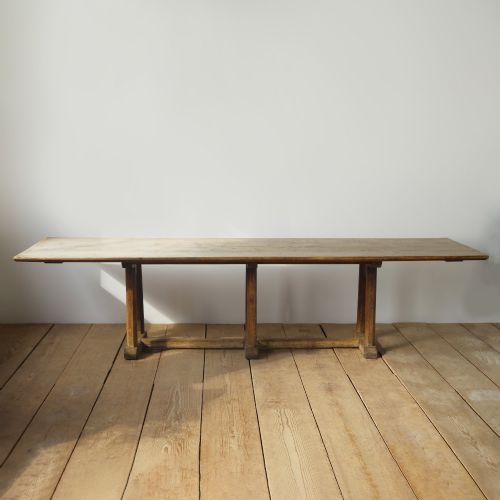
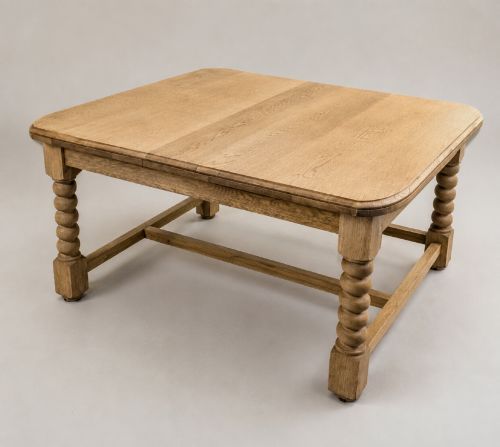
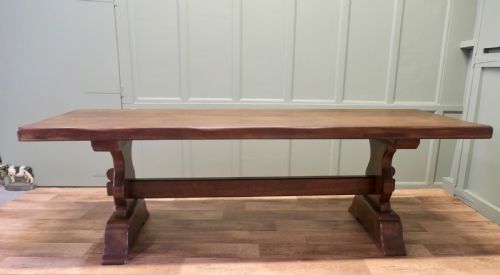
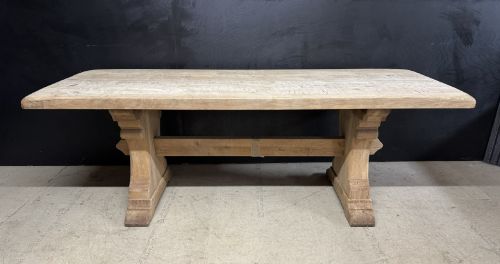
Large Farmhouse Kitchen Table
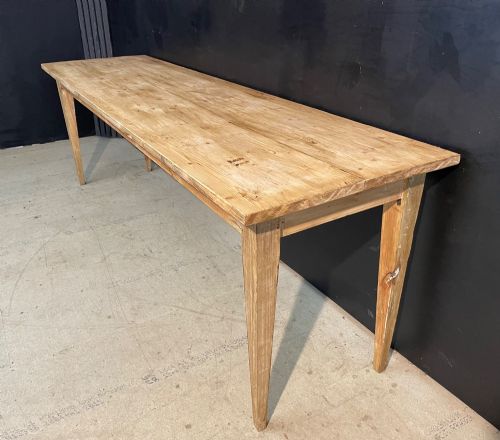
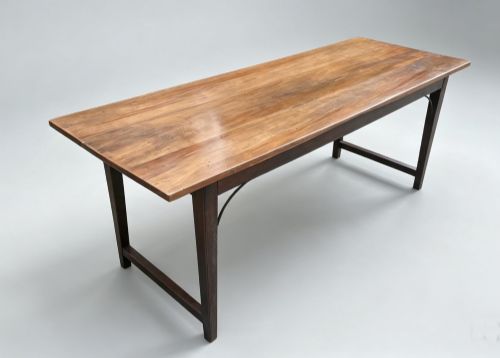
When you search for a large farmhouse kitchen table, you are looking for a generous wooden workhorse built to anchor a busy room.
Large Farmhouse Kitchen Table
A large farmhouse kitchen table serves as the central gathering point for meals, preparation and daily family life in domestic settings. These items span from the 18th century through to the early 20th century, encompassing Georgian, Victorian and Edwardian periods alongside regional French provincial and English country styles.
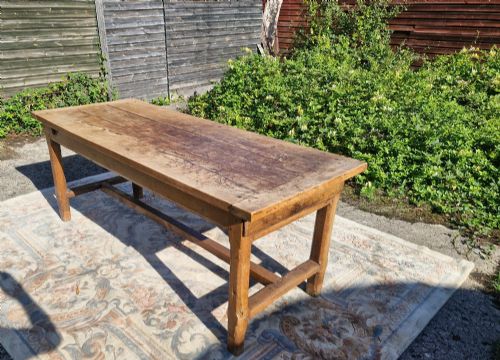
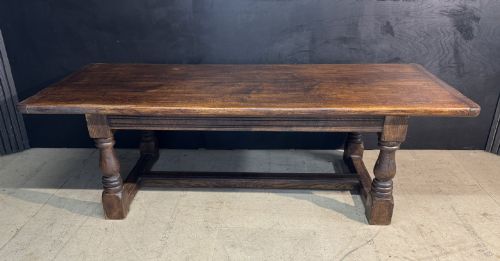
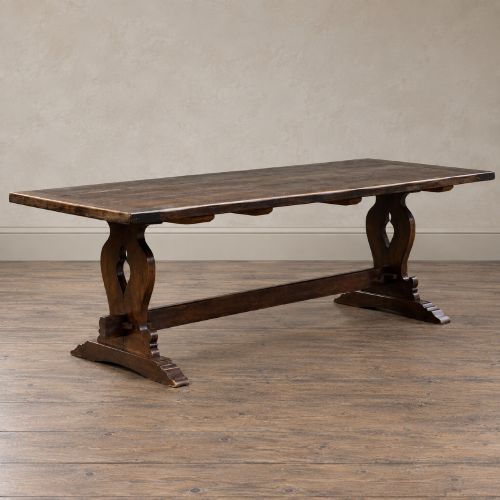
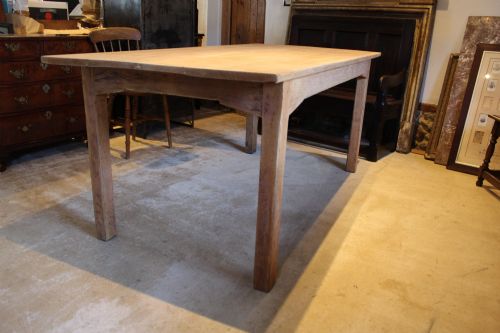
The versions most commonly met on this page are substantial rectangular dining and refectory tables built to seat eight to ten people. They frequently appear in sturdy pine, solid oak or fruitwoods such as cherry and elm, reflecting their original utilitarian purposes in sculleries, dairies and large kitchens.
How they were made
Makers utilised solid native timbers, predominantly selecting heavy oak for structural longevity or workable pine for everyday utility, often pairing different woods like beech frames with oak tops. Boards were joined to create thick tabletops, sometimes using a two-board construction or double extending mechanisms to accommodate larger gatherings.
Construction techniques prioritised durability, employing sturdy refectory bases, stretcher frames and occasionally incorporating practical drawers for storing utensils. Surfaces were finished simply through wax, paint or bleaching over time, preserving the natural grain and handling marks of daily use.
Many tables retain deep ink stains and flour marks, recording decades of kitchen ledger writing and bread making.
What varies in quality
The distinction between tiers rests upon the choice of timber and the integrity of the original construction rather than decorative flourishes. Tables fashioned from dense hardwoods like quarter-sawn oak or mature fruitwood sit above standard utility pieces built from softer pine.
Proportion and structural balance define the upper range, where timbers remain stable across wide spans and undercarriages show careful joinery without excessive modern intervention. Original surface patination, untouched by harsh stripping, marks the distinction between a piece retaining its historic character and one altered by heavy restoration.
The Large Farmhouse Kitchen Table Glossary
- Refectory table
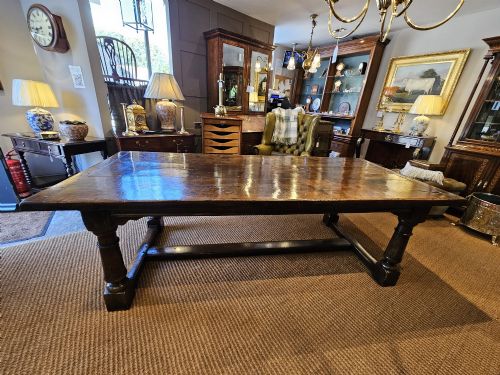
- A long narrow dining table originally built for communal eating in monasteries or large halls. They are characterised by strong stretcher rails running low between the legs for added stability.
- Harvest table
- A narrow table historically used for seasonal farm worker meals, often featuring drop leaves or long proportions. These pieces were designed to be easily moved around large country kitchens or barns.
- Scullery table
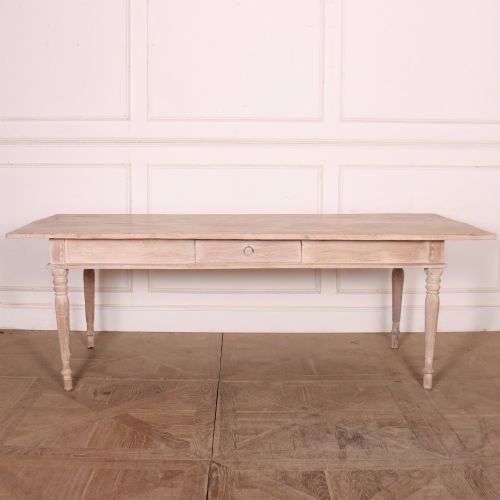
- A utilitarian work table designed for food preparation, washing and kitchen chores. They frequently include integrated drawers for storing tools and utensils.
- French provincial
- A regional style originating from outside Paris, known for simpler lines and local timbers like cherry, elm or walnut. These pieces reflect the domestic traditions of French country homes.
- Bleached oak
- Oak that has been treated to lighten the natural tone of the wood, a finish frequently seen on continental European tables. This process softens the appearance of heavy timber while highlighting the grain.
Large Farmhouse Kitchen Table: Frequently Asked Questions
How do I clean a wooden farmhouse table?
Wipe surfaces down using a damp cloth with mild soap, avoiding harsh chemical cleaners that strip the historic finish. Regular waxing helps nourish the wood and protect against everyday moisture.
Keep tables away from direct heat sources and dramatic temperature shifts to prevent the timber planks from splitting or warping over time.
Can these tables be used daily?
These pieces were originally constructed for heavy daily work and dining, making them well-suited for modern family life. Their robust timber frames and thick tops naturally handle regular use.
Using placemats and coasters protects the historic surface from hot dishes and moisture rings while allowing the patinated wood to age gracefully.
How do I identify the wood type?
Examine the grain pattern, weight and colour of the timber exposed on the tabletop and legs. Oak displays distinct medullary rays, while pine shows softer growth rings and fruitwoods exhibit tighter, finer grains.
Many period tables combine different woods, such as a sturdy oak top paired with a beech underframe, reflecting the practical sourcing methods of historical makers.
What is a refectory base?
A refectory base consists of four legs connected near the floor by long horizontal stretcher beams. This design provides exceptional rigidity across long timber spans without requiring bulky aprons.
It allows diners to sit comfortably along the entire length of the table without legs obstructing their knees.