




Honey Wood Dining Table
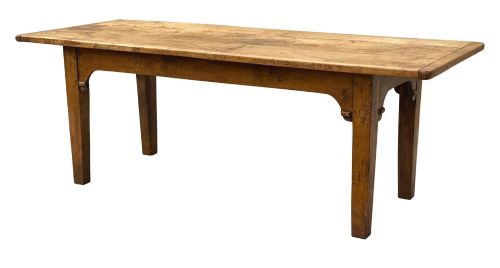
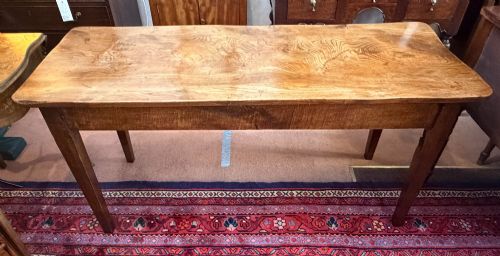
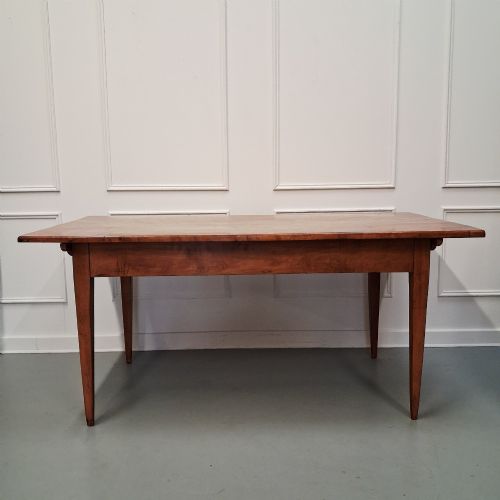
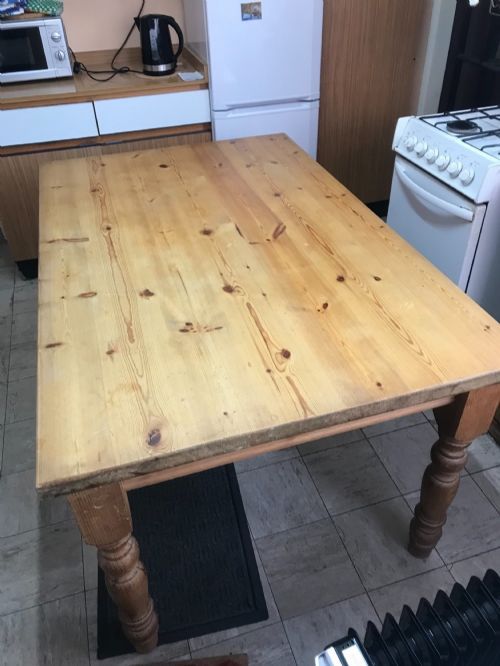
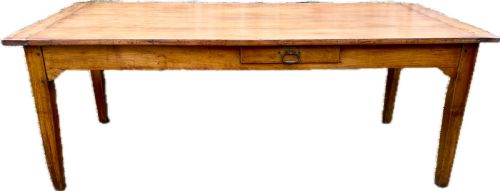
A honey wood dining table brings warmth to a room through honey-toned fruitwood, sycamore, elm, pine, and cherry timbers.
Honey Wood Dining Table
A honey wood dining table encompasses large farmhouse kitchen tables and breakfast tables spanning the eighteenth century through to the early twentieth century. These pieces display warm golden and amber tones across various domestic timbers rather than a single specific wood type.
The versions most frequently met on this page are generous nineteenth-century farmhouse and kitchen tables fashioned from pine, sycamore, elm, and cherry. French provincial and Victorian country styles dominate the forms, offering practical seating surfaces with distinct patination.
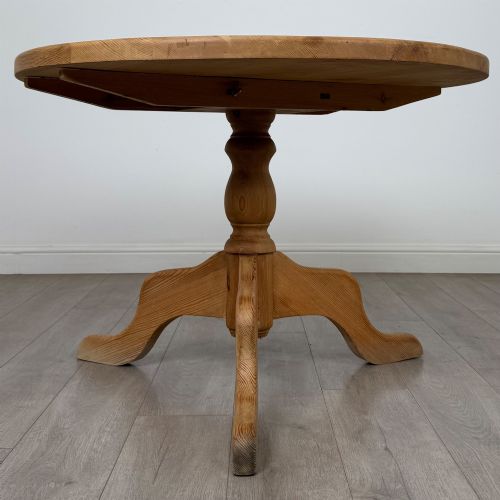
Period examples range from tilt-top breakfast tables to expansive refectory kitchen dining tables designed for daily household use. Each piece demonstrates the utilitarian origins of country furniture adapted for modern dining spaces.
How they were made
Construction relies on solid timbers including pine, oak, elm, satin birch, sycamore, and cherry, often joined with traditional pegged or dowel methods suited to heavy daily use. Artisans selected these domestic woods for their availability and structural resilience in busy farmhouse kitchens.
Surfaces developed their characteristic honey colouring through decades of natural oxidation, regular scrubbing, and simple wax applications rather than modern chemical finishes. Simple brass fittings appear selectively on mechanisms such as tilt-top breakfast tables.
Styles represented on the site include Victorian, French Provincial, French Country, Victorian Country, Rustic Farmhouse, and Victorian Farmhouse.
What varies in quality
Quality separates through the integrity of the timber selection and the depth of natural patination accumulated across the top boards. Tables constructed from dense woods like elm, cherry, and satin birch command attention for their superior grain movement and colour.
Proportion and structural balance define the finer examples, where original stretchers and sturdy underframes remain intact without excessive timber replacement. The distinction lies between honest domestic wear and heavy structural alteration over time.
The Honey Wood Dining Table Glossary
- Farmhouse table
- A sturdy utilitarian dining or kitchen table built for daily domestic use in country homes. These tables typically feature robust timber tops and straightforward frame construction.
- Tilt-top table
- A table equipped with a mechanism allowing the top to pivot vertically when not in use to save space. This form appears frequently in nineteenth-century breakfast tables.
- Refectory table
- A long narrow dining table traditionally used for communal meals in large halls. Examples in this tradition offer extended seating capacities for larger gatherings.
- Patina
- The deep surface sheen and colour variation developed on wood through age, handling, and light exposure. This quality indicates genuine period use and surface evolution.
Honey Wood Dining Table: Frequently Asked Questions
How do I care for a honey wood dining table?
Maintain the surface by applying natural beeswax sparingly and buffing with a soft cloth to protect the grain. Avoid placing the timber near direct heat sources or strong sunlight to prevent excessive drying.
Use coasters and placemats to guard against moisture rings while allowing the natural character of the wood to continue evolving. Gentle cleaning with a damp cloth suffices for daily maintenance.
Are these tables suitable for everyday family dining?
These tables were originally built for heavy kitchen and farmhouse use, making them naturally resilient for daily meals. Solid timber construction withstands regular family life while accommodating modern dining chairs comfortably.
Minor marks and bumps accumulated over generations only add to the honest charm of country furniture. Daily use helps maintain the living finish on the wood.
How do I identify the wood type?
Examine the grain patterns, weight, and colour variations across the table top to distinguish between pine, elm, cherry, and sycamore. Pine tends to be softer with distinct knot patterns, while fruitwoods like cherry and sycamore display tighter, warmer grain.
Satin birch offers a shimmering chatoyancy under light, and elm presents a characteristic interwoven grain structure. Consulting the specific listing details confirms the primary timber used in each piece.
What is the difference between kitchen and dining tables here?
Kitchen tables often display simpler, more utilitarian construction reflecting their origins in working farmhouse spaces. They frequently feature scrubbed tops and robust pine or fruitwood frames built for constant food preparation.
Dining tables, such as tilt-top breakfast or refectory formats, sometimes incorporate more formal stylistic touches suited to reception rooms. Both types share the warm honey tones characteristic of domestic country furniture.