




Large Ceramic Planter
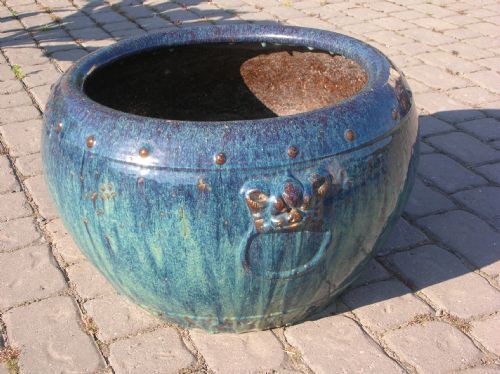
A large ceramic planter anchors a room or garden with substantial mass, bringing centuries of fired clay and glaze into your living space.
Large Ceramic Planter
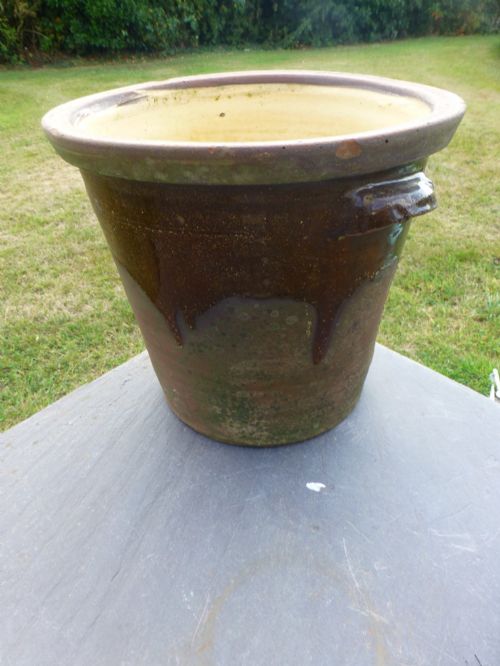
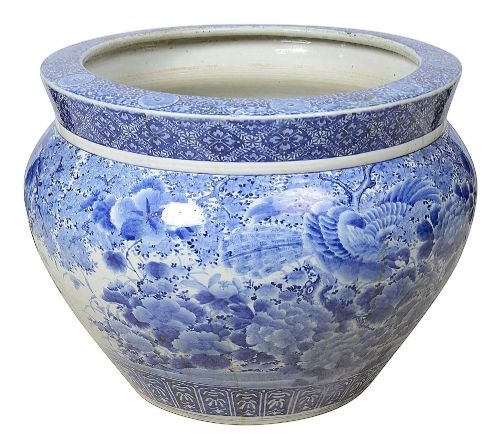
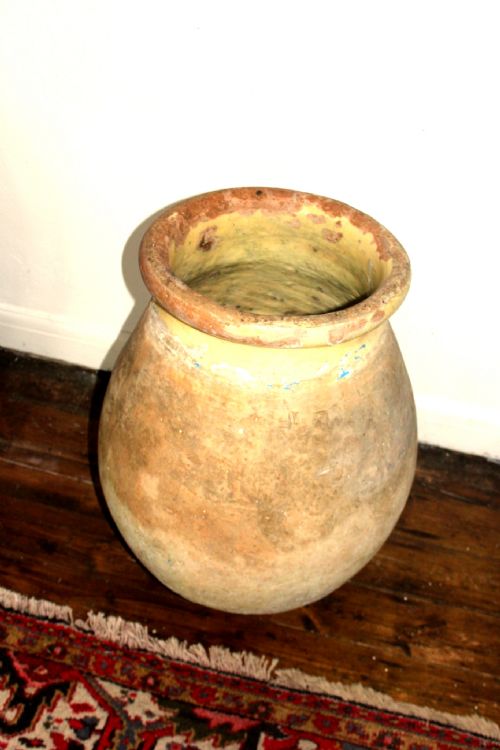
When you search for a large ceramic planter, you encounter vessels shaped as heavy jardinières, deep footbaths, olive jars, and wide fish bowls. These pieces span the nineteenth century and the early decades of the twentieth century, originating from English potteries, French provincial kilns, Italian workshops, and Japanese export furnaces.
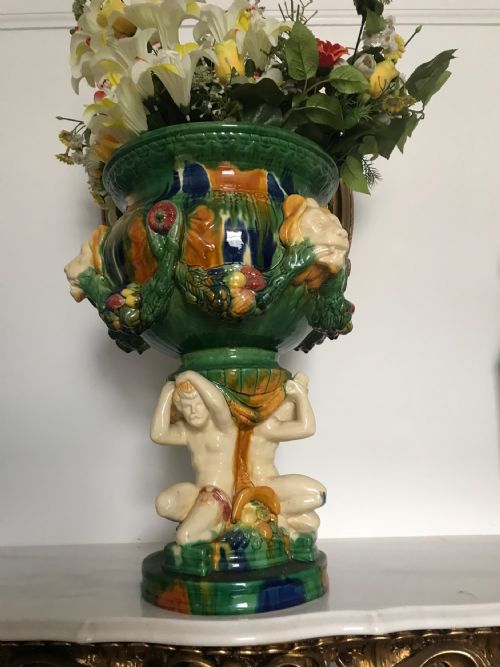
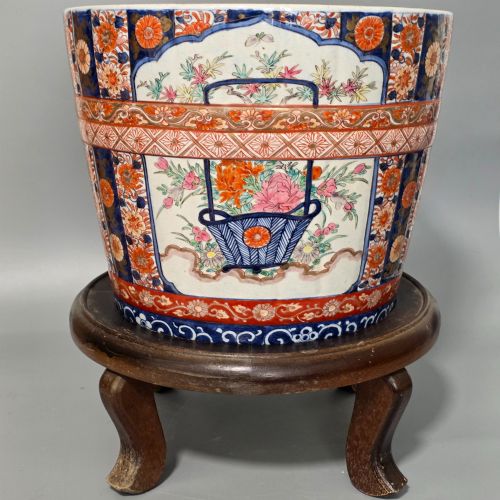
The English examples often display Victorian majolica or blue and white transfer printing, while continental pieces lean towards weathered terracotta oil jars and amphorae. Asian imports introduce intricate blue and white porcelain and Imari palettes designed for grand interiors and orangeries.
You are most likely to meet nineteenth-century terracotta and earthenware forms, alongside Majolica glazed bodies resting on figural stands or ceramic bases. These sturdy vessels served practical agricultural and domestic roles before transitioning to ornamental display.
Materials and construction methods
Potters shaped these heavy bodies from local clay, earthenware, and terracotta, often throwing large vessels in sections or forming them in large moulds before kiln firing. Porcelains from Japanese and Chinese kilns required finer mineral pastes fired at higher temperatures to achieve vitrified, watertight walls.
Glazing techniques defined the surface finish, utilising tin-lead majolica glazes, cobalt blue underglazes, and rich enamel colours. Many garden terracotta pots relied on porous, unglazed bodies designed to weather naturally outdoors, while indoor jardinières received protective, colourful enamel and slip coatings.
Listings feature diverse ceramic materials including porous terracotta, heavy earthenware, tin-glazed majolica, and vitrified Japanese porcelain.
Distinctions in quality and execution
Quality rests in the crispness of moulded relief decoration, such as the sculptural depth on Majolica lion heads or figural bases, compared to soft, worn tooling. The stability of the body, the evenness of the glaze application, and the survival of matching ceramic or associated stands dictate the standing of a piece.
Provenance and maker attribution elevate certain works, distinguishing standard utilitarian garden panscheons from signed Minton, George Jones, or Royal Dux art pottery. The integrity of the fired clay, balanced proportions, and authentic age-related patination separate ordinary vessels from exceptional collector pieces.
Minton·George Jones·Royal Dux·Compton Pottery·Adams
The Large Ceramic Planter Glossary
- Jardiniere
- An ornamental ceramic pot or bowl designed to hold a plant or floral arrangement. These vessels frequently sit on dedicated pedestals or matching stands.
- Majolica
- A type of earthenware coated with an opaque tin-lead glaze and painted with vibrant metal oxide colours. The technique produces rich, glossy surfaces with high relief decoration.
- Terracotta
- Fired, unglazed or lightly slipped brownish-red clay used extensively for garden vessels and storage jars. It develops an aged patina when exposed to moisture.
- Imari
- Japanese export porcelain decorated in underglaze blue, iron red, and gold. This distinct palette appeared on large decorative planters destined for European homes.
- Footbath
- A deep, oblong ceramic vessel with carrying handles, originally intended for personal hygiene. These substantial basins often serve as large planters.
- Pansheon
- A wide, shallow earthenware pan or basin used in dairies or gardens. Their simple, rustic utility makes them durable rustic planters.
Large Ceramic Planter: Frequently Asked Questions
How do I use a jardiniere safely indoors?
Place a plastic saucer or a waterproof liner inside the ceramic bowl to catch drainage water and protect your floors. Because many antique planters lack drainage holes, using an inner nursery pot preserves the interior glaze.
Keep heavy vessels on stable surfaces or dedicated plant stands to distribute their substantial weight evenly. Avoid dragging unglazed terracotta across wooden floors to prevent surface scratching.
Can these antique planters stay outside in winter?
Most nineteenth-century terracotta and earthenware pots are porous and absorb moisture, which expands during freezing temperatures and causes cracking. Bring garden urns and oil jars indoors or into a sheltered glasshouse during harsh winter months.
Porcelain and fully vitrified glazed ceramics resist frost better than raw terracotta, but extreme weather still poses a risk to antique bodies. Empty soil from delicate pieces if left outdoors in colder climates.
How do I clean an antique glazed planter?
Wash the ceramic surface gently using warm water, a mild detergent, and a soft cloth to remove accumulated dust and organic debris. Avoid harsh chemical cleaners or abrasive scouring pads that can dull historic glazes or damage soft earthenware.
Allow unglazed terracotta to retain its natural aged patina and mineral deposits rather than scrubbing it away. Gentle maintenance protects the historic surface while keeping the ceramic clean.
How do I tell nineteenth century terracotta from modern copies?
Examine the interior and base for hand-thrown throwing rings, tool marks, and firing flaws consistent with historic kiln technology. Authentic older pieces display natural wear, mineral encrustation, and patination that modern manufacturing cannot replicate easily.
Check the weight and composition of the clay body, as nineteenth-century pots often use local regional clays with distinct inclusions. Consistent uniformity across a pot often points to modern slip-casting rather than antique production.