
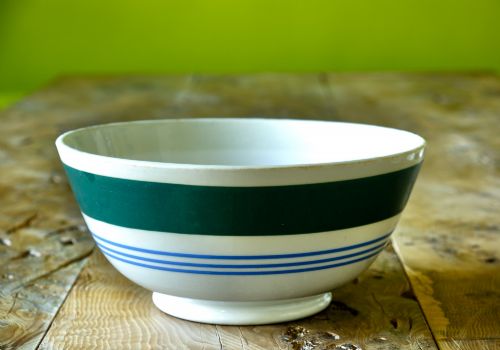
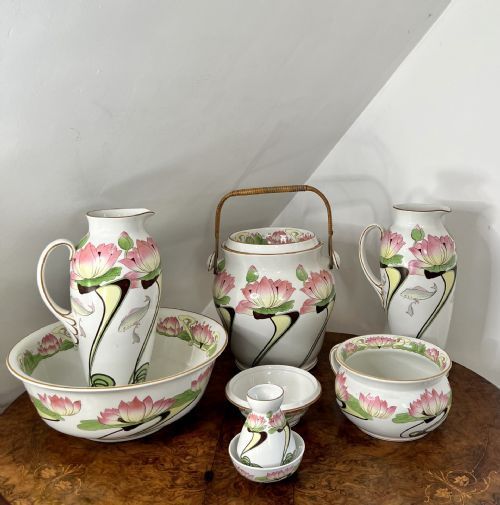


White Earthenware Basin
These white earthenware basin examples offer practical utility and historical design, coming in various styles from the eighteenth century to the twentieth century.
White Earthenware Basin
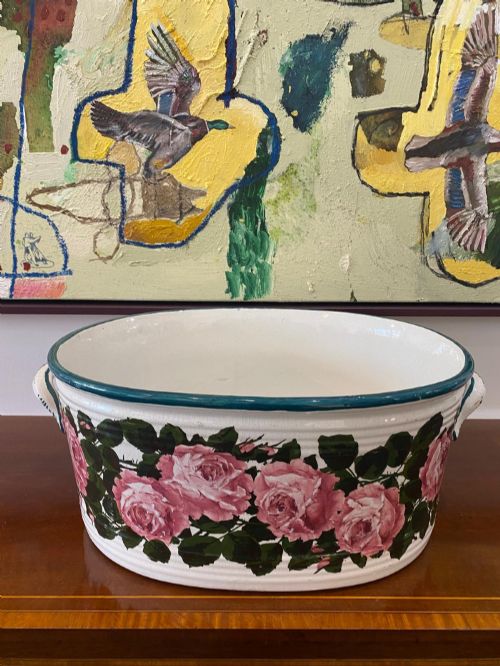
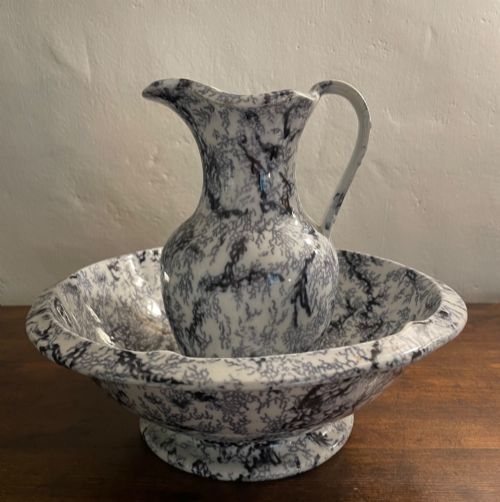
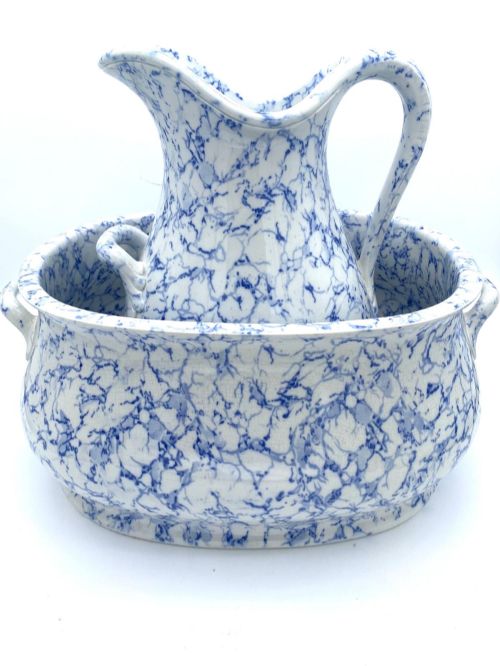
A white earthenware basin serves as a functional vessel within wash sets, footbaths, and large bowls found across multiple historical periods. Buyers searching for a white earthenware basin will encounter various forms, including large footbaths, toilet basins, and mixing bowls originating from Victorian, Edwardian, and Georgian eras.
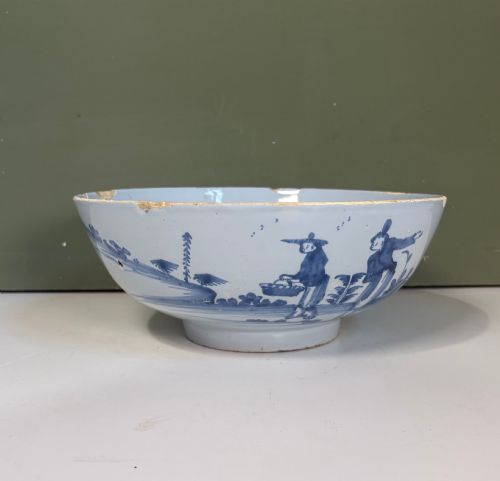
The pieces on this page span several centuries, with items ranging from eighteenth-century delftware to early twentieth-century bathroom sets. These domestic items formed an essential part of historical household routines before modern plumbing changed daily washing habits.
What varies in quality
The clarity and registration of transfer-printed patterns separate standard domestic items from finer factory productions. Crisp lines and rich cobalt applications indicate superior control during the decoration stage.
Thickly potted utilitarian pieces prioritize durability, whereas finer ceramic basins display more refined proportions and carefully smoothed surfaces. The reputation of the pottery and the complexity of the glaze determine the standing of each individual piece.
Listings feature items spanning the 18th Century, Victorian, Edwardian, and Georgian periods, utilising earthenware, creamware, and tin glaze.
Wemyss·Minton·T G Green Pottery·Heathcote·Spode·Copeland·Ridgway
The White Earthenware Basin Glossary
- Earthenware
- A porous pottery body fired at lower temperatures than stoneware or porcelain. It requires a glaze to hold liquids effectively.
- Transfer printing
- A method of applying intricate designs to ceramic surfaces using a paper template from an engraved copper plate. This technique enabled factories to produce uniform patterns efficiently.
- Tin glaze
- An opaque white glaze containing tin oxide, used on delftware and faience. It provides a smooth white background for painted decoration.
- Creamware
- A refined light-coloured earthenware developed in the eighteenth century. It has a warm, pale yellow tone beneath a transparent lead glaze.
- Flow blue
- A style of cobalt decoration where the blue colour intentionally bleeds into the surrounding white glaze during firing. This technique creates a soft, hazy appearance across the pattern.
White Earthenware Basin: Frequently Asked Questions
How were footbaths used?
Historical footbaths served for bathing feet in the bedroom before the widespread adoption of permanent plumbed bathrooms. Servants filled these large ceramic vessels with warm water for the household.
Today, collectors often repurpose these sturdy basins as planters, ice buckets for wine, or decorative display pieces in living spaces.
What is a wash set?
A wash set typically includes a large basin paired with a matching water jug, often accompanied by smaller accessory vessels. These sets sat upon wooden washstands in bedrooms for morning and evening hygiene.
The matching pieces provided a coordinated look for middle and upper-class homes during the Victorian and Edwardian periods.
How do I date a ceramic basin?
Dating relies on stylistic clues, pottery marks stamped or printed on the base, and the specific manufacturing techniques used. Earlier pieces from the eighteenth century often feature hand-painted tin glazes, while nineteenth-century items frequently show transfer-printed patterns.
Examining the weight of the ceramic and the characteristics of the glaze helps narrow down the production era.
Are these basins waterproof?
Most glazed earthenware basins remain capable of holding water safely for everyday decorative uses like holding cut flowers. However, historical hairline cracks or historical repairs mean some pieces suit dry display better than active liquid containment.
Checking the interior surface for crazing helps determine how the piece will handle moisture over time.