


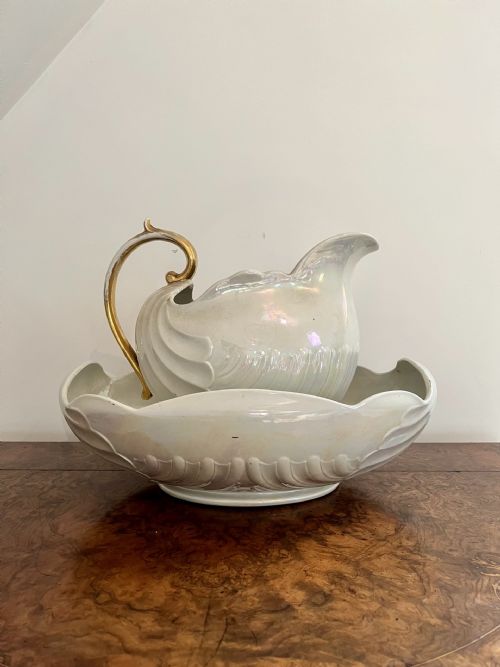

Antique Porcelain Wash Basin
These antique porcelain wash basin sets bring hand-finished ceramics and transfer-printed scenes straight from the Victorian bathroom to the modern home.
Antique Porcelain Wash Basin
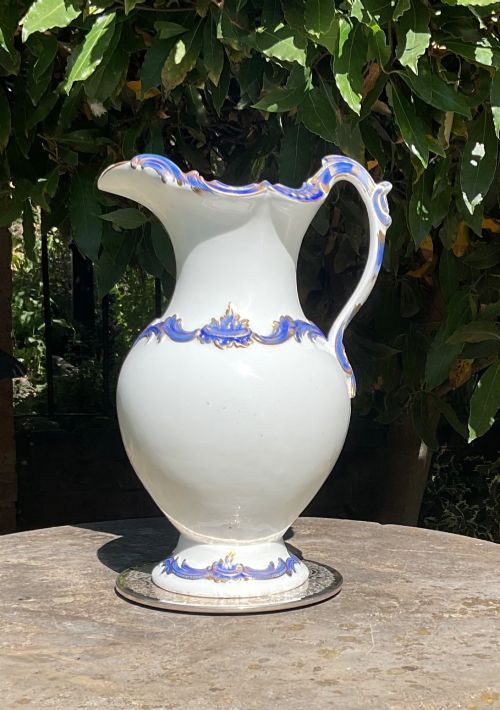
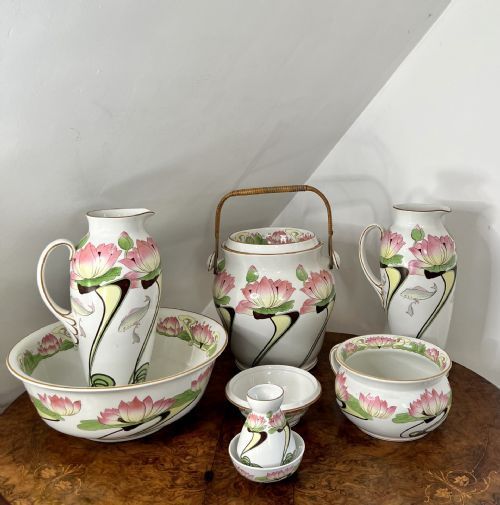
When you search for an antique porcelain wash basin, you encounter complete bathroom sets, jug and bowl combinations, and footbaths originating from the Regency period through to the 1930s. The most common survivals on this page are Edwardian and Victorian matching jug and basin sets, typically created for bedroom washstands before plumbed bathrooms became standard.
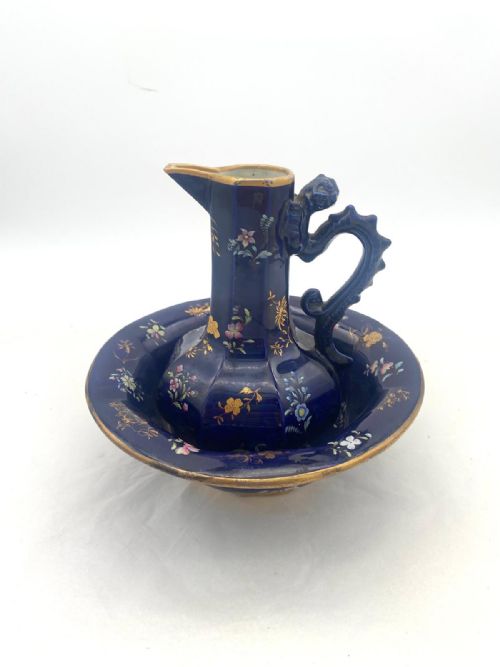
The selection ranges from miniature Victorian decorative sets to large Edwardian bathroom sets and Mason's ironstone octagonal basins. You also find specialised pieces such as blue and white transfer footbaths and Chinese export bowls displaying crackle-glazes.
Materials and production methods
Potters utilised porcelain, earthenware, and ironstone as the primary bodies for these sanitary wares, applying lead or tin glazes to seal the porous clay. Cobalt blue transfer printing and hand-painted enamel designs provided the decorative surface patterns before the final high-temperature kiln firing.
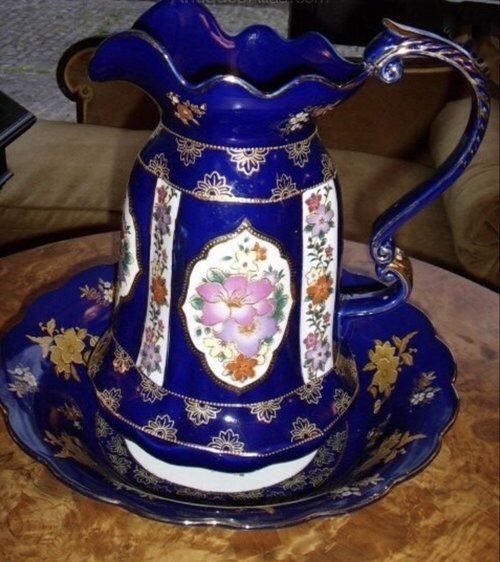
Higher-end examples incorporated additional decorative techniques such as gold leaf application, intricate gilding, and raised enamel work over the glaze. These methods required multiple firings to adhere the precious metals and colours securely to the porcelain surface.
Listings span the Regency era through to the 1930s, utilising materials such as ironstone, earthenware, and porcelain decorated with cobalt blue glazes.
Determining quality across periods
Quality separates mass-produced utility wares from pieces produced by premier potteries through the crispness of the transfer print and the uniformity of the glaze. Finer pieces maintain precise registration in multi-coloured patterns and avoid cloudiness or pooling in the cobalt blue applications.
The sophistication of the form also dictates the tier of the piece, moving from simple utilitarian washware to elaborate octagonal shapes, applied gold leaf details, and matching multi-piece bathroom sets.
Masons·Doulton Burslem·Copeland·Shelley·Heathcote
The Antique Porcelain Wash Basin Glossary
- Ironstone
- A patented ceramic body invented in the nineteenth century that mimics porcelain while offering superior durability for heavy daily use. It provides a heavy, dense base for large wash basins and footbaths.
- Transfer printing
- A method of applying intricate engravings to ceramics using a paper transfer from a copper plate. This technique allowed factories to produce uniform blue and white scenic patterns efficiently.
- Footbath
- A deep, wide vessel designed for soaking feet before the widespread adoption of built-in porcelain bathtubs. These large basins frequently feature sturdy handles and decorative transfer scenes.
- Gilt
- A thin layer of gold applied to the rim, handle, or surface of porcelain as a decorative accent. It requires careful handling to prevent rubbing away over decades of cleaning.
- Glaze
- A glassy coating fused to the ceramic body during firing to render it waterproof and glossy. The composition determines whether the surface appears bright white, ivory, or slightly crackled.
Antique Porcelain Wash Basin: Frequently Asked Questions
What are antique wash basin sets?
These assemblies consist of a large ceramic bowl paired with a matching water pitcher, designed for personal washing in bedrooms before indoor plumbing.
They formed the centrepiece of wooden washstands and typically included smaller accessories like soap dishes and toothbrush holders.
How do I date an antique basin?
Dating relies on stylistic clues, ceramic bodies, and factory marks stamped into the underside of the earthenware or ironstone.
Victorian pieces often display rich cobalt transfer prints or gold leaf accents, while Edwardian examples lean towards lighter floral compositions.
Were these basins used daily?
Yes, these vessels served practical hygiene needs in bedrooms and dressing rooms before running water reached every chamber.
Servants carried water up in the matching pitchers to fill the basins for morning and evening washing routines.
How do I display a wash set today?
Many collectors place the jug and bowl together on sturdy wooden tables, sideboards, or dedicated antique washstands.
Individual basins also function well as decorative planters, umbrella stands, or centrepieces in traditional bathrooms.