


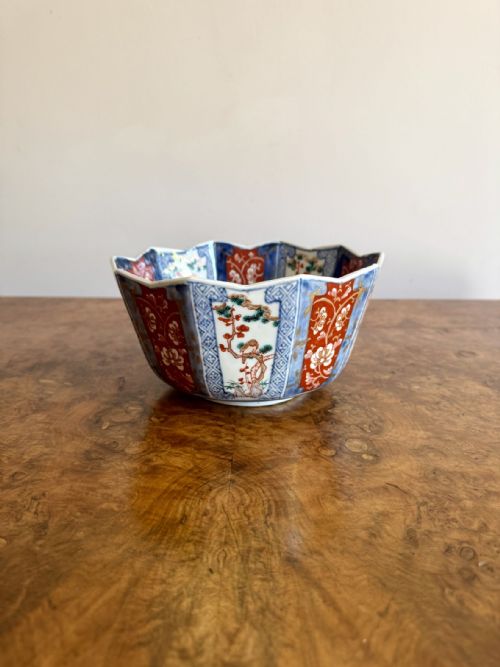


Oriental Ceramic Basin
An oriental ceramic basin brings rich historical craft into a room, offering deep bowls and jardinieres shaped by centuries of Asian kiln traditions.
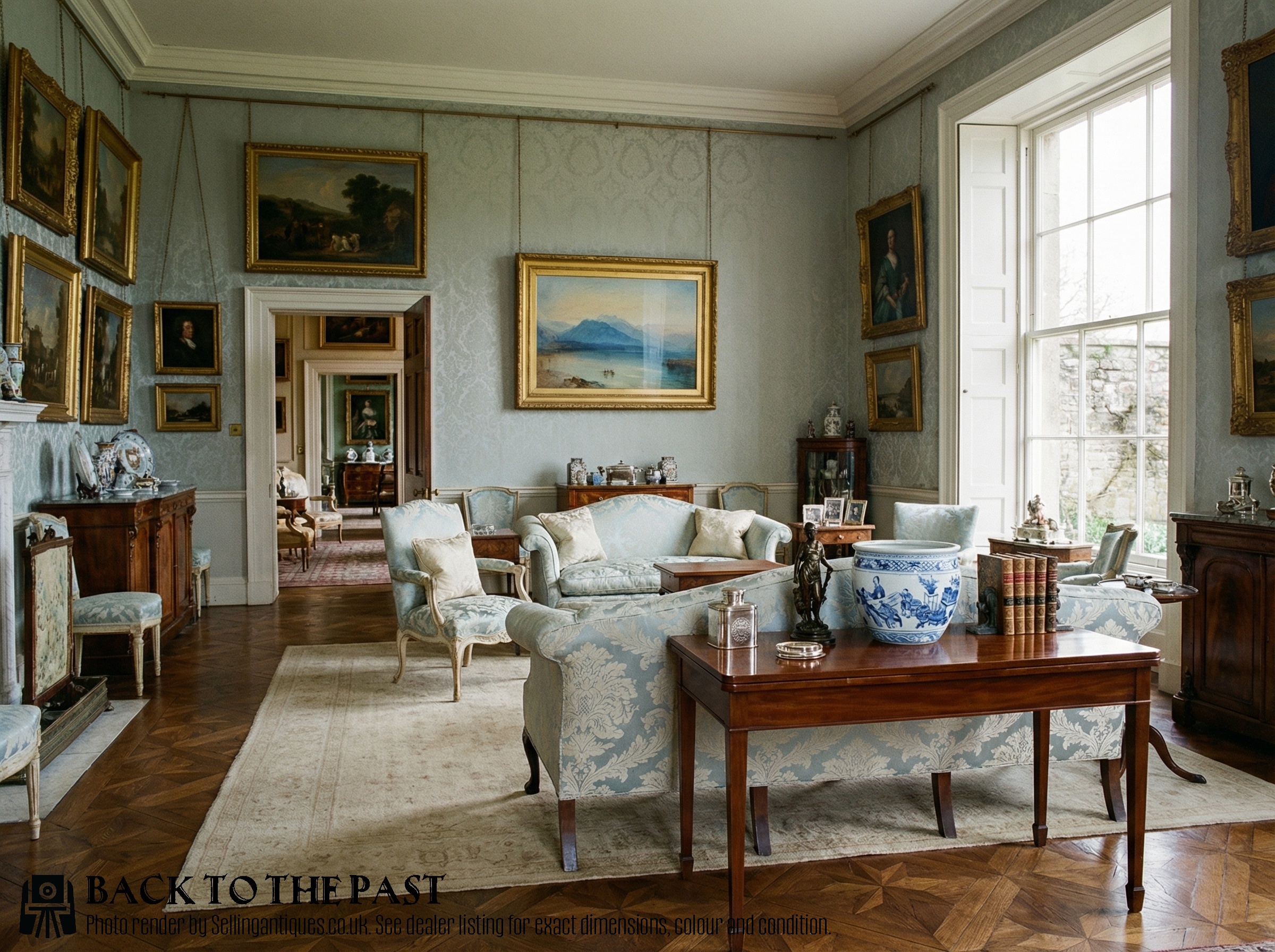
Oriental Ceramic Basin
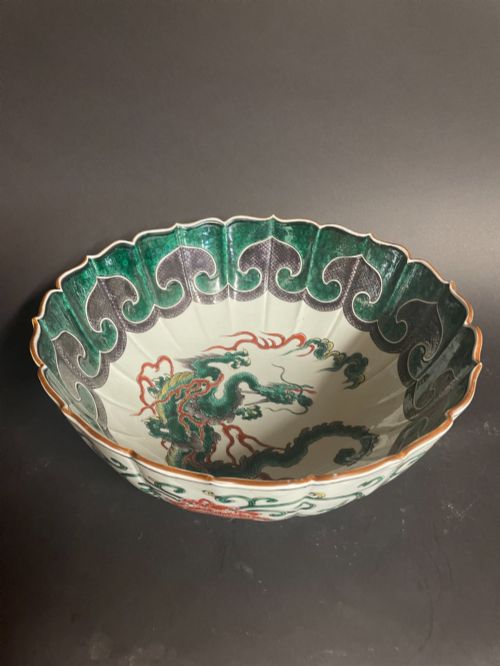
An oriental ceramic basin encompasses a wide variety of bowls, punch bowls, jardinieres, and fish bowls originating from Chinese and Japanese kilns. These vessels range from compact sugar bowls and brush washers to large garden planters meant for substantial displays.
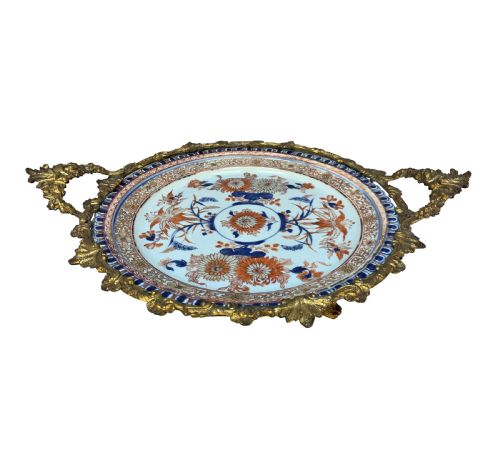
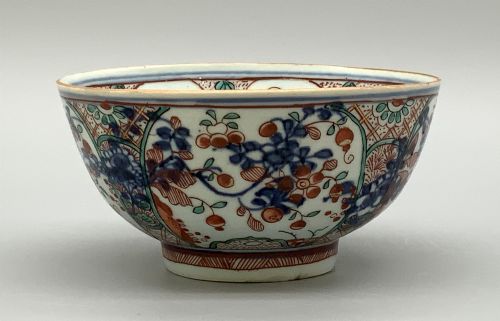
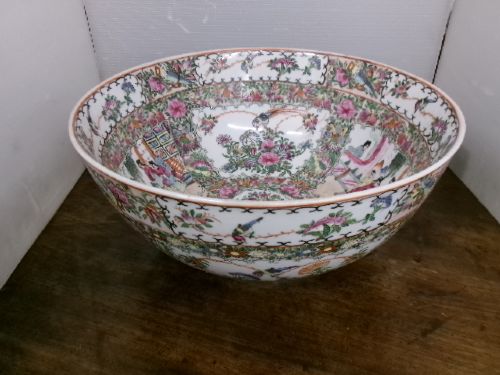
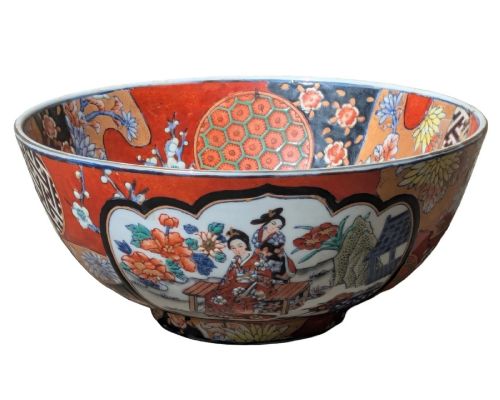
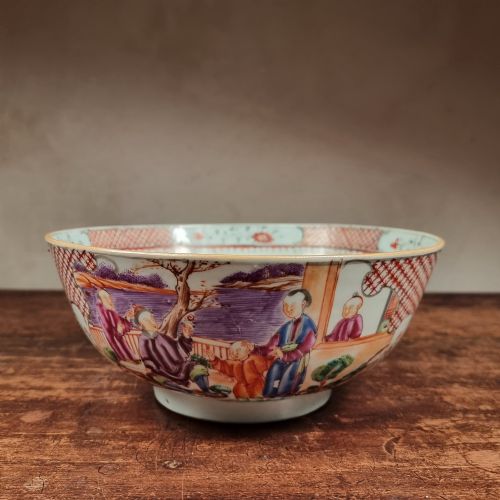
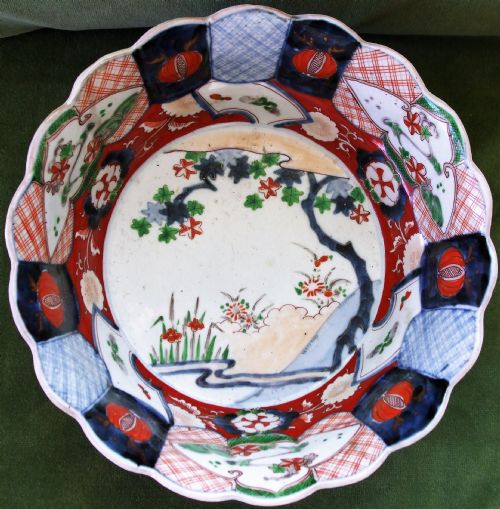
The pieces on this page span several centuries, with significant representation from the eighteenth and nineteenth centuries, alongside earlier Ming examples and later Meiji period works. Japanese Imari wares and Chinese Famille Rose pieces appear frequently among the listings.
Forms serve both decorative and functional roles, functioning as centrepiece bowls, table dishes, or floor-standing jardinieres often paired with hardwood stands. Buyers select these items to anchor a room with traditional ceramic artistry.
Materials and Techniques
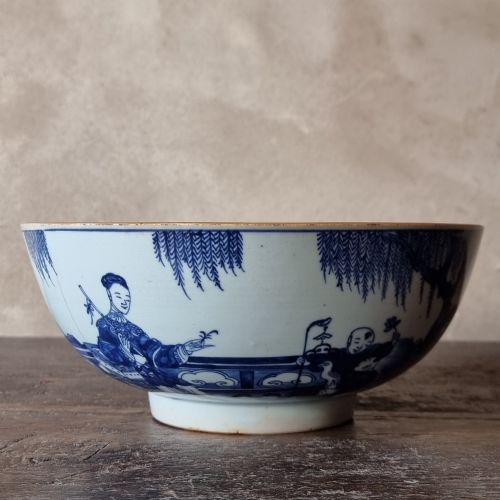
Porcelain and earthenware form the structural body of these vessels, shaped by hand or wheel before firing at high temperatures. Kiln workers applied glazes, enamels, and cobalt blue pigments directly to the ceramic surface.
Decoration often includes hand-painted motifs executed in intricate detail, supplemented by gold leaf, gilt highlights, and crackle-glaze effects. Certain pieces feature applied elements such as ormolu mounts or raised figurative modelling.
Some brush washers feature tiny climbing figures scaling the ceramic rim as if attempting to explore the basin interior.
Assessing Quality
Quality rests in the precision of the hand-painted brushwork and the depth of the glaze, where controlled cobalt blue motifs or rich Famille Rose enamels demonstrate superior artisan skill. The weight of the porcelain and the crispness of moulded or scallop edges distinguish finer productions from standard domestic wares.
Historical marks, such as Kangxi or Qianlong period indicators, along with artist signatures from studios like Kyoto, elevate the standing of a piece. Preservation of the original glaze sheen and the structural integrity of large jardinieres determine the overall standing within the range.
Kōko·Ryuzan·Shozan·Kyoto Studio
The Oriental Ceramic Basin Glossary
- Imari
- A style of Japanese export porcelain featuring a palette of underglaze blue, iron red, and gold. This aesthetic gained popularity in Europe during the seventeenth and eighteenth centuries.
- Famille Rose
- A major palette of Chinese ceramic enamel colours introduced in the Qing dynasty, characterised by opaque pink enamel. The style allows for subtle shading and complex botanical or figurative scenes.
- Jardiniere
- A large ornamental pot or basin designed to hold plants or flowers. These vessels often sit on low tables or associated hardwood stands.
- Punch bowl
- A large bowl traditionally used for mixing and serving communal drinks during social gatherings. In ceramic form, these feature deep bodies decorated inside and out.
- Arita
- A Japanese town famous as the birthplace of Japanese porcelain production. Kilns in this area produced substantial quantities of export ware.
Oriental Ceramic Basin: Frequently Asked Questions
What is an oriental ceramic basin used for?
These vessels serve primarily as decorative bowls, centrepieces, or large planters known as jardinieres and fish bowls. Historically, punch bowls held drinks at gatherings while smaller basins functioned as brush washers.
Today, collectors use them to display floral arrangements, hold household items, or exhibit them as standalone works of art on tables and stands.
How do I date an oriental ceramic basin?
Dating relies on examining the ceramic body, glaze characteristics, and stylistic painting conventions. Comparing the piece to documented examples from periods like the Ming dynasty, Qing dynasty, or Japanese Meiji period provides a reliable timeframe.
Potters marks, reign marks, and export seals also offer specific chronological clues, though these require careful verification against known historical periods.
What is the difference between Imari and Famille Rose?
Imari ware typically relies on a distinct colour scheme of underglaze cobalt blue, iron red, and gold highlights, often produced in Japanese kilns such as Arita. The designs frequently incorporate panel layouts and floral motifs.
Famille Rose is a Chinese ceramic style defined by an opaque pink enamel derived from colloidal gold, allowing for soft-toned pictorial scenes featuring figures, birds, and flowers.
How should I display a large jardiniere?
Large jardinieres and fish bowls require sturdy placement, often resting on low wooden stands or dedicated hardwood bases that lift the heavy ceramic off the floor. Positioning them away from heavy foot traffic protects the glazed surface.
When using them for plants, placing a protective liner inside prevents moisture from interacting directly with the antique ceramic body.