



Lacquered Coffee Table
A lacquered coffee table brings glossy depth and intricate painted detail into a room, drawing the eye with rich black or red surfaces.
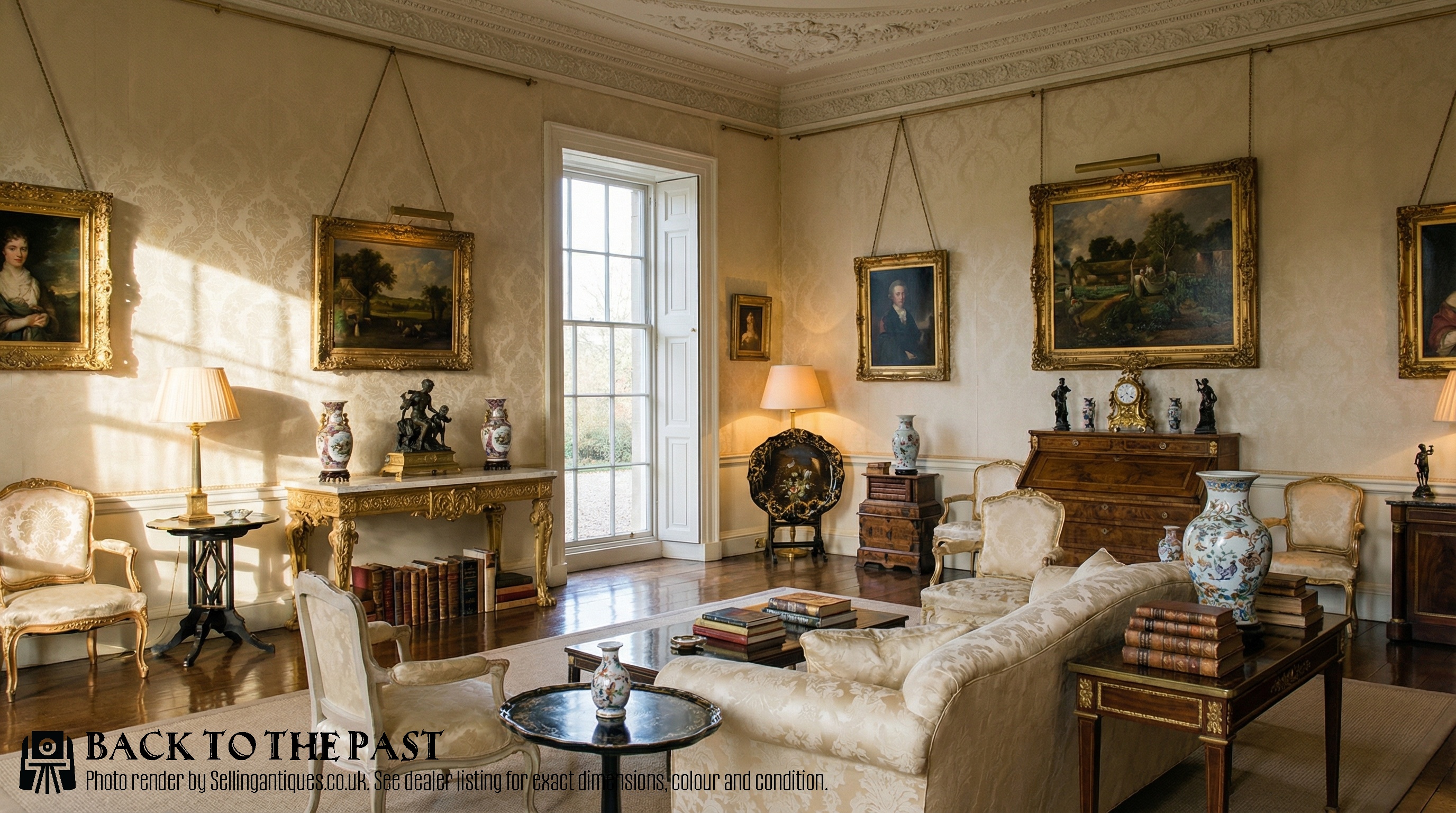
Lacquered Coffee Table
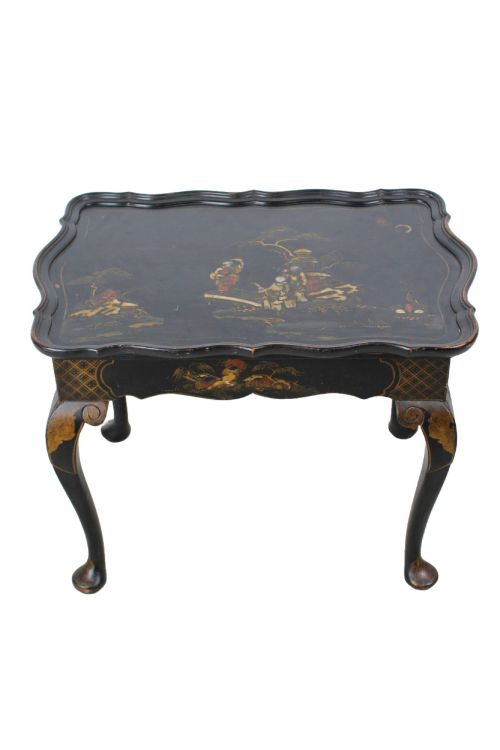
A lacquered coffee table serves as a functional low surface while displaying decorative finishes rooted in centuries of Asian and European craftsmanship. Buyers seeking this form often encounter low tables adapted from traditional serving trays, nested sets, or dedicated occasional tables.
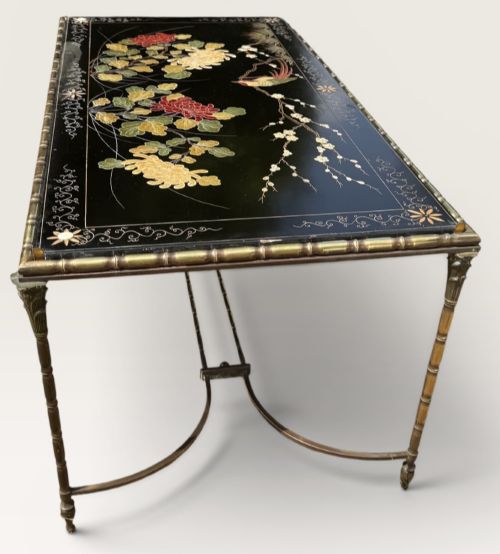
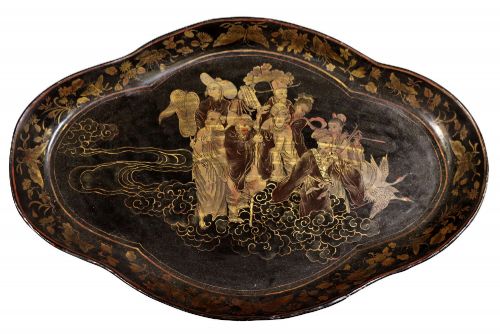
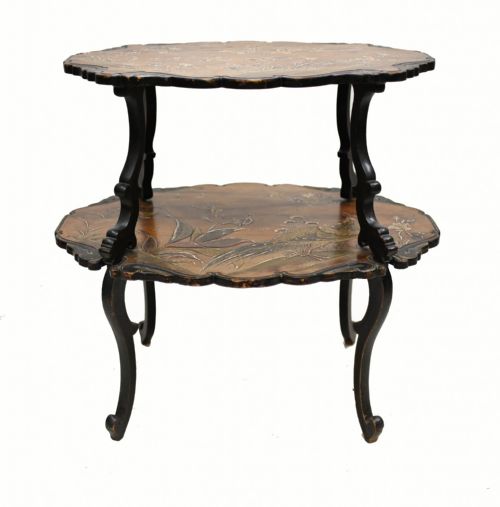
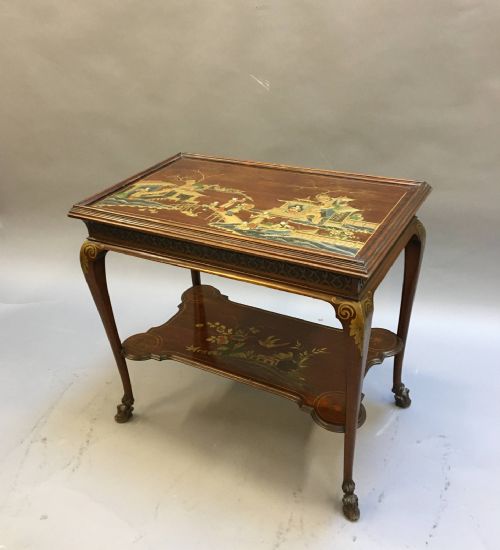
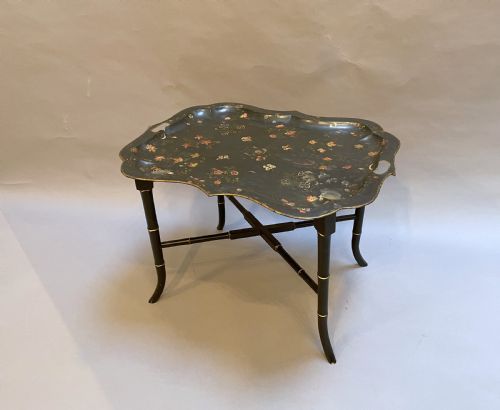
The selections available range from 19th-century papier-mâché trays mounted on custom stands to Edwardian and early 20th-century Chinoiserie interpretations. Pieces span black and red lacquer, incorporating painted scenes, gilt work, and raised relief detail.
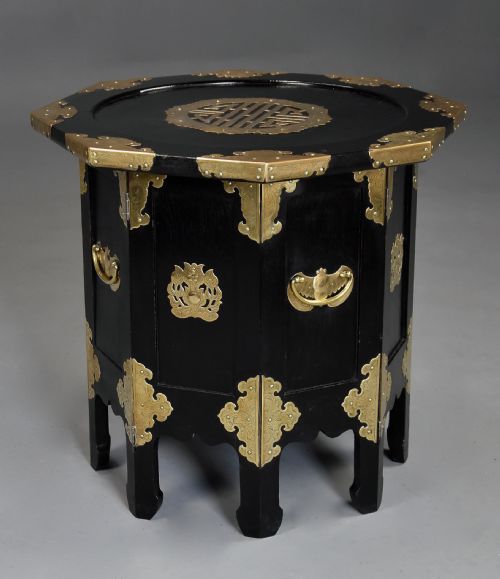
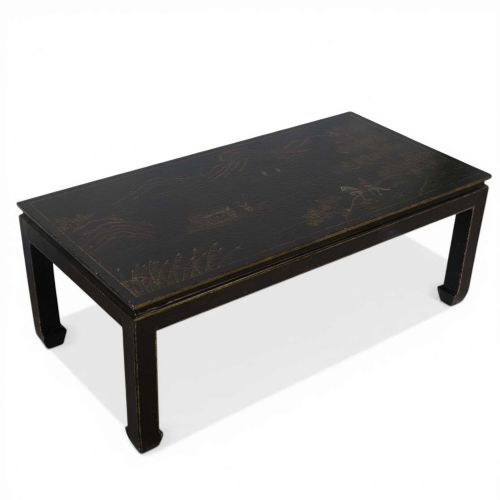
Origin variations include English adaptations in the Chinoiserie taste alongside imported Chinese, Japanese, Burmese, and Kashmiri forms. This mix provides options varying from compact nested arrangements to expansive low serving surfaces.
Materials and Techniques
Construction relies on timber foundations, papier-mâché, or elm, upon which layers of resin or paint build a hard, smooth ground. Artisans then apply surface ornament using gold leaf, metallic paint, and hand-painted motifs.
Many historical examples utilise converted serving trays placed onto later wooden stands to create the desired coffee table height. Raised relief work and delicate gilt linework add dimensional texture to the hardened lacquer surface.
Listings feature 19th-century papier-mâché trays alongside Edwardian Chinoiserie nested tables and mid-century lacquer designs.
Evaluating Quality and Execution
Quality rests in the depth of the lacquer finish and the crispness of the hand-painted or gilt decoration. Superior examples display refined brushwork and well-preserved surface detail without excessive cracking or crude later repainting.
The integrity of the underlying structure, whether an original low table or a period tray paired with a sympathetic stand, dictates the piece's structural stability. Finer specimens maintain their original hardware, structural mounts, and cohesive decorative schemes across all surfaces.
Jennens And Bettridge·Henry Clay·Maison Bagues
The Lacquered Coffee Table Glossary
- Chinoiserie
- European decorative style reflecting Chinese artistic influences, frequently seen in gilt motifs on black or red grounds. This style dominated many 18th- and 19th-century furniture productions.
- Japanning
- European imitation of East Asian lacquerwork achieved through layered varnishes and metallic dust. Artisans baked the surface to create a hard, glossy finish resembling imported wares.
- Papier-mâché
- Composite material made from paper pulp mixed with glue and resin, pressed into moulds and dried. It formed a lightweight, stable base for Victorian and Regency trays.
- Toleware
- Painted and lacquered metalware, typically tin or iron, produced for domestic use. These pieces often featured dark grounds with floral or gilt decoration.
- Nest of Tables
- Set of graduated tables designed to slide neatly beneath one another when not in use. They appeared frequently in Edwardian Chinoiserie designs.
Lacquered Coffee Table: Frequently Asked Questions
How do I clean a lacquered surface?
Dust the surface gently with a soft, dry microfibre cloth to prevent scratching the delicate finish. Avoid using chemical cleaners, abrasive pads, or excess water, as moisture can penetrate hairline cracks in the lacquer.
For stubborn marks, use a barely damp cloth with mild soap, then dry immediately. Regular polishing is unnecessary and can damage historic varnish layers.
Were these tables originally made as coffee tables?
Many historical examples started life as serving trays, floor-standing chests, or low tea tables rather than modern coffee tables. Nineteenth-century papier-mâché trays were frequently mounted on custom wooden stands later in their lives to suit contemporary seating heights.
Purpose-built low tables also existed in various Asian and European traditions. These hybrid origins mean heights and proportions vary across different periods.
How do I distinguish papier-mâché from wood?
Papier-mâché feels surprisingly light yet rigid, lacking the distinct grain structure visible in timber bases. Tapping the surface produces a duller sound compared to solid wood.
Examining the underside often reveals the matte black or dark primed ground typical of pressed paper pulp constructions. This material allowed makers to achieve smooth, curved contours ideal for serving trays.
Can I use a tray table for daily serving?
Using a historic tray table for active serving requires caution to protect fragile gilt and painted details. While original trays were designed to carry items, centuries of ageing make contemporary surfaces vulnerable to liquid rings and heat.
Employing protective coasters and glass tops helps preserve the decorative artwork. Many owners prefer using them purely as static display pieces.