
Vintage Oriental Table
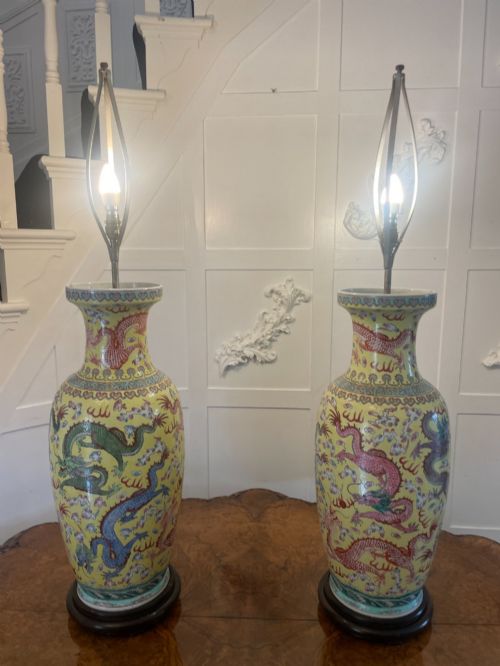
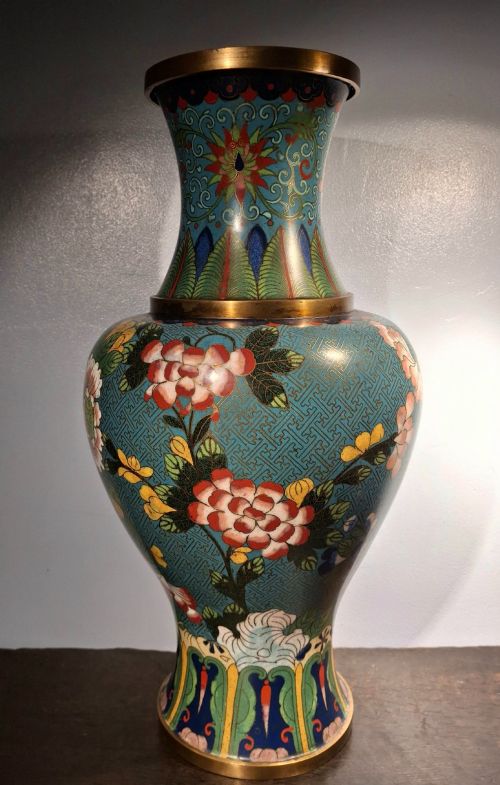
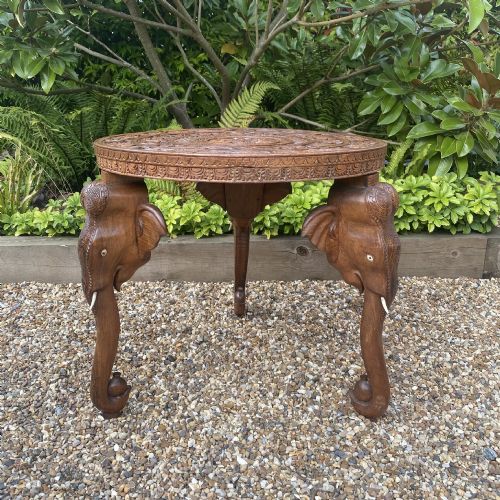
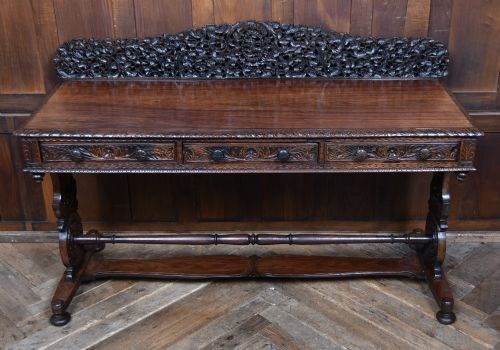
These vintage oriental table examples bring together hardwoods, lacquer, brass and inlay across forms from low opium tables to occasional stands.
Vintage Oriental Table
A vintage oriental table encompasses various low coffee tables, occasional stands, side tables and specialised items like opium tables or sake tables originating from Chinese, Japanese, Indian and Anglo-Indian traditions.
The selections span pieces fashioned during the nineteenth century, the Victorian era and the early decades of the twentieth century, including the Meiji period and Edwardian times.
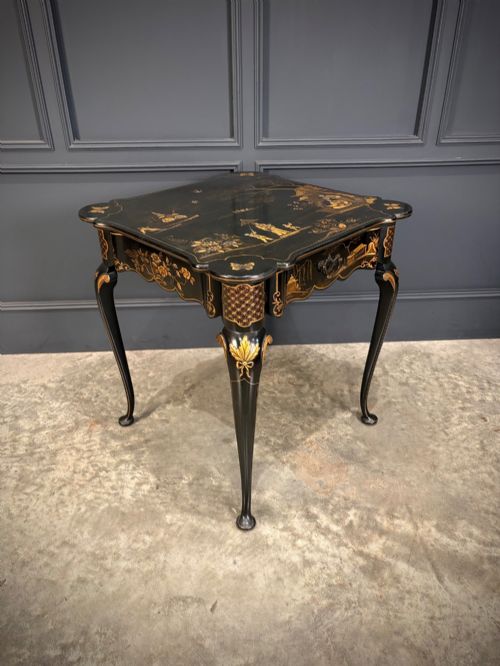
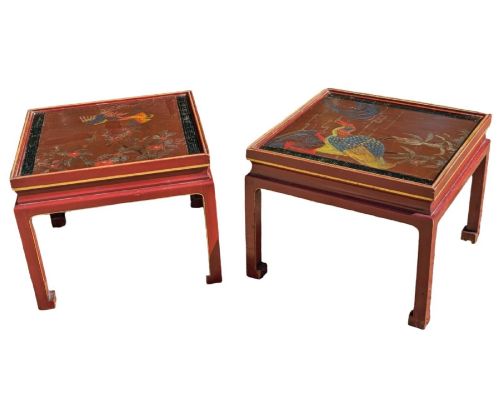
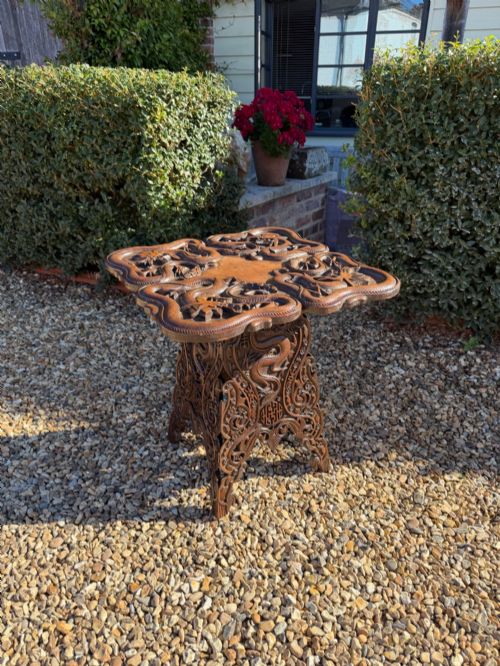
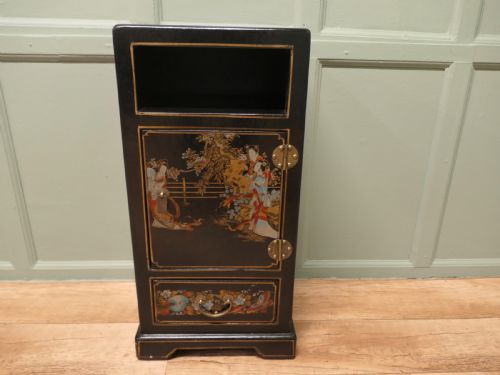
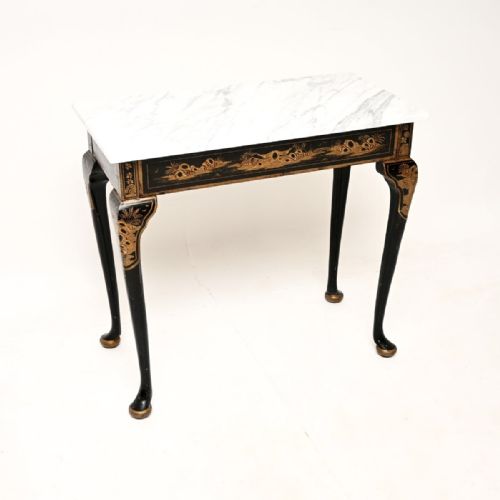
Buyers frequently encounter occasional tables with mother of pearl inlay, carved hardwood stands and lacquered Chinoiserie surfaces among these listings.
Materials and construction methods
Artisans utilised hardwoods such as rosewood and elm alongside brass, bronze, glass and lacquer to construct these pieces.
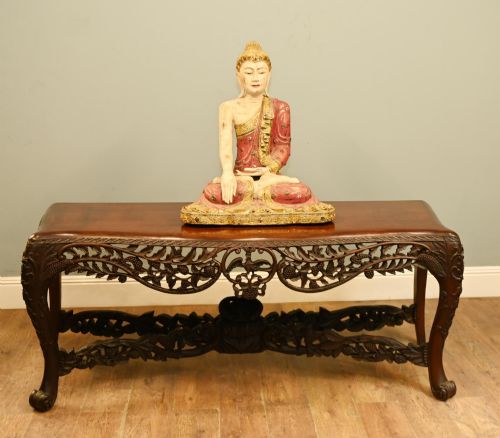
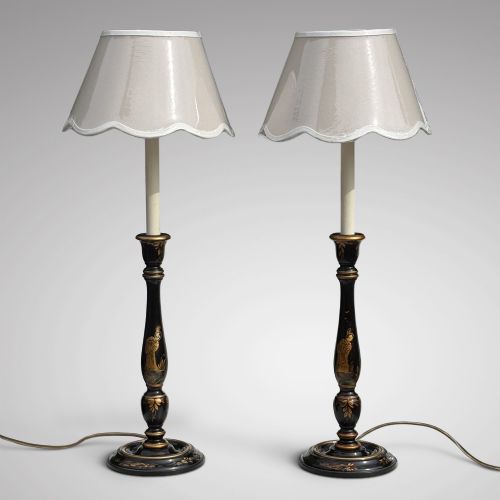
Surfaces often feature hand-painted scenes, mother of pearl inlay, bone inlay and carved dragon details reflecting traditional workmanship.
Materials documented in the inventory include brass, rosewood, lacquer, bronze, glass and hardwood.
What distinguishes quality
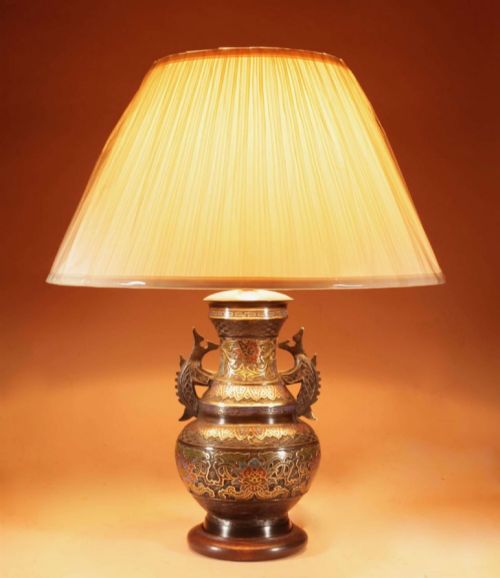
Quality rests upon the crispness of hand carving, the depth of lacquering and the integration of decorative elements like inlaid mother of pearl or champleve enamel.
The integrity of the original wood grain, the precision of joinery and the preservation of hand-painted finishes separate standard examples from finer works.
Elliott London·Liberty and Co·Maison Bagues
The Vintage Oriental Table Glossary
- Chinoiserie
- European imitation or interpretation of Chinese and East Asian artistic traditions, often seen in lacquered furniture and decorative objects. This style gained popularity during various historic periods and manifests in painted scenes.
- Meiji Period
- A Japanese era lasting from 1868 to 1912 characterised by the modernization of the country and distinctive fine metalwork, lacquer and bronze production. Items from this time show high technical proficiency.
- Opium Table
- A low wooden table traditionally used in East Asia for reclining while smoking or dining. These surfaces frequently feature low profiles and carved details.
- Champleve
- An enamelling technique where troughs or cells are carved into a metal surface and filled with vitreous enamel before firing. This method appears on brass and bronze decorative items.
- Lacquered Wood
- Wood coated with natural lacquer resin to create a durable, glossy and polished surface that resists moisture. Artisans often decorated these finishes with painted motifs.
Vintage Oriental Table: Frequently Asked Questions
What materials make up these tables?
The listings show a range of materials including solid hardwoods, rosewood, elm, brass and bronze alongside lacquered finishes.
Inlays of bone and mother of pearl frequently appear on the wooden surfaces.
How do I identify a Meiji period piece?
Meiji period items correspond to Japanese manufacturing dates between 1868 and 1912.
They often incorporate bronze, carved details or specialised lacquer techniques characteristic of that era.
What is an opium table used for?
An opium table is a low-standing surface historically designed for domestic use at floor level.
Today these low tables function as coffee tables or display stands in modern interiors.
Where were these tables made?
Origin locations span China, Japan and India with specific regional styles such as Kashmiri painting and Anglo-Indian bone inlay.
European interpretations like Chinoiserie and Japanned furniture also appear across the selection.