



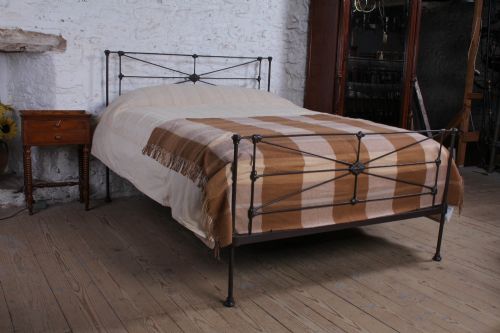
King Size Victorian Bed
A king size victorian bed combines generous modern sleeping space with period character, offering a substantial centrepiece built from brass, iron or rich timbers.
King Size Victorian Bed
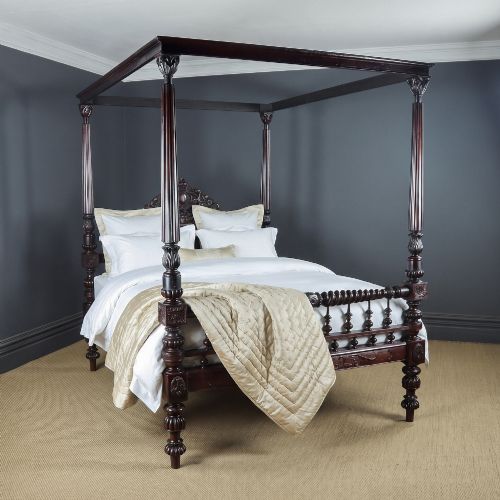
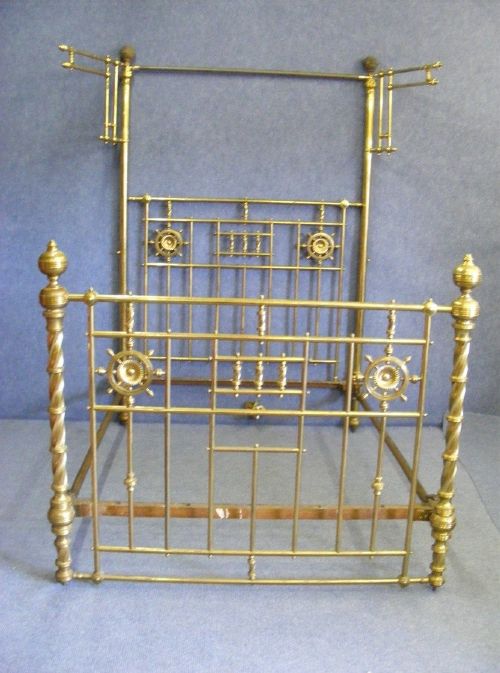
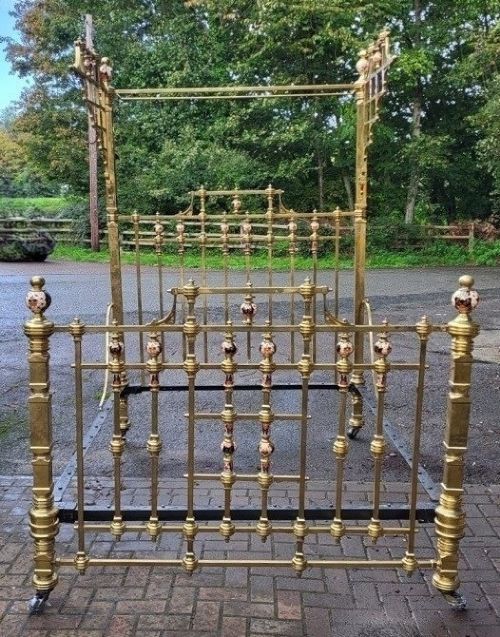
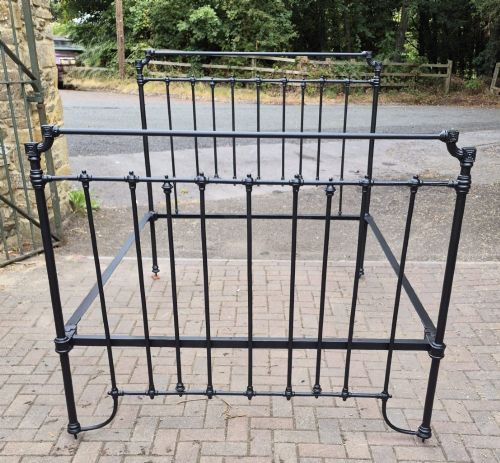
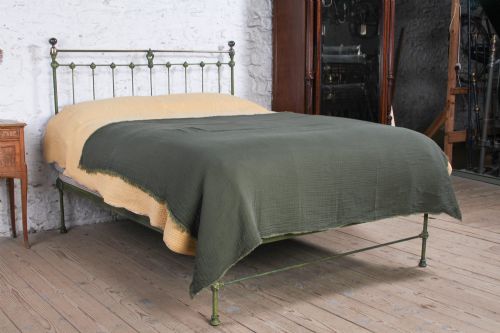
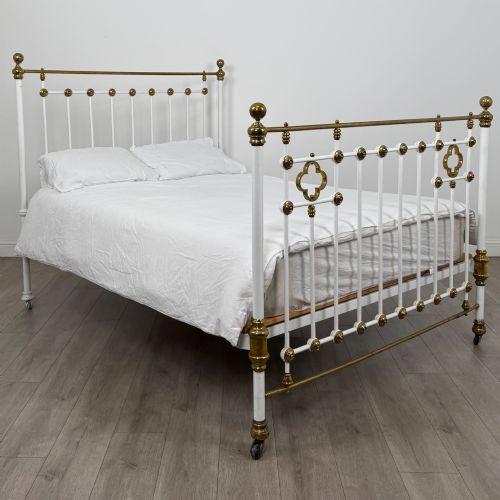
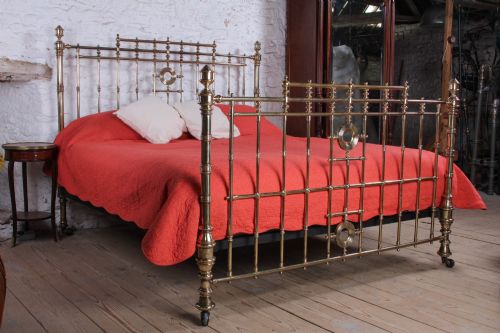
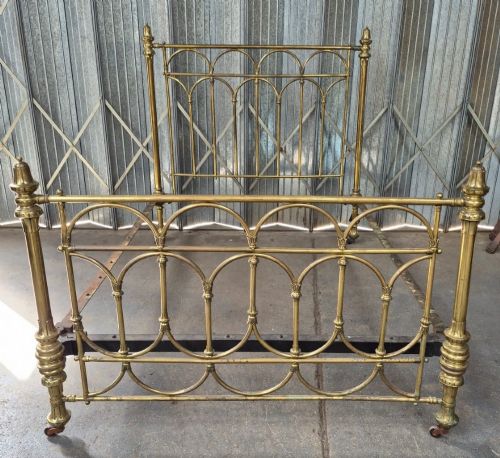
When searching for a king size victorian bed, buyers encounter a robust variety of metal frames and wooden bedsteads spanning the nineteenth and early twentieth centuries. Brass and iron combinations dominate the selection, alongside rarer four-poster structures in mahogany and walnut.
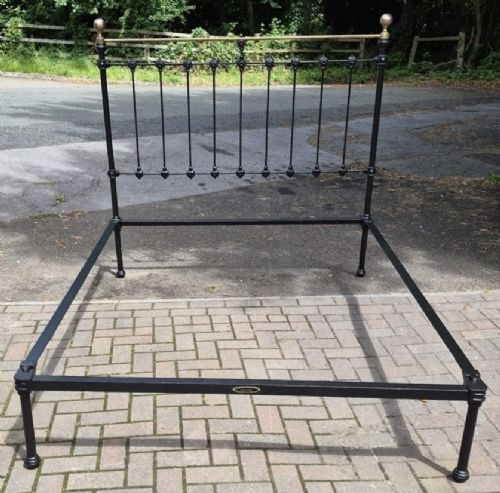
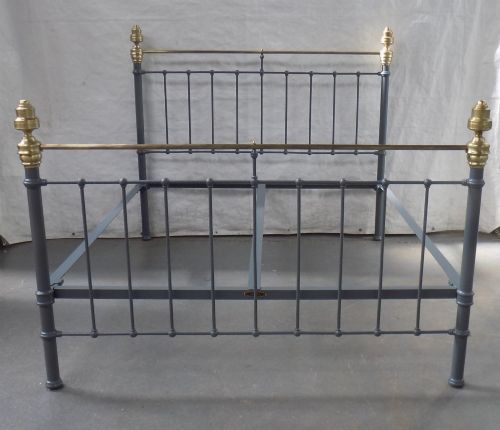
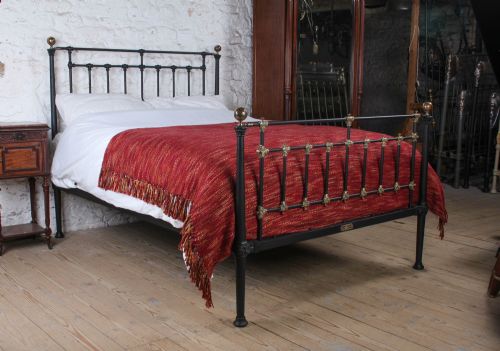
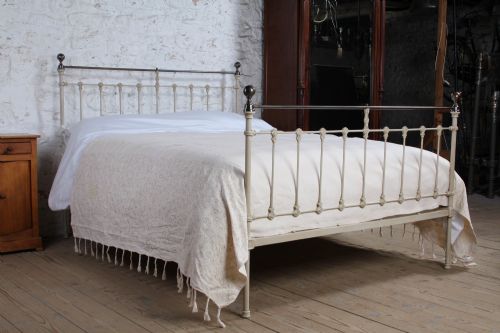
The assortment includes traditional half-tester designs, low-end styles and practical no-end formats with ribbon reeds or straight rails. Origins stretch from British workshops to French country models and Anglo-Indian colonial pieces.
Makers ranged from prominent cabinet makers and metalfounders to smaller regional ironmongers. Most surviving examples bridge historical proportions and contemporary mattress dimensions through clever adaptation or original generous scaling.
How they were made
Construction relies heavily on cast iron, wrought iron and heavy-gauge brass tubing joined with detailed castings, ceramic accents and painted finishes. Iron frames often feature decorative upstands, spindles and finials secured by dovetail or wedge joints.
Wooden variants utilise solid mahogany, walnut, maple and painted surfaces, incorporating carved panels, floral marquetry inlay or mother-of-pearl details. Brass components were polished, lacquered or patinated, while iron frames received durable coatings in ivory, basalt blue or black.
Design influences recorded include French country, Anglo-Indian colonial, Gothic Revival, Art Nouveau, Aesthetic Movement and Arts and Crafts.
What varies in quality
Quality reveals itself in the weight of the metalwork, the crispness of the brass castings and the structural integrity of the side rails. Exhibition and maker-stamped pieces show superior detailing in their tapered posts, decorative upstands and hand-finished mounts.
In wooden frames, the selection of figured veneers, the depth of carved elements and the precision of marquetry inlay set finer examples apart from simpler utility furniture.
Maple & Co·Winfield·James Shoolbread & Co
The King Size Victorian Bed Glossary
- Half tester
- A bedstead featuring a short canopy projecting from the headboard over the pillow area, often supporting fabric drapery. This style bridges the grandeur of a full tester and the openness of a standard frame.
- No end
- A bed design lacking a high footboard, featuring instead a low rail or entirely open profile at the base. This configuration suits modern bedrooms where spatial flow and visibility matter.
- Dip-rail
- A headboard or footboard top rail curving downwards towards the centre. The shaping softens the metal silhouette and reflects specific late Victorian design preferences.
- Upstand
- An elevated decorative metal section rising above the main horizontal line of the headboard. It frequently incorporates pierced brass castings or maker insignia.
- Marquetry
- The art of applying decorative veneer pieces to a wooden surface to form intricate pictorial patterns. Figured walnut and exotic timbers often display this meticulous craft.
King Size Victorian Bed: Frequently Asked Questions
Will a modern mattress fit?
Most antique frames require careful measurement, as nineteenth-century sizing conventions differ slightly from current metric or imperial standards. Many surviving frames have been professionally lengthened or adapted to accommodate standard modern mattresses without losing their original visual appeal.
Buyers should verify internal rail dimensions and clearance before purchasing. Specialist retailers often supply custom-made slatted bases designed to drop securely into antique iron and brass side rails.
How do I care for brass?
Original brass components benefit from gentle dusting and occasional cleaning with non-abrasive metal polish, though many collectors prefer to preserve an aged patina. Avoid harsh chemical cleaners that strip protective lacquers or vintage finishes.
Iron frames painted in black, ivory or basalt blue simply require a soft cloth to remove surface dust. Inspecting structural joints periodically ensures bolts and wedges remain stable during daily use.
Are iron beds sturdy?
Victorian iron and brass bedsteads were engineered for durability using heavy structural metals and robust mechanical joints. When properly assembled with secure side rails, they offer exceptional stability that rivals modern manufacturing.
Cast iron elements can be brittle, so care must be taken during assembly or transport to avoid sudden impacts. Professional delivery and installation prevent stress on original decorative castings.
How do I date these beds?
Dating relies on stylistic clues, manufacturing techniques, material combinations and maker stamps found on the ironwork or wooden rails. Early Victorian pieces often feature heavy mahogany four-poster framing, while the later decades introduced mass-produced brass and iron combinations.
Art Nouveau and Arts and Crafts influences appear in pieces from the late nineteenth century onwards. Comparing decorative motifs like ribbon reeds or ceramic details helps narrow down the period.