






Japanese Wall Display Plate
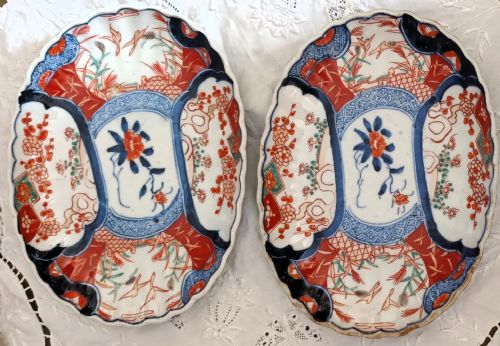
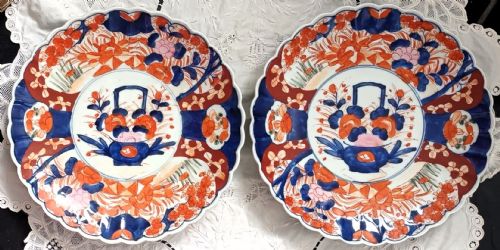
A Japanese wall display plate brings intricate Meiji era craftsmanship and vibrant palettes directly to the room.

Japanese Wall Display Plate
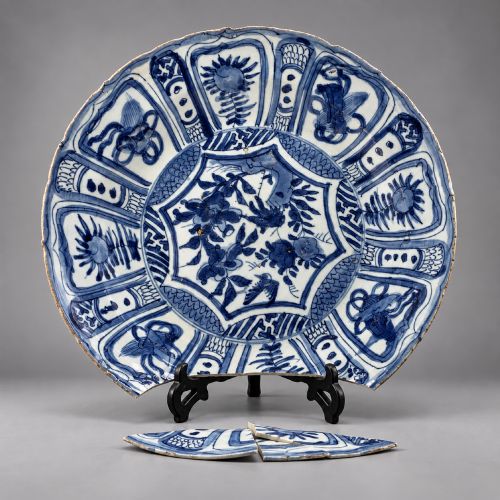
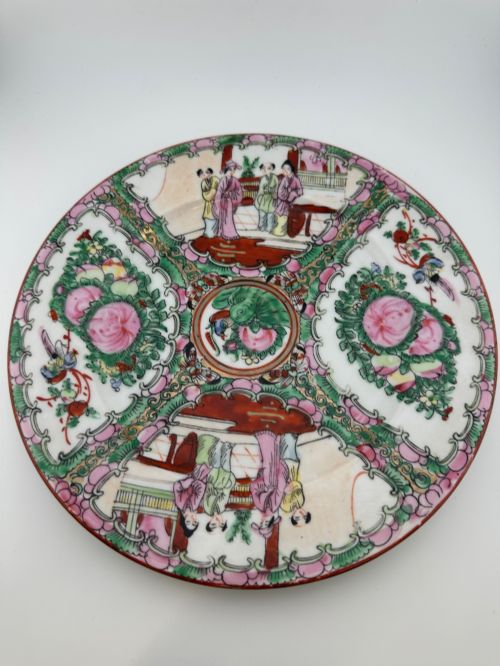
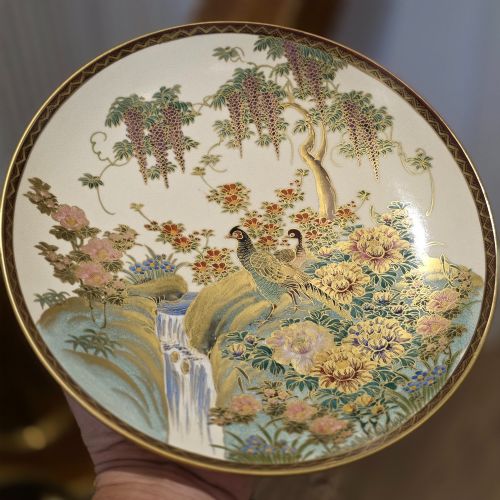
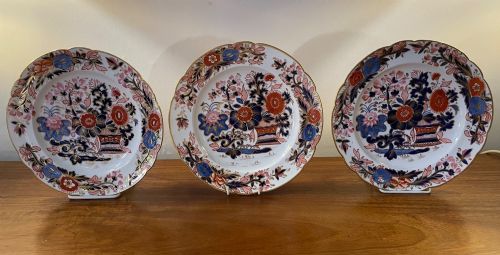
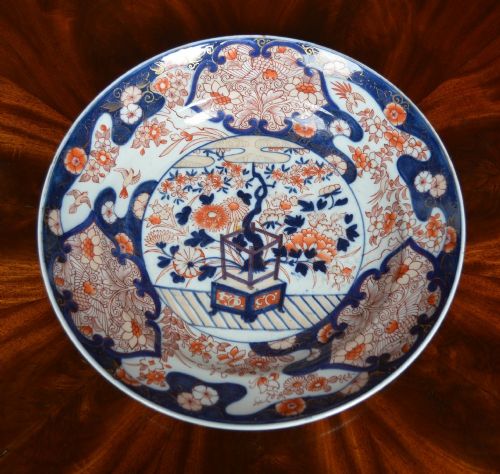
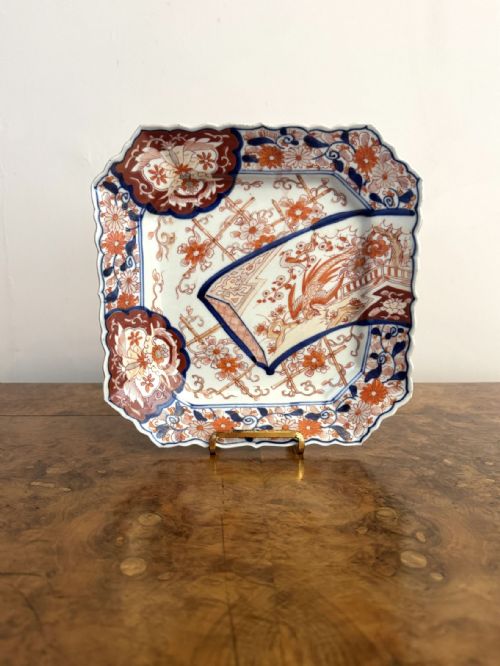
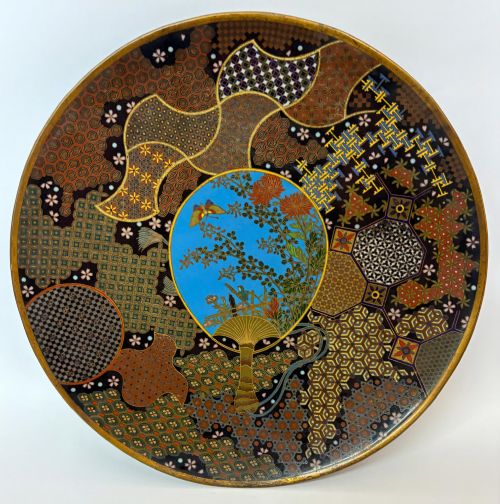
A Japanese wall display plate is a decorative ceramic or metal vessel designed primarily for visual appreciation rather than dining. The listings here largely comprise Imari porcelain chargers, cloisonne enamel plates, and Satsuma dishes originating from the nineteenth and early twentieth centuries. These objects span periods from the Edo transition through the Meiji and Taisho eras, often featuring traditional motifs like birds, dragons, and florals.
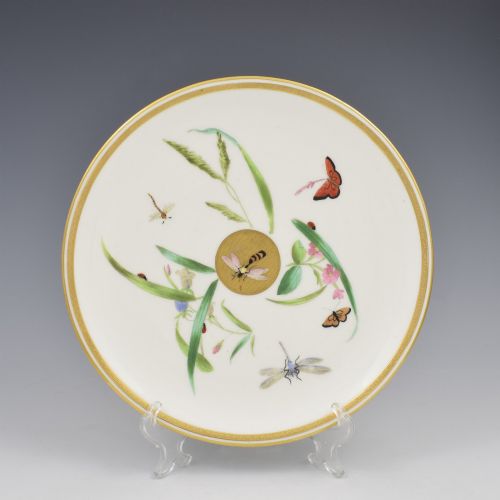
Buyers encounter distinct forms ranging from standard cabinet plates to large chargers measuring over thirty centimetres across. Many pieces appear in matched pairs or larger sets, intended historically for prominent display on walls or within cabinets. The selection includes works created in Japan alongside nineteenth century European interpretations produced in the Japanese style.
How they were made
Makers utilised porcelain and earthenware bodies, shaping them into rounds and squares before applying complex glazes and hand painted cobalt blue or polychrome designs. Many porcelain items incorporate rich gilding and copper accents to highlight intricate botanical and avian patterns.
Cloisonne examples involve soldering thin copper or brass wires to a metal base to form cells, which artisans then fill with coloured enamel pastes before firing and polishing. Totai shippo pieces combine this wirework enamel technique directly onto a porcelain or pottery core.
Listings feature items spanning the nineteenth century, the Meiji period, and the early twentieth century up to nineteen ten.
What varies in quality
The standard of a Japanese wall display plate rests upon the precision of the hand painting and the complexity of the composition. Superior examples display sharply defined motifs, such as exotic birds, dragons, or Mount Fuji, executed with immense control over colour density and line work.
In cloisonne pieces, quality is determined by the fineness of the wire cell work and the uniformity of the enamel polish across the surface. Masterpiece tiers show meticulous attention to detail in every subject, from chrysanthemums to human figures, while lesser pieces rely on repetitive, simpler stamp or transfer methods.
Koshida
The Japanese Wall Display Plate Glossary
- Charger
- A large decorative plate, typically exceeding thirty centimetres in diameter, made to be displayed upright on a wall or sideboard.
- Imari
- A traditional style of Japanese porcelain featuring a distinct palette of underglaze blue, iron red, and supplementary gold leaf.
- Cloisonne
- A decorative metalwork technique utilising thin wires soldered to form compartmentalised cells filled with coloured enamel.
- Meiji Period
- The era in Japanese history spanning from 1868 to 1912, noted for a flourishing of decorative arts destined for export.
- Satsuma
- A type of Japanese earthenware characterised by a pale, ivory crackled glaze decorated with polychrome enamels and gilding.
Japanese Wall Display Plate: Frequently Asked Questions
How do I hang a heavy charger?
Heavy chargers require specialised spring-loaded wall hangers that distribute the weight evenly around the rim without slipping. Ensure the wall fixing secures directly into a stud or uses a rated plaster anchor.
Avoid wire attachments glued to the base, as these can fail over time under the weight of nineteenth century porcelain or metal.
Are these plates safe for food use?
Antiques from the Meiji period and earlier were produced for decorative display rather than culinary service. Their historic glazes and enamel formulations can contain heavy metals that leach when exposed to food.
Keep these items strictly for visual appreciation on walls or inside cabinets rather than dining.
How do I tell Imari from Satsuma?
Imari pieces consist of hard porcelain decorated in deep cobalt blues and iron reds, often accented with gold leaf. They possess a resonant ring when tapped gently and a smooth, vitreous finish.
Satsuma items utilise an earthenware body covered in a finely crackled ivory glaze, painted with softer polychrome scenes and raised gilt details.