






Japanese Porcelain Display
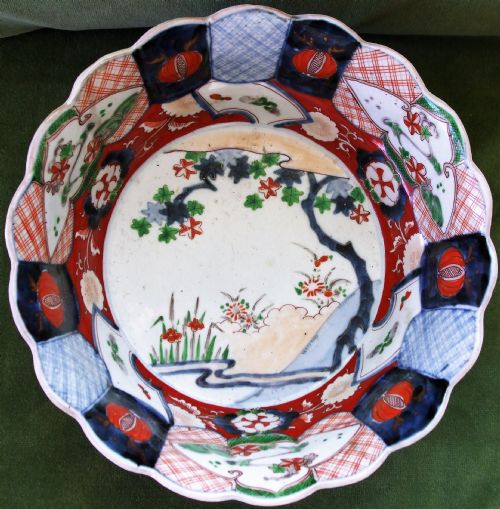
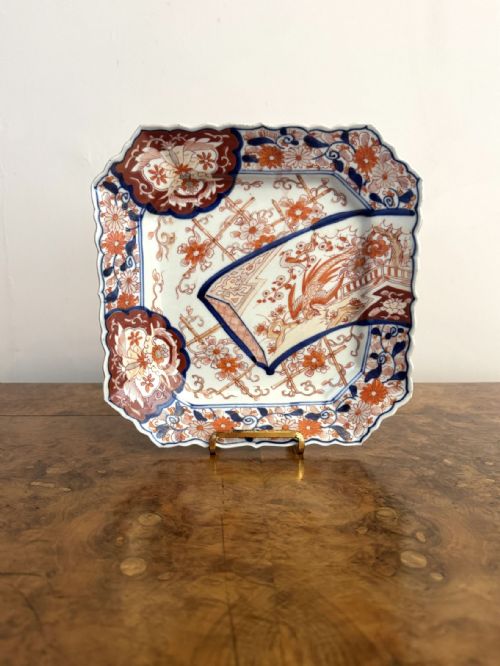
Japanese porcelain display gathers plates, bowls, chargers and vases shaped for presentation, originating primarily from the Meiji period and late nineteenth century.
Japanese Porcelain Display
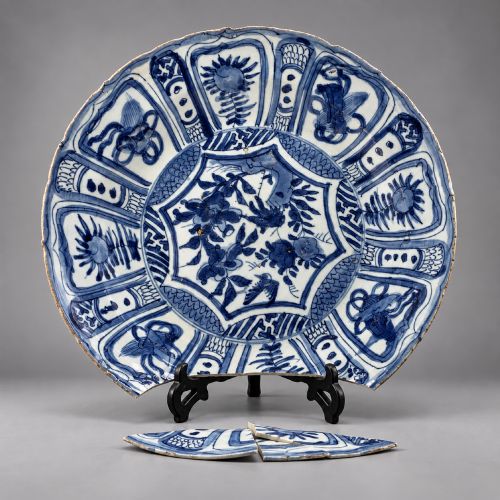
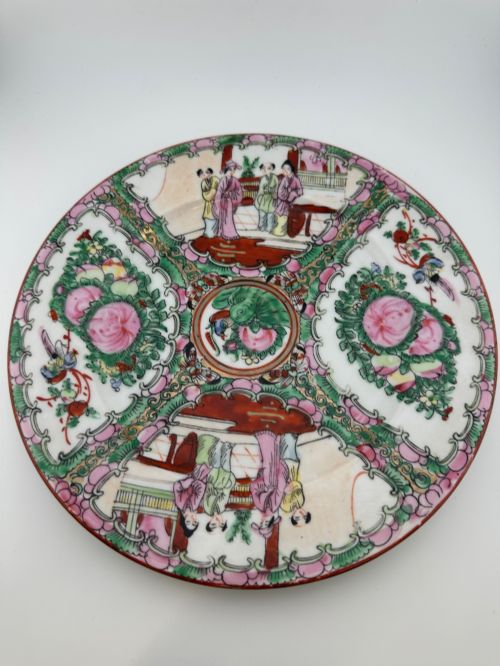
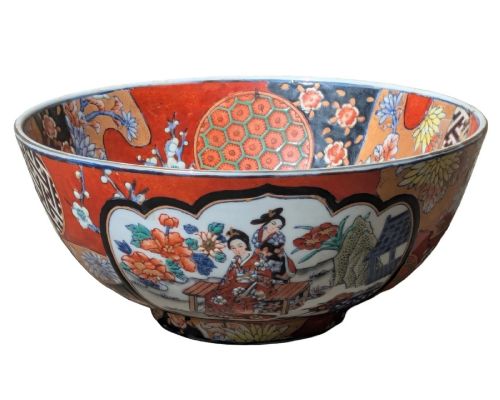
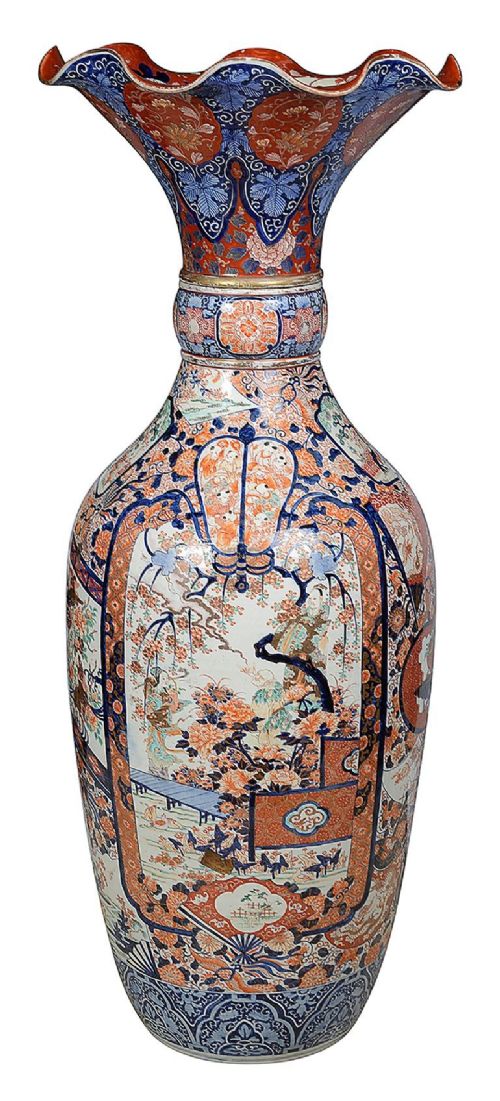
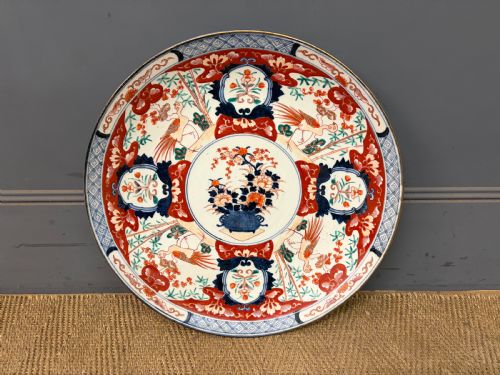
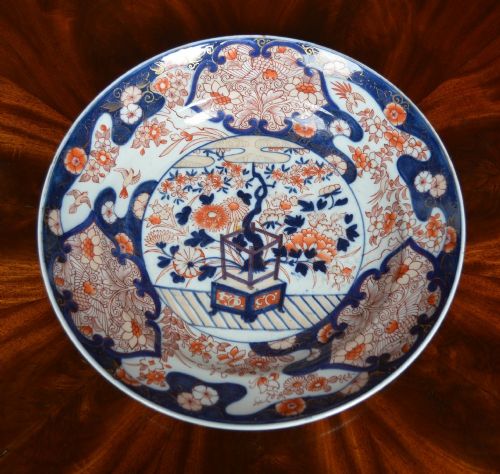
Japanese porcelain display pieces consist predominantly of chargers, decorative plates, scalloped bowls and floor vases designed for interior ornamentation. Buyers seeking items for display encounter numerous nineteenth century and Meiji period examples alongside early twentieth century production.
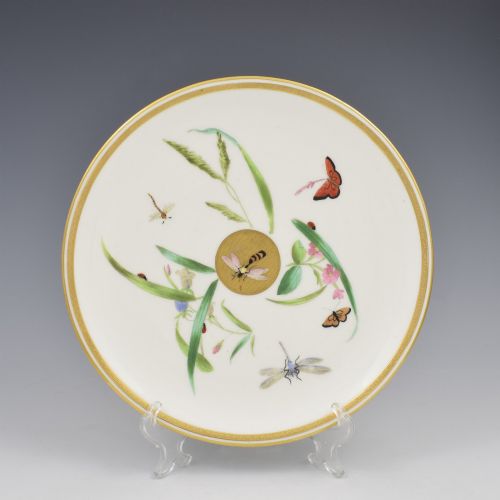
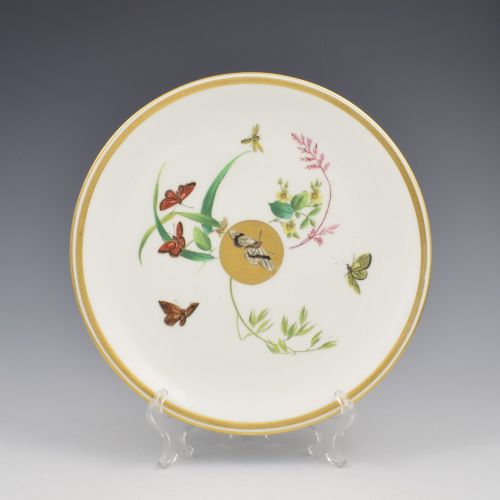
European adaptations also appear, notably Victorian Aesthetic Movement dessert plates executed in a Japanese style with gilt motifs. Such items reflect nineteenth century British enthusiasm for Eastern design applied to domestic ceramics.
Materials and technique
Makers utilised porcelain bodies finished with underglaze blue and iron red enamel pigments, frequently enriched with gold leaf or gilding. Certain specialised pieces incorporate earthenware or cloisonne bark effects on porcelain substrates.
Decoration relied on hand painted botanical, avian and geometric compositions applied across varied surface geometries including hexagonal, square and scalloped profiles.
Materials recorded across current inventory include earthenware, gold leaf, glaze, wood and traditional porcelain.
Assessing execution
Quality separates through the precision of the hand painting and the crispness of the enamel and gilt application. Finer examples display meticulous detailing in exotic bird and floral motifs without blurring or misaligned borders.
The complexity of the ceramic form itself dictates distinction, with unusual square, hexagonal or deeply scalloped edges demonstrating greater technical proficiency than standard round vessels.
Koshida·Kozan
The Japanese Porcelain Display Glossary
- Imari
- A traditional style of Japanese porcelain featuring a distinct palette of underglaze blue, iron red and supplementary gilding. This decorative scheme proved immensely popular for export throughout the nineteenth century.
- Satsuma
- A type of earthenware originating from Japan characterised by a crackled ivory glaze and detailed overglaze enamel and gold decoration. Pieces often bear signatures from specific makers.
- Charger
- A large decorative plate intended primarily for display on a wall or dresser rather than for practical dining use. These large vessels showcase expansive painted compositions.
- Aesthetic Movement
- A nineteenth century British artistic current that rejected Victorian industrial mass production in favour of simplified forms and Japanese inspired motifs. Ceramics from this period often incorporate asymmetric compositions and gilt insect or flora designs.
- Arita
- The historic Japanese town and region renowned as the birthplace of Japanese porcelain production. Wares originating from this centre supply much of the early export material.
Japanese Porcelain Display: Frequently Asked Questions
How were Japanese chargers displayed historically?
Large chargers were traditionally placed on sideboard surfaces or mounted to walls using specialised wire hangers to showcase the intricate painted designs.
Interior spaces in both Japanese and Victorian British homes utilised these vibrant pieces as focal points within reception rooms.
What is the difference between Imari and Arita porcelain?
Arita refers to the geographic manufacturing region in Japan where the porcelain clay was sourced and fired. Imari denotes the specific decorative style and colour palette applied to many of those pieces for export.
Consequently, many items are correctly identified as Arita Imari wares.
How do I identify a Meiji period piece?
Meiji period ceramics date from the late nineteenth to early twentieth century, corresponding to the reign of Emperor Meiji. These objects typically exhibit confident hand painted motifs and rich iron red and blue palettes.
Many bear signatures or date parameters indicative of this era of expanded trade.
Can these decorative plates be used for food?
Display plates and chargers from the nineteenth century are intended for ornamental viewing rather than culinary service. Enamel and gold leaf decorations on antique ceramics can degrade with routine washing and contact with acidic foods.