

Japanese Oriental Vases
These japanese oriental vases bring intricate hand-painted detail, rich bronze casting, and traditional ceramic forms from the Meiji and Taisho periods into modern rooms.
Japanese Oriental Vases
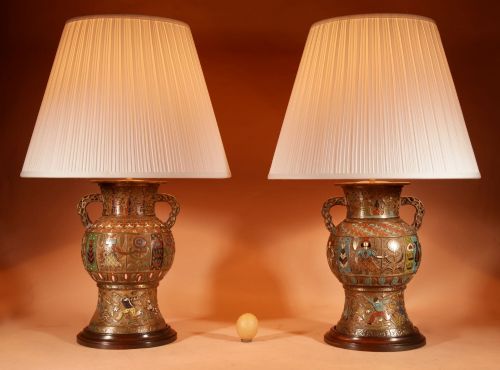
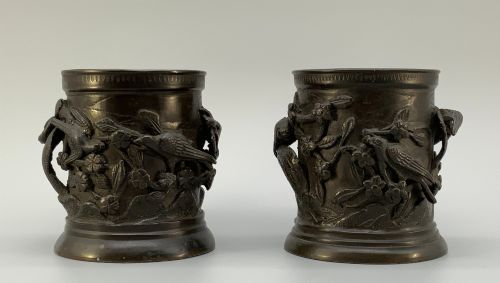
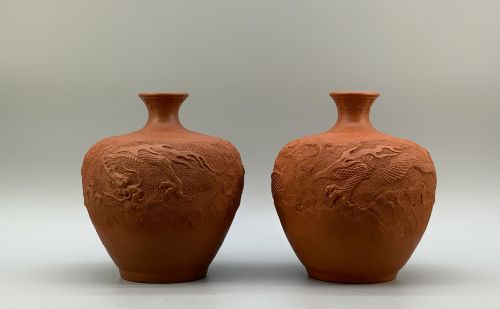
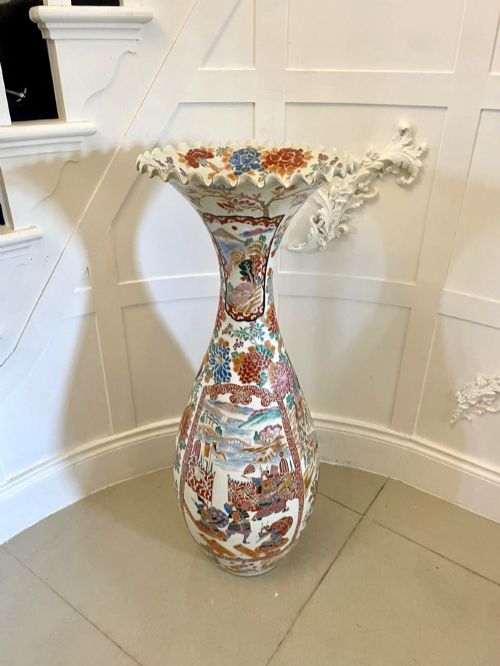
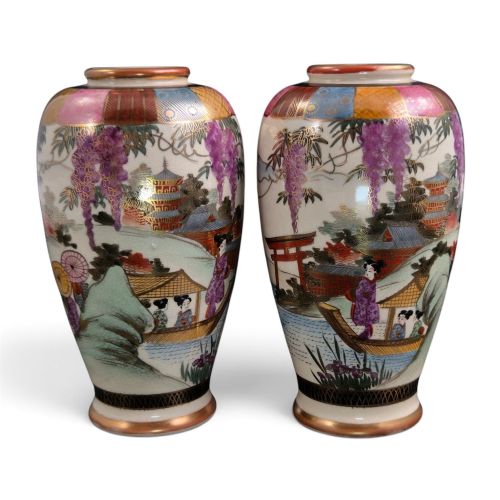
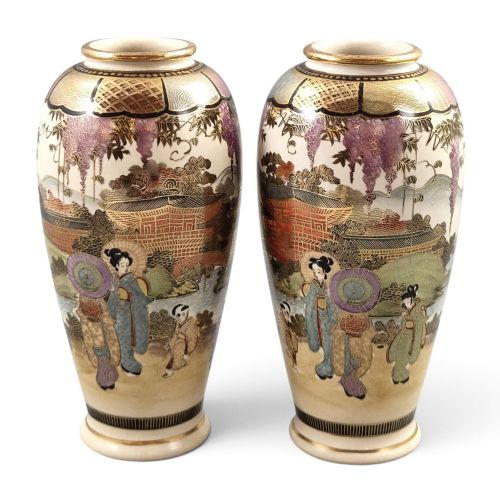
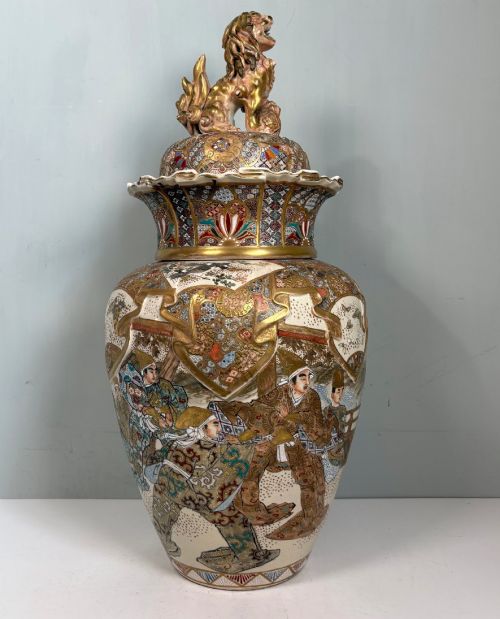
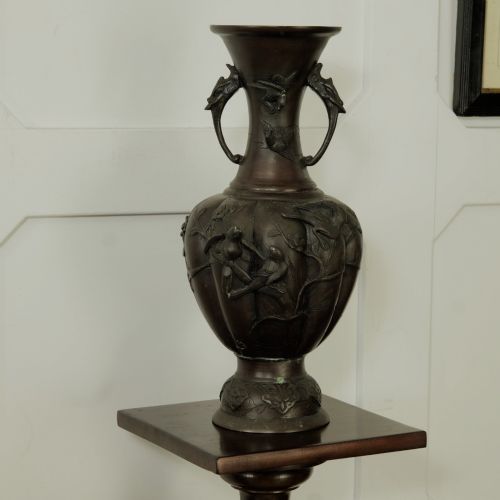
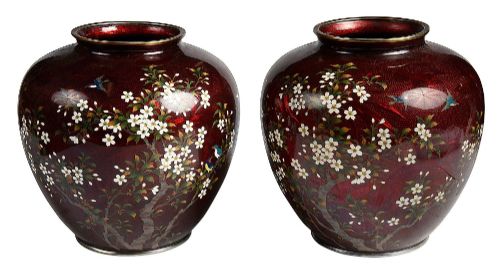
When you search for japanese oriental vases, you encounter a varied selection of ceramic, metal, and cloisonné vessels originating mainly from the late nineteenth and early twentieth centuries. The objects range from large floor-standing Imari pieces and delicate Satsuma earthenware to patinated bronze vessels and textured Sumida Gawa art pottery.
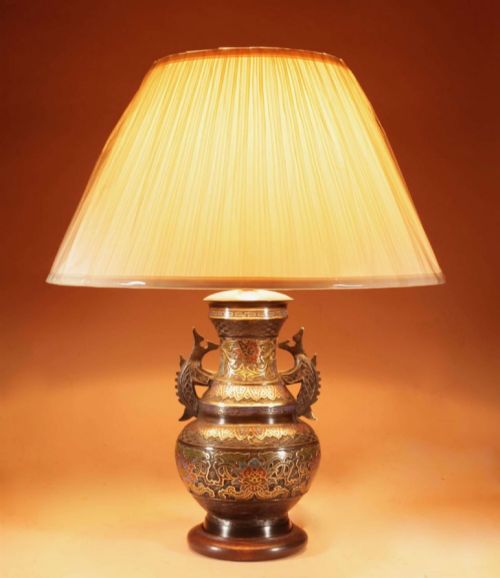
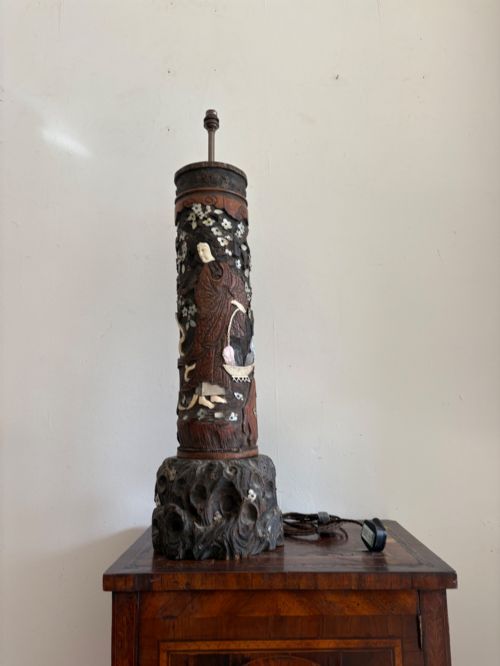
The inventory on this page leans heavily toward Meiji period production, alongside Edwardian and Taisho items, reflecting an era of exceptional decorative craftsmanship exported to Western markets. Buyers frequently find matching pairs, lidded jars, and vessels subsequently converted into table lamps with brass or gilt mounts.
How they were made
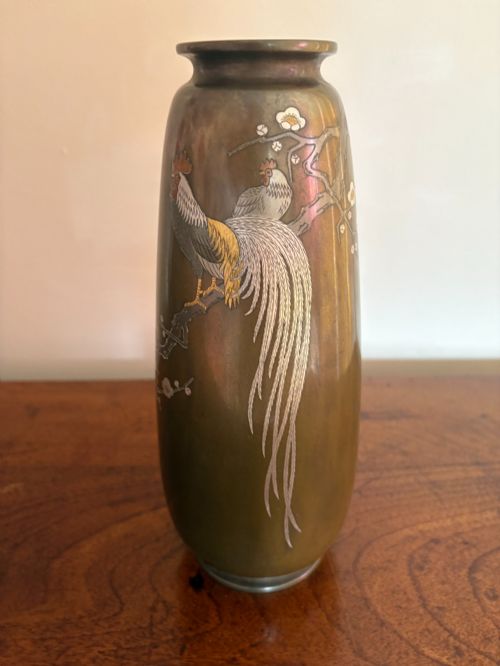
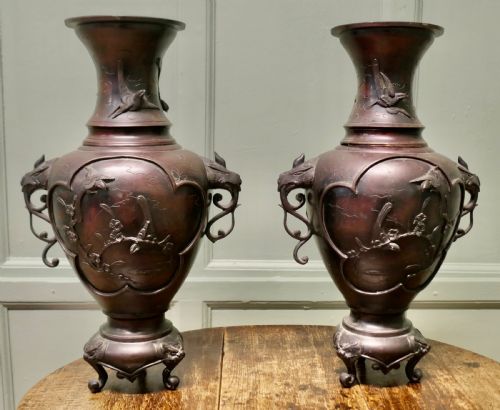
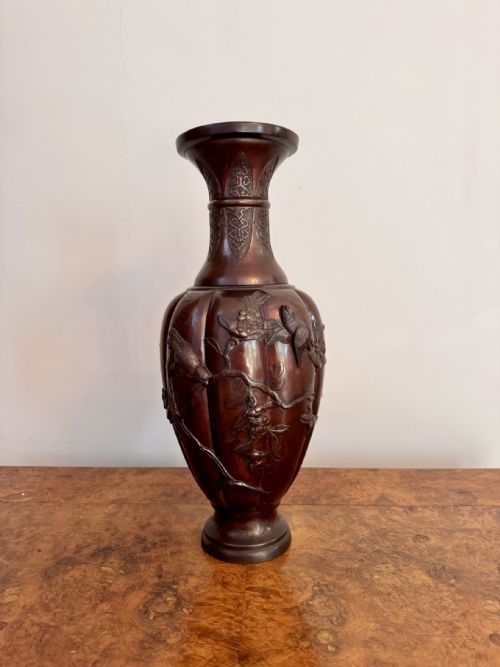
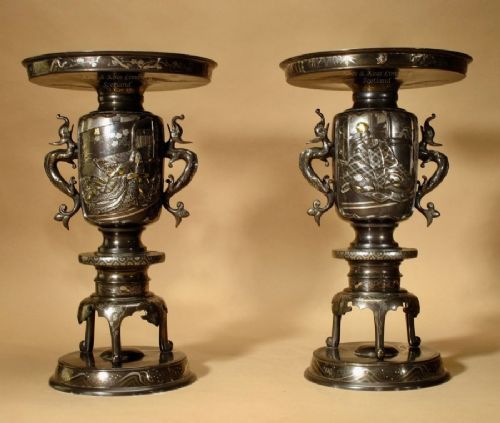
Makers shaped these vases using traditional ceramic bodies including red clay, fine porcelain, and earthenware, often finishing them with detailed enamel painting, gold leaf accents, and vibrant flambe glazes. Bronze and brass vessels utilised intricate casting techniques, sometimes incorporating inlaid metals, mother of pearl, or champleve enamel decoration.
Artisans built specific regional styles, such as Satsuma's characteristic crackle-glaze earthenware or Imari's distinct iron-red and cobalt blue underglaze palettes. Sculpted elements, pinched rims, and applied figures distinguish earthenware like Sumida Gawa from smoother porcelain production.
Listings feature periods spanning from the late 17th century through the Victorian, Edwardian, Meiji, and Taisho eras.
What varies in quality
Quality rests upon the precision of the hand-painted detailing, the depth of the bronze patina, and the clarity of the glaze work across the surface. Pieces featuring finely rendered facial expressions, precise cloisonne wirework, and distinct artist signatures command greater attention.
Condition and originality also dictate standing, particularly when examining older bronze mounts, converted lamp fittings, and the preservation of delicate enamel or gold leaf over decades of handling.
KANASAWA·Maruni Kobe·Shozan·Inoue Ryosai·Ban-ni
The Japanese Oriental Vases Glossary
- Satsuma
- A type of Japanese earthenware featuring an ivory-coloured crackle glaze, typically decorated with polychrome enamels and gilding. These pieces often depict figures, landscapes, and floral motifs.
- Imari
- A style of Japanese porcelain named after the port from which it was shipped, characterised by a palette of underglaze cobalt blue, iron-red, and supplementary gold. Designs frequently incorporate intricate brocade patterns.
- Meiji Period
- The era in Japanese history spanning from 1868 to 1912, marked by opening trade with the West and a flourishing of decorative arts destined for export. Work from this time is noted for high technical skill.
- Cloisonne
- A metalwork technique where thin metal wires are soldered to a base to form compartments, which are then filled with enamel paste and fired. The resulting surface displays crisp geometric or pictorial designs.
- Sumida Gawa
- A style of Japanese art pottery produced around Tokyo, known for heavily textured flambe glazes and sculptural, highly modelled figures climbing the exterior of the vessel.
Japanese Oriental Vases: Frequently Asked Questions
How do I date a Japanese bronze vase?
Examine the casting quality, the richness of the patina, and stylistic cues associated with the Meiji period. Pieces produced during this era often display deep relief work and signed panels.
Compare the base construction and any applied signatures against documented examples from the late nineteenth and early twentieth centuries to narrow the manufacturing window.
What is Satsuma ware?
Satsuma ware is a distinct style of Japanese earthenware featuring a characteristic ivory-coloured body covered in a fine network of crackled glaze. Artisans then applied intricate polychrome enamel designs and gold leaf over this surface.
These vessels frequently showcase figural scenes, historical narratives, or dense floral arrangements typical of late nineteenth-century export production.
Are these vases suitable for fresh flowers?
Many antique ceramic and bronze vessels were intended primarily for display, garniture sets, or decorative arrangement rather than holding water. Historical earthenware bodies and converted lamp bases may lack the interior waterproofing required for practical use.
Utilising a discreet internal glass liner protects fragile antique interiors from moisture damage while allowing you to display fresh stems safely.
How should I clean my antique vase?
Dust these surfaces gently using a soft, dry microfibre cloth to remove accumulated particles without disturbing delicate gold leaf or enamel. Avoid chemical cleaners, abrasive sponges, and excessive moisture, particularly on earthenware and bronze patinas.
For bronze or brass elements, a very light application of microcrystalline wax can help preserve the metal finish when performed infrequently.