
Oriental Metal Urns
Oriental metal urns are substantial vessels of bronze, copper and brass originating from Japanese Meiji and Chinese Qing contexts, prized for ritual, display and interior decoration.
Oriental Metal Urns
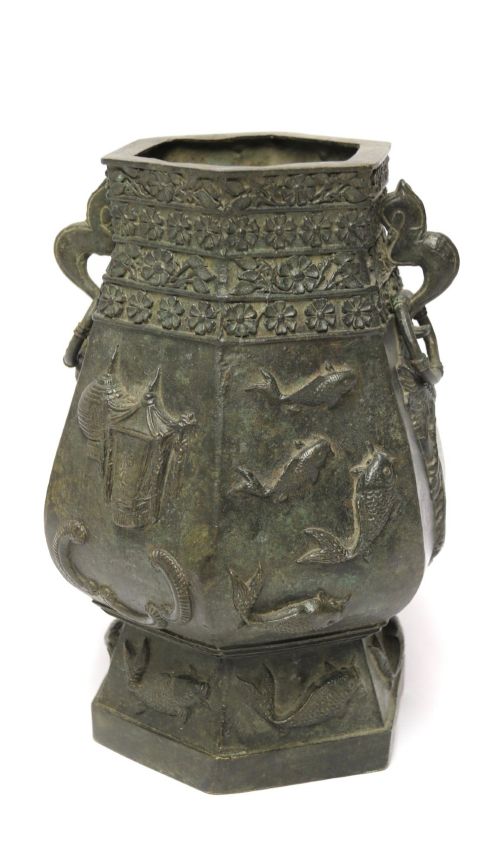
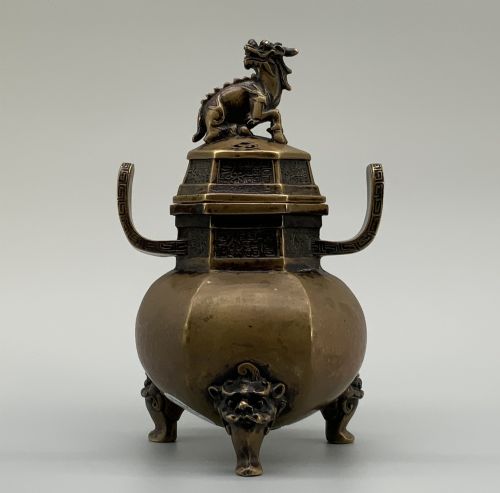
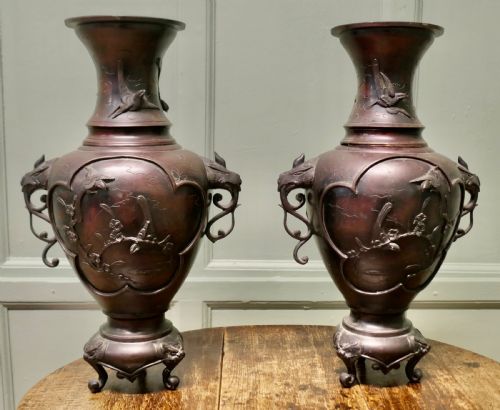
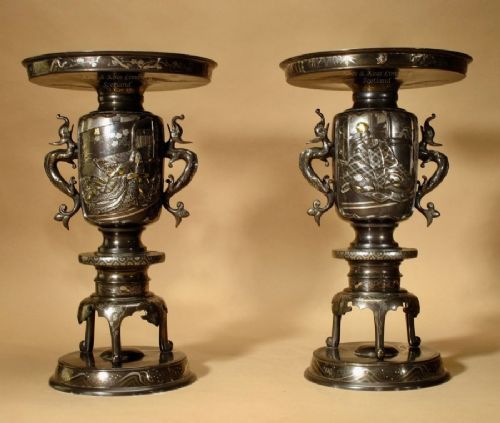
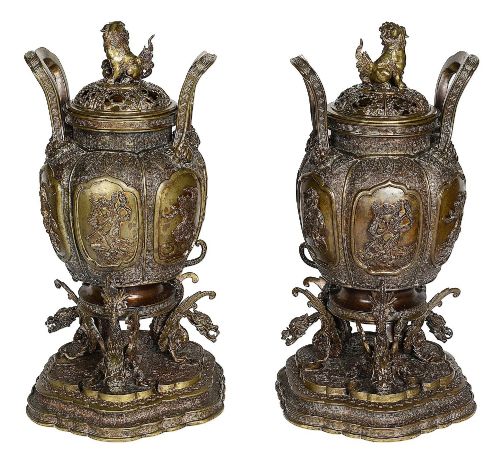
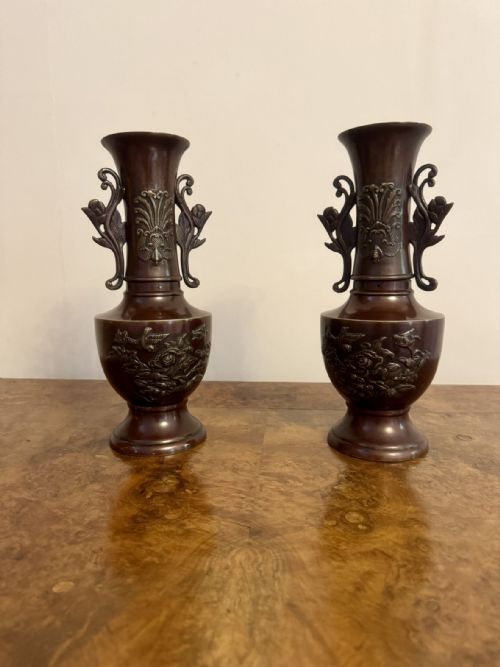
Oriental metal urns encompass traditional vessel forms including baluster vases, tripod censers, ritual vessels and lidded ginger jars. These objects frequently emerge from the Japanese Meiji period and Chinese Qing dynasty contexts, spanning the nineteenth and early twentieth centuries.
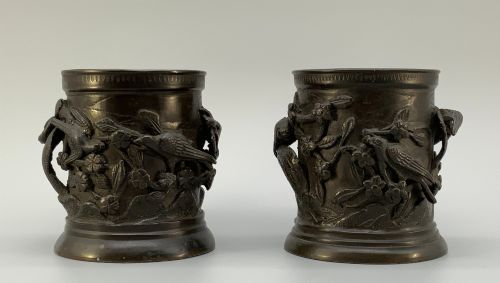
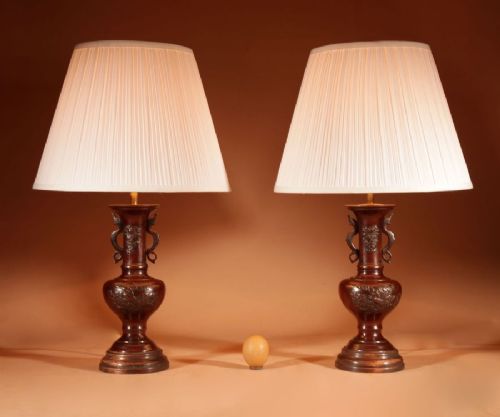
Buyers encounter numerous pairs and single pieces utilised as decorative ornaments, table lamps or ceremonial display items. The forms incorporate archaic ritual shapes alongside domestic floral and animal motifs.
The category bridges functional incense burners and purely decorative display urns, reflecting centuries of metalworking heritage across East Asia.
Materials and construction methods
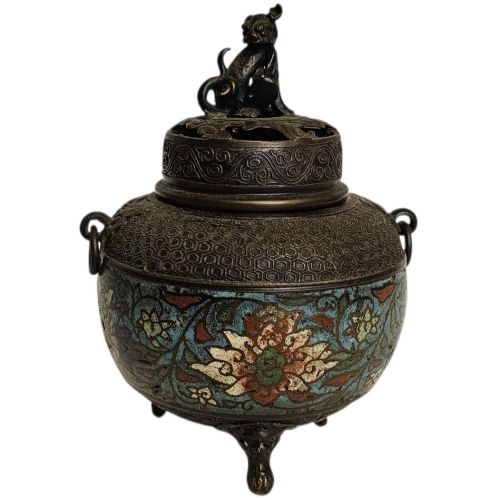
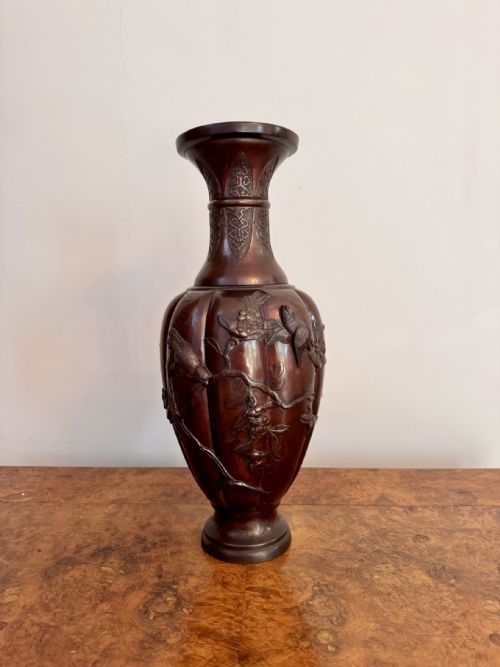
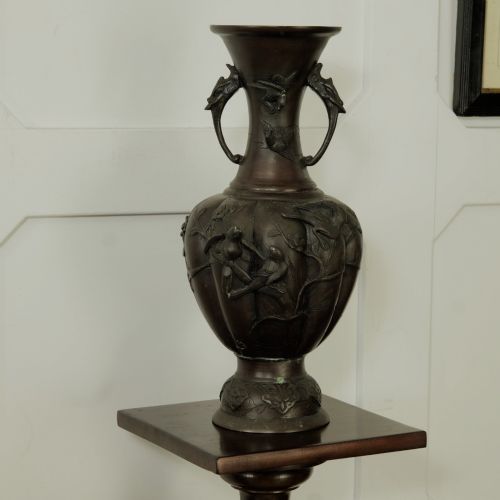
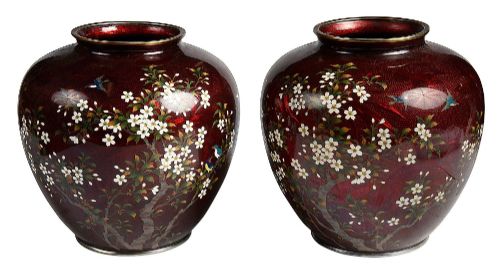
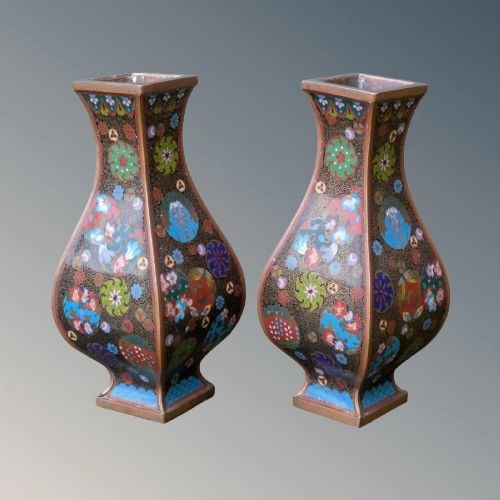
The pieces rely primarily on cast bronze, copper-alloys and brass, often enriched with patinated finishes or mercury gilding. Artisans employed complex casting techniques alongside delicate champlevé and cloisonné enamelling.
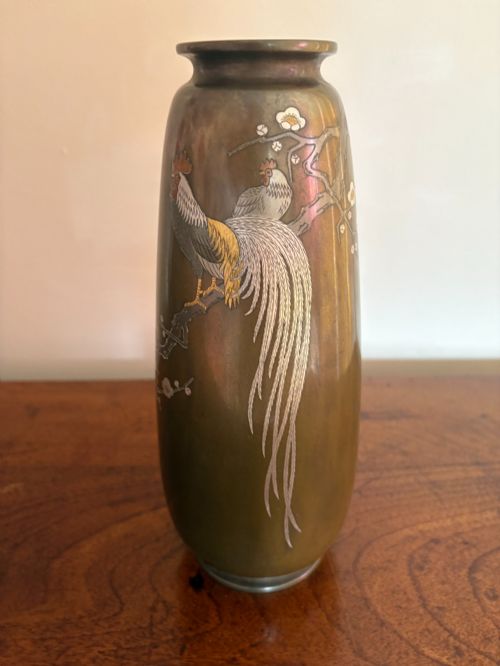
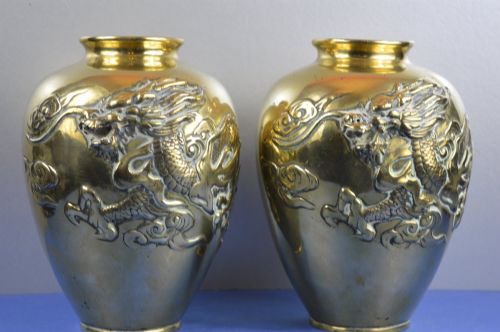
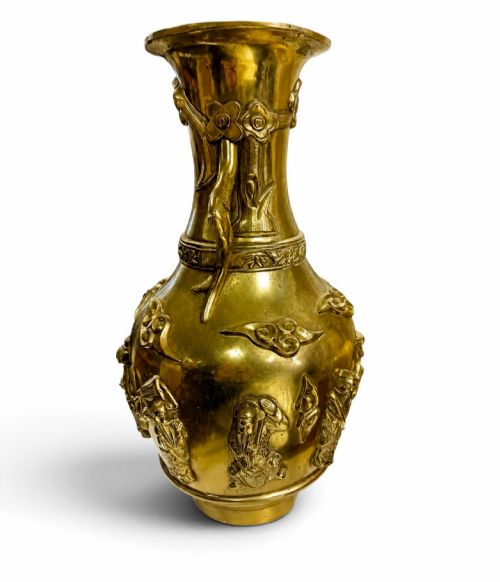
Surface decoration frequently combines high-relief modelling, inlaid mixed metals, and incised details depicting birds, dragons, and Daoist immortals. Such integration of structural casting and meticulous surface work defines the physical construction.
The material palette extends from simple cast brass to complex mixed-metal pieces incorporating silver, copper, and cloisonné enamel.
Differentiating quality in metalwork
Quality rests upon the crispness of the cast relief, the weight of the metal alloy, and the precision of inlaid mixed-metal elements. Superior examples display balanced proportions, secure fittings on covers, and sophisticated patination.
Lesser pieces exhibit softer surface details, simplified casting seams, or uneven enamel application. The distinction lies in the deliberate harmony between the foundational bronze form and the applied ornamentation.
KANASAWA
The Oriental Metal Urns Glossary
- Censer
- A vessel designed for burning incense during ritual or domestic use. These often feature tripod legs and pierced covers.
- Cloisonne
- An enamelling technique where metal wire creates cells on the vessel surface to hold coloured enamel pastes. Artisans then fire and polish the piece to a smooth finish.
- Champleve
- A method where troughs are gouged directly into the metal body and filled with enamel before firing. This technique provides deep, durable bands of colour.
- Hu
- An archaic ritual vessel form with a pear-shaped body and tubular handles. These historical shapes were frequently reinterpreted during the Meiji period.
- Patinated bronze
- Metal treated with chemical solutions to produce an intentional aged surface colour. This finish enhances texture and protects the underlying alloy.
Oriental Metal Urns: Frequently Asked Questions
What are oriental metal urns used for?
These vessels served diverse purposes ranging from ancestral ritual offerings and incense burning in temples to elegant interior decoration in domestic spaces. Many incorporate covers or tripod configurations designed specifically for ceremonial functions.
Over time, numerous examples transitioned into purely aesthetic display pieces or were later adapted as table lamps while retaining their classic sculptural silhouettes.
How do I identify a Meiji period bronze?
Meiji period bronzes typically date between eighteen sixty-eight and nineteen twelve, reflecting the technical mastery of Japanese workshops during this era. Look for crisp high-relief casting, signature plaques, and sophisticated mixed-metal inlays.
Stylistic influences often blend traditional iconography such as dragons and birds with innovative patination techniques unique to Japanese metalworkers of the time.
Are these urns made of solid bronze?
The listings comprise solid bronze vessels alongside copper-alloys, brass, and mixed-metal compositions. Weight is often a helpful indicator of substance, with substantial pieces employing thick-walled casting.
Enamelled and inlaid variants combine the metallic body with glass pastes and secondary metals like silver or gold to enrich the surface texture.
How should I clean antique metal urns?
Maintenance requires gentle dusting with a dry, soft cloth to preserve the historical patina and protective surface finishes. Avoid chemical polishes or abrasive cleaners that strip away centuries of intentional coloration.
Keeping the pieces away from excessive moisture and direct sunlight ensures the stability of both the metal and any delicate enamel work.