


Chinese Bronze Pot
A chinese bronze pot brings centuries of ritual craft and scholar's studio weight to a room, ranging from small incense burners to monumental planters.
Chinese Bronze Pot
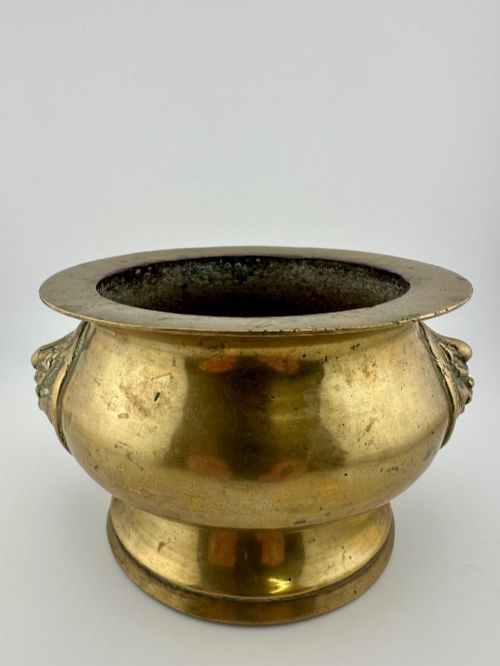
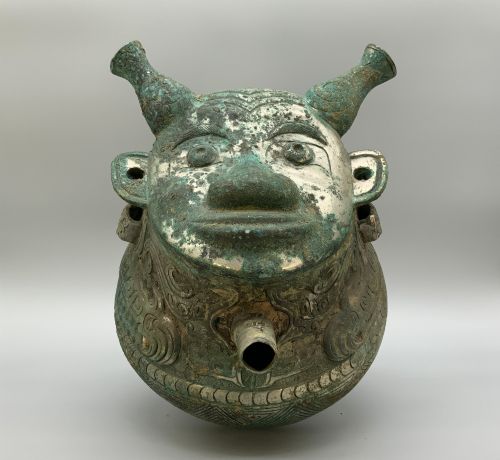
When you search for a chinese bronze pot, you encounter an array of vessels designed for ritual, display, and utility across multiple centuries. The selection spans from heavy scholar's censers and tripod vessels to large jardinières, cachepots, and brush pots.
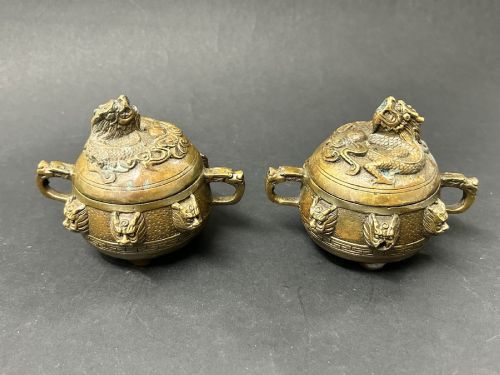
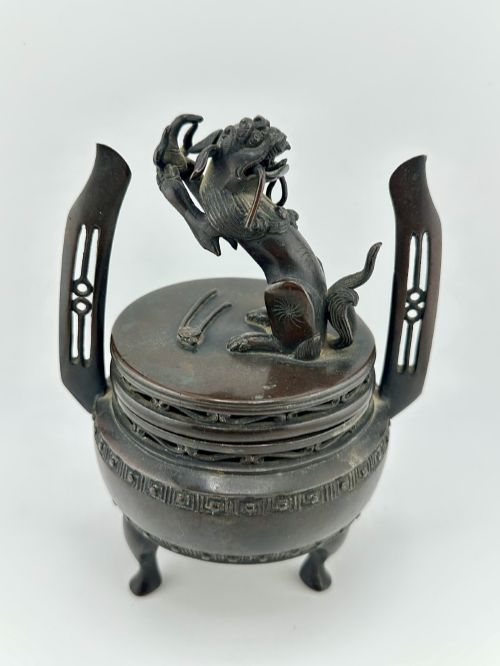
The pieces on this page lean heavily towards the Qing Dynasty and the late nineteenth or early twentieth century, alongside earlier examples referencing Shang and Ming styles. Forms frequently incorporate dragon and phoenix motifs, lion mask handles, and qilin finials.
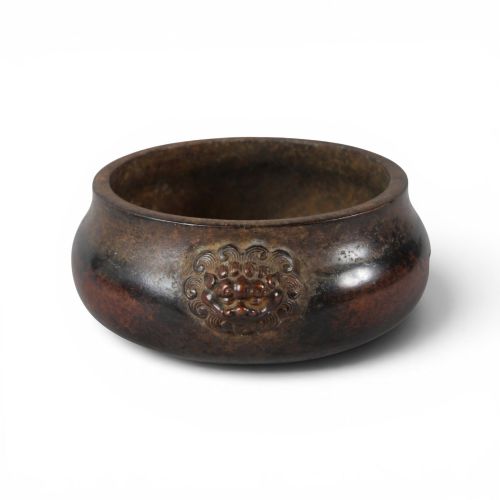
Objects range from small, intimate miniature censers weighing under two hundred grams to monumental bowls and jardinières weighing several kilograms. They serve equally as decorative display urns and functional vessels for plants or incense.
Materials and Technique
The primary material across these listings is bronze, accompanied by related copper alloys, brass, and copper. Metalworking techniques include cast bronze often finished with a verdigris patina or deep natural surface ageing.
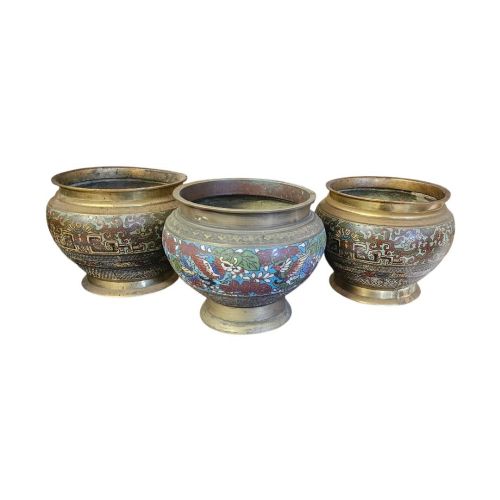
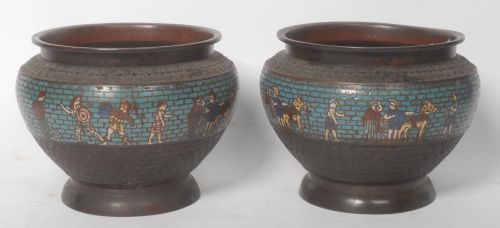
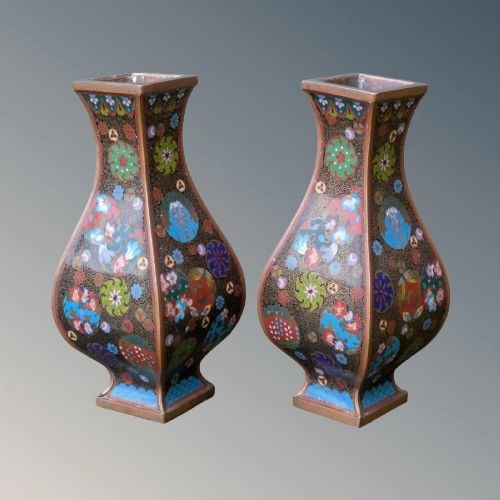
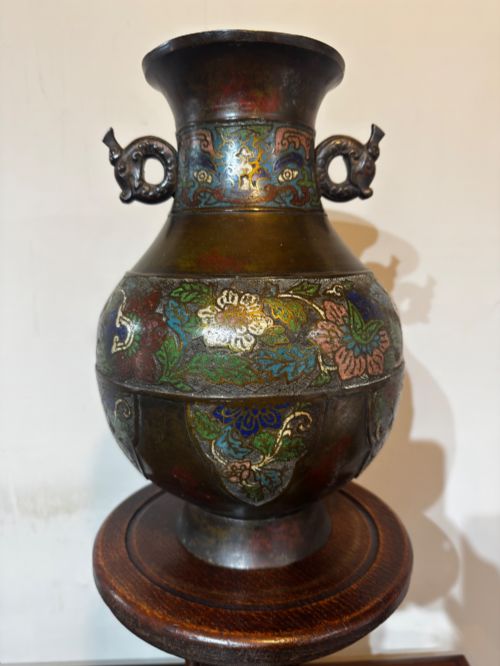
Many vessels are decorated with champlevé enamel or cloisonné enamel in contrasting colours such as navy blue and gold. Certain forms also incorporate applied stands made of dense woods like zitan.
One miniature scholar's censer tips the scales at a mere one hundred sixty-three grams, proving that monumental presence requires no excess tonnage.
What Varies in Quality
Quality in a chinese bronze pot rests upon the density of the metal and the crispness of the casting. Heavier scholar's vessels and monumental censers demonstrate superior wall thickness and deliberate heft.
Surface finish and decorative execution further separate pieces, seen in the precision of champlevé and cloisonné enamel work or the subtlety of the verdigris patina. Markings, such as Xuande, Qianlong, or Fu marks, contribute to scholarly interest when authentically integrated into the casting.
The Chinese Bronze Pot Glossary
- Censer
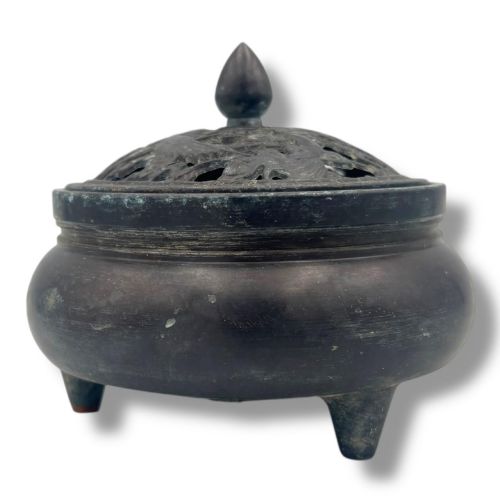
- A vessel designed for burning incense, frequently featuring a tripod base, handles, and a pierced lid. These often take the form of bowl or bombée shapes.
- Jardinière
- A large decorative pot or planter intended to hold growing plants or flower arrangements. They appear frequently in bronze and champlevé enamel.
- Champlevé
- An enamelling technique where troughs or cells are carved into the bronze surface and filled with enamel paste before firing. This creates raised metal outlines between coloured fields.
- Cloisonné
- A method of decorating metalwork objects using wire to create compartments that are filled with enamel. The piece is then fired and polished smooth.
- Koro
- A traditional Japanese or oriental incense burner with a lid, often adapted into bronze vessel forms.
- Patina
- The surface sheen and colour acquired by bronze over decades or centuries through oxidation and handling. A fine patina adds visual depth to the metal.
Chinese Bronze Pot: Frequently Asked Questions
What is a chinese bronze pot used for?
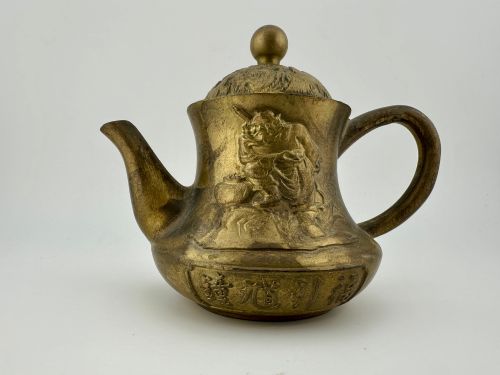
These vessels were originally made for various domestic and ritual purposes, including burning incense in scholar's studios, holding brush pens, or serving as planters and floral display urns.
Today, buyers utilise them as decorative cachepots, desk accessories, or focal centrepieces in interior displays.
How do I date a chinese bronze pot?
Dating relies on stylistic markers such as dynastic references, decorative motifs like dragon and phoenixes, and manufacturing techniques. Pieces range from sixteenth and seventeenth-century scholar's items to late nineteenth-century export wares.
Weight, patination, and any cast seal marks also provide guidance on the period of production.
Are these pots made of solid bronze?
The listings consist of bronze, cast bronze, copper alloy, and brass vessels. Many are solid metal constructs with significant weight, while others incorporate surface enamel work.
Weights vary considerably from miniature desktop pieces to monumental bowls scaling multiple kilograms.
What styles are common in chinese bronze pots?
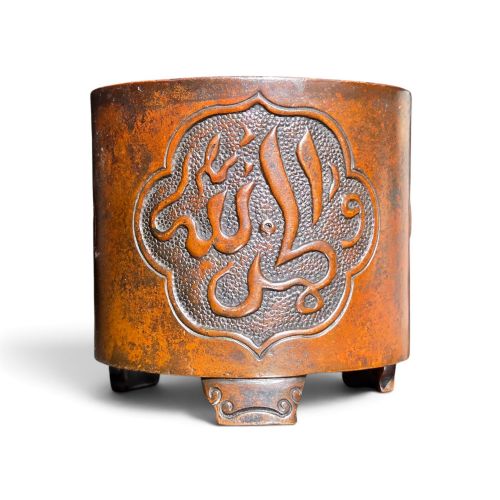
Common stylistic influences include Qing Dynasty designs, Sino-Islamic market pieces, and earlier Shang or Ming Dynasty revival styles. Greco-Roman influences also appear in specific export cachepots.
Surface decoration ranges from plain polished bronze with lion mask handles to intricate multi-coloured champlevé and cloisonné enamel.